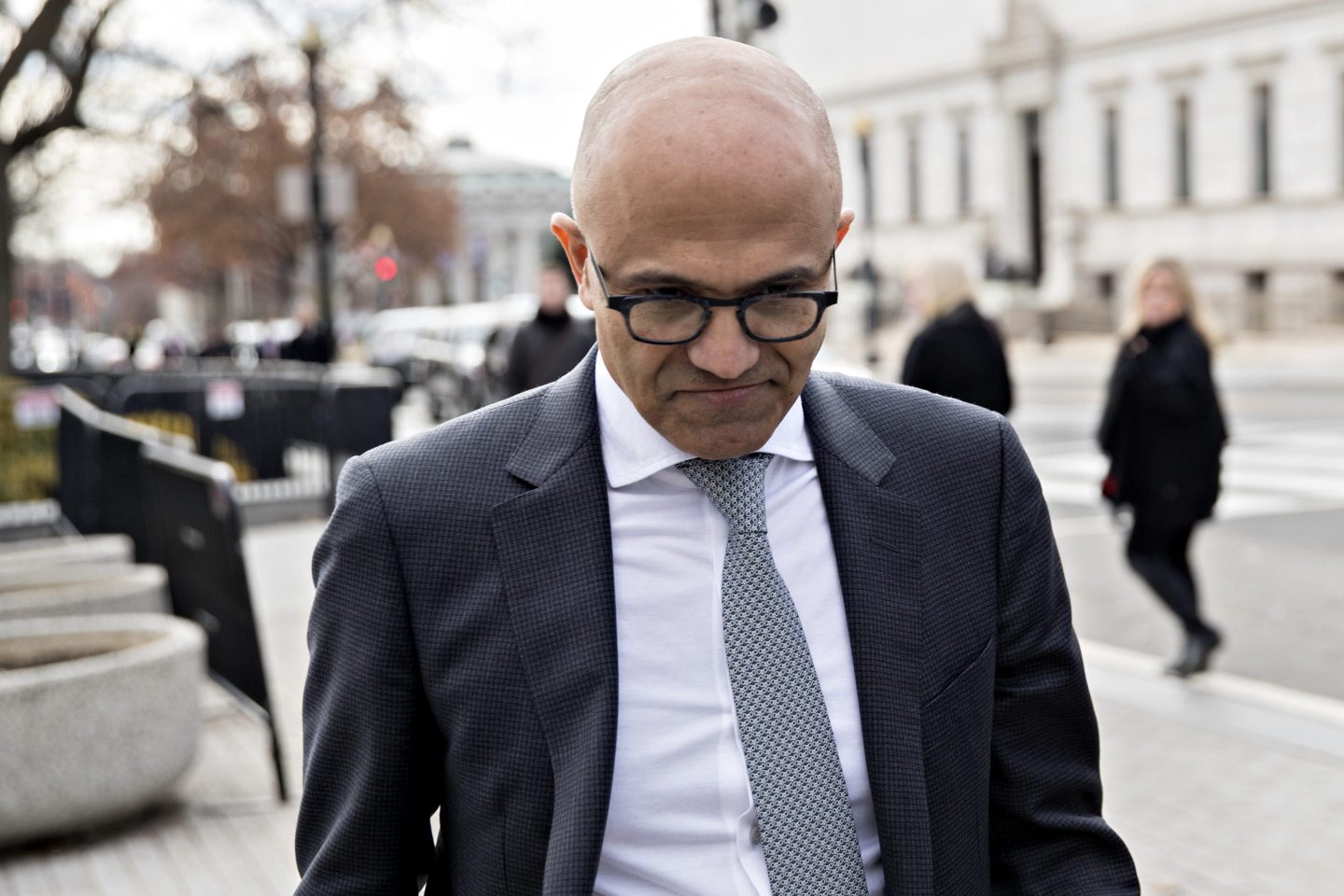
When Microsoft announced plans to buy video game company Activision Blizzard for $69 billion in January 2022, the tech industry snapped to attention: As the largest acquisition in Microsoft’s nearly five-decade history, the deal was a bold move by CEO Satya Nadella, pointing the way to a future of computing in immersive virtual worlds.
The deal hasn’t closed yet, but a lot has changed in the intervening 18 months.
For one thing, the hype over the so-called metaverse has shriveled up and died. Facebook parent company Meta’s big bet on the concept looks like a flop, and the future of Microsoft’s HoloLens augmented-reality headset—the company’s very ambitious, very expensive bet to provide a portal into these brave new digital worlds—is uncertain, as Microsoft lays off thousands of workers and seeks to cut costs in an uncertain economy.
Instead of the metaverse, A.I. has emerged as the next game-changing technology, sucking up all the industry excitement and investment dollars. And as it turns out, Microsoft is in a pretty good position for this next wave thanks to its partnership, and investment, in OpenAI, the maker of generative A.I. megahits ChatGPT and DALL-E.
All of this raises an obvious question: Why is Microsoft still trying to acquire Activision?
Given that antitrust regulators in Britain and the U.S. have both stated their intention to block the deal, the question is even more pertinent. On Wednesday, Microsoft filed a lawsuit to challenge the U.K.’s effort to block the deal, and the company’s trial with the U.S. FTC is set to start in August. Is this the fight Microsoft should be waging at this time, and is it worth all the cost in capital and attention that will be required to win? Perhaps this is a golden opportunity, albeit one with a $3 billion breakup fee, for Microsoft to walk away?
The answer to all those questions is simple, and reveals much about Nadella’s priorities: Microsoft can’t afford not to go through with the deal. Why? Because Microsoft needs gamers—perhaps more than gamers need Microsoft.
Microsoft needs a shot of credibility
Dollar for dollar, gaming has never been Microsoft’s biggest business: While Microsoft doesn’t break out specific revenue figures for gaming-related businesses, its most recent earnings report showed Xbox hardware revenue slumping, even as Xbox content and services revenue posted a modest gain. Putting dollars and cents aside, though, gaming is low-key one of the most important businesses to Microsoft’s strategy, and it’s an area in which the tech giant desperately needs a win.
It’s no secret that Microsoft’s Xbox console has lagged far behind Sony’s PlayStation for over a decade now. Microsoft chief gaming officer Phil Spencer himself acknowledged in a recent podcast appearance that there’s currently no realistic way for the Xbox to overtake Nintendo or Sony in terms of console sales.
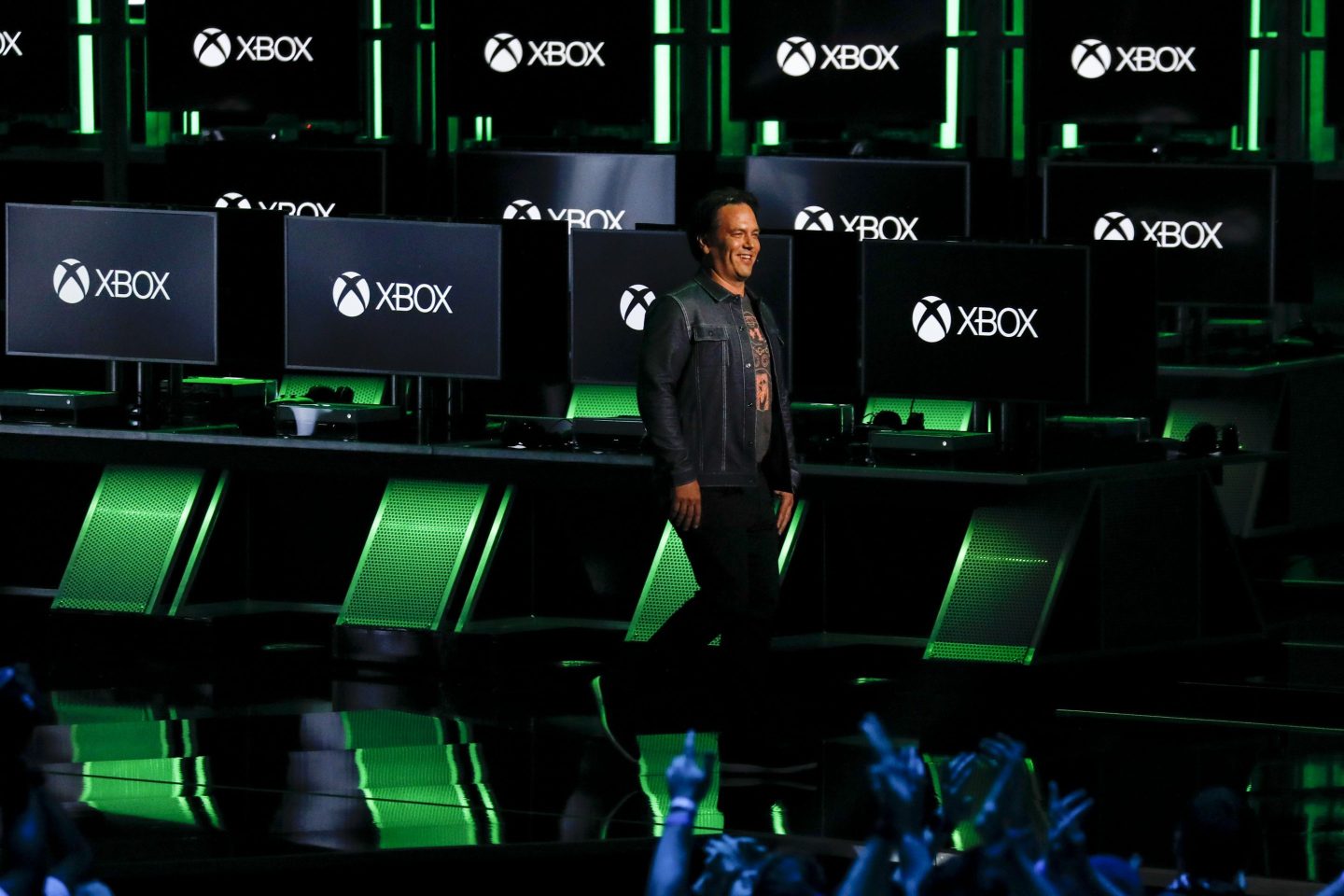
A big part of the problem is the games: Where Sony has delivered hit after hit with PlayStation-exclusive titles like God of War: Ragnarok and Horizon Forbidden West, Microsoft has struggled.
Sure, there have been bright spots like Forza Horizon 5 and the ongoing success of the Microsoft-owned Minecraft. But they’ve been overshadowed by failures like would-be blockbuster Halo Infinite, which saw its star fade quickly after a promising launch. More recently, Microsoft suffered the embarrassment of an outright hostile reception to big-budget Xbox-exclusive title Redfall.
And that’s not to mention that Microsoft has essentially no presence in smartphone gaming, apart from the ongoing success of Minecraft. But Microsoft would instantly become a power player in mobile gaming thanks to lucrative Activision Blizzard–published titles like Candy Crush Saga and Diablo Immortal.
Speaking of smartphones, Microsoft has also been investing heavily in its Game Pass subscription service, which allows users to stream a vast, and growing, selection of Xbox games to almost any device with a web browser, including PCs, phones, and tablets. Adding Activision Blizzard’s roster of games to that catalog would only boost that initiative, and thus Microsoft’s reach outside of the core console market.
Still, while the terms of Microsoft’s recent agreements with other platform holders means that you’ll be able to find Call of Duty elsewhere, you can expect that if the deal goes through, some future Activision Blizzard titles will only be available on Xbox.
In other words, successfully merging with Activision Blizzard would give Microsoft a shot of credibility in the video game market at a time when it could really use some, and ensure that it retains a stronghold in the games market despite its Xbox console woes. That, in turn, is important because of the quietly critical role that gaming plays in Microsoft’s bigger picture.
For Microsoft, gaming is no game
Even as the overall PC market continues to slump, Microsoft Windows remains the platform of choice for a large portion of serious gamers. Given Microsoft’s well-documented failures to build out a mobile operating system of its very own, that makes gamers a crucial constituency in the company’s quest to make sure that Windows stays relevant in a world increasingly dominated by Apple iOS and Google Android.
Buying Activision Blizzard is a signal to that market that Microsoft takes gaming seriously. It’s likely that under Microsoft’s stewardship, major games from the publisher will continue to launch on PC alongside consoles like Xbox, ensuring that the platform stays vibrant. It’s a pricey investment, and a painful one given the legal and regulatory hassles, but Microsoft has a vested interest in making sure gamers continue to choose Windows.
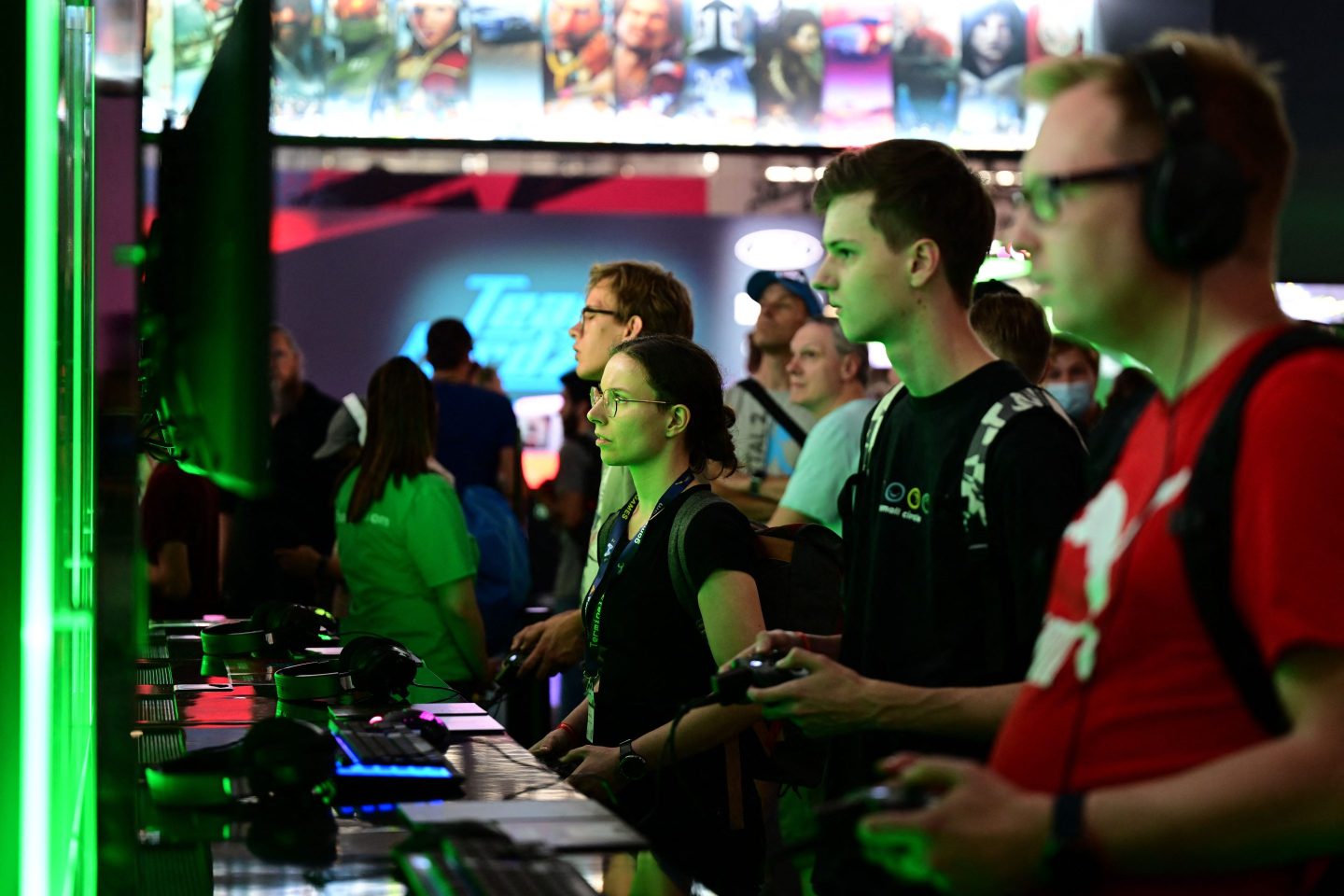
And the Windows business could use the help. Per that most recent earnings statement, Windows OEM revenue—the licensing fees paid by PC manufacturers to Microsoft to pre-install Windows on their machines—dipped 28%, contributing to an overall 9% dip in Microsoft’s More Personal Computing business segment to $13.3 billion. If Microsoft has any hope of turning things around, it likely lies in large part by moving Windows to tap into the gaming market, which PwC estimates will be worth some $321 billion by 2026.
There’s an old adage in the PC industry: People buy computers for productivity, but they upgrade for games. Gamers are generally more likely to buy software on their platform of choice, more likely to stick with that platform over the long term, and more likely to be highly engaged users.
In the medium term, Microsoft sees Windows as its gateway to services like the Microsoft 365 productivity suite, the Bing search engine, and the Edge browser. The more gamers tie themselves to Windows, the wider Microsoft’s funnel for those services becomes. In the longer run, Microsoft gets to build an important level of loyalty that may serve it well regardless of whatever comes next in tech.
There’s also a future-looking component to this investment. While even Meta’s Mark Zuckerberg seems to have backed down on the hype around the metaverse, it’s important to remember that Nadella, too, is a big booster of the concept. And while the fully realized virtual world predicted by books like Ready Player One is still far off, online video games like Fortnite or Roblox are the closest things available today.
In buying Activision Blizzard, Microsoft is also buying games like World of Warcraft—one of the first truly successful virtual worlds, which almost two decades into its existence still sees an estimated 2 million-plus players log in every month.
The game isn’t quite the business-focused metaverse that Nadella has previously espoused. But if Nadella wants to meet users—particularly younger users—where they’re at as they spend more time and money in virtual worlds, World of Warcraft and Activision Blizzard’s other properties are a good start.