The food we produce or harvest from the oceans, rivers, and lakes is at an inflection point. Fish has become one of the most traded commodities in the world. Aquaculture is the fastest-growing food industry. However, both sectors are rapidly approaching the limits of sustainability.
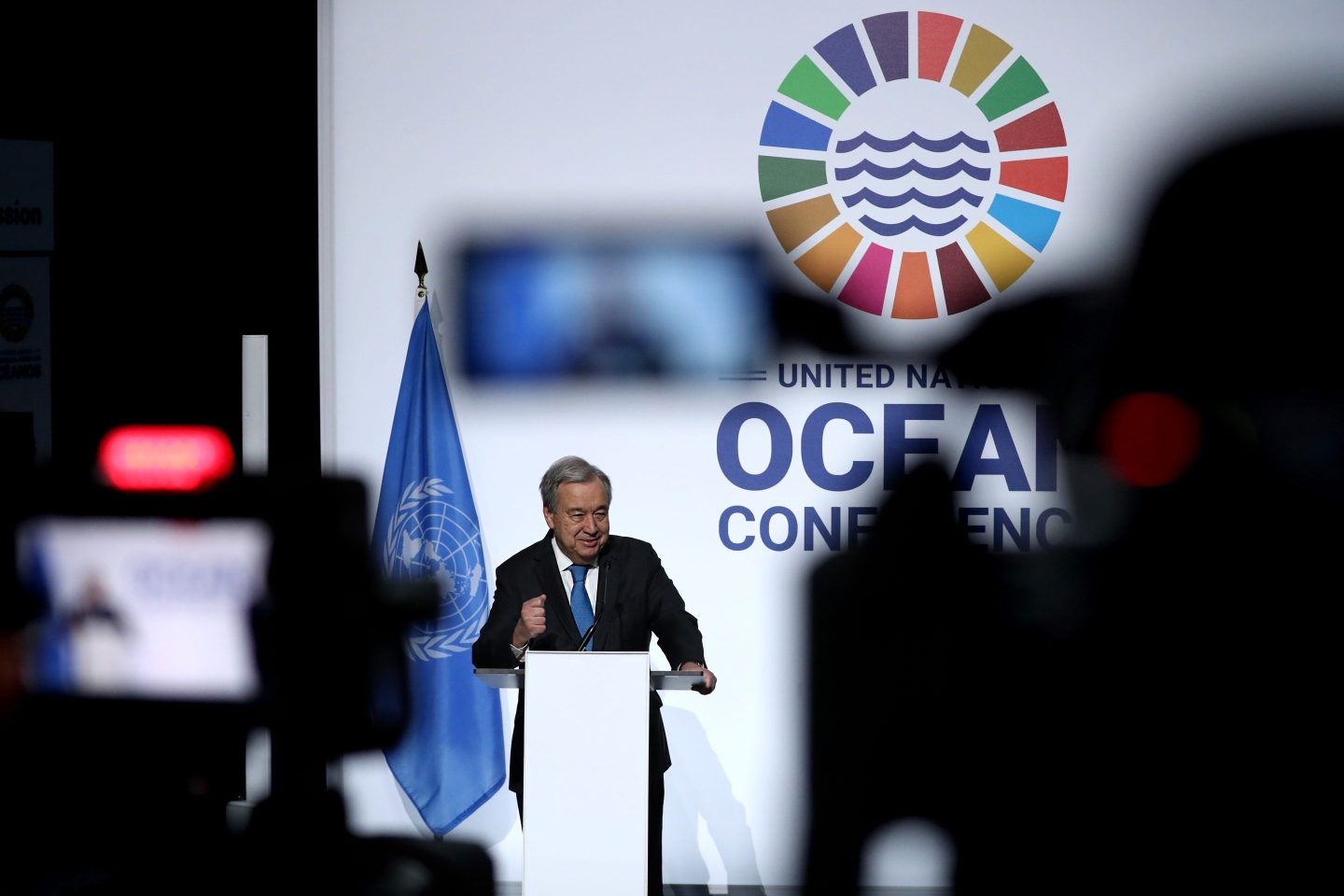
With the UN Ocean Conference getting underway this week in Lisbon after a string of global events focused on the blue economy, policymakers have a unique window of opportunity to consider an entirely different approach. Only by ambitiously entrenching the sustainability of blue foods across supply chains will the world be able to avoid the pitfalls of other agri-food sectors and enable more people to get the best out of blue foods, without exhausting these resources or degrading the environment.
While eco-certification has made an important contribution towards improving production standards in the Global North, governments and agencies worldwide must move beyond current metrics and challenge the entire sector to think more comprehensively about sustainability to include environmental, social, and economic dimensions.
Sustainability must start where supply chains do: with the producers and their needs. The 800 million men and women who depend on blue foods for their livelihoods are also the sector’s frontline workers and the stewards of marine and freshwater ecosystem health.
Current schemes exclude millions of small-scale producers who lack the means and resources to bear the high costs of certification and meet its stringent bar, but their absence undermines the sector at large and hinders progress towards true sustainability.
With more of the diverse actors in the blue food value chain–including women–able to participate more equitably, they will be incentivized and supported to create better outcomes for people and the environment.
Policymakers can support this positive transformation by implementing better protections for local rights and access, including those of indigenous communities, and inclusive policies. Public regulators can introduce standards to limit harmful subsidies that undermine the ability of blue food producers to adopt more sustainable practices.
Secondly, the long-term sustainability of the blue food sector hinges on increasing the diversity in supply to avoid the dangers of an over-reliance on shrimp, salmon, and tuna. Not only is a diverse supply chain critical for maximizing the potential for decent livelihoods and food security around the world, but it also unlocks a greater range of nutritional benefits from species like mollusks, seaweed, and small fish.
With more than 3,700 aquatic species all containing different levels of vitamins, minerals, and fatty acids, sustainably increasing and diversifying supply could prevent micronutrient deficiencies for a projected 166 million people.
Meanwhile, many blue foods outperform or compare to chicken in terms of environmental impact, with seaweeds and bivalves like mussels and oysters generating the lowest levels of greenhouse gas emissions.
Finally, policymakers must also consider how to ensure global and local markets for blue foods support the sustainable production, distribution, and availability of blue foods where they are most needed, including mechanisms such as school feeding programs and local trade networks.
With as much as 40% of fish traded internationally, coastal communities who depend on blue foods for their livelihoods and nutrition must be enabled to participate and benefit to ensure global markets are not taking nutrients from the mouths of the poor or degrading the ecosystems that are essential to their livelihoods.
It is also critical that small-scale actors can reap adequate economic benefits so that they can remain engaged and contribute to the sector. For example, investing in more opportunities for small-scale operations to also benefit from processing blue foods into higher-value products, which often attract a premium from global markets, will increase the livelihoods of local aquaculture value chains.
With the right policies, the most powerful players can be directed towards a new definition of sustainability: one that also allows small-scale producers, processors and traders, coastal and indigenous communities, and developing countries to benefit.
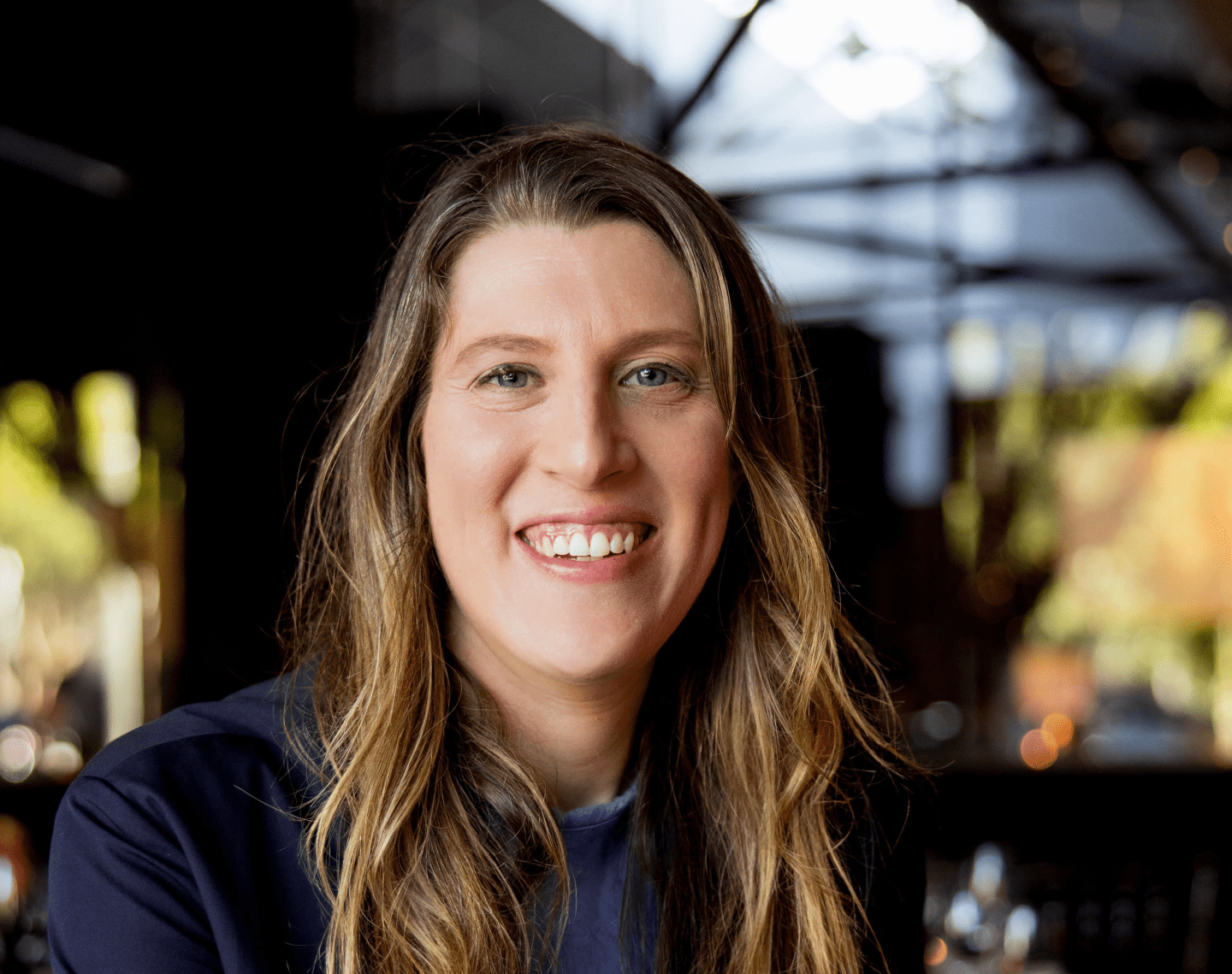
Fiorenza Micheli is the co-director of the Stanford Center for Ocean Solutions and Hopkins Marine Station and a member of the Blue Food Assessment initiative.
The opinions expressed in Fortune.com commentary pieces are solely the views of their authors and do not reflect the opinions and beliefs of Fortune.
More must-read commentary published by Fortune:
- Why a nurse’s recent homicide conviction could make America’s hospitals even less safe
- The plastic elephant in Amazon’s boardroom
- Overturning Roe v. Wade is more than just an assault on reproductive rights
- Career hoarding is on the rise—but it comes at a cost
- A recent case could undermine the rules that have been protecting taxpayer money from fraud since the time of Lincoln
Sign up for the Fortune Features email list so you don’t miss our biggest features, exclusive interviews, and investigations.