• Home
  • Latest
  • Fortune 500
  • Finance
  • Tech
  • Leadership
  • Lifestyle
  • Rankings
  • Multimedia
CommentaryMiddle East

The shadow fleet and illegal oil are still moving through the Strait of Hormuz

By
Charles Edward Gehrke
Down Arrow Button Icon
By
Charles Edward Gehrke
Down Arrow Button Icon
March 11, 2026, 5:27 PM ET
fleet
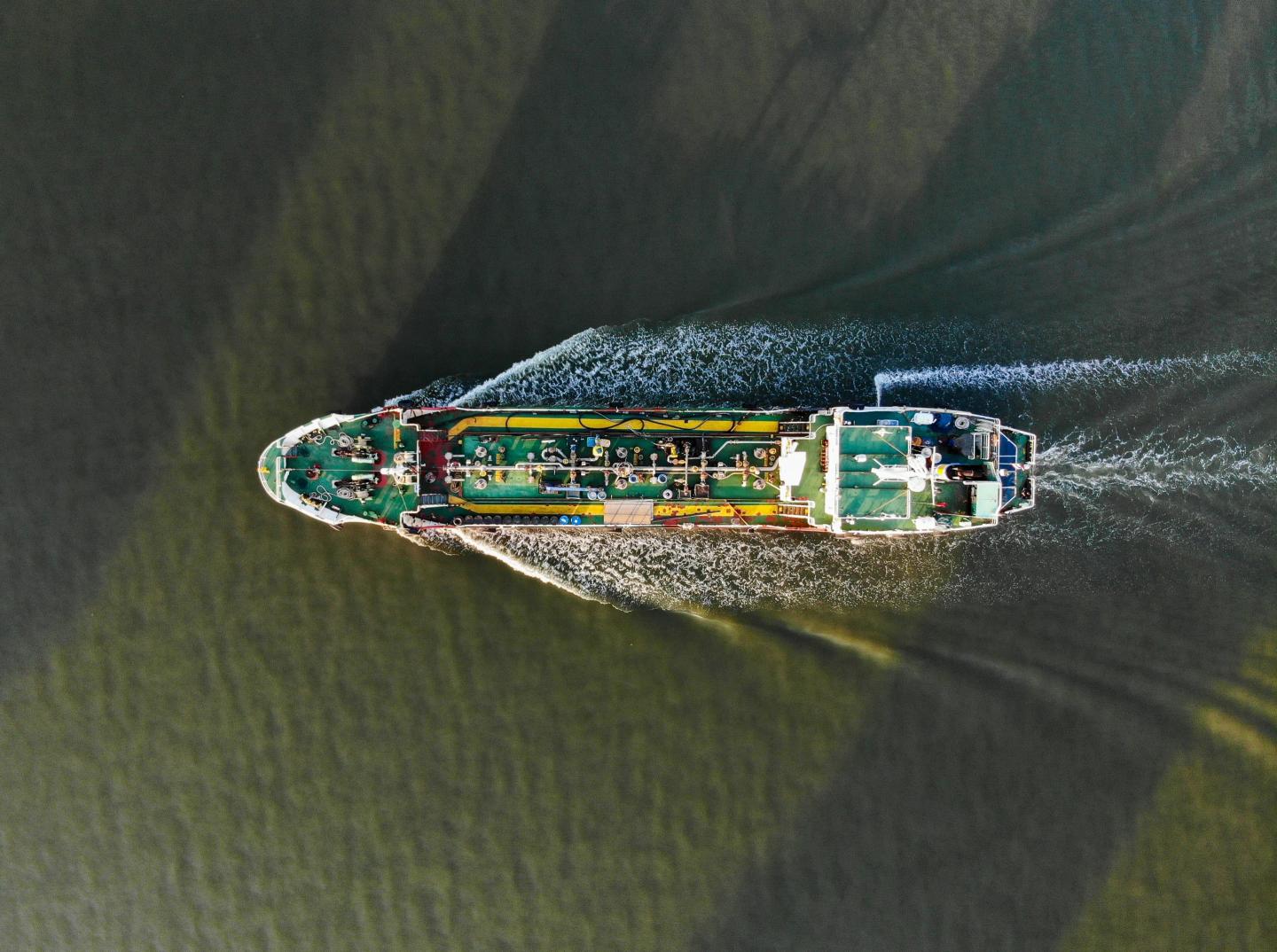
Oil tankers and gas tankers were affected by the closure of the Strait of Hormuz, leading to a global energy crisis stemming from the war in the Middle East.Aerial view

This morning, three vessels were struck attempting to transit the Strait of Hormuz. The Strait is effectively closed. Since the beginning of the conflict involving the United States, Israel and Iran on Feb. 28, 2026, oil tanker traffic through the world’s most critical oil shipping choke point has collapsed, dropping by more than 90%.

Recommended Video

Iran has threatened to destroy any ships, including oil tankers, that pass through the strait from the oil depots of the Persian Gulf to the Arabian Sea and the rest of the world. Companies that insure ships against the risks of traveling in war zones are deciding whether to issue coverage on an individual-ship basis. The international body that sets many shipping regulations has told ships’ crews that they have the right to refuse to sail into the area.

As of March 6, more than 400 tankers were stranded in the Persian Gulf, without permission from their owners to move.

But some vessels are still transiting the strait. Most of the ships still moving are those that operate outside the rules.

In maritime circles, these vessels are called the “shadow fleet.” They are vessels that ignore international restrictions on trade with certain countries, violate anti-pollution regulations, smuggle unauthorized goods or don’t want their cargo or activities too closely monitored.

They exist, even in a world filled with electronic tracking, because the world’s oceans aren’t governed the same way the land is. On land, armed personnel closely monitor carefully delineated borders, seeking to force everyone to follow clear rules. But at sea, regulation is almost the opposite. The system that governs international shipping is, at its foundation, voluntary.

The oceans run on trust

The tracking of ships is voluntary. The International Convention for the Safety of Life at Sea – signed by 167 countries – requires almost every commercial vessel to carry a radio transponder that broadcasts the ship’s identity, position, speed and heading to port authorities, coast guards and commercial tracking networks.

That international agreement, which is enforced by individual countries, requires ships to leave the transponders on and active. But there is no physical mechanism preventing a crew from switching it off or broadcasting a false position.

When a vessel turns off its transponder and goes dark, it doesn’t trigger an alarm at some global maritime headquarters. There is no such headquarters. The ship simply disappears from the map. Every map.

National jurisdiction is a matter of preference, not law. Every vessel sails under the flag of a nation, and that nation is theoretically responsible for regulating and inspecting it. But in practice, a ship’s registration in a particular country is a commercial transaction. Many law-abiding shipping companies make this business decision, but this system leaves an opening for those who seek to skirt the rules.

A ship owned by a shell company in the United Arab Emirates can register under the flag of Cameroon, Palau or Liberia, or any country that may lack the resources or the incentive to conduct real inspections. Even landlocked Mongolia has a registry of oceangoing ships flying its flag.

When a vessel comes under scrutiny from port inspectors or coast guards, it can simply reregister under a different flag. Some registries even offer online registration. If the new registration is fraudulent or the registry doesn’t actually exist, the vessel effectively becomes stateless.

Then there is insurance, which is the closest thing the maritime system has to a real enforcement mechanism. Mainstream insurers, mostly based in London, require vessels to meet safety standards, carry proper documentation and comply with international trade sanctions. A ship without insurance coverage cannot easily enter major ports or secure cargo contracts with reputable firms. Those restrictions are precisely what froze so many law-abiding ships in the Persian Gulf when war broke out.

But companies can avoid those rules, too. Two-thirds of ships carrying Russian oil – the trade of which is restricted by the U.S. and other countries – reportedly have “unknown” insurance providers, meaning nobody knows whom to call to cover the cleanup costs after a spill or collision. The enforcement mechanism works until ship owners realize they can just opt out of it entirely, using less reputable ports or transferring oil from ship to ship out at sea.

What opting out looks like

The results of this voluntary system can be surreal. In December 2025, the United States seized a sanctioned tanker called the Skipper, which was flying the flag of Guyana – even though that country had never registered it. The vessel was, in legal terms, stateless, sailing under the authority of no nation on Earth.

Another vessel, the Arcusat, went further. Investigative reporting found that it had changed its International Maritime Organization identification number, a unique seven-digit code assigned permanently to every ship. It is the maritime equivalent of scraping the VIN off a car.

Now layer these techniques together. An entity purchases an aging tanker that would otherwise be scrapped. It registers the ship through a shell company, pays for a flag of convenience, carries opaque insurance and switches off its transponder when approaching sensitive waters.

It loads sanctioned oil through a ship-to-ship transfer on the open ocean and delivers its cargo to a buyer who asks no questions. If the vessel attracts attention, it changes its name, reregisters under a different flag and starts over.

According to maritime intelligence firm Windward, approximately 1,100 dark fleet vessels have been identified globally, representing roughly 17% to 18% of all tankers carrying liquid cargo, which is primarily oil.

Why it matters now

The dark fleet did not emerge because the maritime system is broken. It emerged because the system is built on voluntary participation, all theoretically ensured by market forces.

For decades, the system worked not because it forced compliance but rather because opting out was more costly than opting in.

What changed is that international sanctions made compliance ruinously expensive and politically disastrous for some countries. A system built on voluntary participation, it turned out, could be voluntarily left.

If your national economy depends on oil exports, and the compliance system is preventing those exports, you build a parallel system. Iran began doing so in 2018, after sanctions were reimposed in the context of negotiations over its nuclear development. Russia dramatically expanded that system in 2022 as restrictions hit in the wake of its invasion of Ukraine.

Now, with the Strait of Hormuz effectively closed to aboveboard maritime trade, the only vessels still moving are the ones that ignore the rules.

But the existence of the dark fleet doesn’t mean that the rules of the sea have failed. Rather, it reveals what kind of rules they always were. In my view, if much of the oil that keeps moving in a crisis is illegal, that sends a message to those still playing by the rules: Opting out may be a viable option. Evidence that this is occurring is already mounting. Ships have been reported turning off their AIS to confuse tracking, and more companies may choose to follow the lead of Greek firm Dynacom, in running the strait despite the risks.

The opinions and views expressed are those of the author alone and do not necessarily represent those of the Department of the Navy or the U.S. Naval War College, nor do they necessarily reflect the opinions and beliefs of Fortune.

Join us at the Fortune Workplace Innovation Summit May 19–20, 2026, in Atlanta. The next era of workplace innovation is here—and the old playbook is being rewritten. At this exclusive, high-energy event, the world’s most innovative leaders will convene to explore how AI, humanity, and strategy converge to redefine, again, the future of work. Register now.
About the Author
By Charles Edward Gehrke
See full bioRight Arrow Button Icon

Latest in Commentary

Finance
Lorem ipsum dolor sit amet, consectetur adipiscing elit, sed do eiusmod tempor incididunt ut labore et dolore magna aliqua. Ut enim ad minim veniam
By Fortune Editors
October 20, 2025
Finance
Lorem ipsum dolor sit amet, consectetur adipiscing elit, sed do eiusmod tempor incididunt ut labore et dolore magna aliqua. Ut enim ad minim veniam
By Fortune Editors
October 20, 2025
Finance
Lorem ipsum dolor sit amet, consectetur adipiscing elit, sed do eiusmod tempor incididunt ut labore et dolore magna aliqua. Ut enim ad minim veniam
By Fortune Editors
October 20, 2025
Finance
Lorem ipsum dolor sit amet, consectetur adipiscing elit, sed do eiusmod tempor incididunt ut labore et dolore magna aliqua. Ut enim ad minim veniam
By Fortune Editors
October 20, 2025
Finance
Lorem ipsum dolor sit amet, consectetur adipiscing elit, sed do eiusmod tempor incididunt ut labore et dolore magna aliqua. Ut enim ad minim veniam
By Fortune Editors
October 20, 2025
Finance
Lorem ipsum dolor sit amet, consectetur adipiscing elit, sed do eiusmod tempor incididunt ut labore et dolore magna aliqua. Ut enim ad minim veniam
By Fortune Editors
October 20, 2025

Most Popular

Finance
Lorem ipsum dolor sit amet, consectetur adipiscing elit, sed do eiusmod tempor incididunt ut labore et dolore magna aliqua. Ut enim ad minim veniam
By Fortune Editors
October 20, 2025
Finance
Lorem ipsum dolor sit amet, consectetur adipiscing elit, sed do eiusmod tempor incididunt ut labore et dolore magna aliqua. Ut enim ad minim veniam
By Fortune Editors
October 20, 2025
Finance
Lorem ipsum dolor sit amet, consectetur adipiscing elit, sed do eiusmod tempor incididunt ut labore et dolore magna aliqua. Ut enim ad minim veniam
By Fortune Editors
October 20, 2025
Finance
Lorem ipsum dolor sit amet, consectetur adipiscing elit, sed do eiusmod tempor incididunt ut labore et dolore magna aliqua. Ut enim ad minim veniam
By Fortune Editors
October 20, 2025
Finance
Lorem ipsum dolor sit amet, consectetur adipiscing elit, sed do eiusmod tempor incididunt ut labore et dolore magna aliqua. Ut enim ad minim veniam
By Fortune Editors
October 20, 2025
Finance
Lorem ipsum dolor sit amet, consectetur adipiscing elit, sed do eiusmod tempor incididunt ut labore et dolore magna aliqua. Ut enim ad minim veniam
By Fortune Editors
October 20, 2025
Fortune Secondary Logo
Rankings
  • 100 Best Companies
  • Fortune 500
  • Global 500
  • Fortune 500 Europe
  • Most Powerful Women
  • World's Most Admired Companies
  • See All Rankings
  • Lists Calendar
Sections
  • Finance
  • Fortune Crypto
  • Features
  • Leadership
  • Health
  • Commentary
  • Success
  • Retail
  • Mpw
  • Tech
  • Lifestyle
  • CEO Initiative
  • Asia
  • Politics
  • Conferences
  • Europe
  • Newsletters
  • Personal Finance
  • Environment
  • Magazine
  • Education
Customer Support
  • Frequently Asked Questions
  • Customer Service Portal
  • Privacy Policy
  • Terms Of Use
  • Single Issues For Purchase
  • International Print
Commercial Services
  • Advertising
  • Fortune Brand Studio
  • Fortune Analytics
  • Fortune Conferences
  • Business Development
  • Group Subscriptions
About Us
  • About Us
  • Lists Calendar
  • Press Center
  • Work At Fortune
  • Terms And Conditions
  • Site Map
  • About Us
  • Lists Calendar
  • Press Center
  • Work At Fortune
  • Terms And Conditions
  • Site Map
  • Facebook icon
  • Twitter icon
  • LinkedIn icon
  • Instagram icon
  • Pinterest icon
Charles Edward Gehrke is Deputy Division Director of Wargame Design and Adjudication, US Naval War College.

Latest in Commentary

gas
CommentaryMiddle class
The $100 oil shock is hitting the middle class like a margin call
By Katica RoyApril 21, 2026
14 hours ago
trump
CommentarySocial Security
What happens if nothing is done to fix Social Security by 2032?
By Martha SheddenApril 21, 2026
16 hours ago
ternus
CommentaryApple
This Apple doesn’t fall far from the tree: Tim Cook is leaving at a peak and John Ternus is exactly the right CEO for the AI era
By Jeffrey Sonnenfeld and Steven TianApril 20, 2026
24 hours ago
trump
CommentaryZoom
The U.S. has a $282 billion trade surplus you’ve never heard of — and it’s at risk
By Josh KallmerApril 19, 2026
3 days ago
benioff
CommentarySalesforce
AI’s next act: how Salesforce is turning efficiency gains into revenue
By Keith Ferrazzi and Wendy SmithApril 18, 2026
4 days ago
trump
CommentaryWhite House
Trump has already endorsed the Monroe Doctrine. Now he needs to endorse the Truman Doctrine
By Robert HormatsApril 18, 2026
4 days ago

Most Popular

$166 billion in tariff refunds just became available, but small businesses may already be at a disadvantage
Law
$166 billion in tariff refunds just became available, but small businesses may already be at a disadvantage
By Sasha RogelbergApril 20, 2026
1 day ago
Jeff Bezos once gave Eva Longoria and the admiral behind Osama bin Laden's capture $100 million—but she says you don't need wealth to give back
Success
Jeff Bezos once gave Eva Longoria and the admiral behind Osama bin Laden's capture $100 million—but she says you don't need wealth to give back
By Orianna Rosa RoyleApril 21, 2026
18 hours ago
This talent CEO says laid-off tech workers are ignoring a $300K ‘white-collar trade job’ with 81K openings a year
Economy
This talent CEO says laid-off tech workers are ignoring a $300K ‘white-collar trade job’ with 81K openings a year
By Jake AngeloApril 20, 2026
1 day ago
Meet John Ternus, the 51-year-old former swimming champ who will succeed Tim Cook as Apple CEO
Big Tech
Meet John Ternus, the 51-year-old former swimming champ who will succeed Tim Cook as Apple CEO
By Dave Smith and Fortune EditorsApril 20, 2026
1 day ago
Thousands of CEOs admit AI had no impact on employment or productivity—and it has economists resurrecting a paradox from 40 years ago
AI
Thousands of CEOs admit AI had no impact on employment or productivity—and it has economists resurrecting a paradox from 40 years ago
By Sasha RogelbergApril 19, 2026
2 days ago
Current price of silver as of Monday, April 20, 2026
Personal Finance
Current price of silver as of Monday, April 20, 2026
By Joseph HostetlerApril 20, 2026
1 day ago

© 2026 Fortune Media IP Limited. All Rights Reserved. Use of this site constitutes acceptance of our Terms of Use and Privacy Policy | CA Notice at Collection and Privacy Notice | Do Not Sell/Share My Personal Information
FORTUNE is a trademark of Fortune Media IP Limited, registered in the U.S. and other countries. FORTUNE may receive compensation for some links to products and services on this website. Offers may be subject to change without notice.