• Home
  • Latest
  • Fortune 500
  • Finance
  • Tech
  • Leadership
  • Lifestyle
  • Rankings
  • Multimedia
CommentaryImmigration

Trump’s big change to the H-1B visa is a $100,000 hit to entrepreneurs, startups

By
Brian Hamilton
Brian Hamilton
Down Arrow Button Icon
By
Brian Hamilton
Brian Hamilton
Down Arrow Button Icon
September 24, 2025, 1:29 PM ET
Brian Hamilton is a nationally recognized entrepreneur and the chairman of LiveSwitch. He founded Sageworks (now Abrigo), the nation’s first fintech company, which has helped millions of small business owners understand their financial information. He is also the founder of Inmates to Entrepreneurs, the Brian Hamilton Foundation and Starter U, where he serves as the leading voice on the power of ownership to transform lives.
Trump
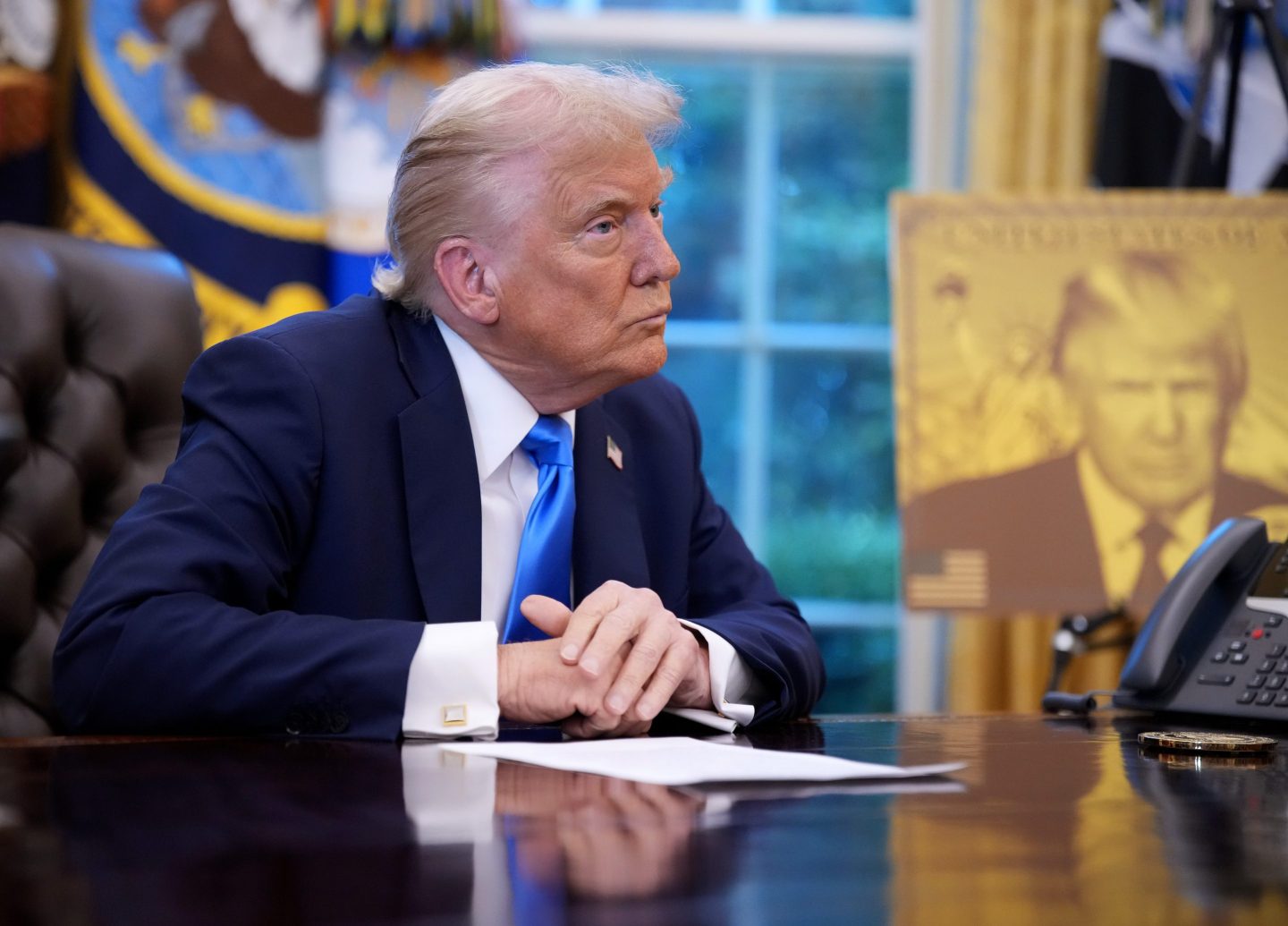
The H-1B visa change was a shock.Andrew Harnik/Getty Images

Here we go again. Another policy that lands hardest on the people least able to absorb it: entrepreneurs and small businesses. Last week, the President issued a proclamation requiring a $100,000 payment for each new H-1B visa petition. The intent is to protect American jobs. That’s a worthy goal, but if you subtract out politics and look at this from the ground level, the effect is devastating for smaller, fast-growing companies outside of major metro areas. 

Recommended Video

For Apple, Microsoft, or Google, $100,000 is peanuts. These companies already pay engineers $200,000 or $300,000 a year. Adding another $100,000 to bring on a skilled worker doesn’t move the needle for them. But if you’re running a small technology company in a city like Raleigh, Austin, Atlanta, or Denver, it’s a completely different story. The average salary for a software engineer in these places is closer to $130,000 to $150,000. Adding another $100,000 is like doubling the cost of an engineer. For a startup, that makes the H-1B untenable. It’s crippling. It’s the difference between hiring and not hiring. 

I’ve lived this so I can say with certainty that for smaller, entrepreneurial ventures, every dollar matters. One new tax, one new rule, one new fee could knock these smaller companies out. That’s the daily reality for small business owners all over the country.

This is why the H-1B proclamation will have unintended consequences. It doesn’t just make life harder for entrepreneurs. It tilts the playing field further in favor of the biggest companies. They can keep hiring. They can keep attracting the best global talent. 

And the irony is that small businesses are the real job creators. They are where new ideas come from. More than 60% of new jobs are created by small businesses, not large ones. They are the ones taking risks, building teams and creating opportunities in communities outside Silicon Valley. Here’s yet another example of a policy written as if the entire economy looks like San Francisco. It doesn’t.

There’s a simple fix here. Scale the fee based on company size or revenue. Let large companies pay the full amount. Let smaller companies pay less. That way, you discourage abuse of the visa system without shutting small businesses out of the talent pool. Because, at the end of the day, we want policies that protect American jobs, yes. But we also want policies that protect American entrepreneurs and American innovation, our most important strategic asset over the past 250 years. 

If we keep building walls that only the biggest can climb, we’ll get an economy dominated by a few giants. Less competition leads to less innovation. Entrepreneurs deserve better. And, if we want the next generation of great American companies to come not just from Silicon Valley but from Raleigh, Atlanta, or Austin, we don’t need even more policies that crush them before they even get off the ground.

The opinions expressed in Fortune.com commentary pieces are solely the views of their authors and do not necessarily reflect the opinions and beliefs of Fortune.

Join us at the Fortune Workplace Innovation Summit May 19–20, 2026, in Atlanta. The next era of workplace innovation is here—and the old playbook is being rewritten. At this exclusive, high-energy event, the world’s most innovative leaders will convene to explore how AI, humanity, and strategy converge to redefine, again, the future of work. Register now.
About the Author
By Brian Hamilton
See full bioRight Arrow Button Icon

Latest in Commentary

Julian Braithwaite is the Director General of the International Alliance for Responsible Drinking
CommentaryProductivity
Gen Z is drinking 20% less than Millennials. Productivity is rising. Coincidence? Not quite
By Julian BraithwaiteDecember 13, 2025
2 days ago
carbon
Commentaryclimate change
Banking on carbon markets 2.0: why financial institutions should engage with carbon credits
By Usha Rao-MonariDecember 13, 2025
2 days ago
Dr. Javier Cárdenas is the director of the Rockefeller Neuroscience Institute NeuroPerformance Innovation Center.
Commentaryconcussions
Fists, not football: There is no concussion protocol for domestic violence survivors
By Javier CárdenasDecember 12, 2025
3 days ago
Gary Locke is the former U.S. ambassador to China, U.S. secretary of commerce, and governor of Washington.
CommentaryChina
China is winning the biotech race. Patent reform is how we catch up
By Gary LockeDecember 12, 2025
3 days ago
millennial
CommentaryConsumer Spending
Meet the 2025 holiday white whale: the millennial dad spending $500+ per kid
By Phillip GoerickeDecember 12, 2025
3 days ago
Sarandos
CommentaryAntitrust
Netflix, Warner, Paramount and antitrust: Entertainment megadeal’s outcome must follow the evidence, not politics or fear of integration
By Satya MararDecember 12, 2025
3 days ago

Most Popular

placeholder alt text
Success
Apple cofounder Ronald Wayne sold his 10% stake for $800 in 1976—today it’d be worth up to $400 billion
By Preston ForeDecember 12, 2025
3 days ago
placeholder alt text
Success
40% of Stanford undergrads receive disability accommodations—but it’s become a college-wide phenomenon as Gen Z try to succeed in the current climate
By Preston ForeDecember 12, 2025
3 days ago
placeholder alt text
Economy
Tariffs are taxes and they were used to finance the federal government until the 1913 income tax. A top economist breaks it down
By Kent JonesDecember 12, 2025
3 days ago
placeholder alt text
Uncategorized
Transforming customer support through intelligent AI operations
By Lauren ChomiukNovember 26, 2025
18 days ago
placeholder alt text
Economy
More financially distressed farmers are expected to lose their property soon as loan repayments and incomes continue to falter
By Jason MaDecember 13, 2025
1 day ago
placeholder alt text
Energy
Everything the Trump administration is doing in Venezuela involves oil and regime change—even if the White House won’t admit it
By Jordan BlumDecember 14, 2025
16 hours ago
Rankings
  • 100 Best Companies
  • Fortune 500
  • Global 500
  • Fortune 500 Europe
  • Most Powerful Women
  • Future 50
  • World’s Most Admired Companies
  • See All Rankings
Sections
  • Finance
  • Leadership
  • Success
  • Tech
  • Asia
  • Europe
  • Environment
  • Fortune Crypto
  • Health
  • Retail
  • Lifestyle
  • Politics
  • Newsletters
  • Magazine
  • Features
  • Commentary
  • Mpw
  • CEO Initiative
  • Conferences
  • Personal Finance
  • Education
Customer Support
  • Frequently Asked Questions
  • Customer Service Portal
  • Privacy Policy
  • Terms Of Use
  • Single Issues For Purchase
  • International Print
Commercial Services
  • Advertising
  • Fortune Brand Studio
  • Fortune Analytics
  • Fortune Conferences
  • Business Development
About Us
  • About Us
  • Editorial Calendar
  • Press Center
  • Work At Fortune
  • Diversity And Inclusion
  • Terms And Conditions
  • Site Map

© 2025 Fortune Media IP Limited. All Rights Reserved. Use of this site constitutes acceptance of our Terms of Use and Privacy Policy | CA Notice at Collection and Privacy Notice | Do Not Sell/Share My Personal Information
FORTUNE is a trademark of Fortune Media IP Limited, registered in the U.S. and other countries. FORTUNE may receive compensation for some links to products and services on this website. Offers may be subject to change without notice.










