• Home
  • Latest
  • Fortune 500
  • Finance
  • Tech
  • Leadership
  • Lifestyle
  • Rankings
  • Multimedia
CommentaryTipping

I’m the chief growth officer at a payments app and I know how America really tips. Connecticut, I’m looking at you

By
Ricardo Cici
Ricardo Cici
Down Arrow Button Icon
By
Ricardo Cici
Ricardo Cici
Down Arrow Button Icon
February 8, 2026, 8:30 AM ET

Ricardo Cici is the Chief Growth Officer at JIM.com, CloudWalk’s payment app. He leads global growth initiatives across product-led growth, user acquisition, and performance marketing, and is a founder of Confere, a startup acquired by CloudWalk.

tipping
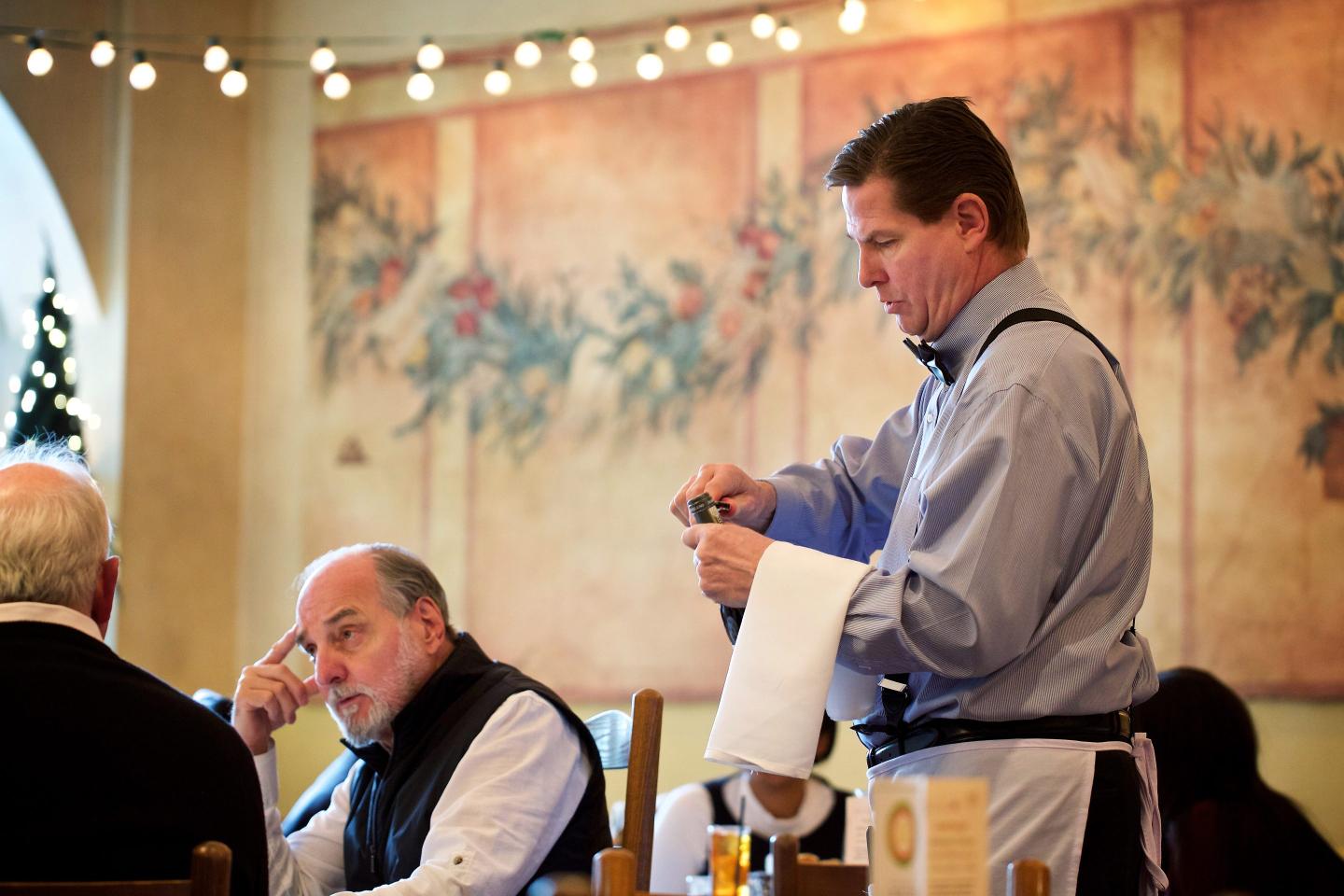
Americans are tipping differently.Deb Lindsey for The Washington Post via Getty Images

The common belief about tipping culture in America is that it’s out of control. Higher overall menu costs, rising mandatory service fees on food delivery apps, and the proliferation of tablet-based transactions mean tipping prompts now appear in situations where tipping was never the norm. As someone who works on the team running a payment platform processing thousands of payments daily, I can confirm that this belief is only half true, especially for small businesses. 

Recommended Video

Tipping fatigue is real, but it’s not preventing Americans from tipping altogether. Our 2025 analysis of 89,068 verified tipping transactions, across all 50 states, shows that Americans are more selective than ever about when and how much to tip. 

Hate the prompt, not the practice

The average tip percentage is 15.46%, with everyday categories such as restaurants, fast food, and transportation clustering between 14% and 16%. Meanwhile, relationship-driven services consistently earn higher percentages. Barbering and beauty services average 17%, for example, while miscellaneous personal services, such as handymen, pet care, and tattoo/piercing services, hit 18.3%.

But look at the dollar amounts, not just the percentages, and you’ll see tipping’s economic footprint is actually expanding. The average tip is now $12.44, but specialty services like automotive repair routinely see tips exceeding $20 per interaction. What appears to be fatigue is actually differentiation. High-quality experiences are being rewarded with higher gratuity. 

Small and micro-sized businesses should carefully consider how they prompt customers to tip during the checkout experience. The tip fatigue rage you often see online isn’t about the internal battle of whether it’s best to tip your restaurant server 15% or 20%. It’s about the self-checkout screen at the ice cream stand that defaults to 20% on a $5 purchase. Or the coffee shop when the barista asks for gratuity before you’ve taken your first sip. Every additional prompt erodes the entire practice’s legitimacy in customers’ minds. The fatigue comes from being asked for gratuity in situations where it feels unearned or unnecessary.

Generosity vs. economic reality

Our tipping analysis also highlights the difference in tipping trends across the nation. South Carolina leads the nation with an average tip rate of 20.71%, the only state to exceed 20%. Wisconsin measures at 19.15%, followed by Connecticut at 18.43%. Yet these percentages tell only part of the story. 

Connecticut tips average $13.06 in actual dollars, the highest in the nation. Pennsylvania customers pay $12.34 despite a lower 15.26% rate because their total bills are higher.

Narrow in on service categories, and you’ll see the real divergence. Relationship-driven services where customers know their provider’s name, like hairdressers or massage therapists, consistently earn a higher tip percentage. Barbers and beauticians average 17% while massage parlors hit 18.3%. People reward personal care and repeat relationships differently than they reward generic checkout prompts.

This split reveals a fundamental point: tip percentage reflects generosity, but tip value reflects larger economic realities. The Northeast corridor of the country generates the most revenue for service workers, even though these customers aren’t the most “generous” by percentage. A New York customer tipping 13.7% still leaves $10.04. That’s more cash than the 20.71% tipper in South Carolina who leave $9.54.

The hidden transfer of dollars

The biggest change is happening in categories that historically didn’t involve gratuity, like auto repair, specialized personal services, and transportation beyond rideshare. These higher-cost categories are absorbing tipping culture. The economic footprint is expanding even as the percentage rates hold steady.

This creates new questions for business leaders about pricing, wage design, and customer experience. If tipping is spreading beyond traditional hospitality, how should businesses structure compensation? When does a gratuity become expected rather than optional? What happens to wage transparency as more industries adopt tip-dependent compensation?

For micro-businesses and solo entrepreneurs, this shift is particularly significant. A mobile beautician earning 15% tips on $80 haircuts makes more per transaction than a restaurant server earning 20% on $50 checks. A higher average ticket size fundamentally changes the economics, even if the percentage increase is only slight.

At JIM, we built our payment platform specifically for these underserved micro-business operators who need simple, affordable ways to get paid. We’ve watched this two-speed economy emerge firsthand. The partners succeeding are building authentic customer relationships worth tipping for.

Why all business owners should lean into service first

If you run a service business, stop obsessing over your tip percentages and start asking whether you’re building the kind of relationship customers want to reward with a tip in the first place. Generic transactions get generic tips. Personal service earns premium gratuity.

Consider removing tipping prompts from transactional moments. That self-checkout screen might generate short-term revenue, but it’s poisoning the well for businesses where tipping genuinely reflects service quality. If you can’t articulate why a service justifies a tip, don’t ask for one.

For higher-ticket services entering tipping culture for the first time, build compensation models that don’t rely entirely on customer discretion. Gratuity should reward exceptional service, not subsidize inadequate base wages. Customers will tip more generously when they trust that the economics are fair.

Finally, if you accept tips, invest in technologies or platforms that help you get your money faster. The smallest operators can’t afford to wait days for payment settlement. They need access to their earnings immediately to reinvest, pay suppliers, and cover expenses. This operational reality matters as much as the tip percentage itself.

The tipping culture in America is becoming more selective, and businesses that understand the distinction will thrive in 2026 and beyond.

The opinions expressed in Fortune.com commentary pieces are solely the views of their authors and do not necessarily reflect the opinions and beliefs of Fortune.

Join us at the Fortune Workplace Innovation Summit May 19–20, 2026, in Atlanta. The next era of workplace innovation is here—and the old playbook is being rewritten. At this exclusive, high-energy event, the world’s most innovative leaders will convene to explore how AI, humanity, and strategy converge to redefine, again, the future of work. Register now.
About the Author
By Ricardo Cici
See full bioRight Arrow Button Icon

Latest in Commentary

Finance
Lorem ipsum dolor sit amet, consectetur adipiscing elit, sed do eiusmod tempor incididunt ut labore et dolore magna aliqua. Ut enim ad minim veniam
By Fortune Editors
October 20, 2025
Finance
Lorem ipsum dolor sit amet, consectetur adipiscing elit, sed do eiusmod tempor incididunt ut labore et dolore magna aliqua. Ut enim ad minim veniam
By Fortune Editors
October 20, 2025
Finance
Lorem ipsum dolor sit amet, consectetur adipiscing elit, sed do eiusmod tempor incididunt ut labore et dolore magna aliqua. Ut enim ad minim veniam
By Fortune Editors
October 20, 2025
Finance
Lorem ipsum dolor sit amet, consectetur adipiscing elit, sed do eiusmod tempor incididunt ut labore et dolore magna aliqua. Ut enim ad minim veniam
By Fortune Editors
October 20, 2025
Finance
Lorem ipsum dolor sit amet, consectetur adipiscing elit, sed do eiusmod tempor incididunt ut labore et dolore magna aliqua. Ut enim ad minim veniam
By Fortune Editors
October 20, 2025
Finance
Lorem ipsum dolor sit amet, consectetur adipiscing elit, sed do eiusmod tempor incididunt ut labore et dolore magna aliqua. Ut enim ad minim veniam
By Fortune Editors
October 20, 2025

Most Popular

Finance
Lorem ipsum dolor sit amet, consectetur adipiscing elit, sed do eiusmod tempor incididunt ut labore et dolore magna aliqua. Ut enim ad minim veniam
By Fortune Editors
October 20, 2025
Finance
Lorem ipsum dolor sit amet, consectetur adipiscing elit, sed do eiusmod tempor incididunt ut labore et dolore magna aliqua. Ut enim ad minim veniam
By Fortune Editors
October 20, 2025
Finance
Lorem ipsum dolor sit amet, consectetur adipiscing elit, sed do eiusmod tempor incididunt ut labore et dolore magna aliqua. Ut enim ad minim veniam
By Fortune Editors
October 20, 2025
Finance
Lorem ipsum dolor sit amet, consectetur adipiscing elit, sed do eiusmod tempor incididunt ut labore et dolore magna aliqua. Ut enim ad minim veniam
By Fortune Editors
October 20, 2025
Finance
Lorem ipsum dolor sit amet, consectetur adipiscing elit, sed do eiusmod tempor incididunt ut labore et dolore magna aliqua. Ut enim ad minim veniam
By Fortune Editors
October 20, 2025
Finance
Lorem ipsum dolor sit amet, consectetur adipiscing elit, sed do eiusmod tempor incididunt ut labore et dolore magna aliqua. Ut enim ad minim veniam
By Fortune Editors
October 20, 2025
Fortune Secondary Logo
Rankings
  • 100 Best Companies
  • Fortune 500
  • Global 500
  • Fortune 500 Europe
  • Most Powerful Women
  • World's Most Admired Companies
  • See All Rankings
  • Lists Calendar
Sections
  • Finance
  • Fortune Crypto
  • Features
  • Leadership
  • Health
  • Commentary
  • Success
  • Retail
  • Mpw
  • Tech
  • Lifestyle
  • CEO Initiative
  • Asia
  • Politics
  • Conferences
  • Europe
  • Newsletters
  • Personal Finance
  • Environment
  • Magazine
  • Education
Customer Support
  • Frequently Asked Questions
  • Customer Service Portal
  • Privacy Policy
  • Terms Of Use
  • Single Issues For Purchase
  • International Print
Commercial Services
  • Advertising
  • Fortune Brand Studio
  • Fortune Analytics
  • Fortune Conferences
  • Business Development
  • Group Subscriptions
About Us
  • About Us
  • Lists Calendar
  • Press Center
  • Work At Fortune
  • Terms And Conditions
  • Site Map
  • About Us
  • Lists Calendar
  • Press Center
  • Work At Fortune
  • Terms And Conditions
  • Site Map
  • Facebook icon
  • Twitter icon
  • LinkedIn icon
  • Instagram icon
  • Pinterest icon

Latest in Commentary

one piece
CommentaryPersonal Finance
Gen Z is doing (almost) everything right with money—and still getting burned
By Beth KoblinerApril 22, 2026
30 minutes ago
beard
CommentaryEducation
Yale asked the right question. Now the rest of higher education owes an answer
By Steve BeardApril 22, 2026
60 minutes ago
trump
Commentarynational debt
America’s national debt is heading to 175% of GDP. Here’s why no president—including Trump—has the will to stop it
By Steve H. Hanke and David M. WalkerApril 22, 2026
1 hour ago
edelman
CommentaryHealth
70% of people believe at least one divisive health claim. Science needs a new playbook
By Richard EdelmanApril 22, 2026
2 hours ago
gas
CommentaryMiddle class
The $100 oil shock is hitting the middle class like a margin call
By Katica RoyApril 21, 2026
1 day ago
trump
CommentarySocial Security
What happens if nothing is done to fix Social Security by 2032?
By Martha SheddenApril 21, 2026
1 day ago

Most Popular

$166 billion in tariff refunds just became available, but small businesses may already be at a disadvantage
Law
$166 billion in tariff refunds just became available, but small businesses may already be at a disadvantage
By Sasha RogelbergApril 20, 2026
2 days ago
Jeff Bezos once gave Eva Longoria and the admiral behind Osama bin Laden's capture $100 million—but she says you don't need wealth to give back
Success
Jeff Bezos once gave Eva Longoria and the admiral behind Osama bin Laden's capture $100 million—but she says you don't need wealth to give back
By Orianna Rosa RoyleApril 21, 2026
1 day ago
'Something sinister could be happening': FBI looks into dead or missing nuclear and space defense scientists tied to NASA, Blue Origin, and SpaceX
Politics
'Something sinister could be happening': FBI looks into dead or missing nuclear and space defense scientists tied to NASA, Blue Origin, and SpaceX
By Catherina GioinoApril 21, 2026
17 hours ago
The tables have turned: Florida and Texas are the biggest losers in the housing market as Ohio emerges a surprise winner
Real Estate
The tables have turned: Florida and Texas are the biggest losers in the housing market as Ohio emerges a surprise winner
By Sydney LakeApril 21, 2026
18 hours ago
Tim Cook's exit is part of a CEO reckoning sweeping Corporate America
Newsletters
Tim Cook's exit is part of a CEO reckoning sweeping Corporate America
By Diane BradyApril 21, 2026
1 day ago
John Ternus, the man stepping into Tim Cook and Steve Jobs' shoes, is a 25-year Apple veteran with zero LinkedIn posts
C-Suite
John Ternus, the man stepping into Tim Cook and Steve Jobs' shoes, is a 25-year Apple veteran with zero LinkedIn posts
By Kelvin Chan and The Associated PressApril 21, 2026
20 hours ago

© 2026 Fortune Media IP Limited. All Rights Reserved. Use of this site constitutes acceptance of our Terms of Use and Privacy Policy | CA Notice at Collection and Privacy Notice | Do Not Sell/Share My Personal Information
FORTUNE is a trademark of Fortune Media IP Limited, registered in the U.S. and other countries. FORTUNE may receive compensation for some links to products and services on this website. Offers may be subject to change without notice.