
• Home
  • News
  • Fortune 500
  • Tech
  • Finance
  • Leadership
  • Lifestyle
  • Rankings
  • Multimedia
LeadershipRecession

What CEOs can learn from the 2008 financial crisis as another recession looms

Paolo Confino
By
Paolo Confino
Paolo Confino
Reporter
Down Arrow Button Icon
Paolo Confino
By
Paolo Confino
Paolo Confino
Reporter
Down Arrow Button Icon
July 25, 2022, 7:00 AM ET
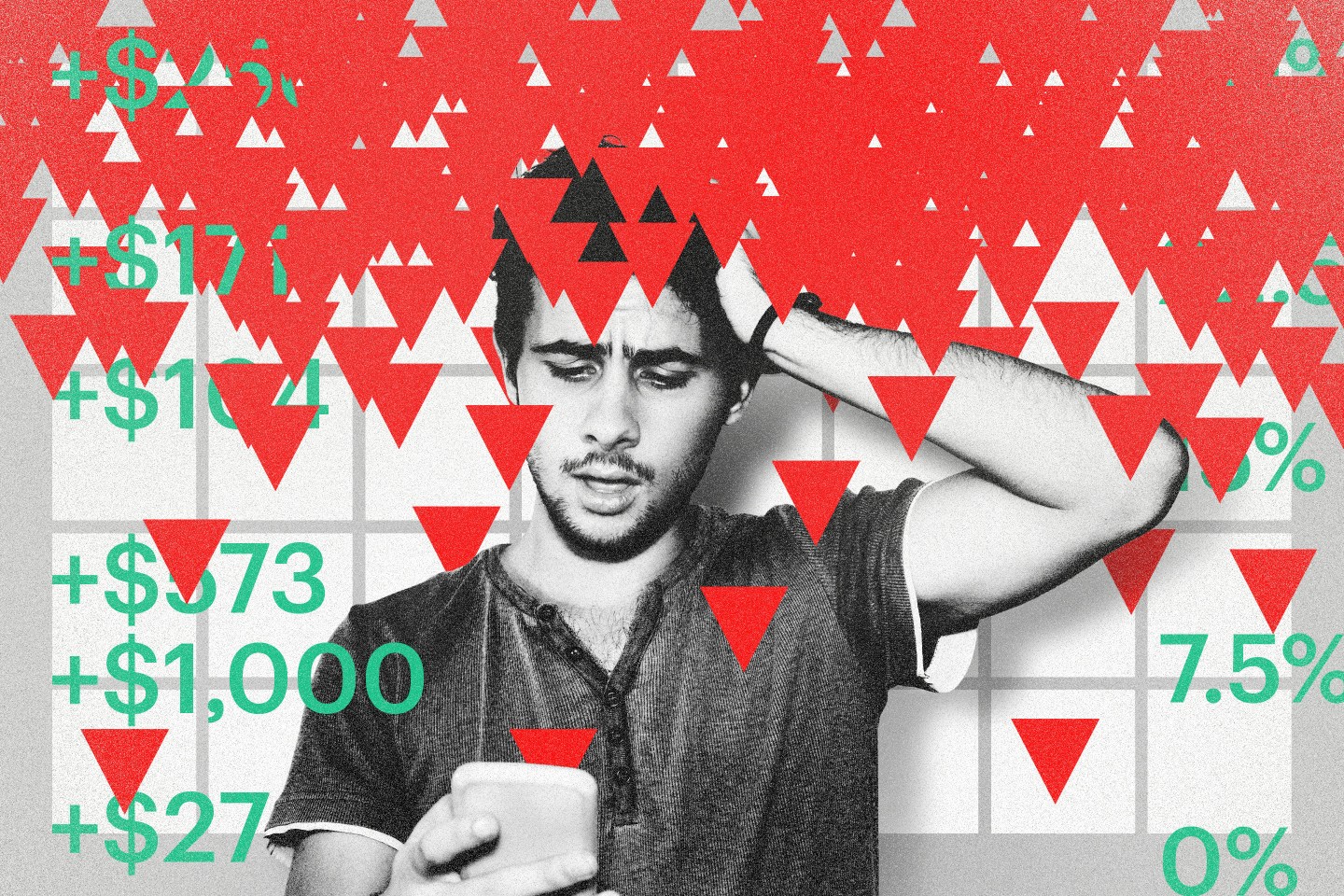
man seen from behind looking at several down facing arrows
CEOs can look to 2008 for lessons on navigating the challenges of an economic downturn—and how to prepare for one. Photo illustration by Fortune; Original photo by Getty Images

The 2008 financial crisis rocked the global economy, sending the U.S. housing and stock market on a downward spiral, and wiping out nearly 9 million jobs. With economists predicting another recession, CEOs can look to 2008 for lessons on navigating the myriad business challenges of an economic downturn—and how to prepare for one. 

“A recession is a recession is a recession,” says Raj Sharma, vice chair of consulting at EY Americas. But there are stark differences between 2008 and the potential oncoming recession. During the Great Recession in 2008, companies struggled to remain liquid as the stock and housing market crashed. This time around, three distinct factors characterize the looming recession: pandemic-driven supply chain disruptions, an energy crisis begot by the war in Ukraine, and inflation. 

“You’re getting prepared a lot easier if you have access to and appreciation for those underlying economic factors,” Sharma says. “That leads to the cure.”

Already, companies are using the vast amount of data available to them to monitor their inventory levels and better identify potential bottlenecks in their supply chain. They’re also scrutinzing their balance sheets to ensure they have enough of a cushion to absorb “negative shocks” from oil and gas price spikes; namely, increased operating costs. And they’re incorporating rising inflation into how they price their goods and services, and assessing its impact on their employment costs, primarily labor.

Another defining characteristic of the incoming recession, in contrast to 2008, ispent-up demandfrom pandemic-weary consumers. High spending may continue well into the earlier stages of the next economic downturn, according to Amit Seru, a professor at the Stanford Graduate School of Business. 

But while deferred consumer spending could offer companies a smoother entry into the recession, consumers will eventually reduce spending, which could extend the economic downturn, says Seru.

Also of note, American households are not carrying as much debt compared to 2008 so they’ll likely be more insulated from the drastic savings losses seen in 2007 when the housing market crashed. In theory, this means that while belts will tighten, they will only tighten a notch or two.  

CEOs must be aware of consumer spending habits in order to properly evaluate the level of demand for their products and services. Firms will need cash on hand to ride out a potential recession once consumption inevitably contracts.  “Plan accordingly,” Seru says.

Corporate leaders should also reevaluate their firm’s capital expenditure plan, which includes long-term investments and expenses. But Sharma warns that companies shouldn’t sacrifice strategic initiatives meant to future-proof their business in an effort to cut costs in the short-term. 

“If you continue to cut down your spending on the transformation agenda and the technology agenda, you won’t be able to deal with the future of the workforce, the ability to have remote work, and ability to have new products [in the marketplace],” he says. “So even if you come out of the recession, you will have a very different issue to deal with.”

Continuing to invest in technology and talent management can help companies stay on track to achieve long term objectives they may already have in place without sacrificing productivity.

Firms have far more data at their fingertips than they did in 2008, providing them with real-time information and insight across the supply chain pipeline, for instance, such as procurement, warehousing, and demand planning. 

On the talent front, the biggest lesson from the 2008 recession is to avoid “mass scale layoffs” because because they carry higher costs in the long-term, including lower employee morale and engagement, compared to the short-term savings of a diminished payroll.

While companies have announced layoffs and hiring freezes in recent months, those that explore other options and avoid indiscriminate personnel cuts ​​will not only fare better once the recession eases but are more likely to have a more engaged workforce during a period of economic distress. 

“All these factors were applicable in 2008,” Sharma says. Firms that properly assessed which elements of their strategic roadmap were imperative to long-term health emerged from the last financial crisis “much stronger, came out of it much leaner, and had a trajectory and record growth rates for the next 13 to 14 years.” 

Sign up for the Fortune Features email list so you don’t miss our biggest features, exclusive interviews, and investigations.

About the Author
Paolo Confino
By Paolo ConfinoReporter

Paolo Confino is a former reporter on Fortune’s global news desk where he covers each day’s most important stories.

See full bioRight Arrow Button Icon

Latest in Leadership

SuccessThe Promotion Playbook
L’Oreal CHRO cut her teeth at luxury brands Chanel and Kiehl’s—like Walmart’s CEO she says the secret to her success was always saying yes
By Orianna Rosa RoyleDecember 3, 2025
19 minutes ago
Michael Dell, chairman and chief executive officer of Dell Inc., from left, his wife Susan Dell, and US President Donald Trump during an announcement on "Trump Accounts" for children in the Roosevelt Room of the White House in Washington, DC, US, on Tuesday, Dec. 2, 2025.
NewslettersCEO Daily
Michael Dell, who’s donating $6.25 billion to ‘Trump Accounts’ for kids, says a childhood savings account changed his life
By Diane BradyDecember 3, 2025
4 hours ago
CryptoCryptocurrency
Binance names cofounder Yi He as new co-CEO
By Jeff John RobertsDecember 3, 2025
9 hours ago
Anthropic cofounder and CEO Dario Amodei
AIEye on AI
How Anthropic’s safety first approach won over big business—and how its own engineers are using its Claude AI
By Jeremy KahnDecember 2, 2025
19 hours ago
Workplace CultureSports
Exclusive: Billionaire Michele Kang launches $25 million U.S. Soccer institute that promises to transform the future of women’s sports
By Emma HinchliffeDecember 2, 2025
20 hours ago
Man on private jet
SuccessWealth
CEO of $5.6 billion Swiss bank says country is still the ‘No. 1 location’ for wealth after voters reject a tax on the ultrarich
By Jessica CoacciDecember 2, 2025
22 hours ago

Most Popular

placeholder alt text
Economy
Ford workers told their CEO 'none of the young people want to work here.' So Jim Farley took a page out of the founder's playbook
By Sasha RogelbergNovember 28, 2025
5 days ago
placeholder alt text
North America
Jeff Bezos and Lauren Sánchez Bezos commit $102.5 million to organizations combating homelessness across the U.S.: ‘This is just the beginning’
By Sydney LakeDecember 2, 2025
23 hours ago
placeholder alt text
Success
Warren Buffett used to give his family $10,000 each at Christmas—but when he saw how fast they were spending it, he started buying them shares instead
By Eleanor PringleDecember 2, 2025
1 day ago
placeholder alt text
Economy
Elon Musk says he warned Trump against tariffs, which U.S. manufacturers blame for a turn to more offshoring and diminishing American factory jobs
By Sasha RogelbergDecember 2, 2025
22 hours ago
placeholder alt text
C-Suite
MacKenzie Scott's $19 billion donations have turned philanthropy on its head—why her style of giving actually works
By Sydney LakeDecember 2, 2025
1 day ago
placeholder alt text
North America
Anonymous $50 million donation helps cover the next 50 years of tuition for medical lab science students at University of Washington
By The Associated PressDecember 2, 2025
1 day ago
Rankings
  • 100 Best Companies
  • Fortune 500
  • Global 500
  • Fortune 500 Europe
  • Most Powerful Women
  • Future 50
  • World’s Most Admired Companies
  • See All Rankings
Sections
  • Finance
  • Leadership
  • Success
  • Tech
  • Asia
  • Europe
  • Environment
  • Fortune Crypto
  • Health
  • Retail
  • Lifestyle
  • Politics
  • Newsletters
  • Magazine
  • Features
  • Commentary
  • Mpw
  • CEO Initiative
  • Conferences
  • Personal Finance
  • Education
Customer Support
  • Frequently Asked Questions
  • Customer Service Portal
  • Privacy Policy
  • Terms Of Use
  • Single Issues For Purchase
  • International Print
Commercial Services
  • Advertising
  • Fortune Brand Studio
  • Fortune Analytics
  • Fortune Conferences
  • Business Development
About Us
  • About Us
  • Editorial Calendar
  • Press Center
  • Work At Fortune
  • Diversity And Inclusion
  • Terms And Conditions
  • Site Map

© 2025 Fortune Media IP Limited. All Rights Reserved. Use of this site constitutes acceptance of our Terms of Use and Privacy Policy | CA Notice at Collection and Privacy Notice | Do Not Sell/Share My Personal Information
FORTUNE is a trademark of Fortune Media IP Limited, registered in the U.S. and other countries. FORTUNE may receive compensation for some links to products and services on this website. Offers may be subject to change without notice.