The rising cost of the weekly trip to the grocery store, which just hit a 40-year high in the U.S., does not start and end at the supermarket.
Global food supply chains are only as resilient as the 500 million smallholder farmers who produce up to 70% of the world’s food and $1.5 trillion worth of major commodities like cocoa and coffee.
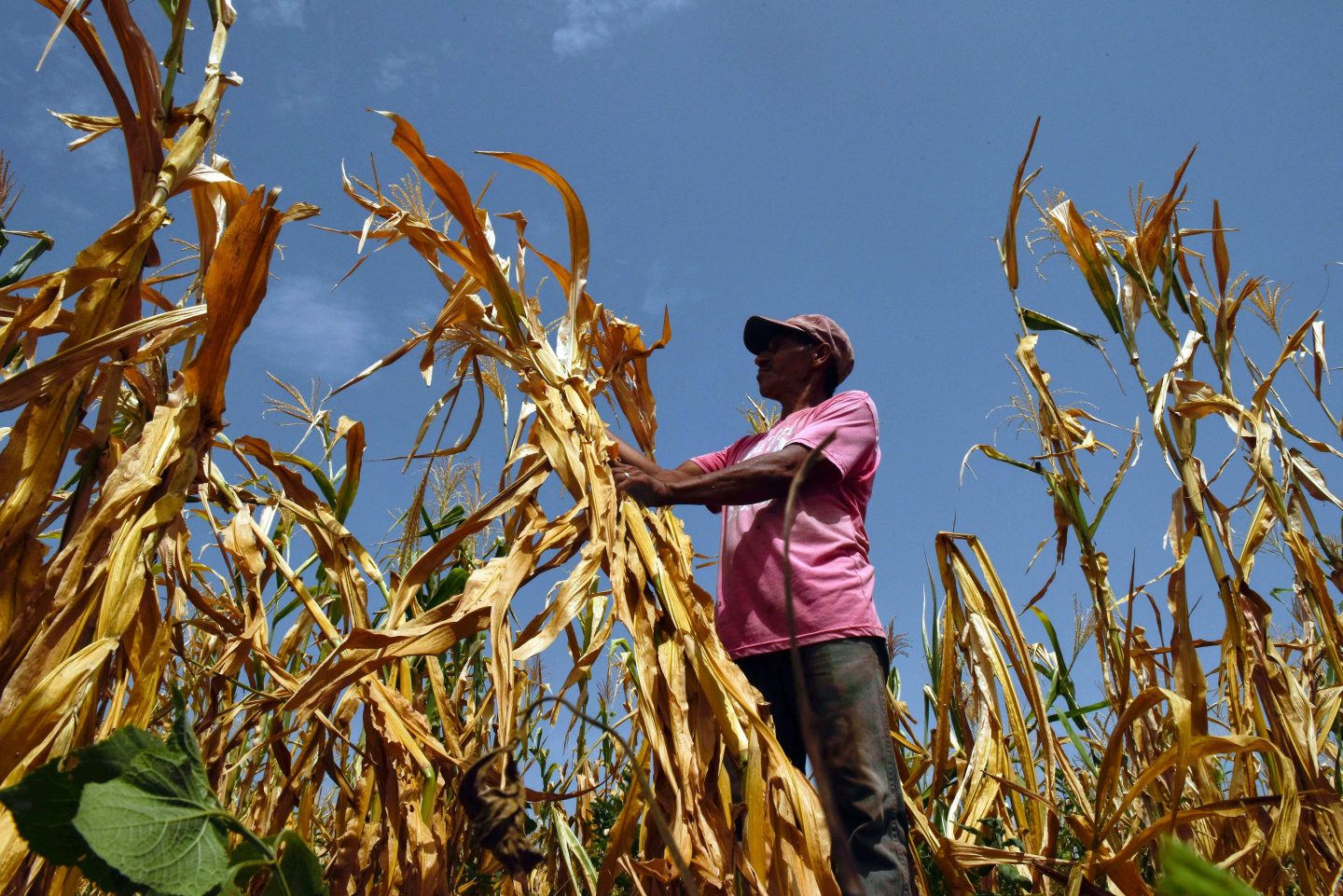
Smallholders are having to contend with the pandemic and the ripple effects of the ongoing conflict in Ukraine. They are also facing the most direct consequences of climate change. In the past 50 years, climate change has lowered global agricultural productivity by an estimated 21%, and by up to 34% in Africa and Latin America.
For companies to de-risk supply chains, reduce volatility in food prices, and achieve the ambitious livelihood and sustainability goals many have set, they must invest in smallholder resilience strategies that successfully reduce climate vulnerability in the long term.
The good news is that regenerative agriculture–farming practices that help restore ecosystems and reduce carbon emissions–can shore up smallholders against shocks and stresses, enabling them to continue and grow their operations and livelihoods.
These methods must make business sense to the farmer. Too often, public and private sector projects intended to address environmental issues depend on farmers radically changing their practices with no clear payoff or safety net. These farmers live on thin margins and need quick, tangible economic benefits in order to adopt a new approach.
For example, Nespresso, in partnership with TechnoServe, helps train thousands of coffee farmers in Kenya and Ethiopia in regenerative practices like shade tree planting, composting, and integrated pest management. These accessible techniques can support sustainable coffee production in East Africa, where climate change is projected to reduce coffee-growing areas by up to a third.
Not only does this approach provide a buffer against rising temperatures, but it also improves the quality and yields of farmers’ coffee. Participating farmers brought in an additional $7.1 million last year. The income increases motivate them to continue regenerative practices. Thus far, they have planted 1.1 million trees and turned 56,000 acres of farmland over to regenerative agriculture.
In Tanzania, a project led by the Nature Conservancy and Pathfinder International encouraged some 10,000 farmers to adopt climate-smart agriculture practices, which included techniques to prevent sediment from running off into the lake. This not only improved local biodiversity and water quality but increased the farmers’ maize yields by 50%, providing them with a clear income benefit.
Investments in smallholders’ resilience must also make business sense to multi-national buyers. This may seem obvious, but companies need to be confident that regenerative agriculture initiatives will also benefit their supply chains and bottom line to justify their efforts.
In Mexico, for instance, Danone, with the support of Danone Ecosystem Fund, wanted to both improve smallholder farmer livelihoods and help meet its sustainable sourcing goals. Working with TechnoServe and other partners to improve farmer production through regenerative practices, small-scale farmers learned new techniques that promoted reforestation and carbon storage, reducing their emissions by 13%. Meanwhile, farmers tripled their income, encouraging them to continue, and Danone Mexico now buys around a quarter of its total milk from these farmers, therefore diversifying its sourcing and making the company more resilient.
In South Africa, Unilever sought to strengthen the supply chain for the pre-made soup products of Knorr, one of its biggest brands. Partnering with WWF, the company helped smallholder farmers cultivate drought-resistant crops that also improved the agrobiodiversity of cereals and grains. It also guaranteed the purchase of the farmers’ yields, reducing farmers’ risk and giving them a financial incentive that further bolstered the reliability of the company’s sourcing.
Finally, none of these changes will endure without the active participation of the local businesses and organizations that influence farmers’ lives and livelihoods. These include the cooperatives and businesses that purchase their crops, the suppliers who sell them seed and veterinary medicine, and the government extension offices that provide them with agricultural training.
Long after TechnoServe and other organizations complete a project, these businesses and institutions will remain in the community, and it is vital that they play an active role in regenerative solutions in order to sustain them. As multinationals seek to strengthen their supply chains, they must understand the roles, interactions, and incentives of these stakeholders.
The approach to sustainability among multinationals has transformed dramatically in the past two decades. Commitments to net zero emissions and sustainability strategies are important first steps, but to make a difference on the ground, which ultimately makes a difference to squeezed families around the world, companies will need to invest in proven solutions where lives and livelihoods are at stake.
The very sustainability of food supply chains starts with smallholders, which is why regenerative agriculture–applied in a way that makes business sense to farmers and food companies–should be the bread and butter of every food business.
Katarina Kahlmann is chief program officer at TechnoServe, a non-profit organization implementing business solutions to poverty
More must-read commentary published by Fortune:
- We are getting worker loneliness all wrong
- Putin’s war is disrupting crypto’s fantasy of stateless money
- The pandemic is threatening our children’s ability to cope
- Women of color can no longer buy into the ‘inclusion delusion’
- Pandemic, oil prices, and war: Here’s when inflation will drop