Google top considerations for choosing an office location, and you’ll see factors like proximity to talent, public transportation, and taxes appear at the top of the list. What you’re not likely to see are data points insurers have been studying for years—like exposure to flooding, hurricanes, or wildfires—as factors to consider when choosing your next office location.
Extreme events are no longer just well-defined occurrences that can be viewed in isolation. Risk should be thought of by businesses as a much larger ecosystem. To respond to this new environment, companies are going to have to think like insurers, considering the variability of risk within communities and the impact those risks can have over the short and long term.
The greatest risk
The effects of climate change pose the greatest risk to corporations, threatening long-term impacts on their people and business operations. As the pandemic has shown us, the global risk environment is now more dynamic and interconnected than ever. This means the impact of extreme events will increasingly stretch beyond individual sectors of the economy and the confines of specific regions. Let’s look at just one aspect: natural disasters. According to our forecasts, the global insurance industry should expect a long-run annual average loss of $106 billion, which exceeds the past decade’s actual average loss of approximately $75 billion.
It is inescapable that the current risk environment is escalating. Looking at one measure, heat, is illustrative of how the world will fundamentally alter the way we live and work. Our research shows that by 2050, heat stress is projected to impact 350 million people in the world’s megacities. The health and well-being of populations will be impacted. Health care networks, transport, and power grids will be stressed, and the productivity of workforces will be reduced. As a result, GDP, along with the bottom line of companies, will take a significant hit in the most impacted locations, making the impacts of climate change a strategic issue that should feed into corporate planning.
More complex than ever
An even wider view of risk shows the situation is no better. The U.S. saw a 20% increase in ransomware attacks from 2019 to 2020, according to the FBI. Globally, the average ransomware claim doubled over the same period. The C-suite’s focus on this topic has risen proportionately. In a PwC survey conducted this year, 71% of CEOs said they were “extremely concerned” about cyber threats.
The impacts of large-scale cyber events are significant. When the more than 5,000-mile Colonial Pipeline was shut down by a ransomware attack in April, the ripple effects spread across much of the U.S. Had the shutdown lasted just a few more days the fuel shortage would have gone from perceived to real: Chemical factories and refineries would have gone offline, while mass transit and economic output would have slowed.
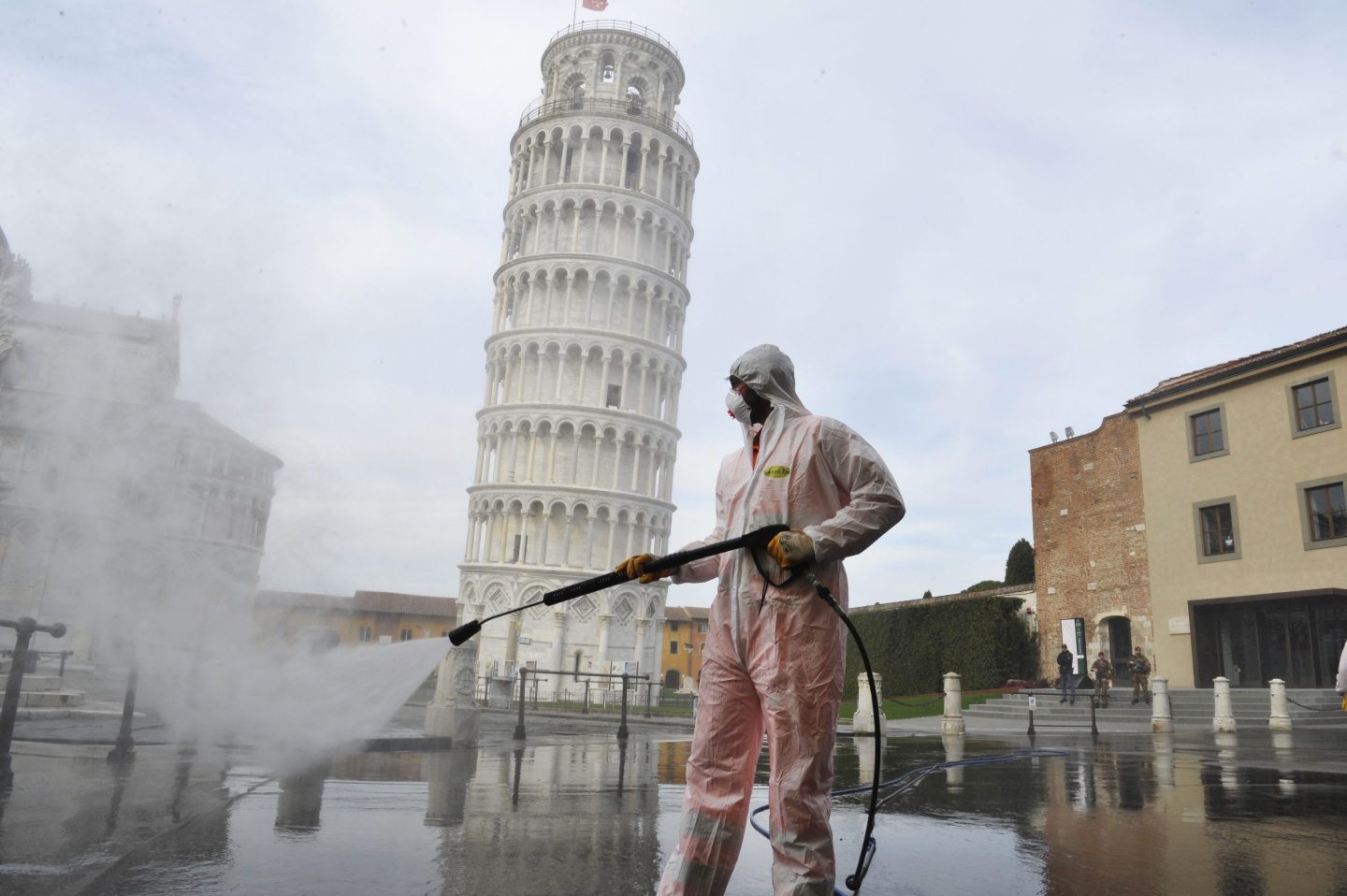
Another example is the pandemic, which has impacted the need for businesses to rent office space owing to the rise in remote work and added the number of COVID-19 cases as one of the metrics to track as exposure to risk.
An unfortunate reality becomes clear: Extreme events are becoming all too commonplace.
As risks grow in frequency, nature, and reach—impacting everything from geopolitical stability to migration and human rights—expect corporations’ interest in extreme events to follow, and quickly. The next five to 10 years will be telling. ESG is quickly taking center stage among corporate boards and is making its way into strategy formulation, which will accelerate the adoption of a broader, interconnected view of risk.
Extreme event models have long been relied on by insurers to estimate potential losses over a 12- to 24-month horizon—a process that is constantly refined and improved upon. With any luck, their accuracy will continue to keep pace with the need for businesses to better understand and mitigate growing risks. After all, it was necessity that sharpened the insurance industry’s focus on better understanding the impacts of a changing climate nearly 30 years ago after Hurricane Andrew caused the insolvency of 12 firms.
Fast-forward to 2011, 2017, or 2020: When insurers saw increased losses from extreme events, the industry was financially equipped to pay policyholders. Now, the corporate world will have to gear up and follow suit.
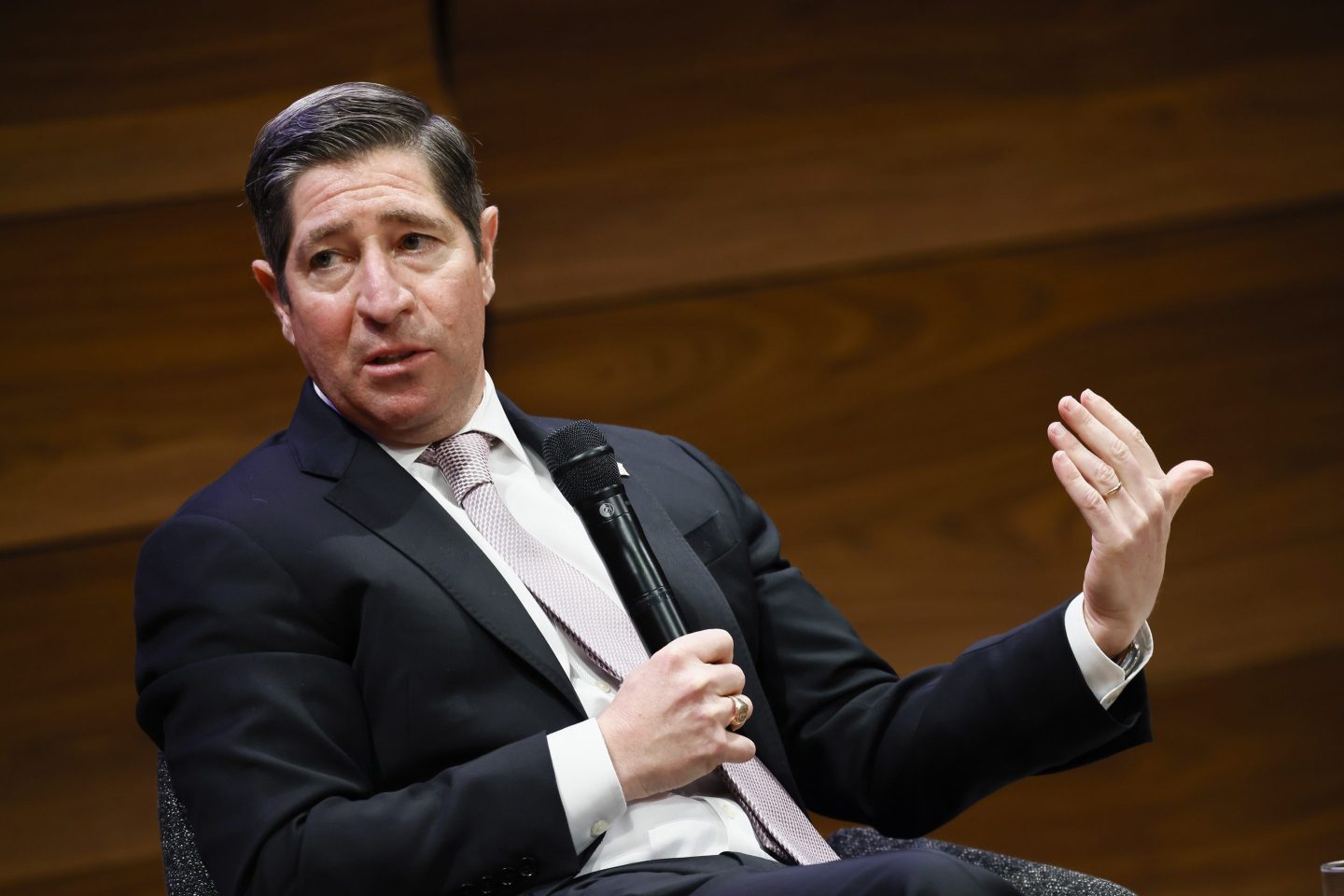
Scott G. Stephenson is the chairman, president, and CEO of Verisk.
More must-read commentary published by Fortune:
- “Homers” are creating the soulless downtown
- The next recession: Here’s when the “everything bubble” will burst
- Why Indian-born leaders dominate American tech’s top ranks
- To deliver the infrastructure boom, construction giants must open their doors to startups
- Southern Africa: Last in line for vaccines, first in line for travel bans
Never miss a story: Follow your favorite topics and authors to get a personalized email with the journalism that matters most to you.