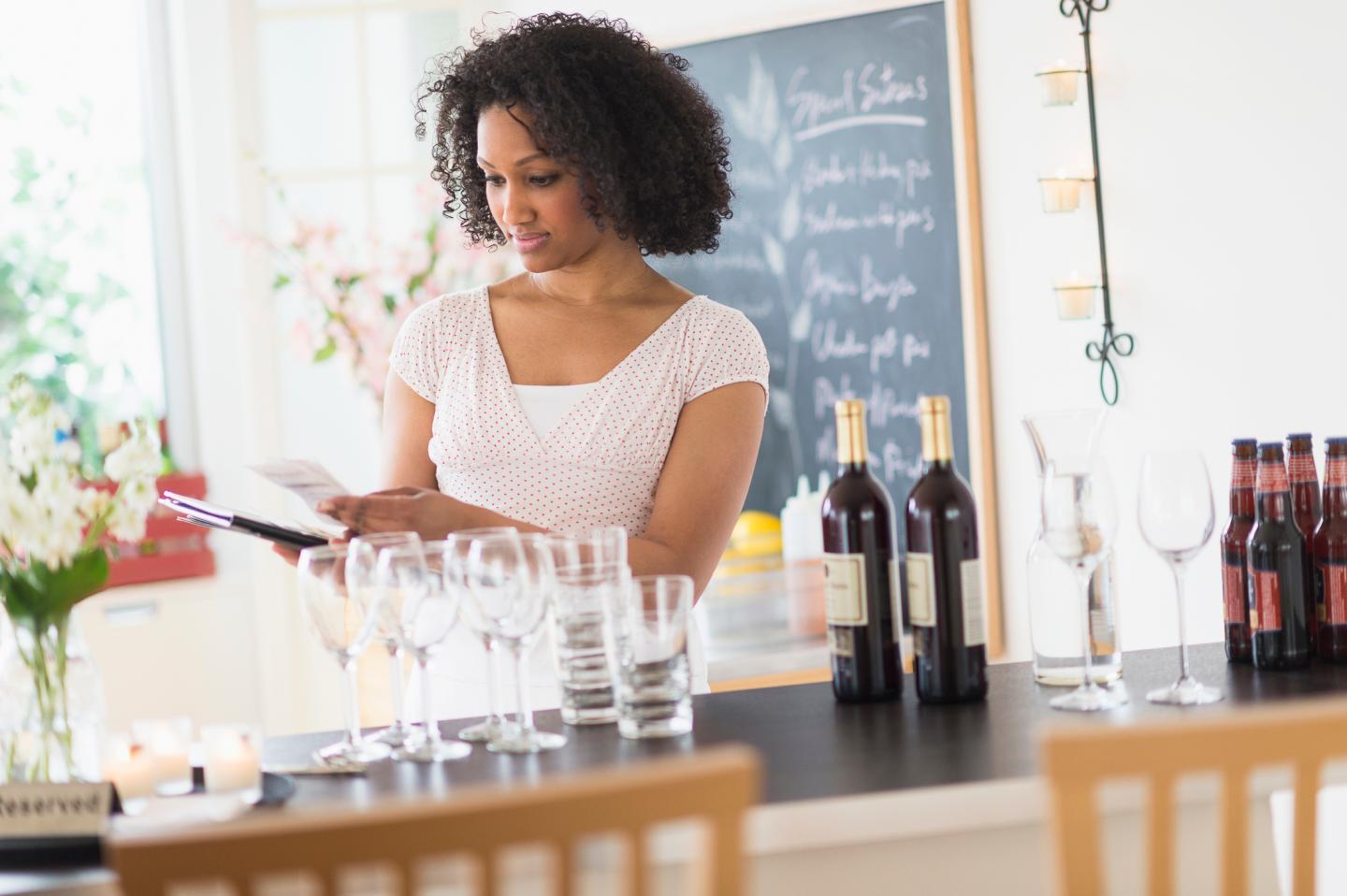
Imagine two tables of two people each at a relatively fancy restaurant in a big city. The first table seats a married couple in their sixties. The second table is occupied by a young couple in their twenties. Ask a server to bet on who will order wine. Twenty years ago, you would bet on the younger couple; today, you’d better put your money down on the older duo.
At least that’s what wine producers, marketers, and researchers are saying about millennial wine drinkers. They are passing on the wine list when dining out.
In January, Silicon Valley Bank’s wine division released an industry report on wine and in it noted the failure of the wine industry to capture the attention of the millennial audience. And they aren’t the only ones to find that the younger population is skipping past the wine aisle. Nielsen also noted a change in how millennials approach alcoholic beverages, with hard seltzer and artisan spirits on the rise and the wine trend line falling across categories. Mintel data shows that while 30% of millennials increased their wine consumption, 21% reported drinking less. That’s a lot of data to show that the younger generation isn’t sipping as much Pinot Grigio as their parents.
“There are distractions within the wine category, and in adjacent categories, that are impacting the wine market,” explains Mimi Bonnett, U.S. director for food, drink, and cannabis at Mintel. “A democratization is happening in alcohol that makes a product acceptable for whatever occasion calls: premium, casual, healthier, even low or no alcohol.”
Bonnett notes that consumers, especially younger ones, are willing to drink a variety of alcoholic beverages. Wine is a $70 billion industry, but wine brands are losing market share to other alcoholic beverages as well as to millennials’ increased desire to skip booze altogether. That creates a unique environment for wine sales, and marketers say that old-fashioned techniques should be tossed out the window.
“Wine is still considered an aspirational, luxury product to many, and much of the messaging in the industry reflects this,” says Juliana Colangelo, the West Coast director of Colangelo & Partners, a fine wine and spirits communications agency. She explains that millennials do purchase high-end products, citing the SVB report, which notes that 33% of millennials spend on luxury goods but that wine isn’t one of them. Only half that—17%—are throwing down cash on bottles of wine. “The messaging needs to be adapted to this consumer and their values,” Colangelo says. “They want messages of health and wellness, social good, sustainability, transparency, and experiences.”
Colangelo believes that wine marketing needs to change to meet millennials where they are. The wine industry has been successful at capturing the attention of baby boomers and members of Generation X: Both demographics have connected wine with a healthy diet and an affluent lifestyle. But the tactics used to acquire these customers don’t necessarily work with millennials. The inability of the wine industry to recognize changing consumer values has resulted in stalled demand from the next generation of wine drinkers. That includes acknowledging “mindful drinking” movements like Dry January and Sober October; communicating wine’s inherent natural production methods, unlike those of hard seltzer; aligning wine with health; and promoting wine’s craft and artisanal qualities as the beer and spirits sectors have done.
“These are terms that tap into their desire for transparency,” Colangelo says of “craft” and “artisan.” “These products are easier for millennials to understand; they know the ingredients in the cocktail or the flavor profile of the beer. The wine industry can improve upon the way information is shared: Make it simpler, remove technical jargon, and provide information through social media and videos.”
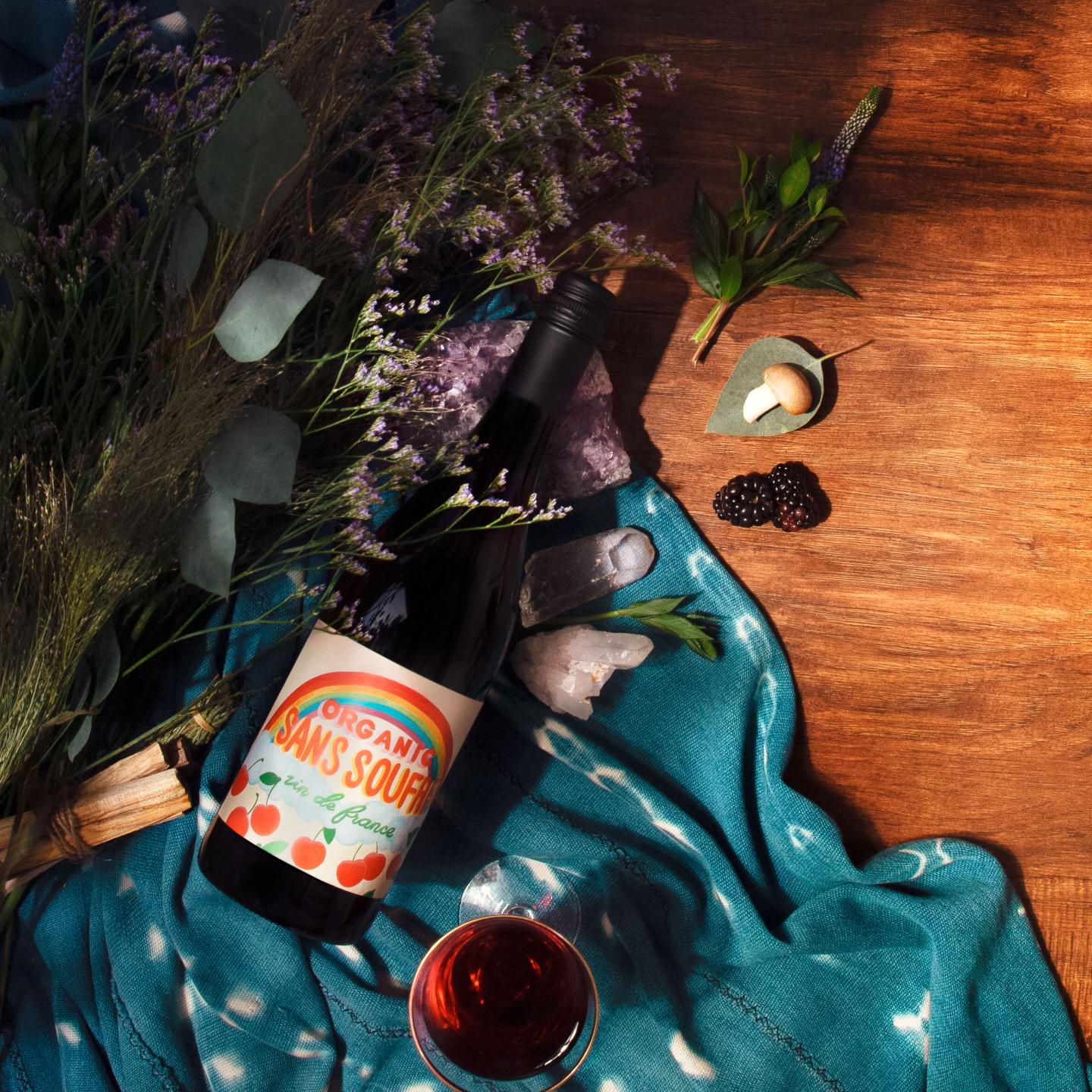
It’s an approach that has seen success with popular upstart brands like Winc, a direct-to-consumer wine purveyor with a variety of brands including Summer Water rosé, and Empathy Wines, a modern Northern California winery that sells direct-to-consumer without the traditional markups. “We need to move beyond talking about how my vineyard is different than your vineyard,” says Brian Smith, cofounder of Winc. “We need to do a better job of connecting with consumers in new ways.”
Smith believes those practices include rich storytelling, content creation, and the delivery of at-home experiences for customers. It all runs counter to the conventional wisdom that a physical tasting room and wine-pairing dinners are the only way to create an experience that will resonate with consumers. Rather, Winc spends time connecting with its customers on social media platforms.
Similarly, Empathy Wines has taken the digital route to control their story. Half of their customers identify as millennials. Cofounder Jon Troutman says Empathy makes it easy for consumers to contact company staff. Instead of being winemakers living in grand, imposing châteaus, they are reachable via smartphone: Consumers can simply text a wine concierge to help them decide which bottle is best for dinner. “Making a delicious bottle isn’t enough anymore,” Troutman says. “Wineries, especially at the more premium end of the category, can’t expect millennials to open their wallets. This isn’t Field of Dreams—just because you make good wine does not mean the millennials will come.”
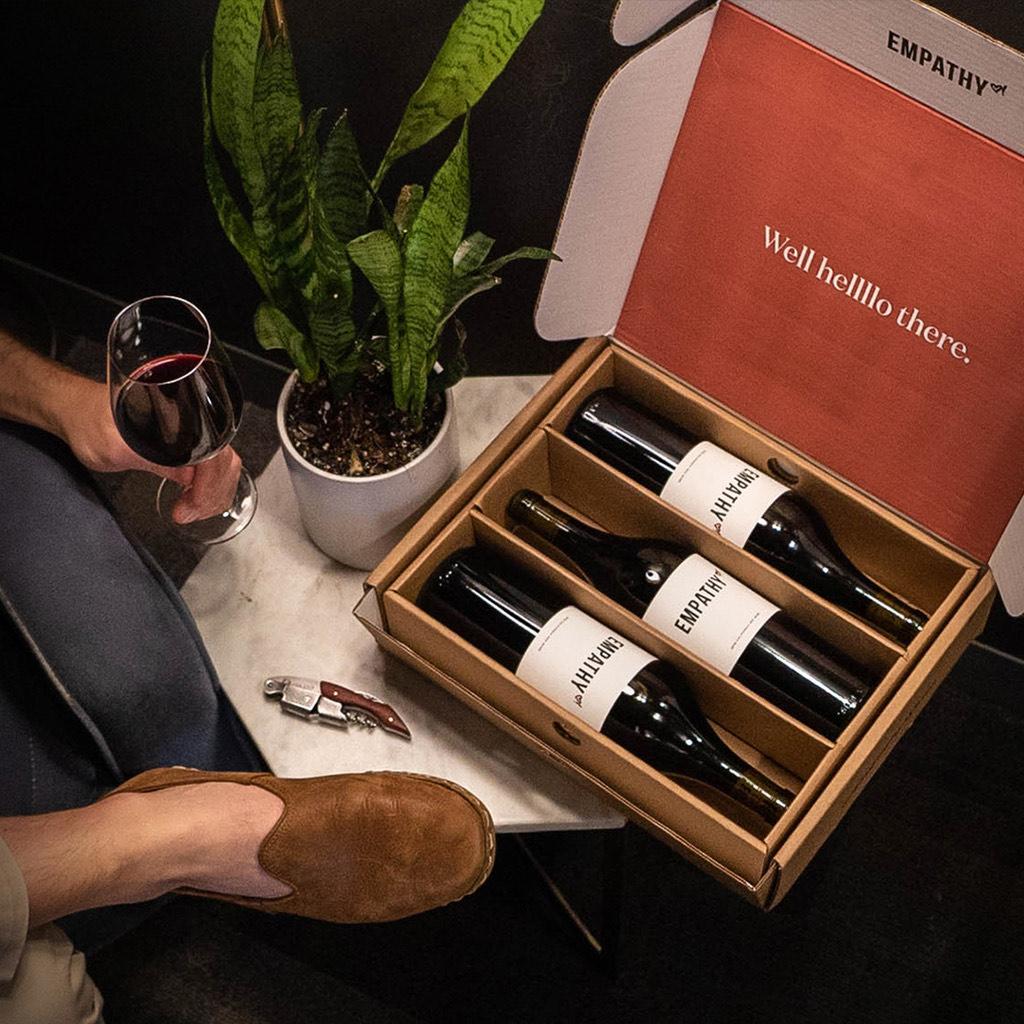
There is a certain mentality among traditional producers that wine critics, 100-point grading systems, and the U.S.’s three-tier system of distributors will do the tough work of building a brand and acquiring customers for them. Troutman says that Amazon has conditioned customers to expect “two-click purchasing and laser-fast delivery,” while fashion and beauty brands have drafted elaborate explanations of how their products are sourced and made. Wine, unfortunately, has not done the same. “There’s a real need for wineries to evolve digitally and not rely on others to sell it for them,” Troutman adds.
The SVB report noted that the baby boomer cohort has driven wine sales for the past 30 years, not only through the consumer stepping into the winery for a direct experience with the product but also around healthy messaging. The Mediterranean diet craze of the 1990s aligned wine with good health and put a glass on the table with your weekday meals. Much of that messaging, though, is lost on millennials. Now, their views on health include skipping alcohol entirely.
“The wine industry would benefit from cohesive messaging not only around the physical health benefits of wine, like natural ingredients, but the social and mental health benefits: bringing people together, socialization, and community,” Colangelo says. “Despite the digital prowess the millennial possesses, real-life community is still important for this generation.”
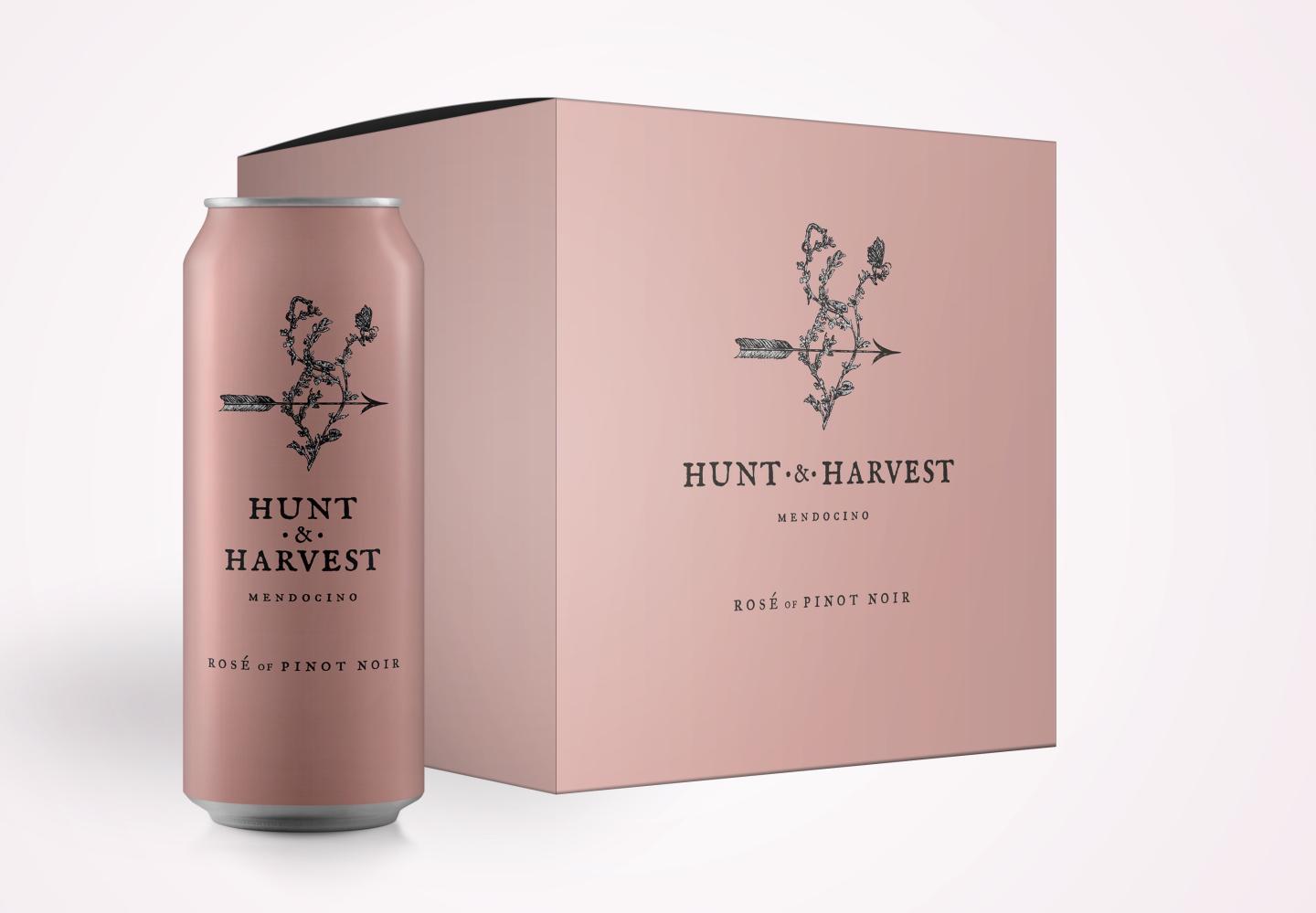
Colangelo hit on the idea that experience still matters, and at the end of the day, the consumer does want to taste the wine before identifying as a fan—or buying a bottle again. Single-serve packaging like canned wine and activations where millennials can try a sip do make a difference. For example, Long Meadow Ranch in Napa Valley eyes potential growth with its second label, Hunt & Harvest, and the expansion into a canned format for the single-variety wines. The company plans to launch a 250-milliliter canned rosé this spring, which can be sold individually or in a four-pack, and it currently sells a canned Sauvignon Blanc. The rosé will retail for just $6.99 per can.
“In our experience, many millennials are engaging with wine, just not yet at the same volume or spending level as Gen X and baby boomers,” says Jeff Meisel, vice president of brand development at Long Meadow Ranch. “This wine appeals to many of the values we see as important to millennials: freshness, convenience, approachability.”
Many wineries have also begun to offer experiences on their properties that allow consumers to engage with the products, from comedy nights to pool parties. Long Meadow Ranch hosts a guest chef farm-to-table dinner series, and Colangelo highlights that Hamel Family Wines in Sonoma, Calif., includes a food pairing and customized spittoons with wine tastings.
There’s definitely not a lack of wine out there, so while data might hint at doomsday, producers and marketers are optimistic about the future. Producers are making great wines, experimenting with grapes and styles, launching new brands, and curating their portfolios for changing palates. “It’s never been a better time to be a wine consumer,” Troutman says. “The sheer quality and value available today is amazing. Now the onus is on wine brands to help drive the discovery, adoption, and loyalty for these wines.”
More must-read stories from Fortune:
—Inside New York City’s Chinese restaurant crisis
—5 things Beats president Luke Wood always packs when traveling
—Colorado State University launches cannabis degree program
—How to scale zen luxury, according to Robert De Niro
—WATCH: Greenwich Village’s coziest new Champagne bar
Follow Fortune on Flipboard to stay up-to-date on the latest news and analysis.