• Home
  • Latest
  • Fortune 500
  • Finance
  • Tech
  • Leadership
  • Lifestyle
  • Rankings
  • Multimedia

Trendingnow

1

Ed Sheeran asked Patriots owner Robert Kraft for $2 million aid donation after Macklemore was dropped from his tour for pro-Palestine comments

2

Anthropic billionaire cofounder Jack Clark studied literature, not code—and says liberal arts degrees will win in the AI age

3

Meet Warren Buffett's son Howard, a former sheriff, war photographer, and now, Berkshire's new chairman

1

Ed Sheeran asked Patriots owner Robert Kraft for $2 million aid donation after Macklemore was dropped from his tour for pro-Palestine comments

2

Anthropic billionaire cofounder Jack Clark studied literature, not code—and says liberal arts degrees will win in the AI age

3

Meet Warren Buffett's son Howard, a former sheriff, war photographer, and now, Berkshire's new chairman
TechFuture of Work

Will Algorithms Persuade People to Drink More Wine?

By
Rachel King
Rachel King
Down Arrow Button Icon
By
Rachel King
Rachel King
Down Arrow Button Icon
July 6, 2016, 9:00 AM ET
Photo: Courtesy of Winc
Google source logo
Add Fortune on Google for similar content.

The ancient world of wine doesn’t seem ripe for technological revolution. But that’s exactly what Brian Smith set out to do when he co–founded Winc, an online wine club in Los Angeles, in 2012.

Though the U.S. wine market continues to grow steadily—$38 billion in 2015 sales—many producers still have a hard time reaching consumers daunted by the discovery process. The solution was once a good shop owner or sommelier. But what if an algorithm could make recommendations based on a person’s preferences?

For more on food retail, watch this Fortune video:

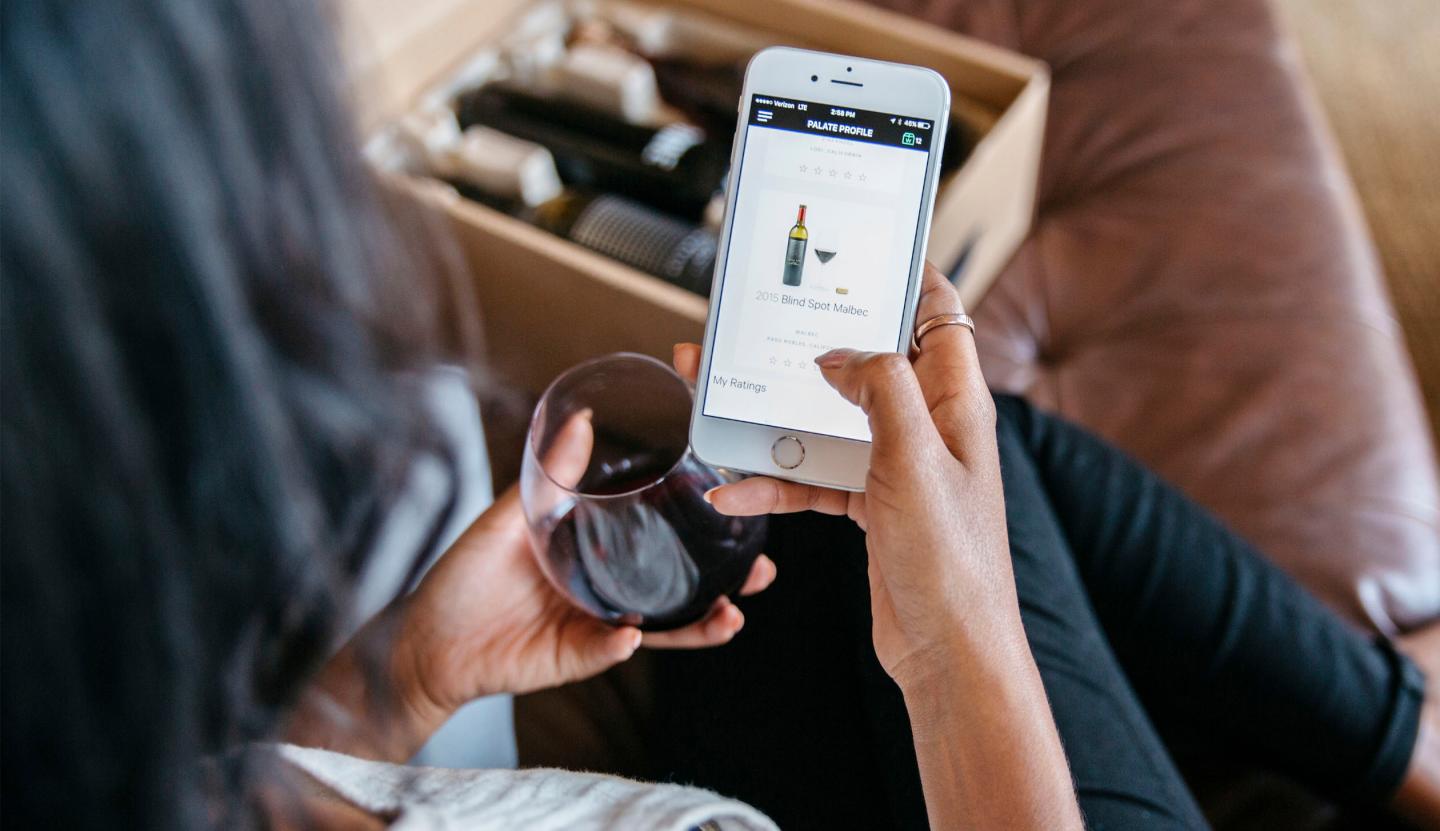
Winc asks customers to fill out a brief online survey about their affinity to certain flavors (Coffee: Black or with cream and sugar? Salt: A little or a lot?) and recommends bottles accordingly.

The data allow winemakers to take more risks. The surprise popularity of 2014 The Bluffer Valdiguié, for example, demonstrated that people were willing to try wine from an unknown varietal.

“Thanks to technology,” Smith says, “we can use data to develop our own wines.” And, of course, winners.

This article is part of the Future of Work article from Fortune’s July 1, 2016 issue. Click here to see the entire package.

About the Author
By Rachel King
See full bioRight Arrow Button Icon

Latest in Tech


Most Popular

Fortune Secondary Logo
Rankings
  • 100 Best Companies
  • Fortune 500
  • Global 500
  • Fortune 500 Europe
  • Most Powerful Women
  • World's Most Admired Companies
  • See All Rankings
  • Lists Calendar
Sections
  • Finance
  • Fortune Crypto
  • Features
  • Leadership
  • Health
  • Commentary
  • Success
  • Retail
  • Mpw
  • Tech
  • Lifestyle
  • CEO Initiative
  • Asia
  • Politics
  • Conferences
  • Europe
  • Newsletters
  • Personal Finance
  • Environment
  • Magazine
  • Education
Customer Support
  • Frequently Asked Questions
  • Customer Service Portal
  • Privacy Policy
  • Terms Of Use
  • Single Issues For Purchase
  • International Print
Commercial Services
  • Advertising
  • Fortune Brand Studio
  • Fortune Analytics
  • Fortune Conferences
  • Business Development
  • Group Subscriptions
About Us
  • About Us
  • Press Center
  • Work At Fortune
  • Terms And Conditions
  • Site Map
  • About Us
  • Press Center
  • Work At Fortune
  • Terms And Conditions
  • Site Map
  • Facebook icon
  • Twitter icon
  • LinkedIn icon
  • Instagram icon
  • TikTok icon
  • YouTube icon

    Latest in Tech


    Most Popular

    © 2026 Fortune Media IP Limited. All Rights Reserved. Use of this site constitutes acceptance of our Terms of Use and Privacy Policy | CA Notice at Collection and Privacy Notice | Do Not Sell/Share My Personal Information
    FORTUNE is a trademark of Fortune Media IP Limited, registered in the U.S. and other countries. FORTUNE may receive compensation for some links to products and services on this website. Offers may be subject to change without notice.