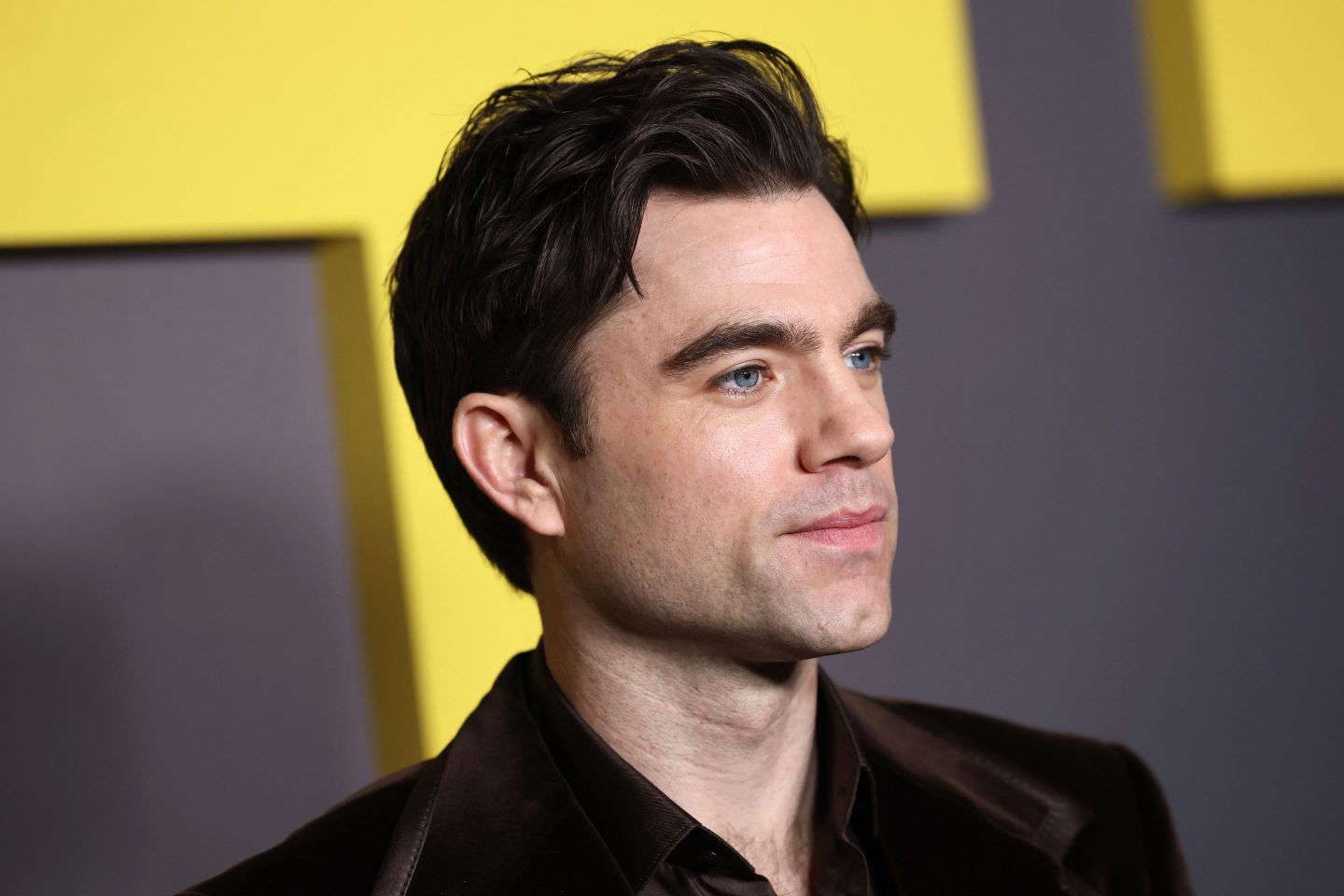
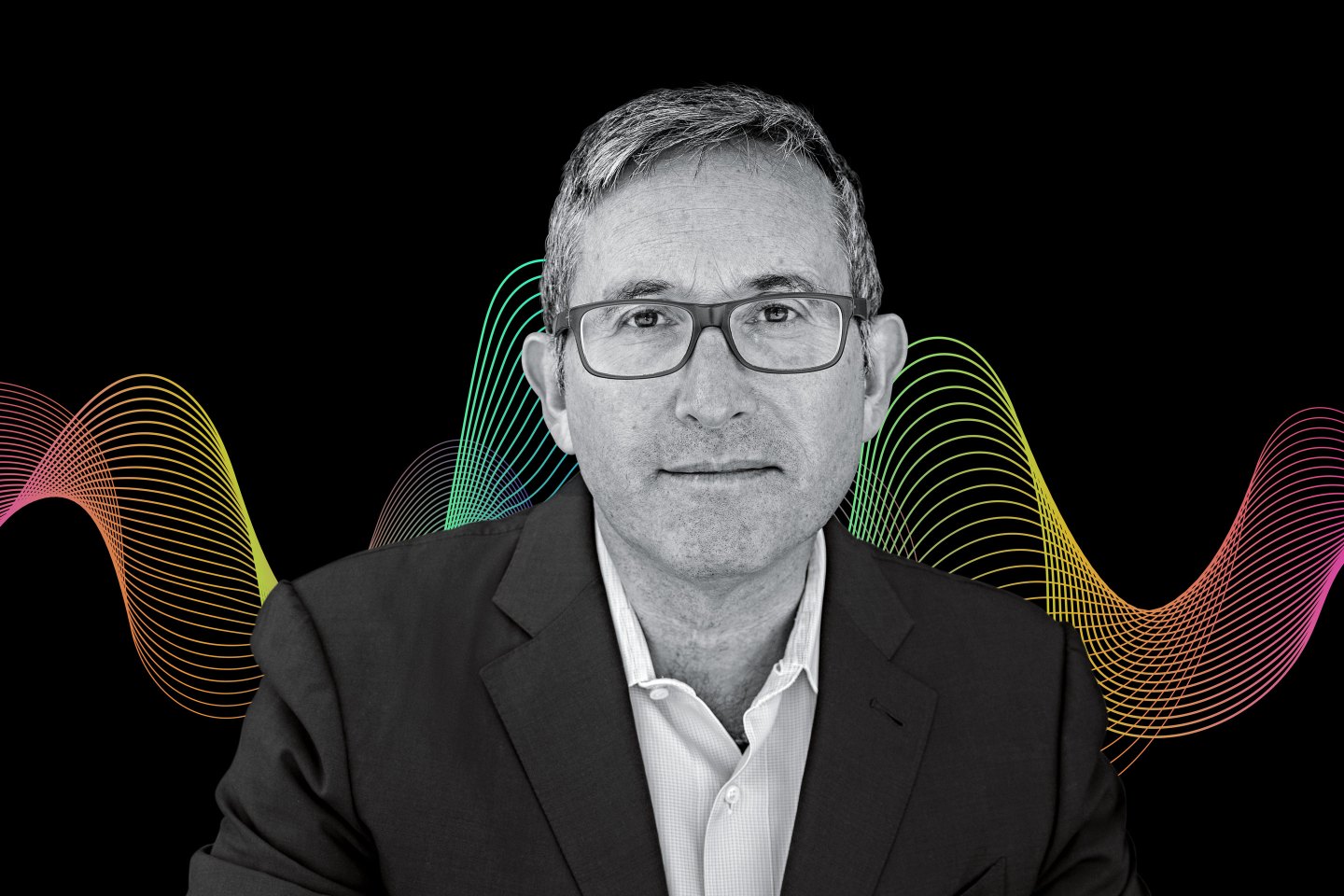
On this episode of Fortune’s Leadership Next podcast, co-hosts Diane Brady, executive editorial director of the Fortune CEO Initiative and Fortune Live Media, and editorial director Kristin Stoller talk to Tom Hale, CEO of Oura Ring. They discuss the intersection of women and wearable technology in the post-Roe era; what sets Oura apart from other wearables; and how health tracking has helped people cut down on drinking alcohol.
Listen to the episode or read the transcript below.
Transcript
Tom Hale: We’re seeing kind of cultural relevance here in that Oura is becoming a shorthand for how you’re doing. It’s like the doctor’s note that isn’t a doctor’s note. It’s in your pocket. It’s on your cell phone. It’s a substance of conversation between husbands and wives. It’s a shorthand for caring about your health. You can get a lot of benefit out of knowing what’s going on in your body. We call it giving your body a voice. And the thing is that’s not, you know, it’s not just celebrities who are interested in that. Everybody’s interested in that.
Diane Brady: Leadership Next is powered by the folks at Deloitte who, like me, are exploring the changing roles of business leadership and how CEOs are navigating this change.
Hi, everyone. Welcome to Leadership Next, the podcast about the people…
Kristin Stoller: …and trends…
Brady: …that are shaping the future of business. I’m Diane Brady.
Stoller: And I’m Kristin Stoller.
Brady: This week we are talking about Oura. Oura CEO Tom Hale. And what intrigued me, Kristin, about this initially was every CEO I was meeting, not every but let’s say more than 50%, seemed to have this little ring on their finger and they were tracking their sleep and other metrics fastidiously, which made me wonder, is this the tool of our age for leadership and life?
Stoller: So here’s the thing. I was first introduced by it, I felt like the stereotype was like techie bros, and now all the women I know have it. They’re swearing by it for cycle tracking. So that’s how I found out about it. I feel like the stereotype is changing, right?
Brady: Well, when you have Mark Zuckerberg and Kim Kardashian, I think you’ve got a couple of demographics covered with that for sure. I will say I’ve been using it since the start of the year. I’m using the old version. So I am indeed cheap. I value the sleep…
Stoller: It’s not cheap, though.
Brady: It’s not that cheap. I find the sleep data is a little bit mixed and it is kind of patronizing because if I don’t sleep well, as I allegedly did not last night, it immediately reduces the steps I’m supposed to take today, which I’m like, You know what? I’ll decide how many steps I take today.
Stoller: Okay. You know, I’m going to ask you, though, what was your sleep score last night?
Brady: Well, let me just first point out that I’m calling from Miami, from the FII [Priority] Summit. A lot of tech people, which means a lot of parties. And I wrote a story last night so it was…
Stoller: OK, how late where you partying? Let’s be honest …
Brady: My sleep score is 59. Complete honesty. It says “pay attention.” It’s below my typical range. So good to know that I’m normally better.
Stoller: Okay, now I cheated because I knew I was going to ask you this and I purposefully went to bed at 10:45 last night. Total sleep, 7 hours 29 minutes. I have a little crown over my head. I’m optimal.
Brady: Very nice. But is that a happy life?
Stoller: But I’m curious what Tom’s is as a CEO. He’s been CEO since 2022 of Oura. He’s had quite the year. He doubled sales last year to $500 million. They had a big fundraise in December, now valued at $5 billion. I’m sure he’s not getting much sleep.
Brady: Well, look, what intrigues me to your point, it’s had a huge growth trajectory, including fertility, women. That is a new growth area for them. I think about Fitbit and all of these other many, many devices that can measure things. They are disruptable and by the big tech giants like Apple, they too claim to measure our sleep. Certainly lots of places measure our steps. So I think how you build community around this and how you get people to continue paying a subscription fee every month to look at their phone and see how they’re doing on some of these metrics is a good question.
Stoller: Yeah, it’s pricey. I mean, I also think that Oura is small enough right now that Apple isn’t super worried about them, I assume. But eventually, it’s a product that Apple could easily replicate or just acquire them. Is acquisition their end goal? I’m curious about that. And I’m curious I’ve been looking at my stress all week and measuring that. And it tells you, you know, your stress this hour, this hour today, it was 2 hours and 35 minutes. But is that good for me? Should I know my stress? What’s the psychological impact of all this data? I don’t know.
Brady: Well, the idea is to prompt better behavior. But I do think on a philosophical basis, the quantified life, there are times when you measure things and it’s ultimately not that important. Our heart rate, for example, we don’t really need to know what our heart rate is day to day. Sleep, I think, is valuable. One thing I’ve heard is that alcohol consumption is going down and I’ve heard people tell me this directly. If you drink, you tend to sleep worse and get the kinds of scores that I got this morning. And that tends to make you think twice when that bottle of wine comes out. So how it’s impacting other sectors and how we live our life is interesting. And let’s face it, wine is a source of joy. Sometimes you don’t mind if it disrupts your sleep now and then.
Stoller: News outlets have called it this biometric Big Brother, is that something we want? Is that something we should have? I don’t know. But I’m curious to talk to Tom about it.
Brady: Yes, lots to discuss. And we’ll be right back with Tom after the break.
[Music starts.]
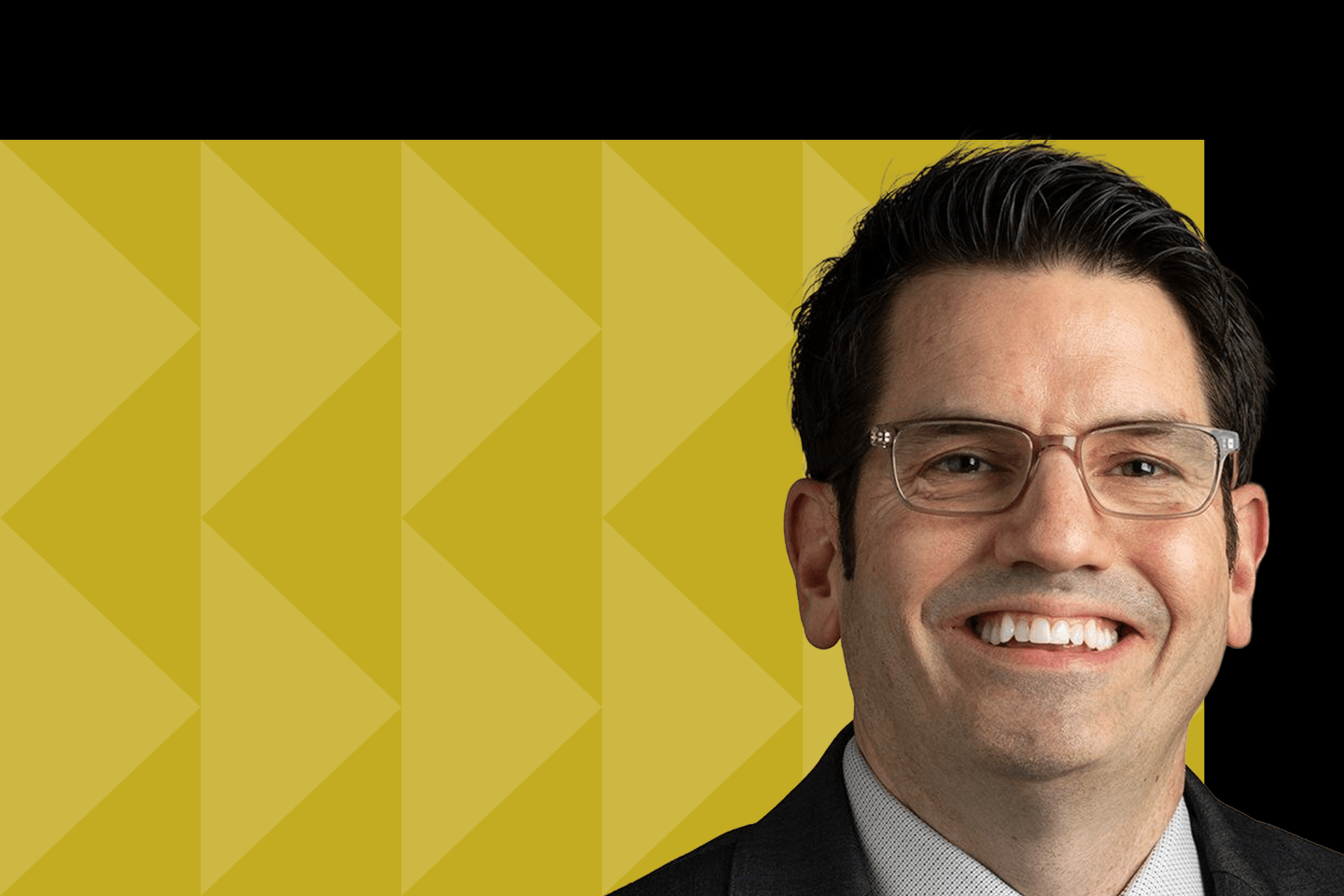
Generative AI has been a transformative force in the business landscape for the last 18 months. According to the latest Fortune Deloitte CEO survey, more than half of CEOs are experimenting with generative AI in their own daily activities and, of course, trying to spread it throughout their organizations. I’m joined by Jason Girzadas, the CEO of Deloitte US, which is the long-time sponsor of this podcast. Jason, good to see you.
Jason Girzadas: Hi, Diane. It’s great to be with you.
Brady: How are businesses integrating AI into their organizations? Where do you see the most substantial benefits?
Girzadas: I think it’s true, as you say, that every organization wants to capitalize on the benefits of AI, particularly generative AI. The benefits have been largely around efficiencies today and looking for ways to automate routine tasks. The promise is there for more insight-driven use cases and innovation use cases. That’s the next stage. We’re seeing organizations looking to move from proof of concept and pilots to see these technologies and models put in place in true operational uses at scale.
Brady: When you think about how much change there’s been the last 18 months, really curious, how do you think it’s going to evolve in the next 18 months? Thirty-six months?
Girzadas: I think we’re actually needing to change our timing horizon. By all indications, we’re more in six month intervals and I think that’s exciting, but also a challenge. Enterprises aren’t accustomed to working in that type of cadence and with that type of pace. And so the winners, if you will, will be those that can assimilate this technology that quickly, which I think is putting real strain on organizations ability to adapt that quickly. This is a perfect instance where leadership has to be in sync to assimilate technology that quickly. I think as a CEO, it’s important that we lead by example. So I’ve been through all the training, I’ve been through all the productivity tools that we have available within our organization. But then more broadly, we’ve embarked upon a significant investment to deploy this across all we do.
Brady: I’m feeling the urgency, Jason. Thanks for joining us.
Girzadas: Well, thank you, Diane.
[Music ends.]
Brady: Well, Tom, good to see you. I’m coming to you on a day when I have the worst Oura scores I’ve had since I bought this ring that you convinced me would be so useful in my life. So I’m embarrassed to say I didn’t get enough sleep last night. Merely fair.
Hale: I’m sorry for you. I’m sorry, Diane…
Stoller: Tom, I’m going to brag and say that I did. Only because I knew I was talking to you and I didn’t want to disappoint you. So I got a crown today.
Hale: Good for you. Good for you. Very pleased.
Stoller: Well, let’s go. I want to hear your…what’s your sleep score today?
Hale: My sleep score was 93, and my readiness is 87, which is pretty good. I’m usually kind of a low eighties kind of person.
Stoller: How many days per week do you get a perfect score or a score in the nineties?
Hale: [Laughs.] Not enough is the answer. But, you know, I strive to be in the high eighties, low nineties when I can and I think frankly my dogs are in the kennel, my wife’s out of town so I got some bonus time.
Brady: Oh yeah. There’s crowns all around for that. Well, listen, I thank you for joining us, first of all. And I’m intrigued by how Oura has really permeated pop culture as well. You know, you’ve got Mark Zuckerberg, Kim Kardashian. Before you came on, you mentioned that one of the big basketball coaches even gave you a shout out during a press conference.
Hale: We’re seeing kind of cultural relevance here in that Oura is becoming a shorthand for how you’re doing. It’s like the doctor’s note that isn’t a doctor’s note. It’s in your pocket. It’s on your cell phone. It’s a substance of conversation between husbands and wives, you know? How is your sleep last night, honey? How’s your day going to go? How’s your readiness? What did you do? We see this this kind of cultural relevance. It’s a shorthand for caring about your health. And the thing is, whether you’re Mark Zuckerberg or somebody who reads Facebook or wears a Meta headset, you can get a lot of benefit out of knowing what’s going on in your body. We call it giving your body a voice. And the thing is, that’s not just celebrities who are interested in that. Everybody’s interested in that. And if it teaches you how to use your body more effectively, no one gives you a manual for how to use your body. If it teaches you something you don’t know that’s valuable.
Stoller: And I like that you brought up wives there too, instead of just husbands. Because, Tom, I feel like for the longest time, Oura wasn’t for me. Something I saw on male CEOs, attracted like this male tech bro vibe. But, the cycle tracking has been so helpful. I have mine on, too. And I think your push toward fertility tracking and all that. Talk to me about your strategy and the demographics you’re seeing using your your product now.
Hale: We started life in sleep and the great thing about sleep is that everybody does it at least once. And, you know, that’s a pretty large market, a good [inaudible]. But we always had the ambition, and maybe this is really the foresight of the people who founded the company, to expand beyond sleep, but to use sleep as kind of this incredible way that you gain access to insight to someone’s body in a really controlled setting. And so you can make evaluations about what’s going on in someone’s health with like a really clean signal. During the day if you’re stressed out or whatever, you’re going to get some noisy data. So we’ve always had the ambition to expand beyond sleep. And one of the first places that we went to was sort of activity. But women’s health has been a place where we expanded in the last couple of years and it’s been phenomenal. It’s been an incredible success for the company. The kinds of things that we can do looking not just at your temperature, but a whole set of biomarkers to make predictions about like when is your cycle going to arrive? You know, if you are trying to conceive like when’s a good time to try and conceive? When’s a time when if you don’t want to conceive, when you probably shouldn’t? What can we teach you about the way your body moves and changes through your cycle? How does illness or exercise interact with your cycle? These are all needs that weren’t really met, and I think by meeting them, I think we’ve had an incredible response from women. And in the last two years our audience has shifted from majority men to majority women.
Brady: That’s interesting. You know, I have to ask you, I used to go to the consumer electronics show and you couldn’t trip without hitting yet another sleep measuring device or something that measures your steps or fitness. How did you crack the code? What is it you think you did differently? Or did differently that resonated?
Hale: As you say, I think sleep was having a moment. I think that, you know, maybe the social conversation around sleep, which was like, I don’t need sleep. You know, I’ll sleep when I’m dead. I’m going to party all night. Look at me. Look how strong. Kind of macho version of like, I don’t need sleep. The understanding of sleep has really come around where people realize that, like, if you want to perform at the highest level, you want to be as cognitively able as you can possibly be. You want to improve your mood. You want to live long. Sleep is one of the foundational elements of your health regime, and that awareness, I think, has been rising. And people’s understanding of it, you know, much like in the ’70s, ’80s, and ’90s, people understood exercise was something you ought to do and you better be intentional about it and think about it. Sleep is kind of having that sort of moment.
You add to that things like the changing mores around health, like people are really thinking like, Hey, I need to be in charge of my health. I’m not going to, you know, just trust the doctor in the white coat to take care of me. I got to take care of this myself. I got to have some agency on this. You think about what happens…
Brady: It’s a Boomer thing.
Hale: It is a Boomer thing. They’re used to the doctors telling them what to do. Young folks are thinking about it. Longevity, to your point, Diane, I think is something that as our population or any population ages, we all start to think about longevity a little bit, with a little bit more focus. You know, like maybe, maybe I’m not going to have that second glass of wine or whatever, because I want to live longer or feel better. The other thing I would point out is that Covid, I think actually was interesting from the perspective of it gave everybody on the planet a sudden glimpse into how fragile their health actually is. And in fact, it, I think, elevated people’s understanding of health in a way, like what kind of information should I trust or not trust? You know, should I inject myself with Clorox? You know, like there’s all these things that were suddenly changing for people?
Brady: The answer is no.
Hale: Yeah, in case you’re listening listeners, do not do that. But the point is, as people started reading studies so they became more literate about health. People started doing research or, you know, we’ve all consulted Dr. Google since the early 2000s, but like now it’s a little bit deeper, like people are feeding scientific papers to ChatGPT and saying, Please explain this to me in you know, terms that I can understand because I want to live better. I want to be better. I want to live longer. I want to be around for my kids. It’s just, it’s a different world that we’re in.
Performance. This is where it started. You know, you had athletes who are like, how do I, shave that tenth of a second off of my time? How do I win? How do I compete? And it turns out sleep, they’ve known this for a while, is a real edge in performance. We’ve seen things where like people who are traders, where they’ve done studies with traders on Wall Street. And one group has like, slept well and one group has slept poorly. And you know what, who does better in the long run? The ones who slept well. They did this study with the NBA. You know how many free throws? What’s your three pointer percentage? How many fouls do you get? How many playing minutes do you get? They looked at the study of people who slept less. You know what? Not surprisingly, anybody who has kids already knows this. Under-slept? More fouls, less playing time.
Stoller: No surprises there.
Hale: Right. And people who [crosstalk] slept, no surprises there. I mean, moms, I think, have known this for a long time. But there’s the evidence. You know but if you’re well-slept, you know, you get more three pointers. You get more free throw percentage. Like all these things sort of come through in the data and the science of it. So what we steered into was sleep with a couple of really important kind of areas of focus. One is accuracy, and accuracy really matters because if you’re going to trust something that’s going to give you guidance you want to believe that it’s like it’s actually correct, right? You know, you want to know. So accuracy turns out to be not just something like, oh, it’s nice. I love, I want the most accurate. It’s like, no, do I trust this thing? Do I believe it? And I think the thing about Oura is it gets it right so much more often than it gets it wrong that people trust it. People tell me this all the time. I’m like, Oh my God, it really gets me. It really understands me. I woke up six times last night and it says eight and I only am aware of six, but it said eight, so I’m going to believe eight because maybe I wasn’t aware, maybe I wasn’t conscious, but I was definitely, you know, okay, so that’s accuracy.
Another one that we got, I think, really right was this idea that a ring is something that you don’t take off your body. You know, I mean, I wear my wedding ring, Honey, I love you. I wear it all the time. I never take it off. And the thing is, is that like a ring is the sort of thing like when you go to bed, you’re taking stuff off your body. You know, take your glasses off, you take your your clothes off, you change clothes, you get into your bed, the ring stays with you. And so as a result, you get this kind of continuity of data. You get data night after night after night, coupled with a long battery life. It’s a seven- to eight-day battery life depending on how you use it. You don’t have to worry about it. It’s not another digital mouth to feed. I know what happens to my, I used to wear an Apple Watch. I know where the Apple Watch is at the end of the day, because I’ve been using it all day to respond to text and look at LinkedIn and see what someone’s calling me and all that kind of stuff. I’m charging it. You know, not every night. Maybe I’m charging it every two nights, but like some nights it’s done. And I’m like, Oh my God, it’s got 15 minutes before I go to bed. I’m not going to be able to charge this thing. A ring is with you. It’s on your body.
And that continuous data, by the way, huge unlock because continuous data allows us to notice small changes and then say, Hey, Kristin, your temperature is elevated by like half a degree and your heart rate variability has plummeted. And, you know, to me it seems like you’ve been stressed. And you know what? What that does is it lets us tell Kristin that you’re getting sick and you’re like, No, I’m not getting sick. I’m fine. I’m going to be fine. And then two days later, when you’re on the couch surrounded by Kleenex, right, you’re like, Damn, that thing really does know me. And it knows something about me that I don’t know myself. And that power, let me tell you, that power, is what blows people’s mind about Oura is they suddenly realize the thing can tell them something they don’t know.
Stoller: Now, Tom, you said something, you said you have an Apple Watch, which I find it funny that you said that. Do you still use it too? Does it? Has it ever conflicted with your Oura data?
Hale: You know, it’s so interesting because this was one of the first things that I learned when I joined the company, which is about maybe three and a half, three years ago. Three years ago, yeah. Was that about 60% of our customers had a second wearable. Usually, not always, but usually it was an Apple Watch. And I was like, this is fascinating because at the surface I think, Oh, these things are the same. And I’ll just wear one. And what we learned was that one, people use the Apple Watch for notifications. They use it for like a wide range of apps. They use it for workouts. They want it to flip their wrist and look at their heart rate during the workout. And they use it for all the other things that they use their smartphone for, receiving calls, dismissing calls and responding to text, all the kind of things. It’s a daytime use case. People like their rings for the continuous data and the insights that are provided over time. And the fact that they felt like it was more accurate, like it it got it right more often than not. And I think some of that is that continuous data, like being able to say like you’re getting sick, Diane. That really was something that was novel and still is novel today. We have a feature called Symptom Radar. People love this feature because it tells them they’re getting the flu or the cold or whatever a couple of days in advance. And I’ve used this myself. I’ll drink, pop Airborne, drink vitamin C, I’ll go to bed early. And you know what? Like I can feel it coming on and then I can feel it going away without it going into a full blown illness. So really interesting superpower.
Brady: One of the things that I find interesting philosophically is I’ve talked to a number of people who no longer drink, and I’ve read studies about this. One reason, whether it’s Oura or other, is that they’ve noticed drinking impacts their sleep. And of course, that’s a good thing. Knowledge is power. It does make me pause for a second and wonder if something is also lost in that scenario where there are some of the joys of life that aren’t necessarily going to be conducive…
Hale: It’s so funny.
Brady: …to your readiness score. And then there’s the stuff that, you know, you can’t live a perfect life all the time.
Hale: You’re cracking me up here because first of all, you’ve got a premise in your argument, Diane, and your premise is that alcohol equals fun.
Brady: No, not all the time.
Stoller: All the cool kids drink alcohol.
Hale: No, no, no. But no, but hold on, hold on, hold on.
Brady: Let’s not forget my readiness score is low. So be kind.
Hale: It’s interesting because I think there’s two things. One, I’ll just stipulate, one of the primary behavioral modifications that comes out of people using Oura Ring is that they drink less. And the reason why is that they see the impact of sleep, not just on their sleep, which, by the way, it does affect it really. Alcohol plays havoc with your REM sleep, which is where your brain is kind of going through the process not of of physical recovery, but of like storing and processing memories. That’s why we dream during REM, because, you know, scientists believe that’s what your brain is doing. It’s processing experiences and sorting things into short term, you better learn this, keep this focus on that. This is less important. Let’s discard this information. If you think about it that way, alcohol really disrupts that process, which is, you know, one of the reasons why in the next day you actually are cognitively not at your peak, shall we say.
So alcohol being a behavior change is really fascinating because being somebody who for many years lived on this cycle of coffee in the morning and a glass of wine at night and seriously, I mean, this was how I this is how I ran my life. And by the way, it feeds on itself because after you have the glass of wine, you know what you need the next morning? You need the cup of coffee. I went through a period of my life where I stopped sleeping after being a championship sleeper for most of my life. And I will tell you something, when I stopped drinking coffee and alcohol, my cognitive functioning, my perception, my all these things like suddenly were like elevated. And I was like, What have I been missing since I’ve had kids? Oh, my God, this is what life is possible. Like, for me the way they describe it is I felt like I walked out of a black and white television show into a Technicolor 4K movie, and all of a sudden life was just richer and better. Now. Okay, your premise, Diane, is, Oh, but hey, you know, if you can’t have a glass of wine, that’s terrible. Here’s what I have to say to that. Here’s what I have to say. Yeah, you can put your wine glass down, Diane. Put it down.
Brady: It’s water. It’s water, everybody.
Stoller: Sure.
Hale: So you say. So you say. That’s your story and you’re sticking to it. Now, the thing about alcohol is that you have to think like, well, why do you drink alcohol? Why do you drink it? Well, the thing is, is yes, it’s a celebratory it’s a celebratory reason. It’s a celebratory ritual. So we all know that if you drink six tequilas, how are you going to feel the next day?
Stoller: Awful.
Hale: You’re going to feel it depending on who you are. Some people some people actually say tequila is the best one, but you’re probably not going to feel great.
Stoller: With the liquid IV, not as bad.
Hale: Right. Vitamin B injection. So what if you learned that your body’s tolerance was half a glass of tequila and that you could actually perform really effectively and not have your sleep disrupted and not have your biometrics the next day or your cognition affected? Wouldn’t you be better off drinking a half a glass of tequila than six tequilas when you’re celebrating? That’s the knowledge that’s important. And to be clear, I actually stopped drinking. I don’t really drink alcohol anymore. And partially it’s because it actually cognitively, I was already on the trajectory beforehand as I sort of reached a certain age where I was like, this doesn’t feel great for me. But Oura really sealed the deal for me. But alcohol and listen to who you want on this. [Andew] Huberman has a great riff on how alcohol is basically a poison and that as your body metabolizes alcohol, it breaks down into something which is actually a poison. And so the thing is, is that like I think you have to divorce the celebratory from the physiological. And the reality is, that like I’m all for celebration. I am 100% we should celebrate more often. That’s part of the human ritual of life. You know what I’m not for? Poison. Now, interestingly, look at the macro change. You said what’s changing about this? Have you noticed non-alcoholic beer sales? Have you noticed mocktails on every bar?
Stoller: It’s a good point.
Hale: Yeah. This is a thing because the market is telling us something.
Brady: But we’ve known for years, you know, eat less, exercise more — generally a good way to live one’s life. Do you think the difference is having the actual score on the gamification of this to some extent?
Hale: I think that’s part of it. I think there’s a general generic trend which is increasing the awareness and understanding. And I’ll give you an example. Again, I go back to like the ’70s and ’80s when people learned that if you were someone who did cardiovascular exercise, you would lower your resting heart rate, you would reduce your body fat, and then your overall mortality would improve. Covert Bailey wrote a book about it, right? You know, Fit or Fat?, that awareness became something that is now a generally accepted truth and people either behave differently because of it or not. Now that’s interesting because the reality, as he’s pointed out, of changing your behavior, behavior change is hard. Behavior change is not measured in macro understandings that if you follow these behaviors, you will do better and live longer and live healthier. Behavior changes is rooted in habit, which means doing something frequently. It’s rooted in accountability. Meaning when you don’t do it, somebody or something reminds you, clean up your room or eat your beans like as your mother would always. It is also rooted in frequency and repeatability. And the thing is that underscoring all of that is data. And so if you are daily looking at your scores and understanding what good looks like for you and seeing improvement, then those habits that we’re talking about, they stick. And behavior change is not just knowing what you have to do, it’s actually doing it and being rewarded for it. This goes back to the power of the product and the vision of the product. The thing about sleep is that if you have a good night’s sleep within like 12 hours of going to bed and getting a really good night’s sleep, you’re like, I feel better. And that reinforcement, that is powerful. And that’s the thing that I think a lot of these other behaviors were maybe are less susceptible to the impact of like actually feeling different. And I go back to my example, from going from black and white to Technicolor, it was game changing enough that it made me want to be a big part of this company, which is ultimately why I’m here.
Stoller: So now I’m a type-A person and the gamification really gets to me, but I will say and those are some great pros, but the cons is that I see when I’m stressed and then I get more stressed and I’m like, this seems like a vicious cycle of me. Is this too much data and too much information? What do you think about that?
Hale: Oh, yeah, it’s interesting. I mean, we’ve had people ask us this question and we say, listen, if that’s what’s happening to you, then you should take this thing off. Right? And the thing is, is that most people don’t. And and the reason why is because you have to know you value of the insight is powerful because then what they realize is, okay, well, how do I become more resilient to stress? Not how do I avoid stress, how do I become more resilient? What are the behaviors that I can do to become more resilient? I’ll give, we have a lot of CEOs who wear Oura rings, right? Okay. By the way, stressful job. I am a CEO.
Brady: Yeah, I’ve seen a lot of Oura Rings on CEOs. Definitely.
Hale: So for them, it’s not a choice. Like they don’t get to not be a CEO for a day. Be like, you know what? I’m just going to phone in Rich and I’m just not going to do it. You know, they are on the game 24/7. That is the job. How do they manage that job? How do they make sure that they are highest performing at that job? How do they make sure that they have the greatest both reserve of resilience and the greatest energy and the best cognition to meet that job? That’s what the power is. The power is not, hey, you’re stressed because guess what? Every CEO in the world, you know what they already know?
Stoller: They’re stressed.
Hale: They’re very stressed. Yeah, they already know that. But what they what they may not know is how best to manage that or how to adjust their life.
Brady: Let me ask you about the technology. I’m wearing the old version of the ring because you had it on sale. Thanks very much. Kristin is wearing the new version.
Hale: Well done, Kristin.
Stoller: Thank you.
Brady: I’m curious about the difference. But also you are in a field, as you know, that is ripe for disruption as technology changes quickly. So talk about the advances for what’s on Kristin’s finger versus mine and where you go from here.
Hale: So one of the things that’s great about the ring is it’s so comfortable, right? You know, you barely notice it’s on. It weighs, you know, a couple of grams you don’t think about. It’s not a screen. It’s not asking you for attention. You don’t have to do it. It’s just there monitoring you and thinking about you and sending information to this device, and what I’m holding my hand is a phone. That device has the computing power that is greater than the computers that put a man on the moon and that intelligence that resides on that device, there’s all sorts of things that can be unlocked there. That’s sort of obvious, but maybe not so obvious if you actually don’t really have one of these products and think, you know, it’s just a ring and like it does, it’s like a Fitbit, right? And you kind of wear it on your finger. Like that is so underplaying what it does, because what it really is, is an intelligence that gets to know you and starts to understand your biometrics and then tell you things that you don’t know about yourself by looking at those biometrics and making evaluations and making insights and teaching you, educating you and holding you accountable and all these things, which the ring is not doing that, the software is doing that. So that’s the difference.
So now if we talk about happened in OR4, which is the latest version, Oura Ring 4, one of the things that we know about rings is while they’re incredibly comfortable, they also rotate on your finger. They also sometimes move. Also, people’s physiology is not the same. Not everybody has the same sized finger. And one of the ways these things are so accurate is that the sensors, unlike at the wrist, the sensors on a ring, are looking through a uniform matrix of tissue, which is the skin of your underside of your finger, not hair, bone, sinew, you know, tattoos, discoloration from sun. You know, all these things are working with sort of sensors that projects a signal into your body and then look at what comes back. And if you have confounding effects, you’re going to have less accurate data. So that point is really profound. And the reason why that’s profound is that goes back to this idea of do I trust this thing? Does it get it right? Does it understand me? Is it accurate? When you go to the hospital, Dianne, where do they put the sensor on your body? Do they put it on your wrist or do they put it on the tip of your finger? What do they do?
Brady: I’m presuming the tip of on my finger. I’ve never been in the hospital because I’m pretty healthy, all things considered.
Stoller: How?
Hale: Keep it that way.
Brady: I’ve had three babies. There you go. I’ve been to the hospital.
Stoller: Okay? Yeah. You’ve had it on your finger, I’m sure.
Hale: I’m sure you’ve had it on your finger. And the reason why they do that is, is the exact same reason, which is the technology which a lot of these tech, these products use, which is called photoplethysmography or PPG. It depends on being able to look through a uniform tissue matrix and receive signals that are clear that can articulate things about your body that are meaningful. That is the point. So what Oura Ring 4 does is it uses something called dynamic sensing, and dynamic sensing, when you if the ring rotates because during life you’re walking around doing things and it rotates, it adjusts the position of the sensors and the pathways of the sensing to be the most optimal signal and the most accurate signal. This is an innovation. No other product on the market has this. Everyone else says what we’re going to do is when we get a low signal, we’ll just turn the lights up, we’ll make the signal stronger, we’ll use more energy, all those things. We say, no, no, no, we’re going to get the most accurate signal by adjusting the light pathway. What does that translate into? Longer battery life. Because what we’re doing is we’re not we’re not burning the system harder to try and make up for a fact that is less accurate. We’re saying how do we make sure we got the most accurate, lowest consumptive signal? That’s called dynamic sensing. That’s both algorithmic. It’s also hardware. It’s the way the hardware is designed. And so those two things working in context, that’s like the big innovation. There’s other things like I think you get, you know, the fertile window. You were talking about that, Kristin. That’s something where we improved the ability to detect and know to find out heart rate zones. You know, we’ve added, lots of capabilities around stress and daytime stress tracking. There’s lots of things that are in there. The difference and this is maybe important for everybody, listeners included, is that most people think of hardware as like it has the features in the hardware and you buy the new piece of hardware to get the features. We’re totally different. We’re like, keep the hardware and we’ll be adding features through software. And in fact, you pay a subscription model for that because what we’re doing is we’re constantly adding value in the software and when the hardware changes, it creates some step function of capability. But what we don’t say is, Hey, all you people like you, Diane, on a gen three ring, it doesn’t work as well. We said, You know what, Diane, you get those features. You don’t get the benefit of dynamic sensing, but you do get the benefit of all those features because we don’t actually need you to upgrade the hardware because you’re a subscriber.
Brady: And you get a lot of data out of that, right? I am curious, one of the things, Kristin, you and I were talking about is with Roe v. Wade, for example, and you’re tracking fertility data in red states where women are not allowed to have abortions. How do you, some of this data must feel very sensitive, very personal, and in some cases, it leaves you quite vulnerable. Have you noticed that, Tom?
Hale: Certainly, I think, a real reason to be concerned. And for example, when Roe v. Wade was overturned, we heard from our customers quite a lot about this. And so we made a public statement. We changed our terms of service. We really stepped into this important [and said] this is your data. Couple of things I’ll highlight for you. The first thing is that we take privacy and security incredibly seriously, so much so that we are a HIPAA compliant company. And if you don’t know what HIPAA is, it’s the Health Insurance Portability and Accountability Act. What that basically says is that you as the person who is having health care data collected, you are in charge of that data and if you want to move it between providers or if you want to delete it, you have control over that. We were coming from a world as a European company that’s founded in Finland. We were coming from a world where GDPR and data privacy was way more important than it was for most people in the United States, because years ago this was a problem. Now it’s only sort of becoming a problem in the U.S. People care about privacy a lot more outside of the U.S. So we were in a great position there. The Roe v. Wade information made us take it to another level. So that was the first thing. The second thing and this is actually really maybe important, which is that if you think about the data that’s being collected, we have no incentive to do anything with that data other than to serve you. We’re not trying to sell you something else. We’re not trying to target ads at you. We’re not trying to use your data to sell it to someone else so that we can make money off of the back of your data. That is not our business model. Our business model is we serve you and our goal in serving you is to improve your health. And so that contract, if you will, between us and between you and your data, which you are allowing us to be the stewards and processors of to care for you, that contract is really important because it goes to trust.
And you think about like some of our competition, maybe they’re not quite so scrupulous or maybe they just have stronger incentives to actually, do something with that data that’s not, strictly speaking, in the interests of your health. We are 100% focused on it. So to your point about women’s health, for example, we make it really clear that if one, in our terms of service, that if someone comes and basically says, hey, we think you were pregnant and now you’re not, and we’d like to take you and haul you off to the jail, we will say if someone asks us to subpoena us for that data, we will say, show us the law and we will stand behind that. And the thing is that we will always abide by the law because we can’t not abide by the law but, you know, we also provide women the ability to delete their data. And by the way, you can’t divulge something that you don’t have. So I think that’s a really interesting point you make about data. And I just maybe it’s really important for everybody to kind of soak in the idea that as a health care company, not a tech company with some other agenda, we are here to service you, not to service our needs.
Stoller: Tom, I’m curious because I find it so fascinating about what you’re saying about servicing you and being there. Do you have a story for maybe a customer or someone that you’ve heard of using an Oura Ring that learn something new about their life or their life was saved for it or something, something interesting that…
Hale: Yeah, we get these literally every day. We get these kinds of stories every day. In fact, every meeting that we have, it’s a big group meeting. We open with one of these stories to kind of remind us of, like, why are we here? What are we doing? And I’ll give you just a couple of examples. When I first joined the company, someone said, Hey, I want to show you something. And they showed me a picture of their temperature graph and they said, What? You know what this is? And I saw, a change in the temperature graph. I said, I’ve no idea. She says, That’s the day that I learned I was pregnant and Oura learned it before I did and before my pregnancy test confirmed it. That’s the day. And I was like, Wow, that’s pretty interesting. Why do you save that picture? She says, Because that’s one of the most important days of my life. I was like, Okay, that’s cool. Another one is, a basketball player who’s been, you know, associated with the company for a long time. He carries around a screenshot of his readiness score and the message know the readiness score is a number. It says, Hey, your readiness is, whatever, 92. And that gives a little message, a little explanation of like maybe why is your rating is so high? Was it, you slept well or was it that you recovered well from yesterday’s activity, whatever it is, and he said bring it on. And I said, well, why do you say that? He says, Well, game six of the Western Conference Finals, I got this message and it gave me like this confidence that I was going to crush it in this game. And he went on to score 40 points or something like that in that game and win the game, and that carried them into the final.
Brady: Why do you do the opposite? I wish every day somebody said, bring it on. Why do you then say, hold on then, Diane, slow down, be careful? Because there is a certain behavior modification where you’re like, Wait, am I not ready to face my day today? What is the purpose of that?
Hale: Well, in a weird way, it might be to help you make a better judgment. I guess what I don’t want you to think is like, hey, what we’re really trying to say is, Diane, don’t be the best you you can be. What we’re trying to say is be the best you you can be. And we’re not trying to say. Oh, Diane, you know, you need a little empathy, but the reality is, a big portion of our customer base, this will be interesting for you to learn, a big portion of our customer base are managing a chronic illness, and for them to hear that they should be allowed to take it easy? You know what, that’s that’s really important because you know what’s around them, their boss, their husband, their kids who are saying, Hey, I need something from you. And they can say, you know what? I need to give myself some grace today. And you, boss, husband, kids, you need to actually maybe pick up your own clothes or do your own laundry or whatever it is. And the thing is like this situational awareness. I’ll give you one more anecdote. A husband and wife, the wife was going through chemotherapy, and chemotherapy, as you know, is almost worse, you know, the cure is worse than the illness. And on certain days, maybe, you know, before leading up to the chemotherapy or after the chemotherapy, the husband was super aware of the Oura scores for that person and used those to make choices about how to support and act and behave around his spouse. Now, obviously, if you know, chemotherapy happened yesterday, you’re probably going to do that. But if seven days later you’re looking at the readiness score and it’s really low and you decide, you know what, it’s really low, I’m going to pick up the kid from school. You know what? I’m going to bring dinner home to you. I’m going to surprise you by coming home early. Like that kind of situational awareness instead of having his wife say, You know what, honey, I’m not feeling well. Can you come home? And he’s like, Well, I’ve got my boss and I know he’s got the awareness in his head to change based on what he knows about the objective reality of her physiology. That is powerful and that’s very different from what you’re talking about.
Brady: So, Tom, have you ever shared these scores internally? I’m sharing my mediocre scores today with my two sons. I would imagine there’d be a temptation to share it with everybody in the firm.
Hale: We actually did at one point because everybody in the company, we had a little feature that took your Oura scores and put it into Slack and it put, Hey, here’s Tom, 42, 41, 32.
Stoller: I’d love to broadcast my scores to Slack. No one stress me out today.
Hale: We totally thought this was a great idea. We put it on all the employees. They’re like, This is great. And because they were like, Hey, Kristin should do the presentation today because her readiness is 92 and Tom, he should not do the presentation today, whatever it is, like it was situational awareness in a work setting.
Brady: Tom, I’m guessing that that would be terrible idea.
Hale: It was a terrible idea. It was a terrible idea. It was a terrible idea. We rolled it out and we rolled it back literally, within like five days. We were just like, Oh my gosh.
Stoller: Oh, I thought you were going to say hours.
Hale: No, I mean, I don’t know the exact numbers, but like, it was a weekend. It was a weekend of like, Oh my God. And then like, you know, Monday or Tuesday, we like flipped it off.
Brady: One big I’m with stupid t-shirt by advertising who’s ready and who’s not on any given day.
Hale: So I’ll tell you that there were a couple of things that were really interesting about it. What we didn’t really anticipate because we were a small company, like a small group of people, and we’re all really, like a startup. Super intimate with each other and like, open and sharing all this kind of stuff. And someone was like, Hey, how do you think it would feel if you’re competing for a job inside of the company and your competition three states away was able to see something and use that against you. And I was like, That’s pretty interesting. And then someone’s like, Hey, you know, do you think your boss should have insight into behavior that you have off work? And I was like, No, I think you’re right. And so it was in a moment, we had a lot of signals coming at us from internal usage that said this was a good idea, but we had forgotten that, like this company, we’re not like every other company. And in fact, there are lots of companies that aren’t like families. You know, they’re they’re more like loosely confederations of warring tribes as opposed to families. And so we very rapidly rolled it back and since that I’ve been like, No, we’re not doing that, you know. And I think that’s, again, going back to like the importance of privacy and the importance of agency. You know, it sort of underscored something that we believed was so critical and so foundational, which is that like your data is your data. It is not someone else’s data. And that’s really an important lesson for people to hear, particularly as I think these technologies to kind of the future are going to proliferate. There are going to be more things on your body that will be passively collecting data and what they do with that data and where they send it and who they send it to. I mean, forget TikTok, right? I mean, everyone’s all up in arms around TikTok controlling the minds of American youth. How about like, what is your president’s readiness score today?
Stoller: Well, I want to, Tom, I want to talk about the future because I have a two part question. The first part is kind of selfish. One, will the Oura Ring ever change in size? Will it ever get thinner. And then, two, about the future, are you ever going to make things beyond rings or are you going to make watches? Are you going to make implants? Or what’s what’s the future?
Hale: Who knows? I mean, who knows? It’s a great question. So, look, I mean, we’ve been on a real tear of innovation and that’s really shown up in our business. I’m not going to recap it here, but if anybody is interested, they can read Bloomberg and all the places where our our business results are laid out. But we’ve been on an innovation tear. A big part of this is AI, AI advisor is a big component of the product. And kind of increasingly, I think that we’ll see a future of the way people interact with software that is more about like things the software says to you than like tasks you have to complete with the software. That’s really interesting. This is already changing. We think about metabolic health quite a lot. If you think about sleeping and this sort of property of every 24 hours, you are going to sleep at least once. And depending on how well you sleep, the next 24 hours are going to go a certain way. That’s a really powerful reinforcing behavior modification kind of loop. Well, there’s another behavior that you do more frequently than sleep that really matters to your health and it’s your eating, it’s your nutrition, and it’s how your metabolism works for that nutrition. So how can we unlock that and explore that? And this fall, Dexcom, who is both a partner and investor, put a ton of money into the company because they see this idea of like a really powerful tool for people to understand their metabolic health. You know, we’ve been focused on women. We’re focused on fertile window and helping people understand that your journey of perimenopause and menopause, which by the way, every woman is going to go through at some point, it just isn’t clear when. Can we help them understand that? Can we help them manage that? We think a lot about heart health. You know, the number one killer for people, mostly as they get older, but sometimes when they’re younger, is their heart. And so can we help people understand that and predict that and make the right choices as it relates to that and not just at the gross level, Diane, of Hey, you know, you should work out more, which is very important. But maybe if you know, if you’ve got something else that is maybe an exercise-induced myocardial infarction, like don’t work out, maybe we should help you understand that.
Brady: As a leader, this is a podcast about leadership, what have you learned? Take it from your Oura Ring or otherwise, the hallmarks of what has made you a better leader. And of course, you talked about sleep being one of them, but what are some of the ways in which you lead differently now, whether it’s because of your more quantified existence or just time logged on the planet, what advice do you have? And since so many CEOs wear your rings, I’m sure they’ve also told you themselves how they’re operating differently.
Hale: It’s an interesting job, being a CEO. And I think one of the things about any leader is defining a leader by their qualities is actually somewhat insufficient because how do you really know a leader? Well, you know a leader when they have followers, right? When they have earned the respect and trust of the people that they are trying to lead. And so leadership in many ways is not about like what behaviors are the right behaviors. It’s like, well, what works in the context for you to generate followership? And so for me, the lessons and some of these are Oura related and some of them are not, but the lessons are like, look, you’re a leader almost at the pleasure of the people that you are leading. You serve them. At the same time as a leader, sometimes your obligation is to go against the grain. In fact, being a leader gives you the power of going against the grain. Everyone’s thinking the same way. They’re all on one side of the boat, the boat tipping to that side, the leader has to go to the other side and tip it the other way, because the leader has both the authority and maybe the platform to to balance the boat when everyone else is going left and he says go right, better chance that they could go right.
The other thing that I’ve learned and maybe this is more about Oura, and I think this maybe comes from the itself. The product is very empathic and you highlighted this line at the beginning. The product is something that says, hey, you know what, like maybe today is not the day for you. You know, maybe you ought to take it easy today. And I think that’s been one sort of simple way of saying it. So it’s a word, it’s empathy. And it’s a little bit like understanding leads to empathy. And so for me, being a leader is actually very much about understanding. And if you can understand then you can you can actually project yourself into the other person, the other party, whether it’s in negotiating a situation where you want to best the other party or it’s a employee situation that you’re trying to navigate because it’s complicated and hard and fraught with risk or something else. Being able to have empathy and to project yourself into someone’s situation actually, I think results in making a better leader. Those are just a handful of them. I would really highlight too the fact that, like I’m stunned at how Oura has done, we have really, truly executed phenomenally well and I don’t credit myself at that at all. But it has come with a certain amount of stress and demand on my life and I am handling what I would consider the peak amount of stress and difficulty in my life with the most grace and the most capability and the most cognitive strength that I have ever had in my life. And I do attribute that to the Oura Ring.
Stoller: Yeah, you have the data to back it up.
Brady: You have the data. And of course I, I hope — to my to two nimbler, stronger, faster, better slept people on this podcast — my apologies to those of you. I hope I stepped up with my own readiness here. It’s been great to talk to you, Tom and I, of course look forward to many more conversations to come.
Hale: Thank you, guys. Take care.
Brady: Leadership Next is edited by Nicole Vergalla.
Stoller: Our executive producer is Adam Banach.
Brady: Our producers are Mason Cohn and Jalen Ersoy.
Stoller: Our theme is by Jason Snell.
Brady: Our studio producer is Natasha Ortiz.
Stoller: Leadership Next is a production of Fortune Media.
Brady: I’m Diane Brady.
Stoller: And I’m Kristin Stoller.
Brady: See you next time.
Leadership Next episodes are produced by Fortune‘s editorial team. The views and opinions expressed by podcast speakers and guests are solely their own and do not reflect the opinions of Deloitte or its personnel. Nor does Deloitte advocate or endorse any individuals or entities features on the episodes.
Correction: In this episode, the guest misspoke while identifying the author of the book Fit or Fat and providing the full names of HIPPA and PPG. Those errors have been corrected in this transcript.