In 2014 and 2015, LA’s show-business glitz at last collided head-on with the more unassuming world of Silicon Valley’s venture capital. An emerging trend, wherein stardom transitioned from the Billboard charts and Hollywood screen to the adrenaline-filled world of investment, began making waves. It all seemed to begin with Jared Leto, known now not only as an Oscar winner but as an early believer in future corporate behemoths like Uber and Airbnb. Quickly on the heels of Leto’s success, the dynamic duo of Troy Carter and Lady Gaga moved into the spotlight, placing their bets on Spotify, Uber, and Dropbox.
Celebrities turned VCs
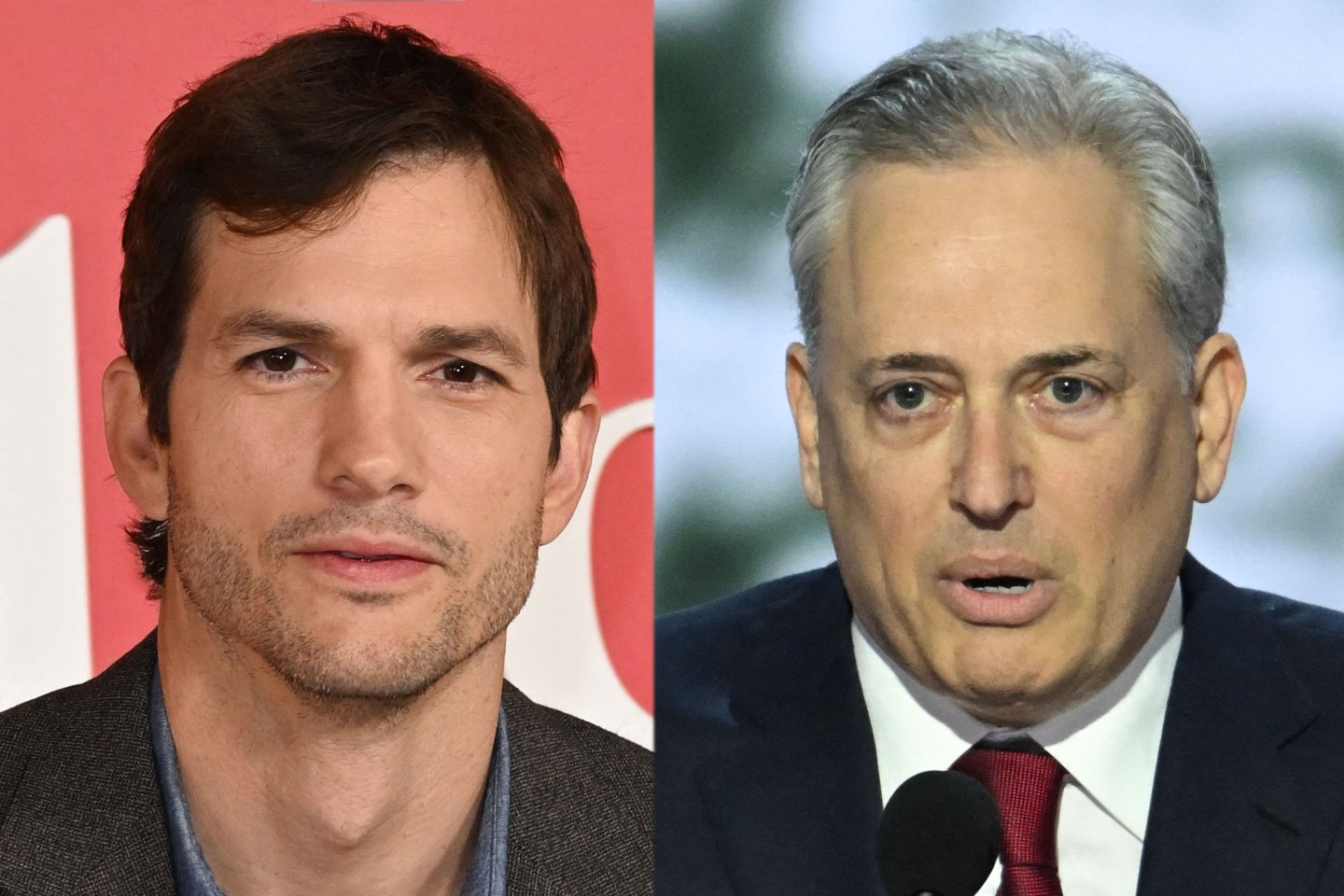
The team at Machine Shop Ventures followed shortly after and made their mark with investments in Lyft, Robinhood, Blue Bottle Coffee, and other notable ventures. Ashton Kutcher wasn’t far behind. Parlaying previously successful investments into his own VC firm, Sound Ventures (launched in 2015 with the backing of Live Nation), he arguably became the poster child for celebrity venture capitalism. By 2023, his clout in the industry was undeniable, with a newly announced AI fund of a whopping $240M and a portfolio boasting early stakes in Airbnb, Bird, Nest, Robinhood, Uber, Pinterest, and Square. These investments delivered returns that left many traditional VCs in awe.
These luminaries of entertainment realized the potency of their platforms. Their fanbases could be tapped for more than just your regular revenue streams; rather, such followings provided celebrity investors with ultimate leverage over brands in which they held an ownership stake. Instead of pocketing a $20,000 endorsement check from one of the start-ups looking to do a little marketing, they could play the long game. If they invested in companies directly and used their media reach to amplify a brand, their potential returns could skyrocket, sometimes by a multiple of 50 to even 100.
These new celebrity moguls weren’t just passive investors, either—they entered the fray, rubbing shoulders and competing for deals with Silicon Valley titans like A16Z and Sequoia Capital.
Kim Kardashian net worth
Today, the intersection of entertainment and investment extends far beyond the realm of venture capital, embracing a universe where celebrities are not just faces of brands but are also founders, investors, and financial moguls in their own right.
In my view, the quintessential example of this trend is the incomparable Kim Kardashian. As we increasingly watched celebrities monetize their brands and go from taking endorsement checks to investing in companies, Kim went a step further. She took control of the company-building process itself and began to create venture capital-worthy brands within her empire. Her portfolio includes KKW Beauty (her cosmetics brand worth more than $1 billion, making it a “unicorn” company), Skims (an underwear and apparel brand in which her stake is estimated to be worth an impressive $225 million), and now her very own private equity firm, SKKY Partners (cofounded with Jay Sammons, a former partner at the Carlyle Group) that focuses on direct-to-consumer brands.
Aside from the admirable financial success of her ventures, Kim Kardashian’s involvement in the world of business and finance stands out for another reason. The venture capital world is significantly skewed towards male founders; in 2020, only about 2.3 percent of the total capital raised through VC went to women-led startups. Overall, Kardashian’s path illustrates the evolving paradigm of what it means to be both a celebrity and a mogul, setting a new standard for women in business and beyond venture capital. With a net worth now estimated at a staggering $1.8 billion, Kardashian’s checkered past (peppered with headline-grabbing moments, from a scandalous sex tape to a short-lived marriage) now echoes as a distant backdrop to her present achievements. A lawyer, an investor, and a founder, she is a woman on a mission.
But back in 2014, much of this discovery of opportunities for celebrities to shape the world of business was still in the future. And in the backdrop of this growing star-studded investment surge, amplifying the allure of the space where showbiz met startups, was the zenith of Y-Combinator.
YC companies
In the mid-2000s, the existing venture capital landscape experienced a seismic shift with the advent of Y Combinator (YC). Launched in March 2005, YC wasn’t just another VC firm—it pioneered the startup accelerator model, a structured program wherein startups, in exchange for a sizable 7 percent of equity, would receive approximately $300,000 in seed money, as well as crucial training and industry connections. Over an intense three-month period, these budding companies honed their pitches and products, culminating in the much-anticipated Demo Day, a rite of passage during which they showcased their innovations to an eager crowd of investors.
The YC effect was palpable. As startups like Dropbox, Airbnb, Stripe, Coinbase, Instacart, and Reddit emerged from its stables, YC’s clout in the industry surged. It wasn’t just the success stories, though there were plenty of those; it was the way YC fundamentally altered the dynamic between investors and founders. Startups bearing the YC badge suddenly found doors opening more effortlessly, leveling the playing field and giving founders more leverage in future funding negotiations. Additionally, YC streamlined early-stage investing with the introduction of the SAFE (Simple Agreement for Future Equity), offering a straightforward alternative to traditional convertible notes.
What further set YC apart from its competitors was its commitment to democratizing access to capital. Unlike the closed doors of traditional VC firms, YC’s doors were open to all, ushering in a wave of innovation. This wasn’t a Silicon Valley-exclusive club; startups from all corners of the globe flocked to YC, drawn by its promise of mentorship and opportunity. And while YC’s heart was undeniably in tech, its arms reached out to diverse sectors, from biotech to hardware.
Beyond funding, YC became synonymous with startup education. With initiatives like Startup School, a plethora of insightful essays published on its blog, and invaluable advice shared freely on its platforms, YC was as much a mentor as it was an investor. The firm’s mantra of “make something people want”, emphasizing the pivotal importance of product-market fit, became the gospel for startups worldwide.
As the years rolled on, YC’s influence only deepened. It introduced the Continuity Fund, ensuring its involvement in the success stories it helped write well beyond the early stages. Throughout its evolution, YC remained a beacon, a testament to the power of mentorship, innovation, and the relentless pursuit of building something people truly want. Notably, Sam Altman, the father of ChatGPT, was one of the founding partners of Y-Combinator at the age of twenty-six, and served as president of the organization from 2014 to 2019, before he went on to focus on the creation of OpenAI full-time.
Y-Combinator, along with other leading Bay Area funds such as Sequoia and A16Z, pioneered the rinse-and-repeat venture capital framework of the early twenty-first century.
Investors turned celebrities
Looking back now, this era of celebrity venture capital was responsible for minting billions of dollars for many who seemingly got lucky overnight, giving rise to an entire culture of making fun of these “so-called” professionals. Social media influencer accounts such as “Praying for Exits” and “VC Brags,” where the VC world’s lavish ski and yacht trips, as well as unrealistic morning routines, would routinely be made fun of grew in popularity. Some VCs became celebrities in their own right, garnering large followings on social media, throwing lavish parties, and living opulent lifestyles, all while the founders they backed grinded night after night in hopes of one day achieving similar levels of wealth and renown.
In retrospect, the sudden ubiquity and meteoric rise of VC culture in this period may also have contributed to the backlash against it. It is almost like VC egos inflated overnight with matching Tesla and Patagonia vests.
Some investors went a step further, creating brands that went on to far eclipse their investing careers. One such example is the team behind the “All-In Podcast,” which has emerged as a significant voice in the realms of tech, finance, and politics, gaining a dedicated following for its insightful and often candid discussions. The podcast is hosted by a quartet of renowned investors and entrepreneurs known colloquially as the “All-In Syndicate”: Chamath Palihapitiya, a former Facebook executive and the founder of Social Capital, celebrated for his sharp insights and outspoken views on venture capital and societal issues; Jason Calacanis, a serial entrepreneur and angel investor known for a wealth of experience in the startup ecosystem, including early investments in companies like Uber and Robinhood; David Sacks, a PayPal alum and founder of Yammer with a blend of operational expertise and investment acumen; and David Friedberg, CEO of the Production Board and a former Google executive with deep knowledge of climate science and biotechnology.
Together, these four investors-cum-media-personalities provide a blend of expertise, opinion, and analysis, making the “All-In Podcast” a go-to resource for anyone interested in the intersection of technology, business, and current affairs. The four-pack has accumulated millions of Twitter followers and even started their own summit, featuring venture capital icons like Bill Gurley (the VC behind Uber’s success) and entrepreneurs including Elon Musk. Did they have successful investing careers? Sure. But what is becoming more evident each day is that their ability to create a brand together and garner the attention of large audiences is much more powerful than their ability to manage capital. They have truly taken venture capital and made it a celebrity sport.
Adapted with permission by the publisher, Wiley, from Myth of Money: Breaking Out of the Failing Financial System by Tatiana Koffman. Copyright © 2024 John Wiley & Sons, Inc. All rights reserved. This book is available wherever books and eBooks are sold.