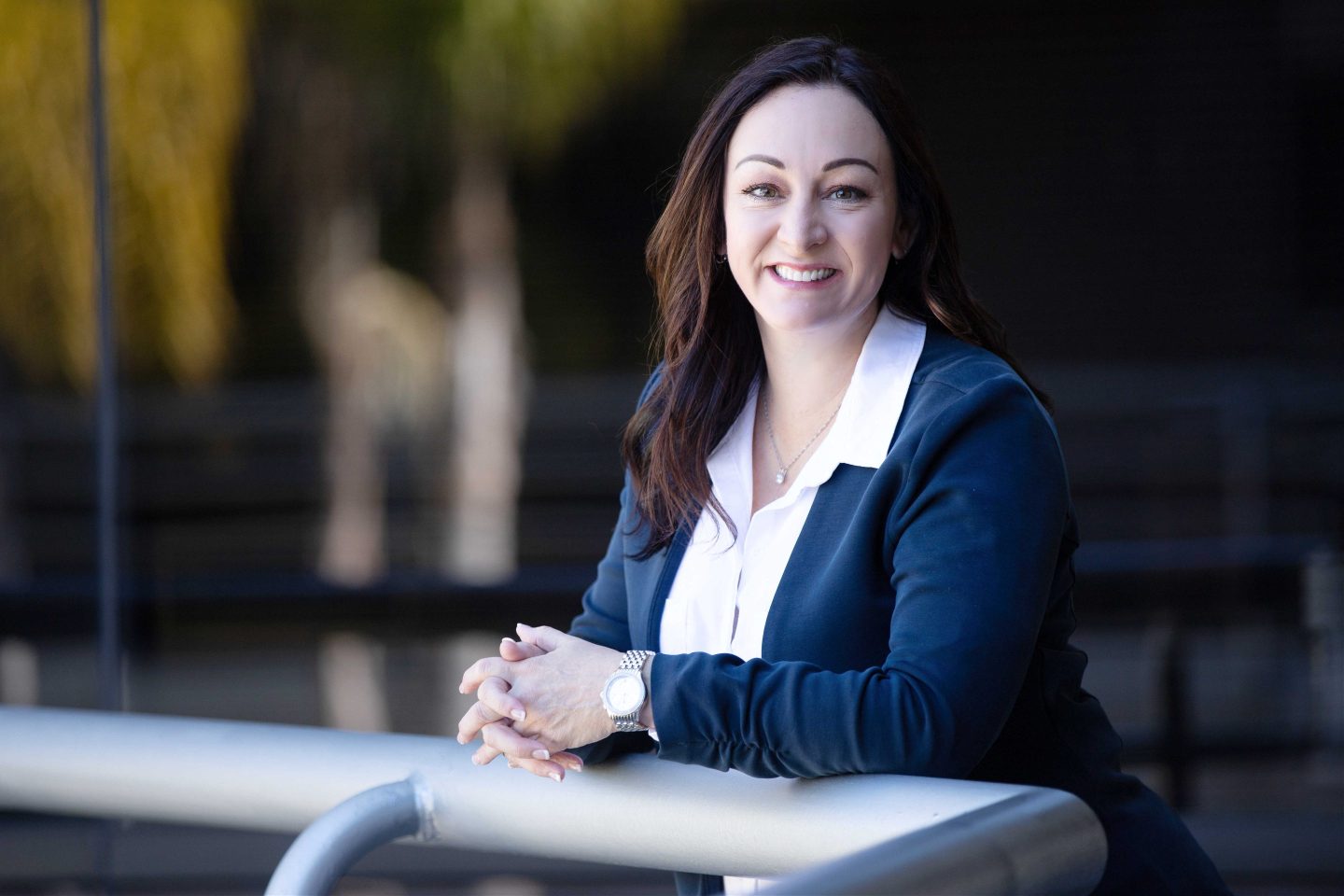
For as long as I’ve been a business owner, the narrative surrounding the baby boomer generation was all about the coming retirement wave. We were promised a mass exodus from the workforce, a seismic shift that would leave companies scrambling to fill the void. At Optima Office, an outsourced accounting and HR company I founded almost six years ago, we began preparing for the shift in the workforce by focusing on high retention. We felt that listening to the needs of our employees was one way to do that.
After speaking with some of our baby boomer employees, I realized that many of them loved their work—and mentoring the younger team members—so much that they didn’t want to hang up their hat when they turned 65. That generation was led to believe that retirement was the dream that they had worked so hard to achieve, but upon reflection, the stark transition from full-time work to full-time retirement felt more like a demotion than a reward.
While at many companies the path to retirement is a rigid ladder—climb to the top of your career, hit a designated age, and then retire—this one-size-fits-all approach often leaves retirees grappling with financial anxieties, identity shifts, and a sudden loss of purpose. Some forward-thinking companies are reimagining retirement with a new approach, and I decided we would create an alternative option at Optima Office: flextirement.
Easing into retirement
Flextirement is a flexible work arrangement designed to ease the transition between full-time employment and retirement with flexible hours, reduced workloads, and phased approaches to leaving the workforce. This bridge offers a lower-stress transition by easing into retirement by working 10, 20, or 30 hours instead of 40, allows flextirees to adjust to an income shift, explore hobbies, and spend more time with loved ones, all while gradually letting go of work. For most of our flextirees, working part-time is a privilege. For others, it may be a financial necessity. According to a Bankrate survey, 56% of workers in the U.S. believe they’re behind on their retirement savings.
For business owners like myself, there are many advantages. Seasoned employees, when transitioning to a flextirement role, can become invaluable mentors for younger colleagues. Plus, as we know well, as an outsourced HR company, finding and training replacements for senior employees can be expensive. Flextirement provides a cost-effective way to attract experienced employees and retain them—and their institutional knowledge.
I’ve always advocated for a very flexible work environment, and Optima Office offered flextirement from day one. We need highly skilled resources such as CFOs, and I’ve found an incredible talent pool that is near retirement or coming out of retirement to work part-time. It’s important to note, however, that we don’t just give our employees nearing retirement a flexible place to work; we let people of all ages work the hours that make sense for them. In fact, there are only a dozen of our 100 employees who work more than 40 hours a week, and that is by choice.
Flextirement has had an incredibly positive impact for our team at Optima Office. These seasoned veterans, the ones with decades of experience under their belts, didn’t have to completely step away. They craved a balance—the intellectual stimulation of their careers without the full-time commitment. And for us as a company, the benefits were undeniable, reaping the value of their experience and know-how.
Today, 12 of our employees are on a flextirement plan. They work anywhere from 12 to 25 hours a week, mentor junior employees, and contribute to specific projects where their expertise shines. They are able to make their own schedule and spend time with grandkids, but also give their many years of expertise to the companies who need them. Beyond technical expertise, our flextirees bring a wealth of soft skills honed over decades of experience. They understand team dynamics, the art of negotiation, and the importance of clear communication. These are invaluable lessons for our younger workforce.
Our flextirees are demonstrably happier and more engaged. They have the time for their personal lives, hobbies, and families, yet they remain connected to the work they love. This, in turn, fosters a company culture that prioritizes well-being and work-life balance. And, as I mentioned, it isn’t just boomers that get this benefit; I’ve always let our team work part-time if that is what fits their lifestyle, so there is no resentment from younger employees.
Embracing flextirement
To implement this, you could start by offering part-time roles to the older generation. Start in areas you need them most! It could even be in positions such as assistant work or administrative. Or it could be in highly skilled areas such as the C-suite.
Be open-minded when speaking with candidates. Outside of flextirement, consider how many parents want a more gradual transition back from maternity/paternity leave or want to work part-time while their children are young. As a mom of a toddler, I have learned this firsthand and have since also made it an official policy at Optima Office to provide additional flexibility to parents so they know they have our support to adjust their work schedule in different stages of their parenting journey. Many of our baby boomer flextirees—now working part-time in order to take on a more active role in their grandchildren’s lives—wish they had this arrangement when they were new parents as well.
As the baby boomer generation continues to redefine retirement, flextirement is poised to become more commonplace. Companies that embrace this model will reap the benefits of a wealth of experience, knowledge transfer, and a happier, more engaged workforce. Here at Optima Office, we’re not just weathering the storm of a changing workforce, we’re riding the wave. Flextirement isn’t a concession, it’s a nontraditional approach to retirement with advantages for companies and their employees.
As more companies embrace this innovative approach, the traditional retirement cliff might just become a gentle, flexible slope where everyone can find their own comfortable landing point.
Read more:
- Why I’m still working at the age of 73—and yes, I know that sounds horrible to many
- Count me among the boomers shunning retirement. I’m leading a startup in my 60s despite being set for life
- I’m nearing 65 and am better than ever at my job. With more boomers opting not to retire, I’m not alone
- Retirement is becoming just the ‘third half’ of life. Here are the 4 key mindsets we’ve identified among the new generation of retirees
The opinions expressed in Fortune.com commentary pieces are solely the views of their authors and do not necessarily reflect the opinions and beliefs of Fortune.