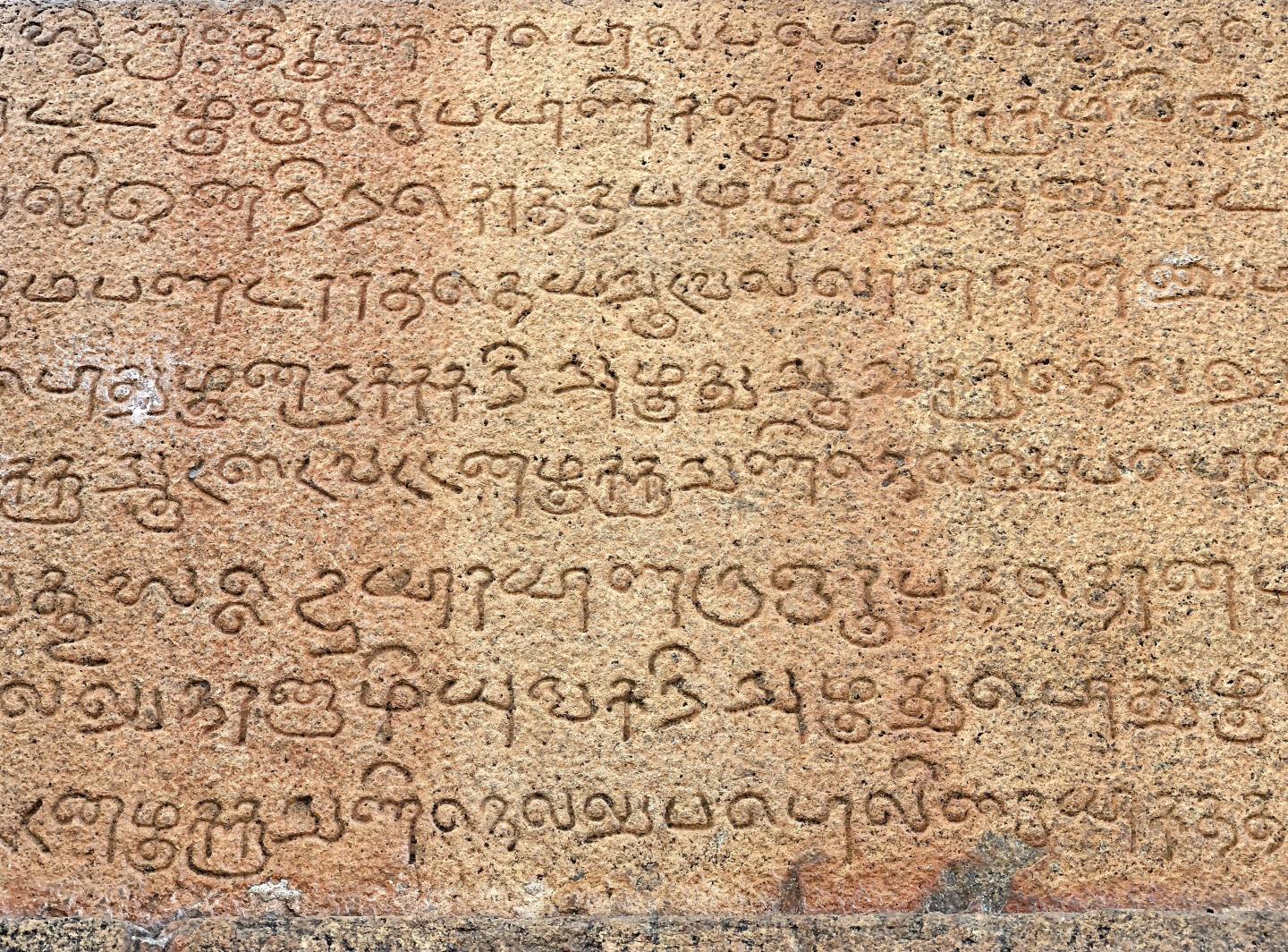
Around the world, thousands of languages are in danger of going extinct. According to the United Nations, an indigenous language has been dying every two weeks. The loss to humanity is difficult to fathom. Languages are filled with unique ideas, concepts, and understandings that don’t always translate since other languages simply don’t have words for them. As linguist Anastasia Riehl put it, languages are not only a vital source of culture and identity for individual communities, but also benefit the world as “an invaluable source of information about human cognition.”
A big part of what endangers indigenous languages is the shift into the digital age. One particularly concerning study by researcher András Kornai predicted that “less than 5% of all languages can still ascend to the digital realm,” and warned that there is “evidence of a massive die-off caused by the digital divide.”
As humanity carries out more and more of its communications through digital tools, languages that aren’t carried or supported by dominant digital platforms are likely to be forgotten. Researchers have coined a term for this: “digitally disadvantaged languages.”
The curious case of Tamil
I speak one of the world’s oldest languages, Tamil. It’s the native tongue of Vice President Kamala Harris’ mother–and one that Harris referenced in accepting the vice presidential nomination. It’s also the first language of Google CEO Sundar Pichai. It’s the language that Mahatma Gandhi wanted to learn in order to understand the Thirukkural, a renowned work on ethics and morality, in its original form.
With reports suggesting that more than 70 million people speak Tamil, including about 250,000 in the United States, it is not currently considered a dying language. But I see how it is digitally disadvantaged. I spend time in both the United States and Chennai, India, where I grew up. Chennai is in the state of Tamil Nadu, where Tamil is the official language. But every year, I see English take over more and more of the signs, product labels, business conversations, and pop culture in the region. Even when Tamil is used in public places, it’s more and more often transliterated into English (Latin characters).
In addition to cultural reasons (like Tamil sadly being looked down on at times in places like Chennai, in favor of English), the digital reality is a major driving force in this shift. People, especially in younger generations, get used to making English the language they turn to first since most computers and phones are designed for English. So even when people know Tamil, they often type in English characters. In Tamil, we have 247 characters. Some technologists are building tools to help make typing Tamil an efficient, positive experience. DCKAP (the company I lead) is among them, working on a new keyboard for Tamil speakers. We take inspiration from designers who created a solution for the Chinese language.
In recent months, it’s become clear that a new wave of technology offers a potentially transformative effect. Generative AI can help a great deal in breathing new life into languages for the digital era.
Making AI a home for ancient tongues
Much of what excites people about generative AI is its ability to “understand” and replicate the ways humans talk to each other. It has a snowball effect. The more people use generative AI tools such ChatGPT and Bard, the better these tools become at understanding and replicating the language. Currently, they are only proficient in the languages that dominate the internet–especially English.
This presents a profound opportunity for linguists, technologists, and others who are working to move languages into the digital realm. Building generative AI tools for at-risk languages will give speakers a chance to teach AI how they speak their native tongues in natural conversations. AI tools will also improve translation and interpretation apps aimed at helping people communicate across different languages. The better the digital world understands and translates the intended meanings of phrases, idioms, and ideas, the more people will feel they can express themselves in their native languages.
One of the most pressing reasons to do all this is for business. There are talented people across the world who speak thousands of languages, and who currently cannot get jobs with many large corporations that may require English. With AI providing instant translations that capture ideas and nuances, people will be able to express themselves to colleagues who speak different languages without slowing down the pace of business.
Businesses will also be able to reach entire new markets of consumers. With AI technologies improving for phone cameras, people will be able to point their phones at any sign or product and have it instantly translated into their native tongue. Today, most such apps translate fewer than 200 of the 7,000 languages spoken around the world.
Of course, this also means ensuring that more and more people have access to the Internet and AI tools. Currently about two-thirds of humanity, more than 5 billion people, are online.
Building as many languages as possible into this new era of AI isn’t just an opportunity, it’s an imperative. If people looking to join the AI revolution find that their language precludes them from being a part of it, then they’ll naturally let it go and move to a more dominant language. But if AI tools become home to everything from Hawaiian to Arhuaco to Siphuti, these languages can be saved before it’s too late.
Karthik Chidambaram is the founder and CEO of DCKAP, an integration platform provider.
More must-read commentary published by Fortune:
- Economic pessimists’ bet on a 2023 recession failed. Why are they doubling down in 2024?
- ‘Parroting Putin’s propaganda’: The business exodus over Ukraine was no Russian bonanza
- WEF president: ‘It’s time to revitalize trade—and reverse the trend of Slowbalization’
- The anti-DEI movement has gone from fringe to mainstream. Here’s what that means for corporate America
The opinions expressed in Fortune.com commentary pieces are solely the views of their authors and do not necessarily reflect the opinions and beliefs of Fortune.