• Home
  • News
  • Fortune 500
  • Tech
  • Finance
  • Leadership
  • Lifestyle
  • Rankings
  • Multimedia
FinanceEconomy

A reimagining of the global economic order could mean supply chains that are shorter and ‘more regional,’ McKinsey says in a new report

By
Alena Botros
Alena Botros
Former staff writer
Down Arrow Button Icon
By
Alena Botros
Alena Botros
Former staff writer
Down Arrow Button Icon
November 16, 2022, 5:51 PM ET
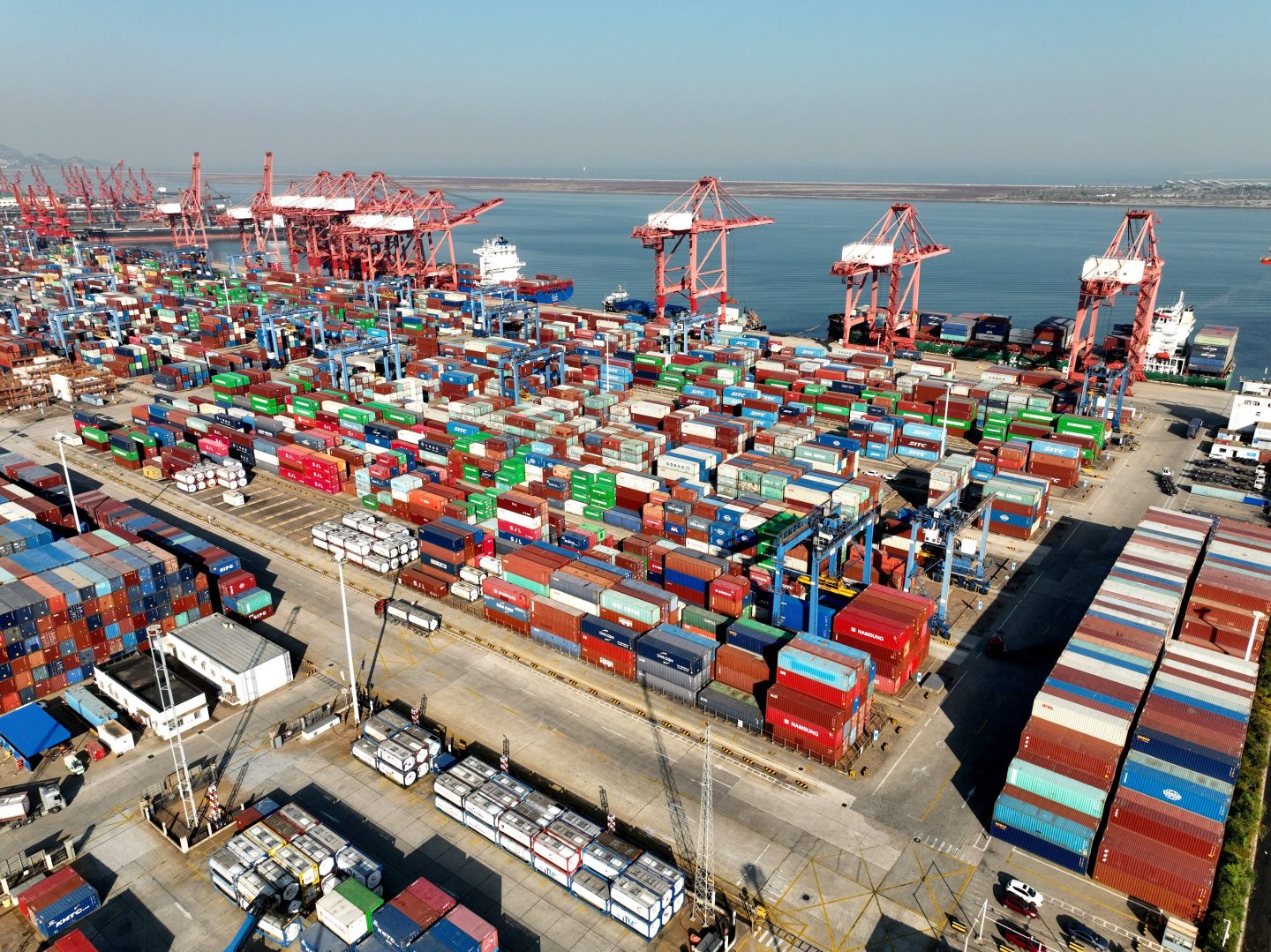
Photo of a shipping port.
Cargo ships load and unload containers at a shipping port in China. CFOTO/Future Publishing—Getty Images

Over the last two years there’s been a shift in trade due to battered supply chains amid the pandemic, Russia’s invasion of Ukraine, and rising tensions between the U.S. and China. The disruption has prompted speculation that trade will, in the future, be less global, thereby making the world less connected.

But there’s another possibility: What’s happening now is that global connections are merely “reconfiguring,” management and consulting firm McKinsey, said in a new report. 

And that means that some supply chains could “shorten and become more regional” in the years ahead to better protect against disruptions and be more responsive to fluctuating demand. 

“In cases where supply chains do shorten, it may provide increased flexibility and proximity to the final market, which in some sectors (but not all) can lead to lower costs,” McKinsey said in a statement.

The international supply system is under significant strain, and depending on one market alone is risky, the report said. Still, the world is more connected than ever, and no region is close to being fully self-sufficient. 

“The challenge is to harness the benefits of interconnection while managing the risks from interdependency,” the report said. “Disruptions to flows can create disproportionate downstream impact on economies and on firms, ranging from the largest multinational corporations to the smallest micro businesses.”

Any evolution or change to the system could take years, but that doesn’t mean they aren’t beginning to happen. 

Within the electronics and textiles sectors, certain products come from only a few different places. Of those products, China exports more than half, the report said.

In recent weeks, U.S. companies have increasingly gone public with their transitions away from China as part of their effort to avoid that nation’s COVID lockdowns and policies that sometimes create supply chain chaos. 

After experiencing production delays because of China’s lockdowns, Apple is looking to source chips for its devices from a plant under construction in Arizona, Bloomberg reported, citing remarks made by the company’s CEO Tim Cook in an internal meeting. 

Meanwhile, Ford and Boeing are two companies that have moved some of their overseas operations closer to the U.S., in what is known as nearshoring, to limit supply chain challenges. Bank of America analysts have described it as a “lifetime opportunity” for Mexico, which could become a major beneficiary of the shift. 

Additionally, in terms of semiconductors, some countries (including the U.S., which enacted the CHIPS Act to boost the nation’s semiconductor research and development) have announced measures to bolster their domestic chip supplies—representative of the gradual shifts in supply chains. These shifts typically occur when there are broader economic changes, like new manufacturing hubs, advances in technology, and/ or barriers to trade. 

“New forces are emerging that could shape and accelerate the next evolution of some value chains,” the report said. 

Nonetheless, McKinsey notes that multinational corporations, which account for two-thirds of global exports, are key to managing global trade flows because of their “disproportionate influence” in being at the center of the system. It puts “them in the eye of the current storm but also in pole position to shape the future in favor of growth and prosperity,” the report said. 

Which means they should look to strengthen their own supply chains and expand their ability to operate in foreign markets.  

“Firms that reimagine rather than retreat from interconnection can reshape value chains in ways that contribute to both growth and resilience,” the report said. 

Update, November 16, 2022: This article was updated from the original with a comment from McKinsey and additional information.

Our new weekly Impact Report newsletter will examine how ESG news and trends are shaping the roles and responsibilities of today's executives—and how they can best navigate those challenges. Subscribe here.


About the Author
By Alena BotrosFormer staff writer
LinkedIn iconTwitter icon

Alena Botros is a former reporter at Fortune, where she primarily covered real estate.

See full bioRight Arrow Button Icon

Latest in Finance

AIIntuit
How Intuit’s Chief AI Officer supercharged the company’s emerging technologies teams—and why not every company should follow his lead
By John KellDecember 5, 2025
1 hour ago
A stack of gold bars.
Personal Financegold prices
Current price of gold as of December 5, 2025
By Danny BakstDecember 5, 2025
2 hours ago
Trump
Personal FinanceHealth Insurance
Trump wants more health savings accounts. A catch: they can’t pay insurance premiums
By Amanda Seitz and KFF Health NewsDecember 5, 2025
2 hours ago
Paul Atkins
CommentaryCorporate Governance
Turning public companies into private companies: the SEC’s retreat from transparency and accountability
By Andrew BeharDecember 5, 2025
2 hours ago
Current price of silver as of Friday, December 5, 2025
Personal Financesilver
Current price of silver as of Friday, December 5, 2025
By Joseph HostetlerDecember 5, 2025
2 hours ago
NewslettersCFO Daily
Gen Z fears AI will upend careers. Can leaders change the narrative?
By Sheryl EstradaDecember 5, 2025
4 hours ago

Most Popular

placeholder alt text
Economy
Two months into the new fiscal year and the U.S. government is already spending more than $10 billion a week servicing national debt
By Eleanor PringleDecember 4, 2025
1 day ago
placeholder alt text
Success
‘Godfather of AI’ says Bill Gates and Elon Musk are right about the future of work—but he predicts mass unemployment is on its way
By Preston ForeDecember 4, 2025
24 hours ago
placeholder alt text
Success
Nearly 4 million new manufacturing jobs are coming to America as boomers retire—but it's the one trade job Gen Z doesn't want
By Emma BurleighDecember 4, 2025
1 day ago
placeholder alt text
Success
Nvidia CEO Jensen Huang admits he works 7 days a week, including holidays, in a constant 'state of anxiety' out of fear of going bankrupt
By Jessica CoacciDecember 4, 2025
23 hours ago
placeholder alt text
Economy
Tariffs and the $38 trillion national debt: Kevin Hassett sees ’big reductions’ in deficit while Scott Bessent sees a ‘shrinking ice cube’
By Nick LichtenbergDecember 4, 2025
22 hours ago
placeholder alt text
Health
Bill Gates decries ‘significant reversal in child deaths’ as nearly 5 million kids will die before they turn 5 this year
By Nick LichtenbergDecember 4, 2025
1 day ago
Rankings
  • 100 Best Companies
  • Fortune 500
  • Global 500
  • Fortune 500 Europe
  • Most Powerful Women
  • Future 50
  • World’s Most Admired Companies
  • See All Rankings
Sections
  • Finance
  • Leadership
  • Success
  • Tech
  • Asia
  • Europe
  • Environment
  • Fortune Crypto
  • Health
  • Retail
  • Lifestyle
  • Politics
  • Newsletters
  • Magazine
  • Features
  • Commentary
  • Mpw
  • CEO Initiative
  • Conferences
  • Personal Finance
  • Education
Customer Support
  • Frequently Asked Questions
  • Customer Service Portal
  • Privacy Policy
  • Terms Of Use
  • Single Issues For Purchase
  • International Print
Commercial Services
  • Advertising
  • Fortune Brand Studio
  • Fortune Analytics
  • Fortune Conferences
  • Business Development
About Us
  • About Us
  • Editorial Calendar
  • Press Center
  • Work At Fortune
  • Diversity And Inclusion
  • Terms And Conditions
  • Site Map

© 2025 Fortune Media IP Limited. All Rights Reserved. Use of this site constitutes acceptance of our Terms of Use and Privacy Policy | CA Notice at Collection and Privacy Notice | Do Not Sell/Share My Personal Information
FORTUNE is a trademark of Fortune Media IP Limited, registered in the U.S. and other countries. FORTUNE may receive compensation for some links to products and services on this website. Offers may be subject to change without notice.