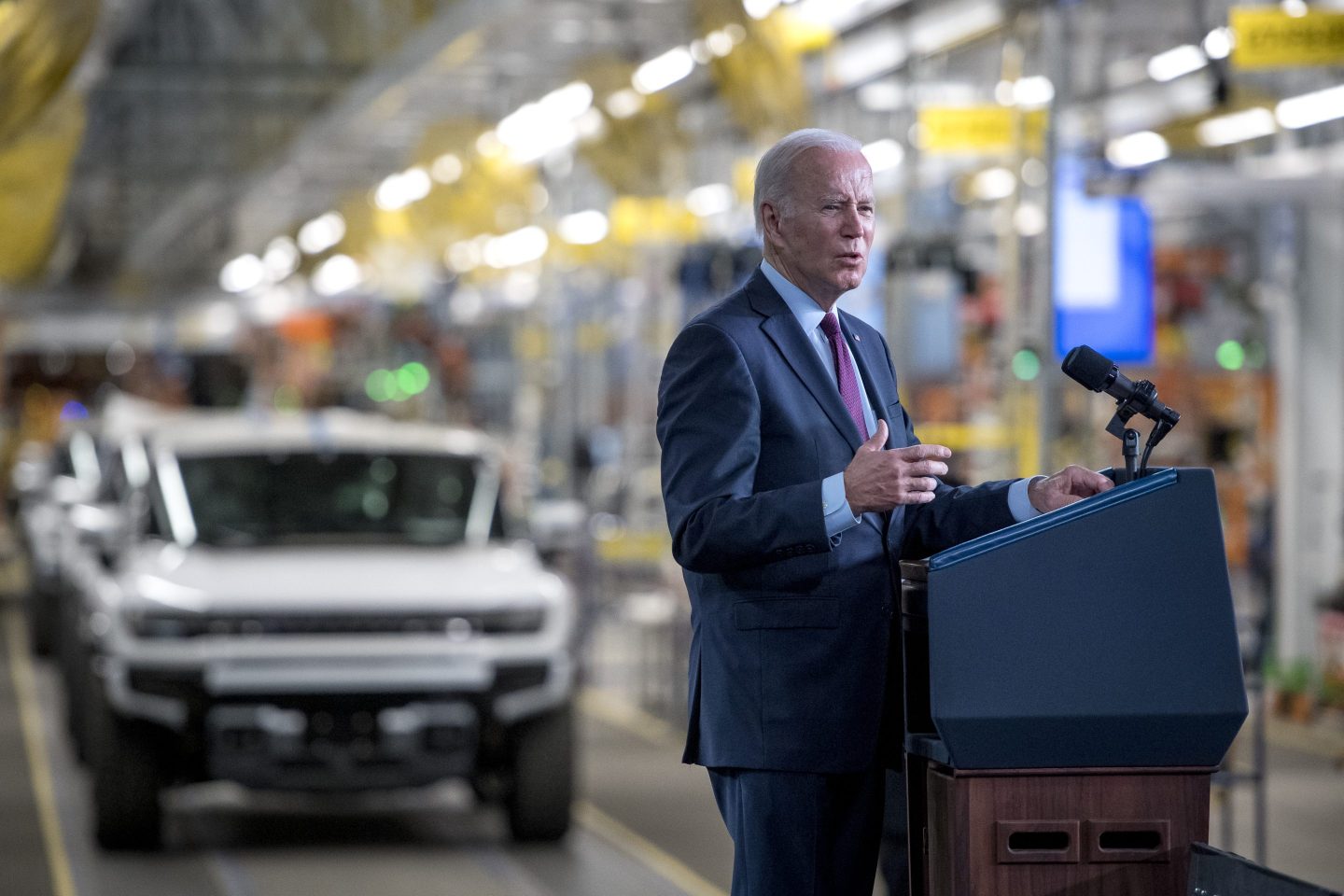
As we look toward how we move from point A to point B in the future, one of the most important components of the recently passed infrastructure bill is the $7.5 billion earmarked for electric vehicle (EV) infrastructure. With new investment in electrifying our roads, we have taken one major step to unlocking mass EV adoption across the U.S. and curb transportation-related emissions, which now total 29% of total US emissions.
While there is cause to celebrate, the hard work is ahead of us. The $7.5 billion in funding is an incredible amount of capital dedicated to EV infrastructure alone, but it won’t flip the switch for mass electrification overnight. The money will go toward building a robust national charging network and given today’s economics, along with potential state and federal subsidies, could move us toward the 500,000 EV charging stations the Biden Administration is looking to accomplish.
In order to maximize this funding, consumers will need to be front and center. Today, the EV ecosystem is unfamiliar to most consumers, creating uncertainty that prevents many from interacting with the market. But if this federal funding is expended strategically, consumers will see how easy it is to switch to EVs and the benefits that come with it.
The need for strategic deployment
The first step in building confidence among consumers is to install EV charging stations in high-touch public spaces, such as workplaces, retail locations, parks, and more. By doing so, consumers will not only become more familiar with the technology but will also be provided with ample charging stations in locations where they are most needed.
Contrary to the popular opinion of “the faster, the better” that extols the benefits of DC fast charging, Blink Charging believes that the road to widespread, efficient, and accessible charging infrastructure will be paved with L2 chargers, alongside strategically placed DC fast chargers. L2 charging takes about eight hours for a full charge–enough time to finish a day’s work or to recharge overnight. There are specific instances where DC fast charging is the superior choice, such as on highways, for certain fleets, on major evacuation routes, and to facilitate long-distance EV driving. But with the average person driving only 40 miles per day, it is expected that over 80% of EV drivers will charge at home and at locations with high dwell times.
The economics of EV energy
In order for consumers to switch to EVs, it must be economically advantageous. The foundation of any successful national EV strategy will hinge on the ability to get energy at the lowest cost, store it, and then pass along these low costs to consumers.
To do this, charging stations will need to integrate battery technology that can store renewable energy when it is not in use. As battery technology advances, this will provide consumers with sufficient energy to fuel their vehicles at a cheaper cost. Consumers can also benefit from energy management, which automates flexible energy use and storage to maximize efficiency and enables a future where multiple consumers can charge their EVs efficiently and simultaneously, further simplifying the charging experience.
Equal access
One of the most important, yet overlooked, aspects of transitioning to electrified transportation is that it will require equal access to the EV ecosystem. While a lot of focus today is centered on emerging technologies, not everyone can afford the next-generation EV. If the electric transition is going to be successful, the industry must meet all consumers where they are.
This includes EV charging infrastructure. Millions of Americans do not have access to a personal or public garage–one of the largest barriers to adoption today, and a reality that impacts disadvantaged and lower-income communities in particular. They will need access to affordable and reliable streetside charging. This critical infrastructure will need to be easily accessible to all Americans, not just a few. For example, Blink Mobility’s BlueLA car-sharing program in coordination with the City of Los Angeles aims to provide charging infrastructure in every zip code.
This wave of funding is a milestone opportunity to expand access to affordable and reliable EV charging across the country. Let’s make sure we get it right.
Michael D. Farkas is the founder and CEO of Blink Charging
More must-read commentary published by Fortune:
- We can’t walk blindly into the metaverse
- I know how lobbyists make sure Americans don’t get dental care–I was one of them
- Millennials and Gen Z are a growing force in investing. The market needs to catch up
- Don’t let them tell you inflation is good for the poor. It’s not
- Rise of the (fast food) robots: How labor shortages are accelerating automation
Subscribe to Fortune Daily to get essential business stories straight to your inbox each morning.