• Home
  • Latest
  • Fortune 500
  • Finance
  • Tech
  • Leadership
  • Lifestyle
  • Rankings
  • Multimedia
CommentaryInnovation

How patents help us invent the future

By
Darío Gil
Darío Gil
Down Arrow Button Icon
By
Darío Gil
Darío Gil
Down Arrow Button Icon
January 13, 2021, 11:30 AM ET
“Patents drive innovation and a nation’s economic performance,” writes IBM’s Darío Gil.
“Patents drive innovation and a nation’s economic performance,” writes IBM’s Darío Gil.Getty Images

I remember my first IBM patent. 

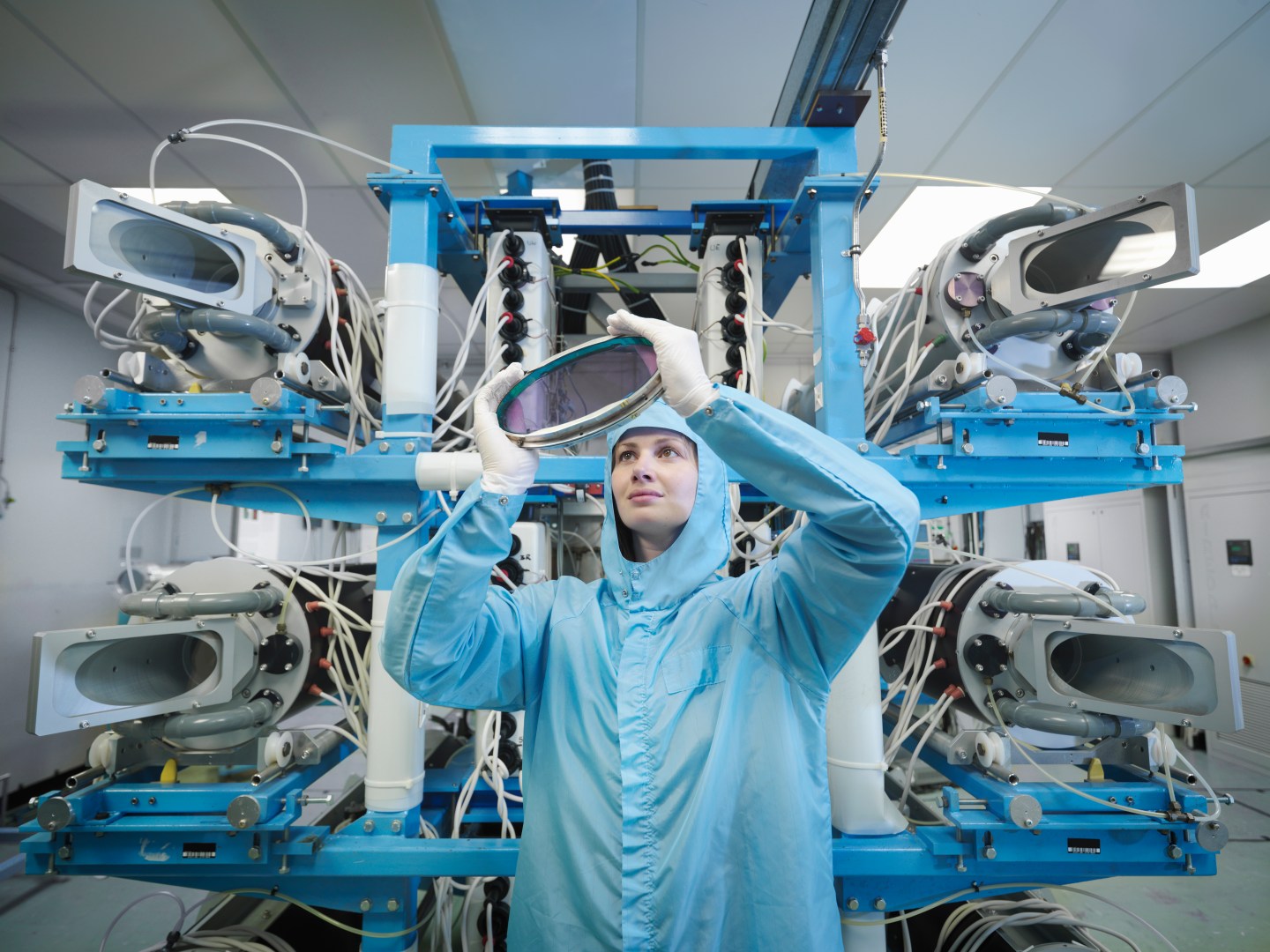
Granted to my colleagues and myself in 2005, it was for a topcoat waterproof material for a photoresist—a light-sensitive substance used to make circuit patterns for semiconductor chips. It was a proud moment for me—especially because I knew that this patent contained novel capabilities that were critical for a brand-new technology called immersion lithography. This technology soon became the basis for how all advanced chips are manufactured, even to this day. 

A patent is evidence of an invention, protecting it through legal documentation and, importantly, published for all to read. We scientists and engineers, at IBM and elsewhere, are actively planting the research seeds for the bleeding-edge technological world of tomorrow. At my company, our most recent patents span artificial intelligence (A.I.), the hybrid cloud, cybersecurity, and quantum computing. It doesn’t get more future-looking than this. 

The U.S. patent system goes back to the very dawn of our nation. It is detailed in the Constitution, enabling the Congress to grant inventors the exclusive right to their discoveries for a specific period of time. It is an assurance designed to motivate inventors to keep innovating. 

One might argue against having patents that don’t immediately get turned into commercial products. But I disagree. Inventing something is similar to putting forward a well thought out theory that may, one day, be verified experimentally. Perhaps it won’t be put to use straight away, but it’s still vital to have theories to enhance our overall understanding of a field and to keep progress going. Having future-looking patents is just as important as having those aimed at products of today, and a broad portfolio of scientific advances always ends up contributing to waves of innovation. 

Patents drive innovation and a nation’s economic performance. Over the years, they have given us breakthrough technologies such as the laser, self-driving cars, graphene, and solar panels. We at IBM have developed and patented such widely used products as the automated teller machine (ATM), speech-recognition technology, B2B e-commerce software with consumer-like shopping features for processing business orders, the hard disk drive, DRAM (the ubiquitous memory that powers our phones and computers), and even the famous floppy disk that’s now history, to name just a few. In fact, as was reported this week, 2020 was the 28th year in a row that IBM led the U.S. in the number of patents granted.

A patent’s assurance of the protection of inventions is a key reason why companies invest billions of dollars in research and development. This results in scientists and engineers at different companies trying to find the best, most original solutions to the world’s problems, paving the way for new and better products. And we haven’t run out of global problems to solve, far from it. Innovation is what helps us deal with pandemics, tackle global warming, address energy and food shortages, and much more. 

I’ll end with a reflection. A vibrant culture of innovation combines patenting, publishing, and contributing to open-source and active in-market experimentation and discovery. All are needed, fueled by the joy that innovators experience with the spark of novel ideas, and the desire to bring them to life.  

Darío Gil is senior vice president and director of IBM Research. He is also responsible for IBM’s intellectual property strategy and business.

About the Author
By Darío Gil
See full bioRight Arrow Button Icon

Latest in Commentary

Julian Braithwaite is the Director General of the International Alliance for Responsible Drinking
CommentaryProductivity
Gen Z is drinking 20% less than Millennials. Productivity is rising. Coincidence? Not quite
By Julian BraithwaiteDecember 13, 2025
18 hours ago
carbon
Commentaryclimate change
Banking on carbon markets 2.0: why financial institutions should engage with carbon credits
By Usha Rao-MonariDecember 13, 2025
19 hours ago
Dr. Javier Cárdenas is the director of the Rockefeller Neuroscience Institute NeuroPerformance Innovation Center.
Commentaryconcussions
Fists, not football: There is no concussion protocol for domestic violence survivors
By Javier CárdenasDecember 12, 2025
2 days ago
Gary Locke is the former U.S. ambassador to China, U.S. secretary of commerce, and governor of Washington.
CommentaryChina
China is winning the biotech race. Patent reform is how we catch up
By Gary LockeDecember 12, 2025
2 days ago
millennial
CommentaryConsumer Spending
Meet the 2025 holiday white whale: the millennial dad spending $500+ per kid
By Phillip GoerickeDecember 12, 2025
2 days ago
Sarandos
CommentaryAntitrust
Netflix, Warner, Paramount and antitrust: Entertainment megadeal’s outcome must follow the evidence, not politics or fear of integration
By Satya MararDecember 12, 2025
2 days ago

Most Popular

placeholder alt text
Success
Apple cofounder Ronald Wayne sold his 10% stake for $800 in 1976—today it’d be worth up to $400 billion
By Preston ForeDecember 12, 2025
2 days ago
placeholder alt text
Economy
Tariffs are taxes and they were used to finance the federal government until the 1913 income tax. A top economist breaks it down
By Kent JonesDecember 12, 2025
2 days ago
placeholder alt text
Success
40% of Stanford undergrads receive disability accommodations—but it’s become a college-wide phenomenon as Gen Z try to succeed in the current climate
By Preston ForeDecember 12, 2025
2 days ago
placeholder alt text
Economy
The Fed just ‘Trump-proofed’ itself with a unanimous move to preempt a potential leadership shake-up
By Jason MaDecember 12, 2025
1 day ago
placeholder alt text
Success
Apple CEO Tim Cook out-earns the average American’s salary in just 7 hours—to put that into context, he could buy a new $439,000 home in just 2 days
By Emma BurleighDecember 12, 2025
2 days ago
placeholder alt text
Economy
For the first time since Trump’s tariff rollout, import tax revenue has fallen, threatening his lofty plans to slash the $38 trillion national debt
By Sasha RogelbergDecember 12, 2025
2 days ago
Rankings
  • 100 Best Companies
  • Fortune 500
  • Global 500
  • Fortune 500 Europe
  • Most Powerful Women
  • Future 50
  • World’s Most Admired Companies
  • See All Rankings
Sections
  • Finance
  • Leadership
  • Success
  • Tech
  • Asia
  • Europe
  • Environment
  • Fortune Crypto
  • Health
  • Retail
  • Lifestyle
  • Politics
  • Newsletters
  • Magazine
  • Features
  • Commentary
  • Mpw
  • CEO Initiative
  • Conferences
  • Personal Finance
  • Education
Customer Support
  • Frequently Asked Questions
  • Customer Service Portal
  • Privacy Policy
  • Terms Of Use
  • Single Issues For Purchase
  • International Print
Commercial Services
  • Advertising
  • Fortune Brand Studio
  • Fortune Analytics
  • Fortune Conferences
  • Business Development
About Us
  • About Us
  • Editorial Calendar
  • Press Center
  • Work At Fortune
  • Diversity And Inclusion
  • Terms And Conditions
  • Site Map

© 2025 Fortune Media IP Limited. All Rights Reserved. Use of this site constitutes acceptance of our Terms of Use and Privacy Policy | CA Notice at Collection and Privacy Notice | Do Not Sell/Share My Personal Information
FORTUNE is a trademark of Fortune Media IP Limited, registered in the U.S. and other countries. FORTUNE may receive compensation for some links to products and services on this website. Offers may be subject to change without notice.










