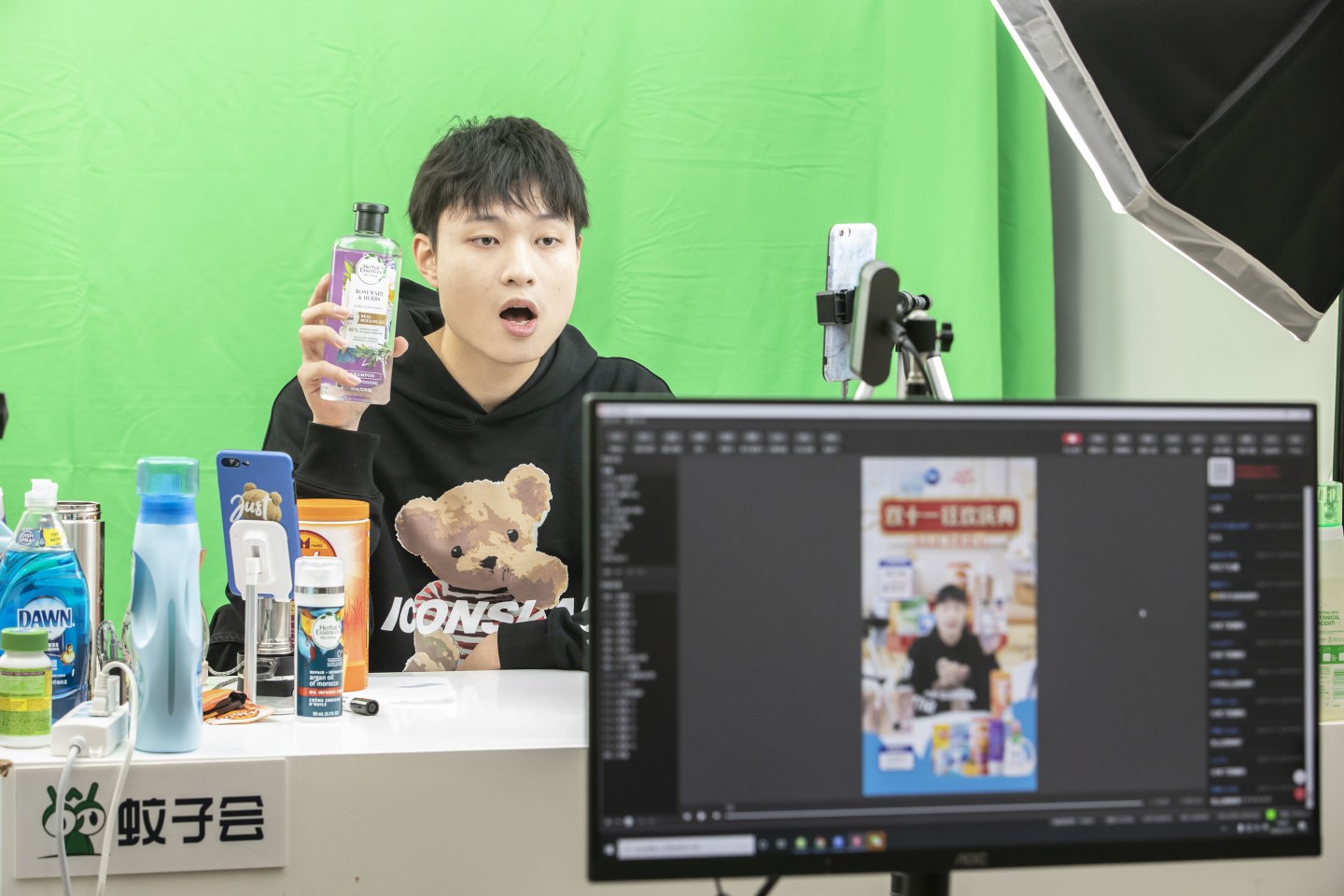
Livestream shopping is one of the hottest trends to emerge from a pandemic-scarred 2020, as retailers and brands embrace this virtual approach to engaging consumers. At Qurate Retail, we have a unique vantage point to observe this global phenomenon, as our HSN team invented live video shopping on TV about 40 years ago, and today our QVC and HSN brands form one of the world’s largest video commerce platforms, reaching 380 million homes. We’re excited to see so many companies embrace and elevate this powerful form of retailing.
As chair of the National Retail Federation (NRF), I’ve observed firsthand the remarkable resilience and innovative spirit of our industry in this difficult hour, with retailers deploying new shopping approaches in weeks or months that might have taken years in ordinary times. Livestream shopping—using live video to share products, answer questions, and close sales with customers who are joining remotely to watch, chat, and buy—is a natural outgrowth of the original TV-centered model and has been gradually gaining traction in recent years. But now, responding to shopping restrictions imposed by the pandemic, retailers and brands worldwide are racing to add live, interactive video experiences into their marketing mix.
(Qurate Retail and NRF members stand to benefit from the livestream shopping trend highlighted in this piece.)
The current livestream shopping craze has its roots in China in the mid-2010s, when influencers began using live video apps to take their fans with them as they traveled to boutiques in New York or Los Angeles, sharing and explaining products along the way. These virtual journeys offered viewers a glimpse of exotic locations with the option to discover and buy products that were not readily available in China.
China’s e-commerce giants, meanwhile, began offering live events via video, hosted by celebrities, with live chat and seamless purchasing. Chinese consumers loved it. On Singles Day 2019, Taobao’s sales event featured an eight-hour livestream with popular influencer Viya that attracted more than 43 million customers. In 2020, livestream shopping was projected to generate about $136 billion in revenue in China. Nonetheless, the financial viability of China’s approach remains a question mark, in part because of its reliance on celebrities to attract audiences, a costly approach that doesn’t always translate into brand loyalty and repeat purchasing.
In the U.S. and Europe, a variety of approaches are emerging. As in China, the leading model involves adding video commerce to popular e-commerce or social apps to tap their audiences and influencers. Instagram has added shopping capabilities throughout its apps, including Instagram Live. Facebook is developing native livestream shopping tools, with one headline announcing that “Facebook Live is the new QVC.” Walmart recently began partnering with TikTok to offer its products via livestream. Amazon launched Amazon Live, with an array of shoppable shows and a suite of tools that enable brands to create their own programming.
Other players are developing online marketplaces for livestream shopping or are helping retailers and brands use livestreams to engage audiences on their digital properties. Some are experimenting with more personalized livestreams that connect customers to shoppers or staff in-store or allow users to sell directly to each other.
This whirlwind of activity around livestream shopping reflects several megatrends. Digital media consumption is exploding, as new technologies make it easier than ever to create and share video-based experiences. Celebrities and social influencers are having a growing impact on purchase decisions. COVID-19 has pushed millions of consumers to increasingly interact with retailers and brands online, and many will likely continue to do so long after the pandemic is over.
As livestream shopping expands, it will continue to evolve, and the possibilities are dazzling. Perhaps artificial intelligence on social media will enable us to provide each customer with a fully individualized channel of live, interactive content, curated just for them. Maybe virtual reality will allow us to transport the customer to a front-row seat at a livestream fashion show, right next to a friendly host who is ready to answer questions and take an order.
In the near term, new entrants need to conquer more practical challenges, such as the rapidly rising cost of attracting online traffic to live shopping. Whether paying a high-profile celebrity or investing heavily in paid media, these marketing costs can quickly chew up budgets. New players must also keep an eye on economics. Those who fail to offer competitive prices, as well as to efficiently service customers and distribute products, will find success short-lived.
Companies jumping into livestreaming also need to learn that video shopping is about more than the latest technology or the influencer of the moment. Too many new players seem intent on flash over substance. Those who endure will understand that the key to success, as it was for the great emporiums of old, is building lasting relationships, customer by customer. The basic needs that have always defined retail haven’t changed. Even in the virtual world, it’s still about the power of human connection and the joy of discovery—wandering into your favorite shop, having interesting conversations, learning the stories behind the products, and getting inspired.
It’s fun to see this 40-year-old business model suddenly young again. The latest developments offer the potential to bring the best of physical shopping to today’s stay-at-home consumer, as long as we bring our humanity along with the technology.
Mike George is president and CEO of Qurate Retail, Inc., comprising QVC, HSN, Zulily, and the Cornerstone Brands. He is also chairman of the National Retail Federation.











