As the COVID-19 pandemic continues to upend our lives, Americans are facing issues they couldn’t have imagined even months ago. What started as a health threat quickly morphed into something much bigger, not just impacting our physical well-being but also wreaking havoc on our financial health as well.
Tragically, those who were most vulnerable to begin with have been hit the hardest. Many in marginalized communities who were struggling before the pandemic are now bearing the brunt of the pain. And as our nation reckons with questions of social injustice, it’s clear that too many Americans have been left out and let down.
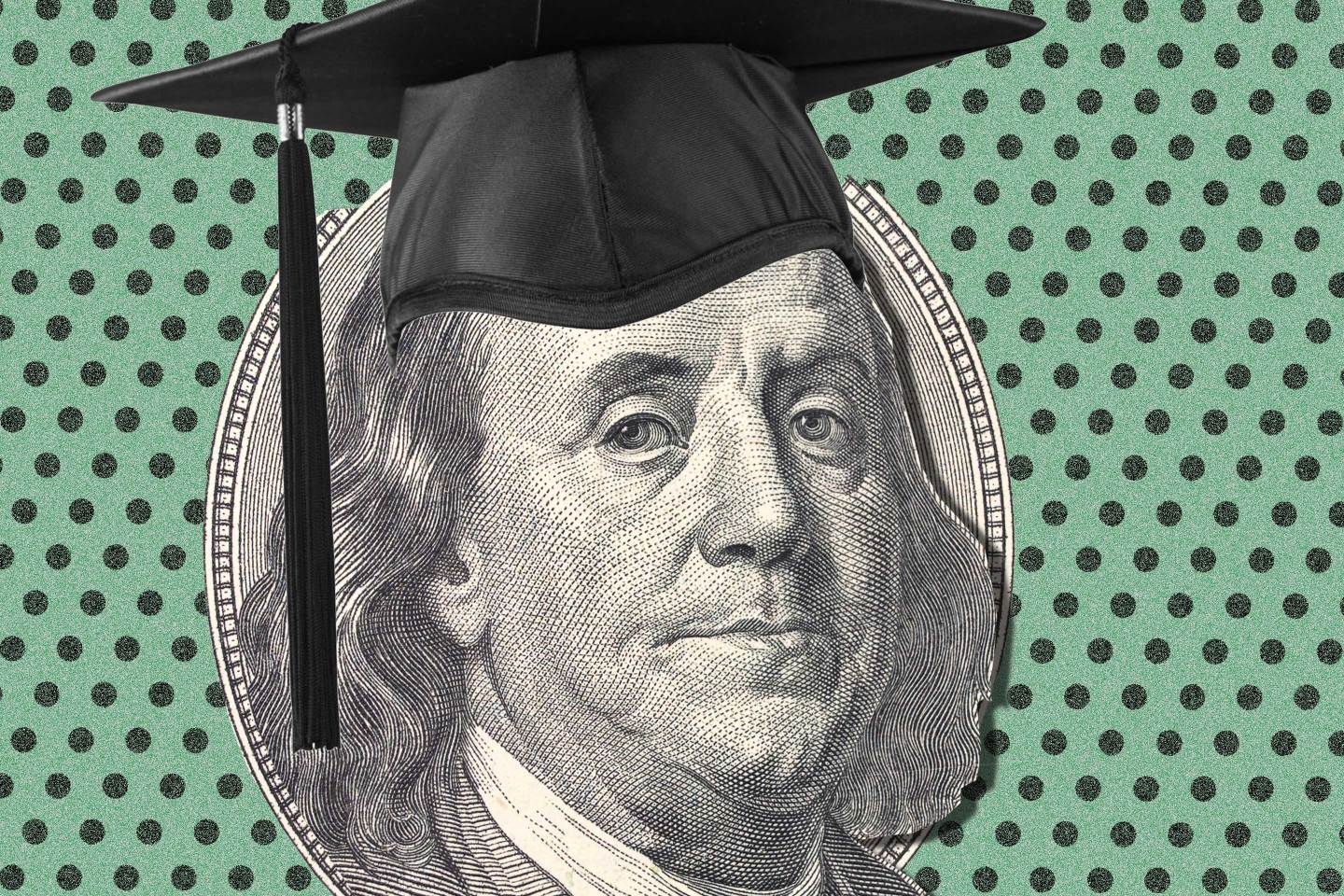
Our country’s lack of financial literacy has contributed to this crisis—and now, as so many Americans face unprecedented financial stress, we must make financial literacy a national priority.
Increasingly, Americans agree. In fact, two-thirds of Americans believe that financial education should be a high school graduation requirement. When our survey respondents reflect on their own lives, the majority wish that they had been better about saving, goal setting, and investing.
Looking beyond themselves, they overwhelmingly (89%) believe that a lack of financial education contributes to bigger social issues in America, including poverty, lack of job opportunities, and wealth inequality. When asked what they would teach future generations, the majority would still prioritize teaching personal finance basics, ranking responsible money management as the most important life skill for kids today to learn.
At the same time, there’s a common misconception that financial literacy is only for kids. And while it’s ideal to start educating our youth about money at an early age, the truth is that the learning can’t stop there. All of us, regardless of our age, race, ethnic background, gender, or educational level, need to know how to effectively manage our money. It’s part of being an independent and secure adult—whether you’re 21 and just starting out on your own, 30 and starting a family, or 65 and looking forward to retirement.
The need is especially great for women and minorities, who continue to face unique challenges at home and in the workplace. For the most vulnerable segments of our society, financial literacy can be a life-changer—impacting everything from getting a college education, to supporting a family, to following a chosen career, to starting a business. At the macro level, it can help bridge the wealth gap and support economic mobility.
On the positive side, in the last decade or so we have made progress. Currently 21 states require high school students to take a personal finance course. This is great for those students who take the courses, but it leaves out far too many.
Nonprofits have also stepped up to the plate; as just one example, Boys & Girls Clubs of America (BGCA) has engaged more than 1 million teens nationwide in its Money Matters personal finance program. In my decades of work with BGCA and as its incoming chair, I have witnessed the life-changing impact of Money Matters. Participants learn how to apply for college aid and complete the Free Application for Federal Student Aid (FAFSA) form, making them more likely to attend college, which improves their chances for economic mobility.
Completing the FAFSA unlocks federal grants, loans, and work-study opportunities, as well as many state and college scholarships, making college more accessible for many underserved students. Millions of eligible students who would have qualified for Federal Pell Grants fail to file the FAFSA.
Financial literacy has been shown to increase both student applications for financial aid and the use of lower-cost private loans, while simultaneously decreasing the use of higher-cost private loans and credit cards. Smart financial decisions when it comes to borrowing can help students graduate with less debt.
These are steps in the right direction, but Americans want—and deserve—more, both for themselves and for future generations. That’s why we need to make financial education a requirement in all 50 states, and we need more support for teachers who provide it.
We need more employers to provide financial education to their workforce, including topics beyond retirement preparedness. Employees should have the opportunity to learn smart strategies for saving, managing credit and debt, and protecting themselves through insurance.
We need our government leaders and Congress to prioritize this issue and provide the leadership and long-term commitment to address it. And because it’s equally needed across party lines, financial literacy can be an issue where lawmakers can work together to improve our individual and collective financial security and freedom. Regulations and protections are important, but not enough.
And in our own homes, we need to gather around the kitchen table and have more open conversations about money and how it can be a tool to achieve what matters most to us.
As I look beyond the pandemic, I see financial literacy as an essential pillar in a changed world. When we emerge from this crisis, the world may look different in fundamental ways. But as two-thirds of Americans recognize, financial literacy is the foundation that will allow all of us, and in particular those who have suffered the most, to make the decisions that will support a healthy and financially secure future.
Carrie Schwab-Pomerantz is president of the Charles Schwab Foundation and senior vice president of community services and consumer education at Charles Schwab & Co.