Some CEOs of public and private companies are wringing their hands about increasing minimum wages, new overtime rules, and the challenges of finding skilled workers. While many of these CEOs remain unfazed by technological disruption, they view positive labor market innovations with distress. It’s up to corporate board directors to calm the nerves of their CEOs and convince them that social progress is a glass half full for everyone.
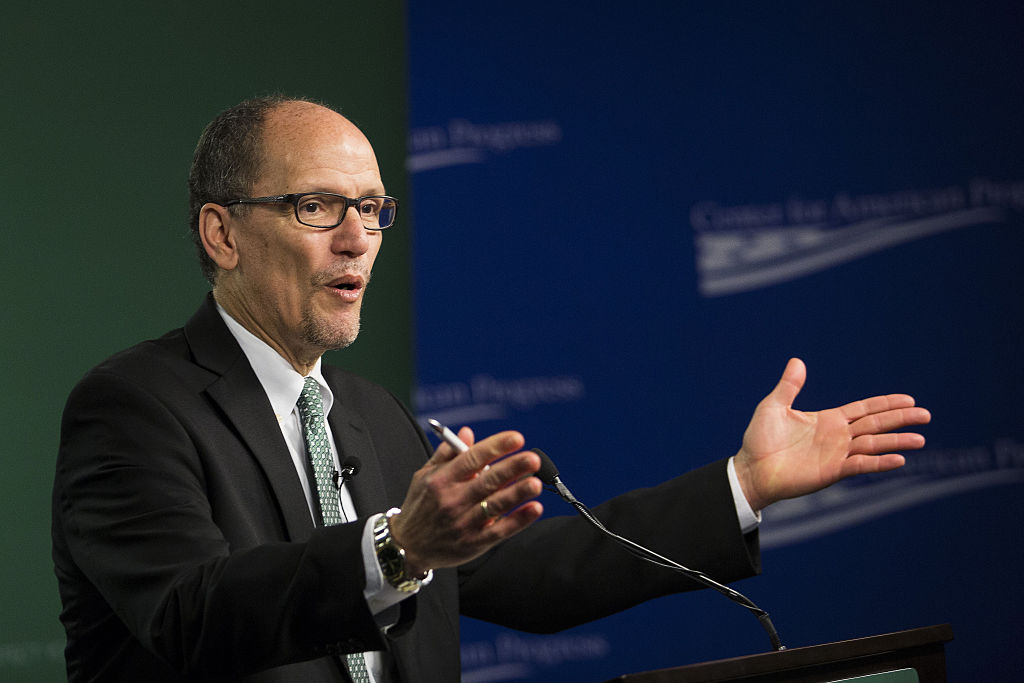
Take overtime rules. In August 2004, President George W. Bush implemented what the New York Times called “controversial overtime rules” that took away the rights of certain workers to overtime pay. Tom Perez, U.S. Secretary of Labor, says that the new overtime rules, effective December 1, 2016, are a rollback from those measures. The new rules will increase the minimum threshold to qualify for overtime pay for some workers from $23,660 to $47,476. But Perez says that’s $10,000 less than the the minimum would have been if indexing, which the new rules require every three years, had been in place all along. The Economic Policy Institute estimates that only one-third of all salaried workers will qualify for overtime under the new rules compared to the half of all salaried workers that overtime rules covered in 1975.
The new overtime rules are designed to ensure that more workers are paid for all of the hours they work, and that’s a step boards should applaud. After all, companies that treat workers unfairly gain a bad reputation that makes it harder to attract talented job candidates. The new overtime rules level the playing field for companies that want to do the right thing. They provide companies an opportunity to rethink workflows, organizational strategies, and what matters most to their employees. Some employees could opt to work extra hours and get paid for them, while others might value a consistent 40-hour work week more. Managers could also decide to hire new workers to do the work rather than incur overtime, which would also be a boon to the economy.
The new overtime rules also offer an impetus for boards to reexamine their CEO pay practices. Rather than force CEOs to lower other costs to make up for any increased overtime expenses, boards should instead hold CEOs accountable for metrics like employee engagement, satisfaction, and retention. By using those metrics to gauge CEO performance, companies are more likely to generate flexible responses to the new overtime rules and use approaches designed to boost employee morale.
Perez estimates that the new rules will cost companies 1/10 of 1% of profits. But some or all of those costs could be offset by the positive impact such rules will have on workers, which will in turn result in increased revenues.
Companies are already seeing the benefits of raising wages. Paying a living wage reduces worker turnover and employee stress. And it’s good for the economy: workers with more money fuel demand and economic growth. Raising the minimum wage sufficiently (i.e. requiring all companies to pay their workers enough to end their need for government assistance) levels the playing field for companies that already strive to pay their workers a decent wage (i.e. enough to live on).
Over the last couple of years, CEOs and boards have been talking about their struggles to find skilled workers. But how severe is the problem? Seth Harris, former Deputy Secretary of Labor, outlines three questions boards can ask management teams to find out.
- How much have you raised wages for jobs where you say you can’t find workers?
- How have you partnered with community colleges or instituted company training programs for workers (as used to exist in the 1980s)?
- How have you partnered with a variety of organizations to find workers, including, for example, agencies for the homeless, Vets and ex-offenders?
According to Harris, most boards will find management teams haven’t taken these actions.
Boards also need to ask how executives have ensured that recruiting processes aren’t designed to fail by overly requiring that candidates have highly specific job experience. Boards should also ask for reports on the percentage of total and open jobs that embrace virtual employee arrangements, allowing cross-country recruitment without relocation requirements. Without these changes, it’s hard to know how serious the hiring problem really is.
The current sub-5% unemployment rate paints a rosy picture for U.S. workers. (Federal Reserve Chair Janet Yellen is even considering raising interest rates.) But if you factor in the low U.S. workforce participation rate, Kaushik Basu, chief economist at the World Bank, pegs actual unemployment in the U.S. at closer to 9%. Further, he says, U.S. workers have not shared in the gains the nation has experienced in productivity in recent years. With the threats of technology taking ever more jobs away from humans, public policy initiatives need to help ensure that workers benefit from those productivity improvements, he says.
At the end of May, the Federal Reserve issued a report that showed “nearly half of U.S. households … would have trouble meeting emergency expenses of just $400.” We can do better. In the late 1800s and in the 1930s, business, government, and labor recognized that their interests were aligned, says Lou Uchitelle, author of Disposable American: Layoffs and their Consequences. It’s time for corporate boards to adopt that line of thinking.
Eleanor Bloxham is CEO of The Value Alliance and Corporate Governance Alliance (http://www.thevaluealliance.com), an independent board education and advisory firm she founded in 1999. She has been a regular contributor to Fortune since April 2010 and is the author of two books on corporate governance and valuation.