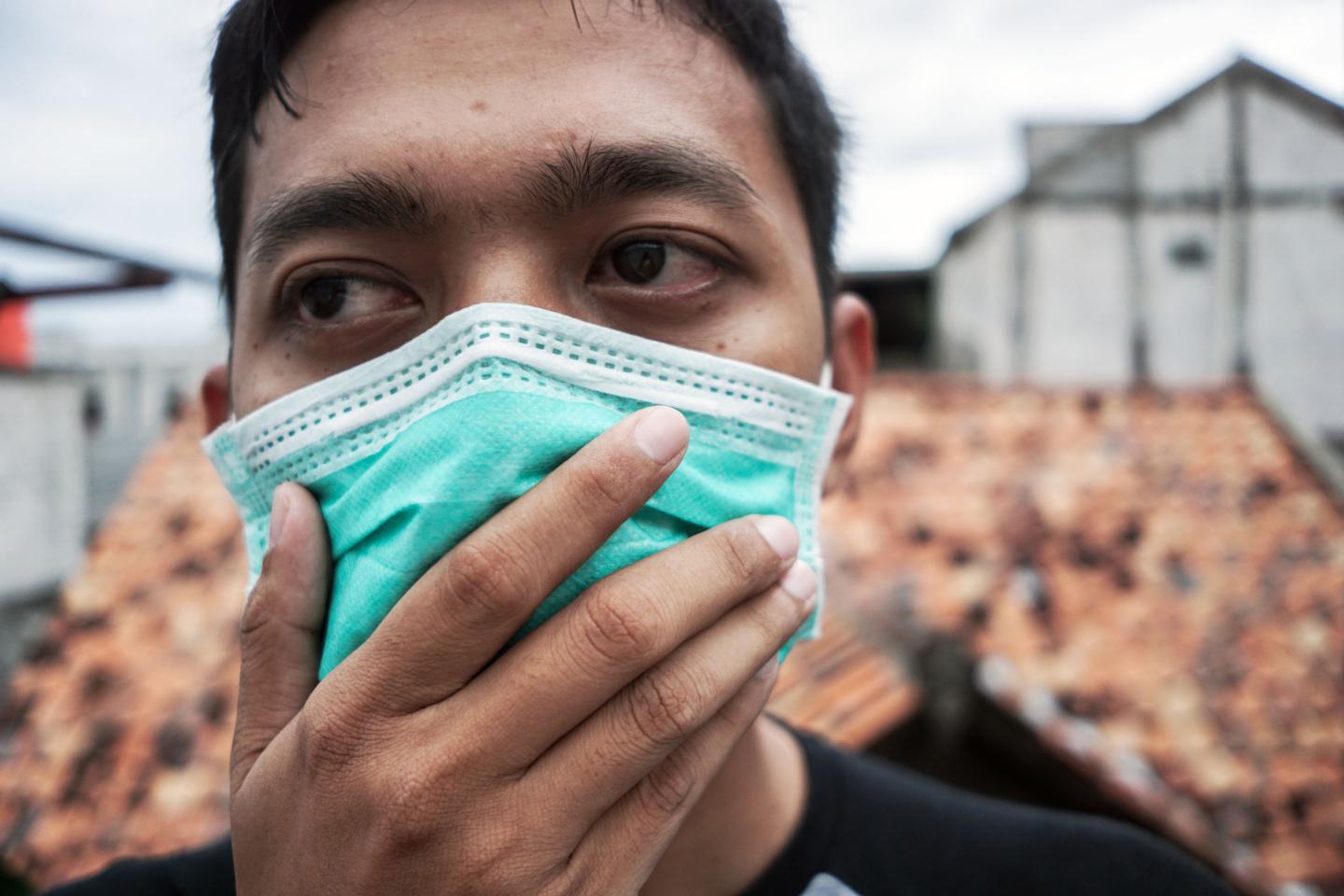
Facing major life stressors heavily predicted whether someone developed the symptoms of long COVID at higher odds than age, sex, and severity of the COVID infection, like whether or not they needed a ventilator, new research found. Over 50% of those studied 12 months after COVID infection dealt with a severe life stressor, and half experienced post-COVID symptoms, the most common being headache, cognitive impairment, anxiety, depression, sleep disturbance, and fatigue. Factoring in someone’s life experiences—including the stressful life events—of long COVID patients can add clarity to the patient’s symptoms, and potentially lead to a more holistic understanding of the often debilitating post-viral experience many endure, Dr. Jennifer Frontera, an author of the study and professor in the department of neurology at NYU Grossman School of Medicine, tells Fortune.
Researchers discovered that a variety of life stressors, including death of a loved one, food insecurity, financial insecurity, a new disability, relationship problems and political conflict with a close contact, helped predict someone’s fatigue, anxiety, depression, sleep, and post-COVID-related symptoms about a year after the initial infection. Exposure to at least one of the 13 stressors the researchers analyzed increased the odds of having post COVID symptoms 12 months out by over twofold. The odds of having severe fatigue, sleep, depression, anxiety, and post-COVID symptoms when dealing with financial insecurity, death of a loved one, food insecurity, and a new disability ranged from 2.5 to 20.8. The most common predictors of fatigue, anxiety, depression, and post-COVID symptoms were food insecurity, death of a loved one, and a new disability. Frontera describes these stressors as bidirectional. It could be that a life stressor is impacting your mental health, leading to fatigue and long COVID symptoms, or that your long COVID symptoms are influencing a life stressor.
“I really didn’t think that the stressors were going to sort of eclipse other factors in terms of predicting how people do,” Frontera says. “When people are trying to treat long COVID, I think it’s helpful to take into account some of these factors that may, in fact, be changeable or addressable,” and that mood disorders like anxiety and depression need to be taken seriously when treating long COVID.
The study, published Wednesday in the Journal of the Neurological Sciences (JNS), monitored hospitalized COVID-19 patients six and 12 months after initial infection, who were hospitalized between March and May, 2020. Disability status, the ability to complete daily activities, and levels of cognitive function, anxiety, depression, fatigue, sleep, and long COVID symptoms, as defined by the U.S. Centers for Disease Control and Prevention (CDC), were all recorded in 242 participants at a 12 month follow-up. Food insecurity was strongly correlated with fatigue odds; death of a close contact was strongly correlated to self-reported depression; and the more stressors people had, the worse sleep scores they recorded. The researchers reference a previous study that found an association between post COVID symptoms and unemployment and financial insecurity.
“The incorporation of pandemic-related stressors and related social determinants of health into predictive models is critical because these may represent areas of potential intervention,” the study reads.
The study outlines that other predictive factors of having post-COVID symptoms included being older, female, having a disability, and the severity of the COVID infection.
Frontera also observed that some people’s reported life stressors differed from their anxiety, depression, cognitive function, sleep, and fatigue scores, which were tested and not self-reported, underscoring that some people struggled with a stressor that they didn’t acknowledge as such. It further adds to the importance of meeting people where they are and addressing the stressful events people withstand when managing long COVID, Frontera says.
Limitations of the study include that the patients were all hospitalized for COVID-19; other factors not studied include the monitoring of risk-factor symptoms for developing long COVID a couple of months after infection, and overall viral load. Frontera says the medical community should consider screening for life stressors when trying to diagnose or understand long COVID, and referring patients to a social worker for additional resources or community programs if warranted. The context of someone’s life matters, not only for their mental health but for their physical health, she says.
“It is possible that subclinical or undiagnosed mood disorders may have been unmasked in the context of pandemic- or illness-related stressors,” the authors write.