
If you’re feeling tired or sluggish, or experiencing weight gain, it’s easy to write it off as a typical “afternoon slump” at work or the result of letting your gym routine fall by the wayside. If symptoms persist, though, it’s worth talking to a healthcare provider to see if you may have an iodine deficiency.
Iodine deficiency is rare in the United States.
People who may be affected by iodine deficiency include:
- People who don’t use iodized salt.
- People who live in regions far from the sea and at higher altitudes. Their natural environments contain very little iodine.
- People who don’t eat fish or dairy, such as vegans. Seafood and dairy products are some of the greatest sources of iodine.
- Pregnant women. Pregnant women need 50% more iodine than non-pregnant women to get enough iodine for the developing fetus.
We rounded up a variety of iodine supplements and asked our testing team to try them. Here are some of the most notable ones, plus key info you should know about how your body uses iodine—and how much you actually need.
Why Trust Fortune
Our team of expert testers has tried hundreds of the most popular supplements on the market today, using our comprehensive supplement testing methodology to find the best products for all folks.
About Our Expert
This article was medically reviewed by Jillian Robillard, MS, RD, LDN, CSSD. Jillian is a licensed and registered dietitian at Whole Balanced Nutrition.
Best Iodine Supplements of 2026
- Best Iodine Supplement Overall: Seed DM-02 Daily Multivitamin
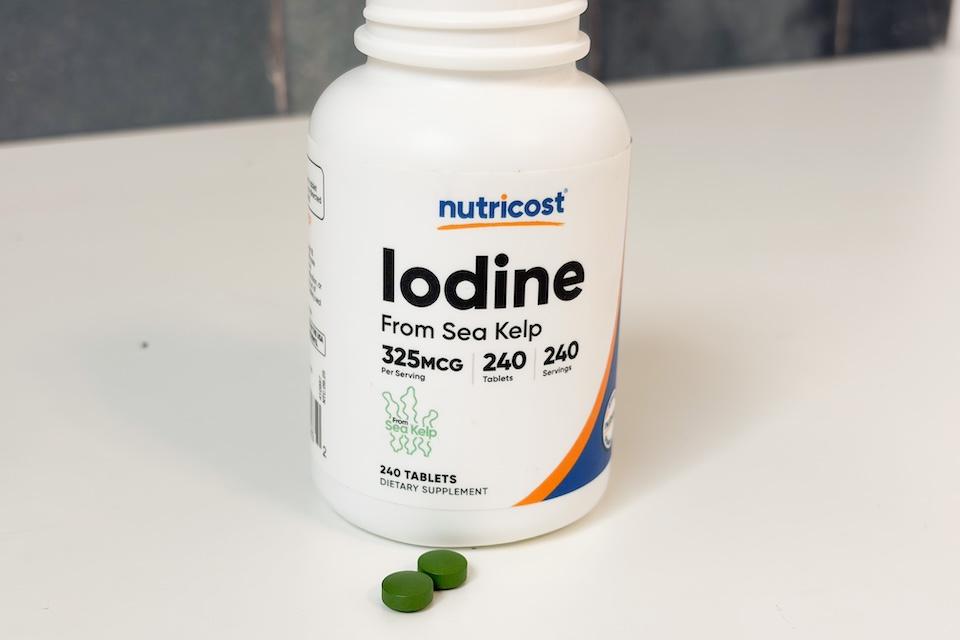
- Best Budget Iodine Supplement: Nutricost Iodine
- Best Iodine Supplement with Selenium: Nature’s Craft Thyroid Support
- Best Liquid Iodine Supplement: Global Healing Center Detoxadine Nascent Iodine
Best Iodine Supplements Comparison Table
Best Iodine Supplement Overall: Seed DM-02 Daily Multivitamin
Seed DM-02 Daily Multivitamin
Iodine dosage
Third-party testing
Source
Serving size
Servings per container
- Our thoughts: We liked being able to meet daily iodine requirements, plus get the added benefit of a multivitamin
- Who it’s for: People who could benefit from taking a multivitamin
- What makes it different: Includes 20 vitamins and minerals, plus prebiotics
Our Thoughts on Seed DM-02 Daily Multivitamin
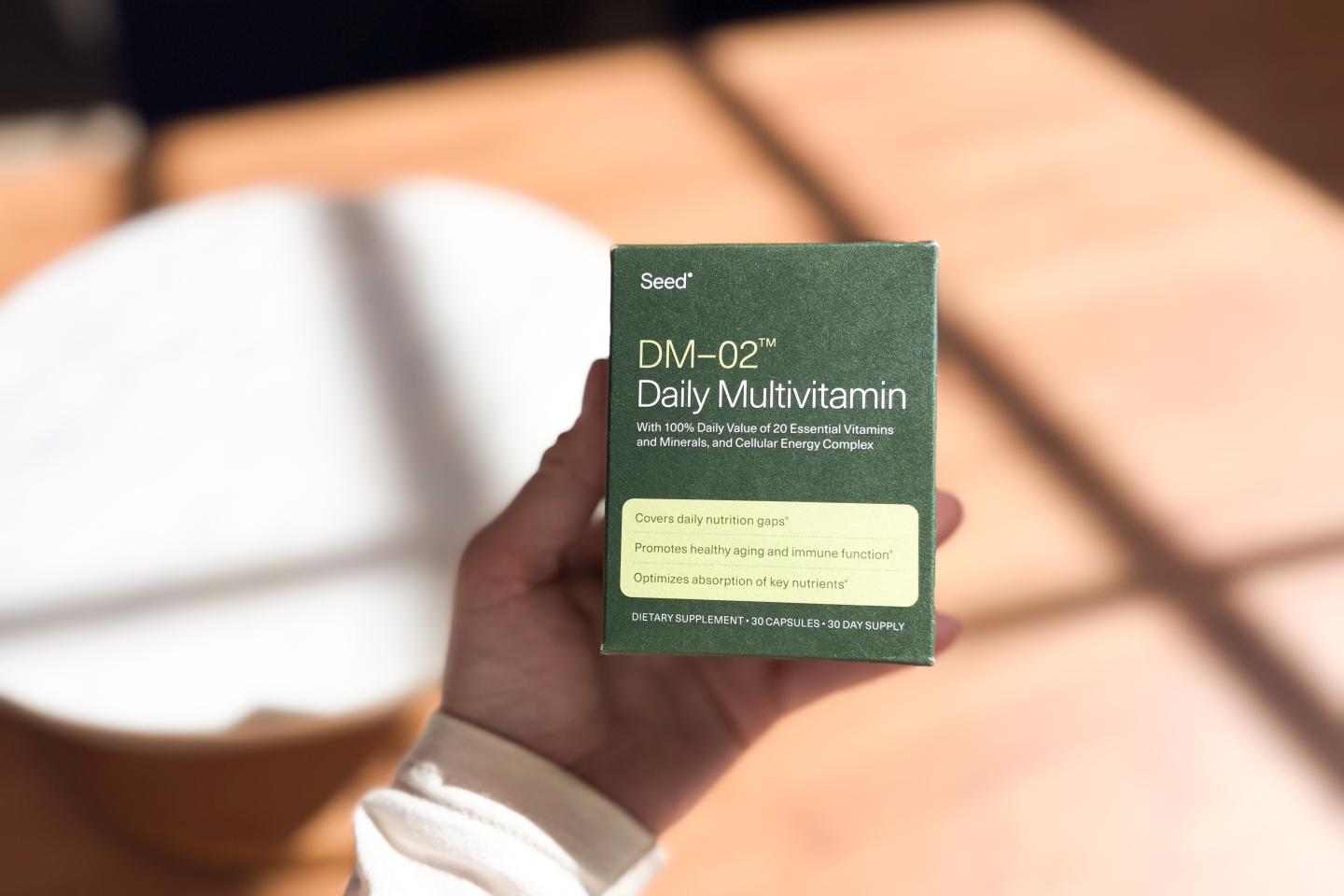
Seed says its DM-02 daily multivitamin includes 20 essential vitamins and minerals and is designed to “cover the nutritional needs of your body and gut microbiome.” The company also says this multivitamin supports healthy aging and immune function and contains “bioavailable nutrients your body can use.” It’s worth noting that this is not specifically designed to be a standalone iodine supplement, but it does contain 100 percent of the recommended daily value for iodine.
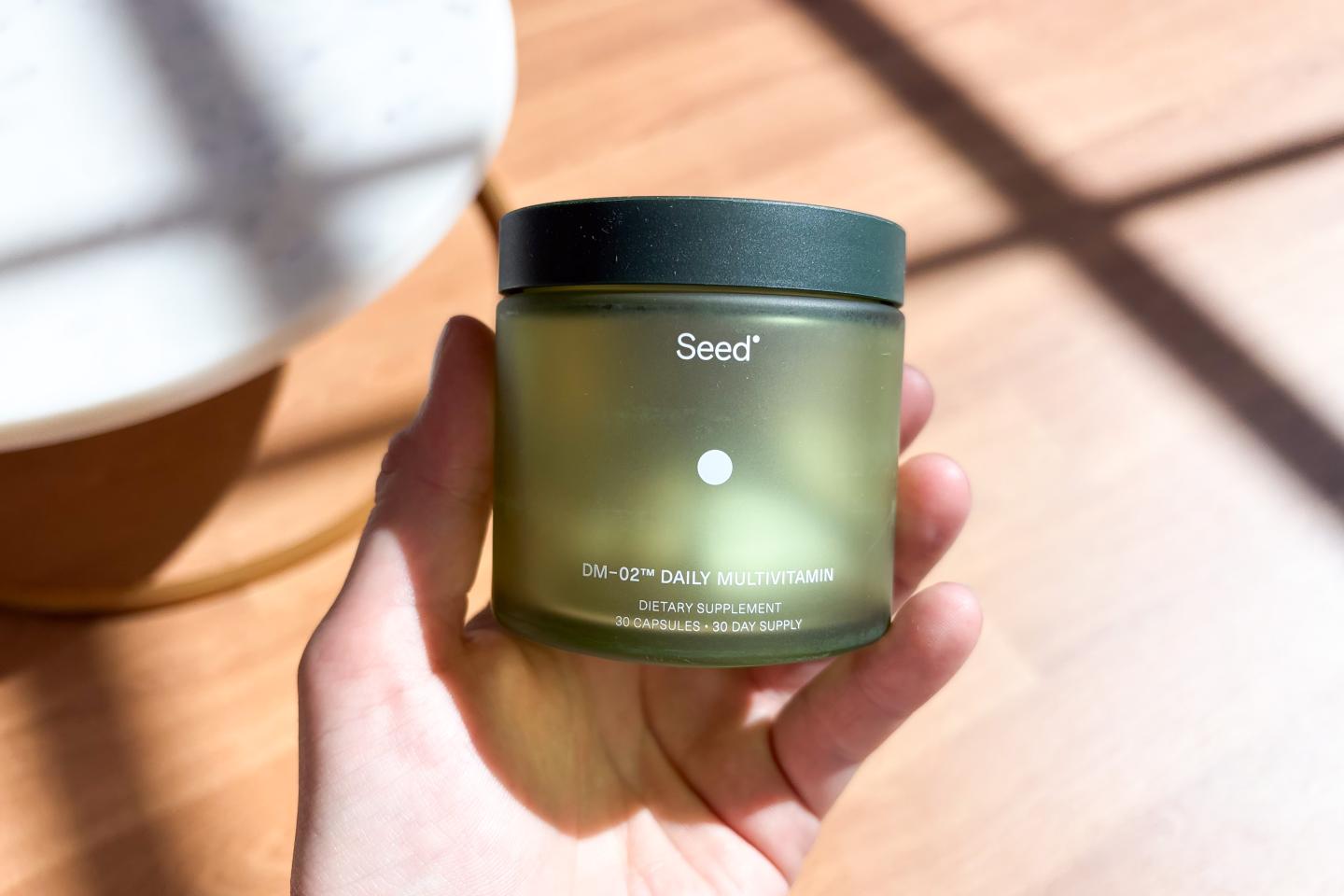
Our tester, Pete, tried Seed DM-02 Daily Multivitamin and immediately noted, “The container definitely has a premium feel to it.” That said, he noticed that the information on the bottle only had usage instructions, not supplement facts, which are instead shown on the container the product arrives in.
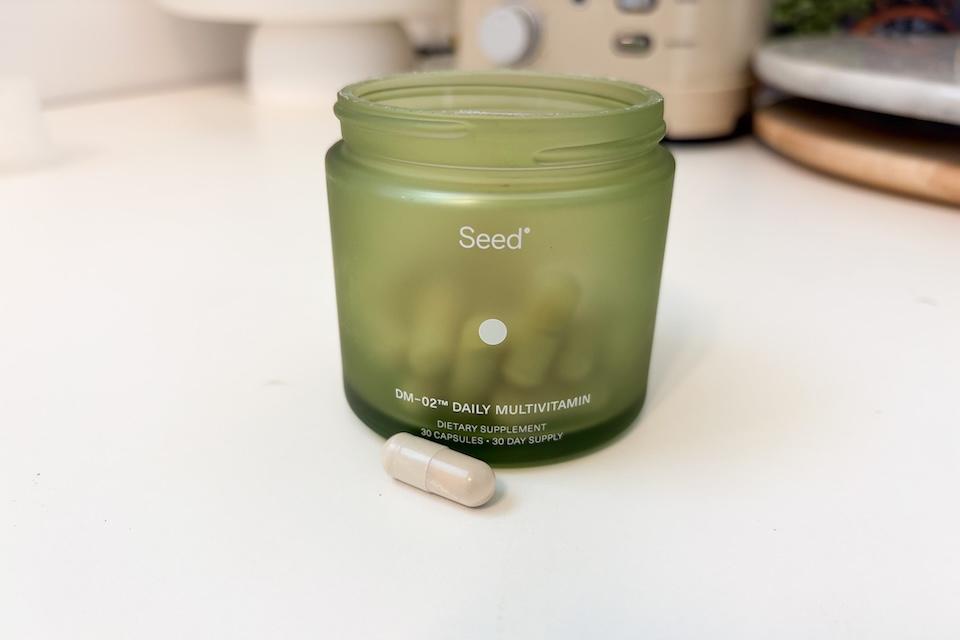
The actual instructions were to take one capsule daily, which was pretty straightforward. Pete rated them a 5 out of 5 for how easy they were to follow. He said the capsules were tasteless, and the capsule size was average, with Pete rating the product a 3 out of 5 for swallowability, indicating a neutral score. He rated Seed DM-02 Daily Multivitamin a 3 out of 5 for taste, another neutral or “average” score.
“I didn’t experience any negative side effects or digestive issues from using this product,” said Pete, though he added, “I haven’t used it long enough to comment on any long-term effects.”
Pete is a certified nutrition coach, so he analyzed Seed DM-02 Daily Multivitamin and reported, “It combines essential vitamins and minerals with prebiotics designed to support both your body and gut microbiome.” He also added that any potential benefits would likely be gradual rather than immediate.
Best Budget Iodine Supplement: Nutricost Iodine
Nutricost Iodine
Iodine dosage
Third-party testing
Source
Serving size
Serving per container
- Our thoughts: Our tester found this to be a simple, straightforward option
- Who it’s for: People who aren’t consuming enough iodine in their daily diet and are looking for a lower-cost option
- What makes it different: This is not recommended for those meeting their iodine needs via food intake
Our Thoughts on Nutricost Iodine
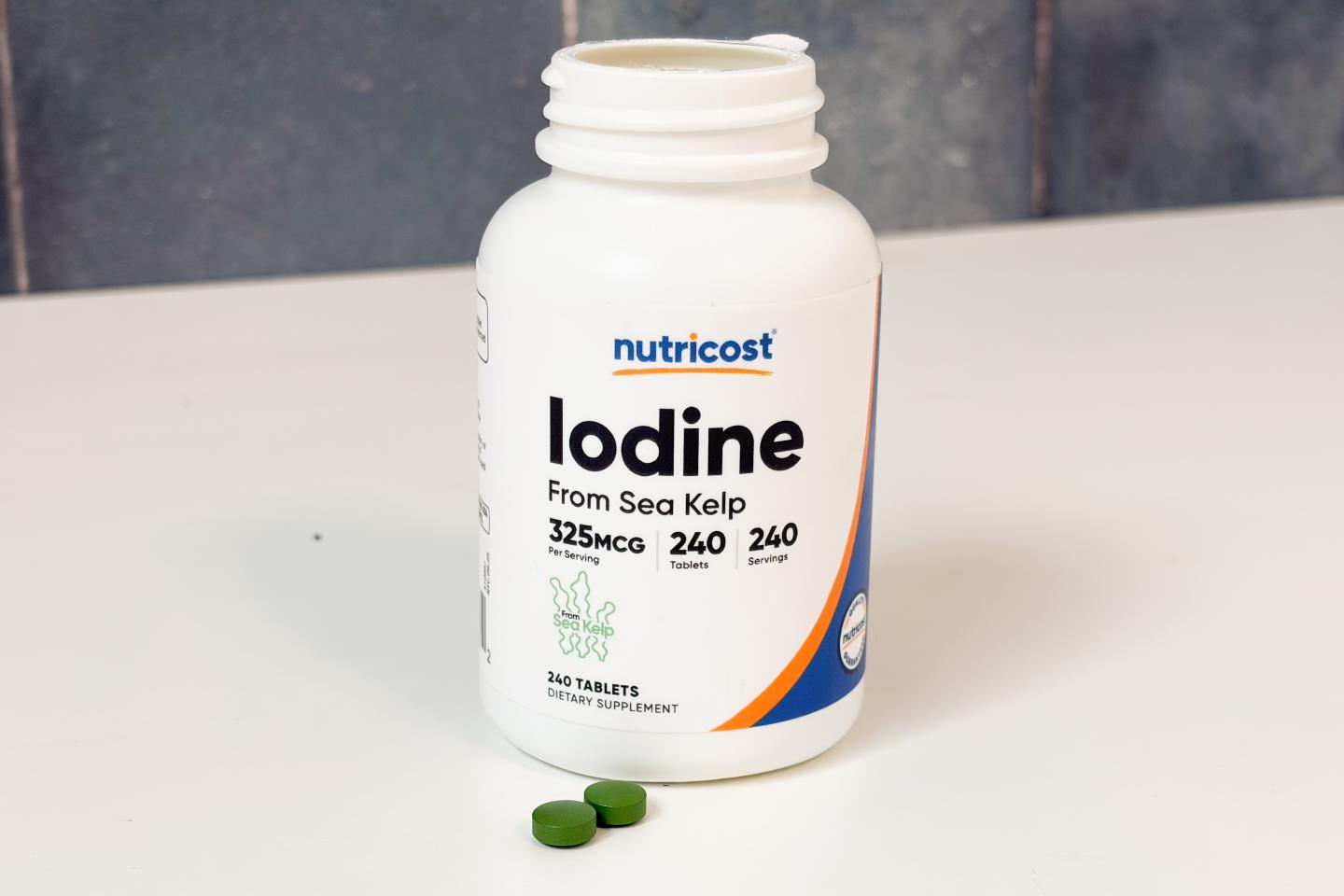
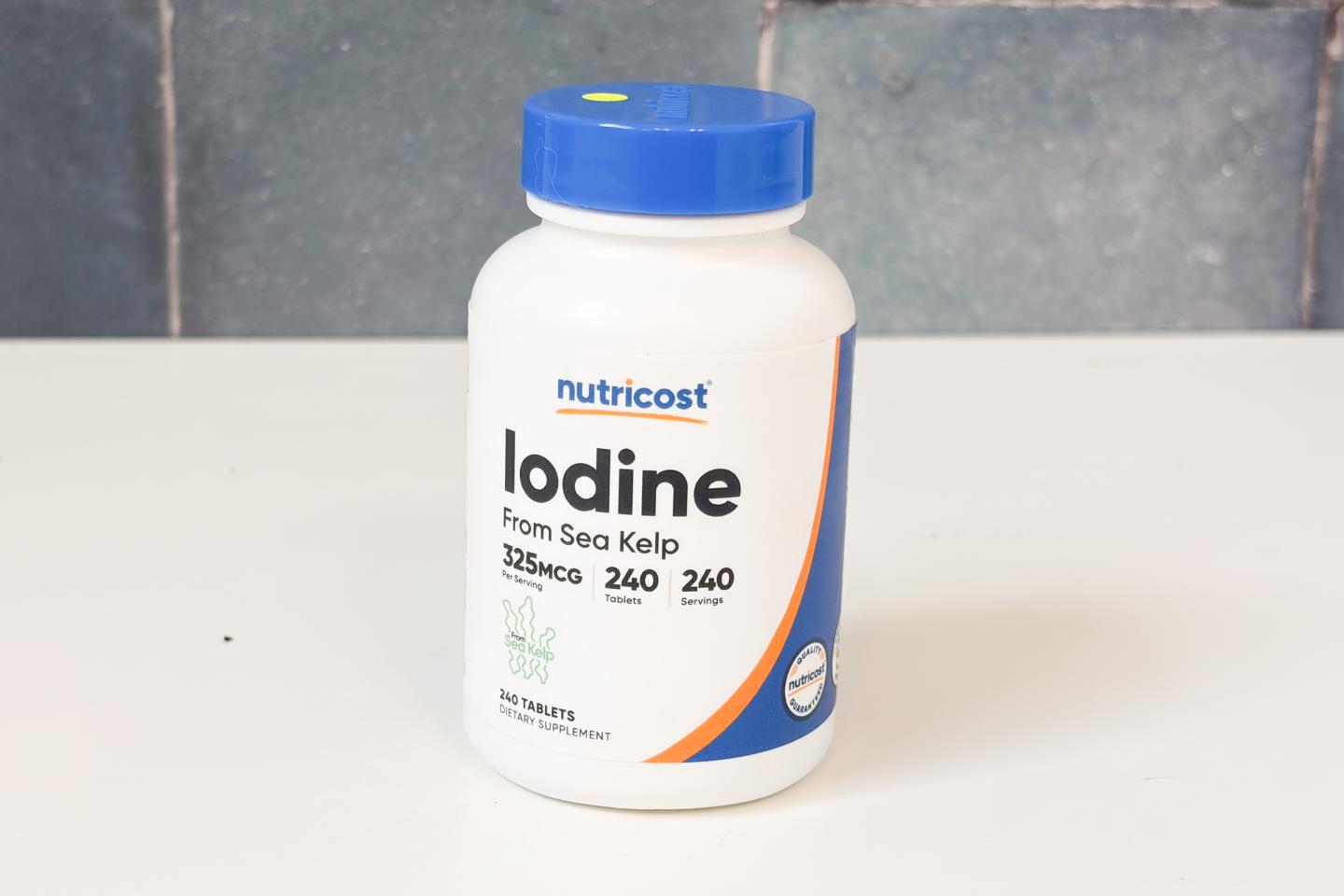
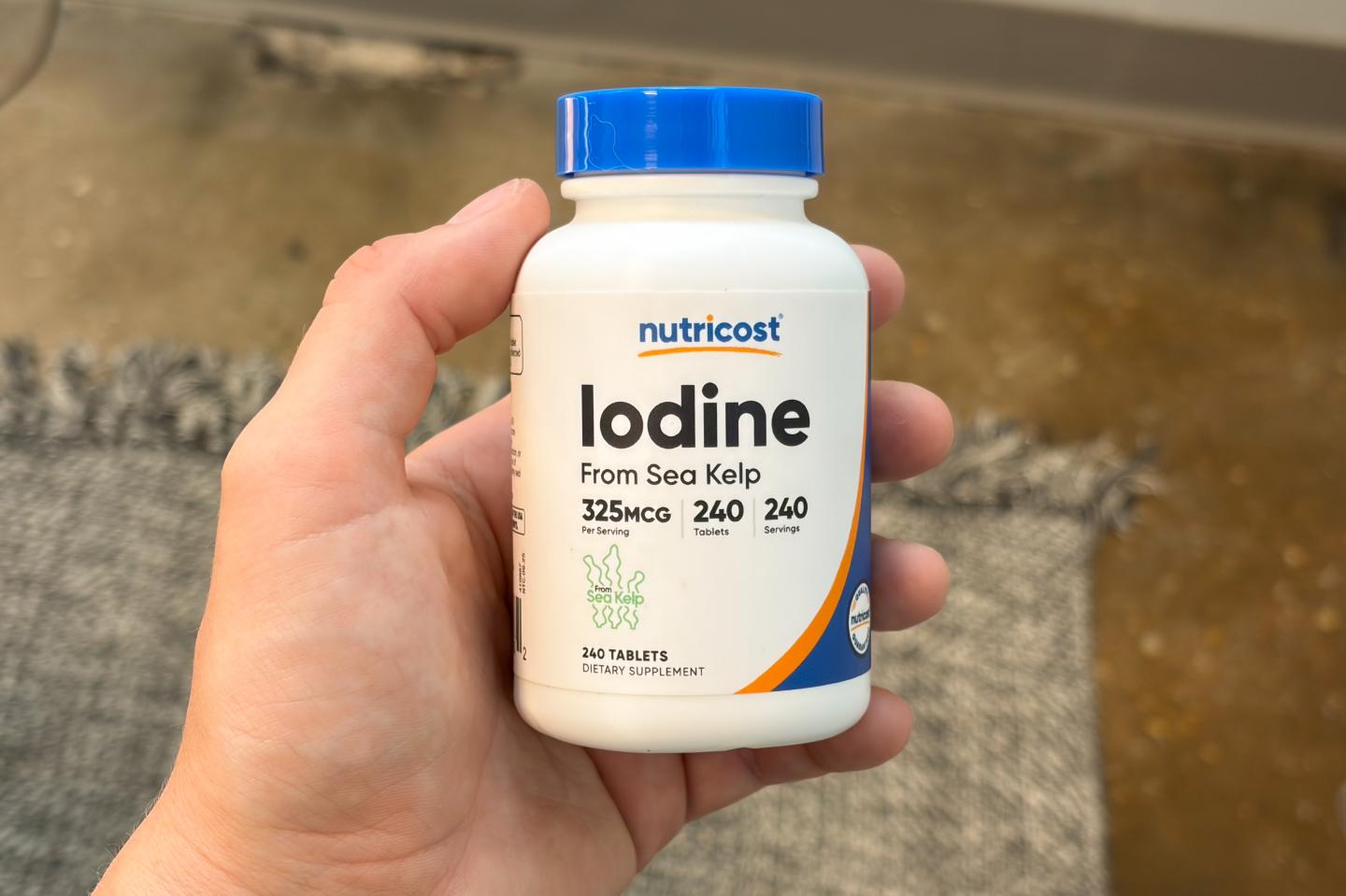
Nutricost doesn’t include a lot of product information for its iodine supplement, aside from noting that the iodine is sourced from sea kelp and the tablets are non-GMO, gluten-free, vegetarian, and made in a GMP-compliant facility. It’s also worth noting that the bottle contains 240 servings, making this an exceptionally cost-effective option.
Pete tested this supplement, too, first noting that Nutricost’s Iodine has a “well-designed” label that clearly shows relevant information, including the amount of iodine per serving, the number of tablets, and the number of servings per container.
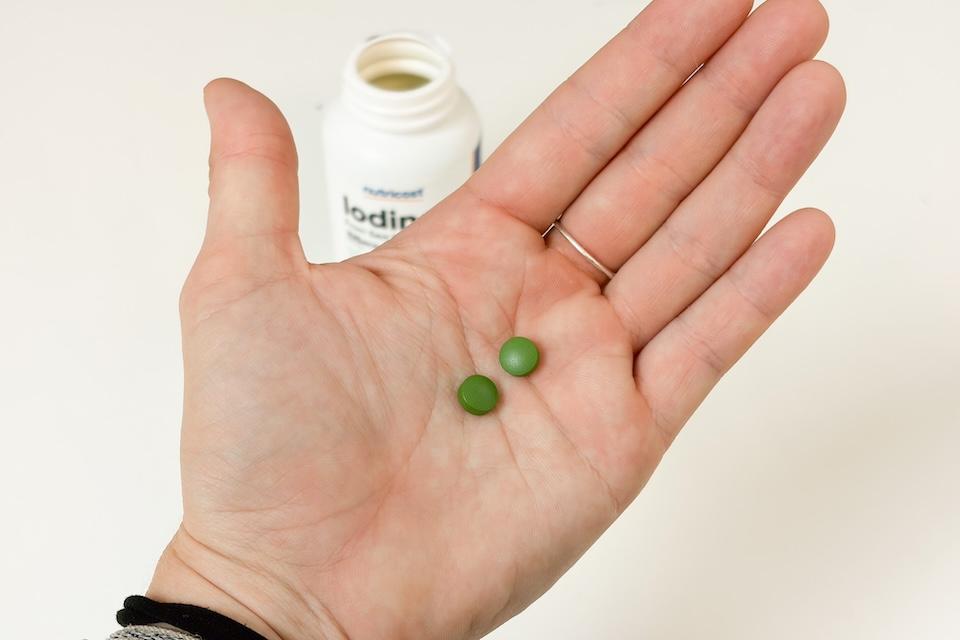
He found the instructions easy to understand, rating them a 5 out of 5. Pete took one tablet daily with 8 to 12 ounces of water, as instructed, and noted, “This supplement comes in compressed tablet form. The circular tablets are very tiny, less than a centimeter in diameter,” and “extremely easy to swallow.” He rated the supplement a 3 out of 5 for its swallowability.
Taste was pretty average, according to Pete—not amazing, not terrible. He rated it a 3 out of 5, explaining, “The tablets do have a taste to them, kind of like a metallic-ocean taste. It’s tough to describe; salty isn’t the right word, but it feels similar to that.” He also noted that because it’s a compressed tablet, it’s “a bit chalky” if you let it sit on your tongue. “If you just pop it in and swallow, you really won’t taste anything,” he added.
Pete said he didn’t experience any digestive issues or negative side effects, and in assessing the product overall, he explained, “Nutricost Iodine tablets provide 325 micrograms of natural iodine, sourced from sea kelp, per serving. It’s important to note that this is double the recommended daily intake of 150 micrograms. You probably wouldn’t take this supplement daily, maybe every other day to ensure you are hitting your iodine goals.”
He also noted, “Iodine is one of those nutrients that a lot of people are quietly deficient in, especially if you eat a plant-based diet. For most people, the main source of iodine in their diet actually comes from iodized salt.”
Best Iodine Supplement with Selenium: Nature’s Craft Thyroid Support
Nature’s Craft Thyroid Support
Iodine dosage
Third-party testing
Source
Serving size
Servings per container
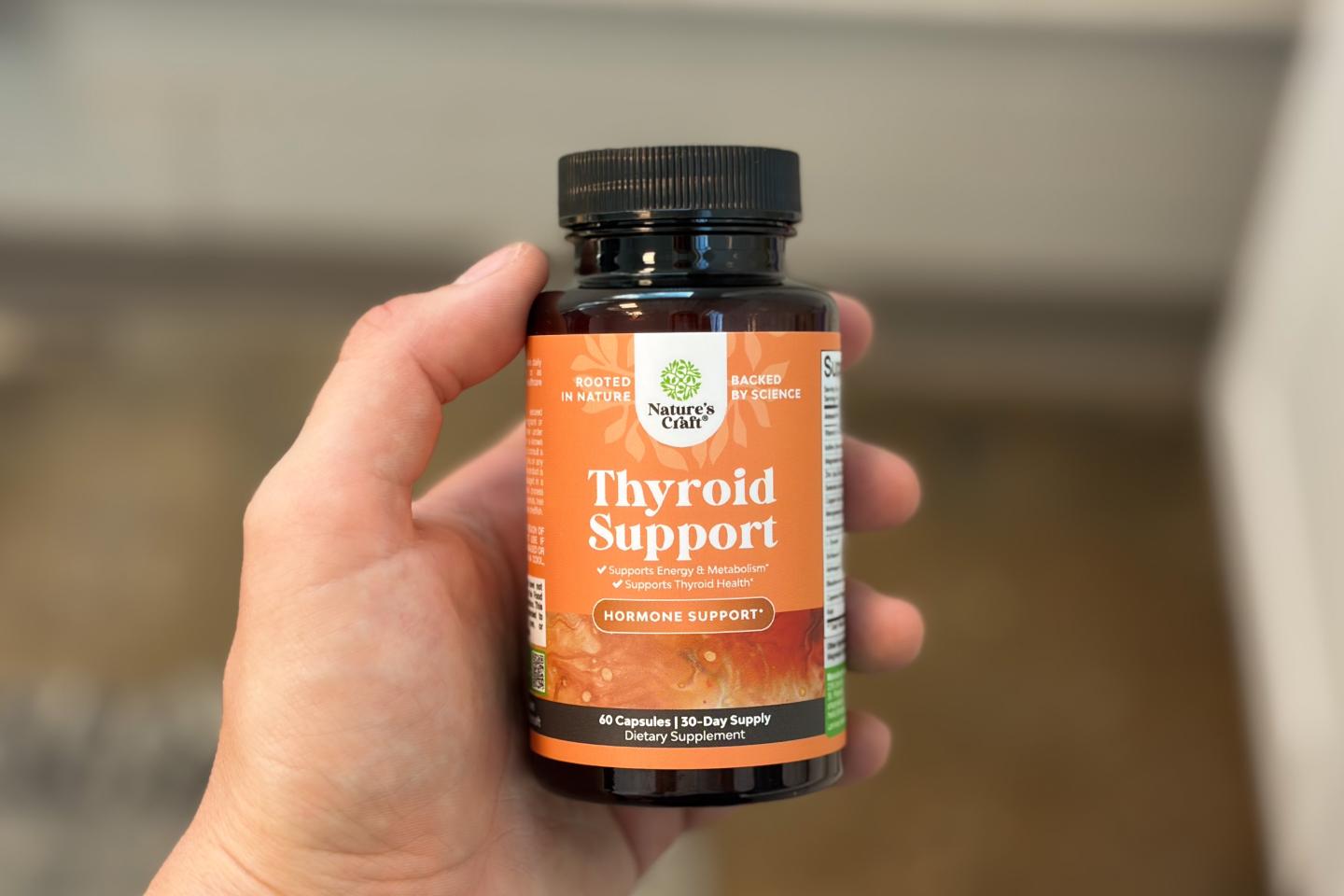
- Our thoughts: Our tester thinks the iodine included in this product is sufficient, but he was concerned about the overall product formulation
- Who it’s for: Those looking for a supplement that contains a full day’s worth of iodine, and who are interested in the possible additional thyroid support from selenium
- What makes it different: The formula includes ingredients like selenium, ashwagandha, and L-tyrosine
Our Thoughts on Nature’s Craft Thyroid Support
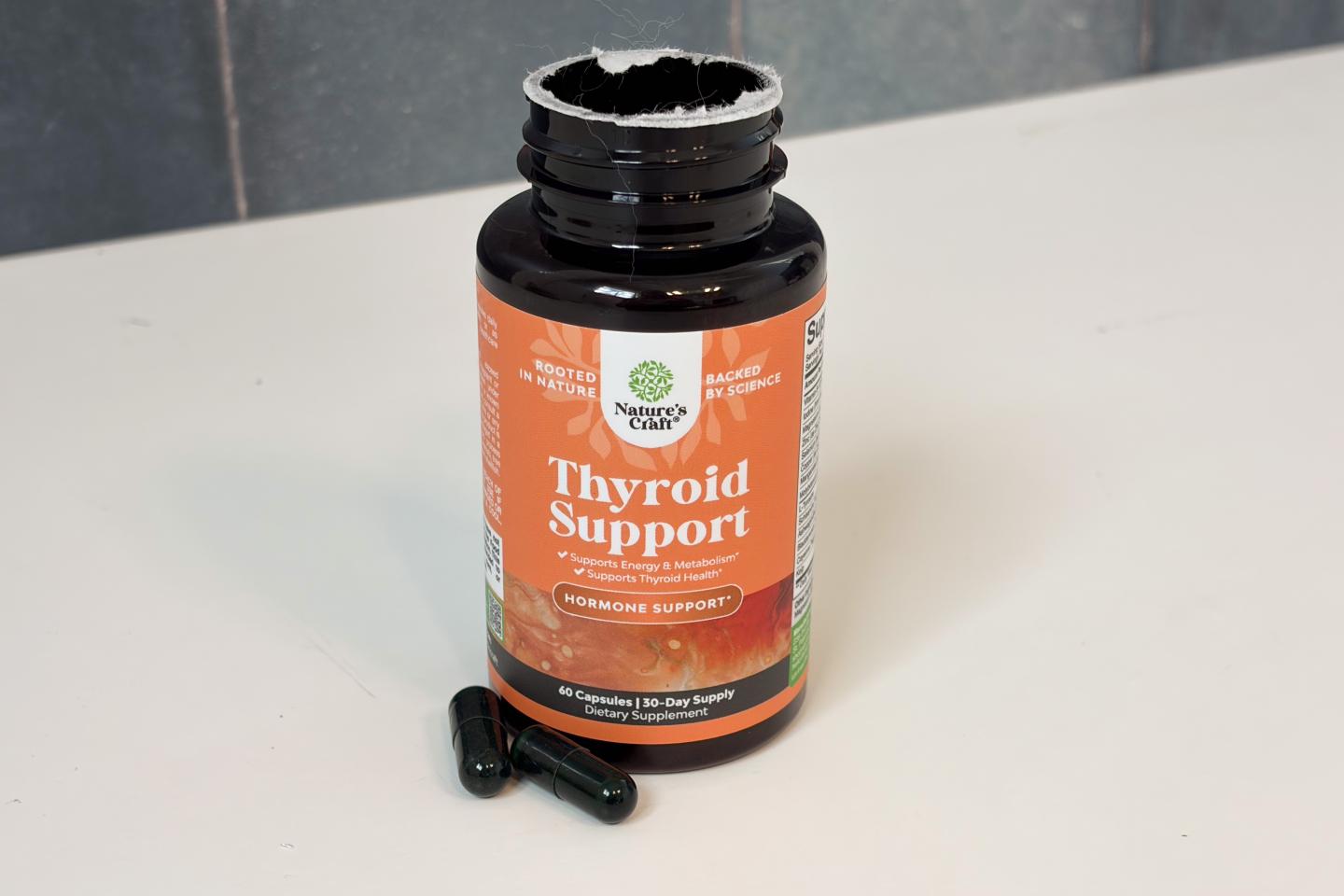
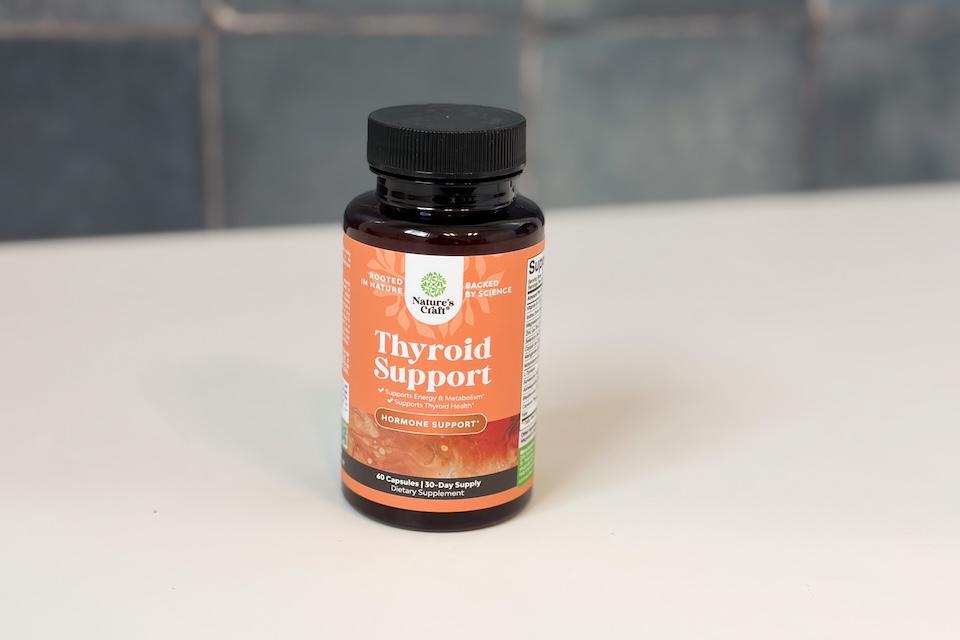
Nature’s Craft calls its Thyroid Support a “potent kelp iodine supplement” with L-tyrosine, bladderwrack, selenium, and ashwagandha added, plus other vitamins and minerals. The company says thyroid issues can sometimes affect energy and focus, so its Thyroid Support formula is meant to help “get that spring back in your step” and also designed to offer “enhanced mental clarity and brain fog support.” The formula also includes selenium, a nutrient that helps the thyroid gland function properly. Keep in mind that iodine supplements only help improve energy levels if your fatigue comes from an actual iodine deficiency. Iodine helps your thyroid gland make hormones that control your body’s energy use and metabolism. If you have enough iodine, taking more will not give you extra energy.
Our tester, Pete, tried Nature’s Craft Thyroid Support and, after examining the bottle, noted, “The white text is slightly hard to read against the orange background.” He did say the instructions—to take two capsules daily, preferably with meals—were easy to understand and follow. He rated them a 5 out of 5.
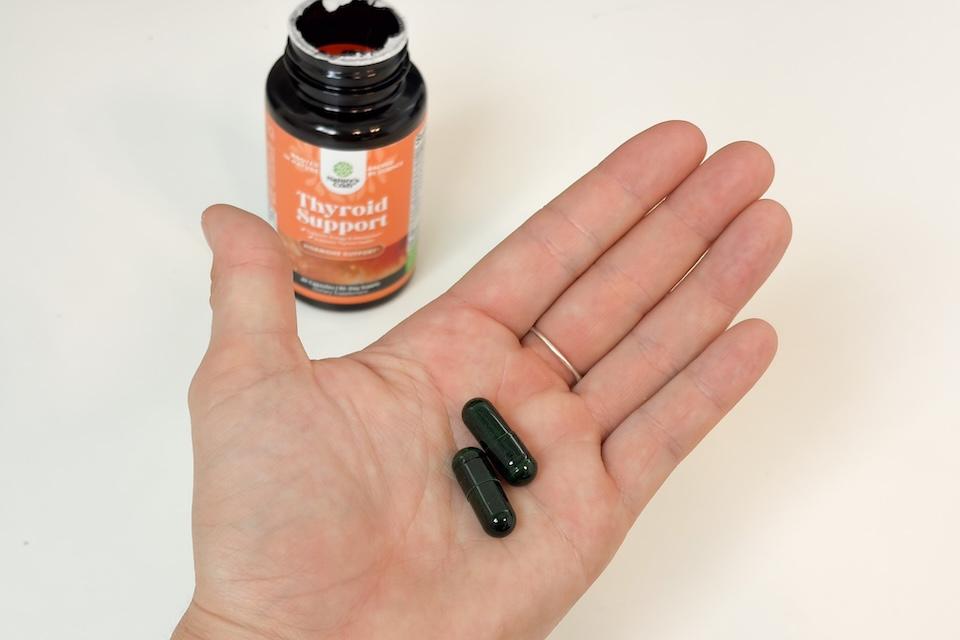
Pete reported that the capsules were average size and tasteless, rating the product a 3 out of 5 for swallowability and another 3 out of 5 for its neutral taste.
Our tester didn’t experience any digestive issues or other negative side effects, and in evaluating the product, Pete said, “This supplement is marketed as a ‘full thyroid support’ product. The label looks pretty impressive with a long ingredient list, but the overall quality isn’t really there. The reason I say this is that they are using certain cheap versions of ingredients like magnesium oxide, zinc oxide, and cyanocobalamin, which your body barely absorbs. In addition, the herbal ingredients like ashwagandha (200 mg) and L-tyrosine (300 mg) are dosed so low that they really aren’t going to have any benefits.”
However, noted Pete, “The iodine in the supplement, which is sourced from kelp and potassium iodide, does cover your 150-microgram daily dose, so that’s fine there.”
Best Liquid Iodine Supplement: Global Healing Center Detoxadine Nascent Iodine
Global Healing Center Detoxadine Nascent Iodine
Iodine dosage
Third-party testing
Source
Serving size
Servings per container
- Our thoughts: This is a very high dosage that may be best suited for people with severe iodine deficiencies
- Who it’s for: People with established iodine deficiencies who have consulted with a healthcare provider to determine appropriate dosages
- What makes it different: The company makes a lot of claims about sourcing, but ultimately, the very high dosage sets this one apart—and warrants consultation with a healthcare provider before usage
Our Thoughts on Global Healing Center Detoxadine Nascent Iodine
Global Healing says its Detoxadine Nascent Iodine is sourced “from 300-million-year-old salt deposits located more than 7,000 feet below the earth’s surface,” and that the finished product is “notably pure, highly potent, and readily bioavailable.” The company also claims that its iodine is “shielded from modern pollutants” and “offers unparalleled cleanliness and potency.” In terms of purported benefits, Global Healing says its Detoxadine supplement supports better thyroid health, energy levels, and detoxification.
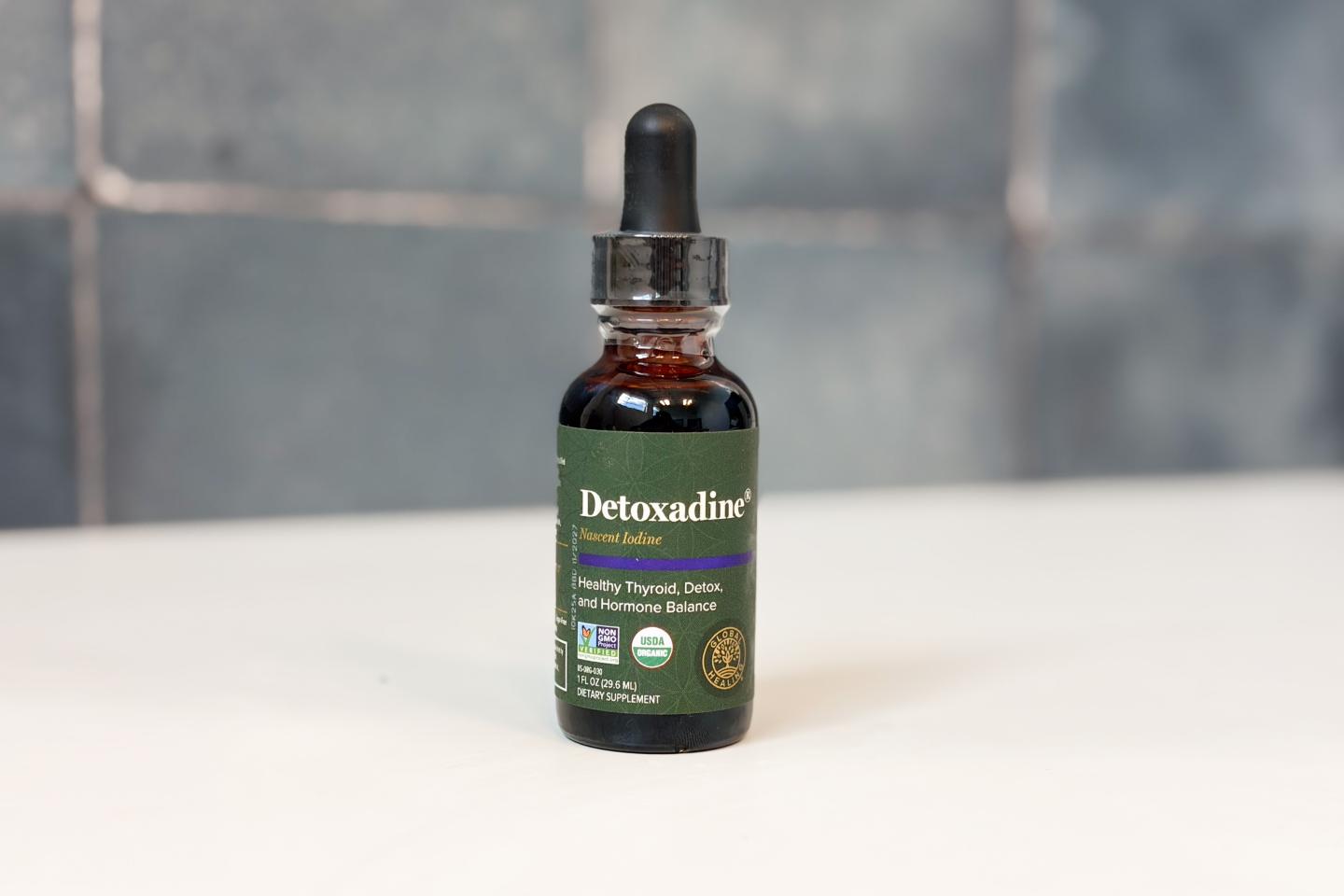
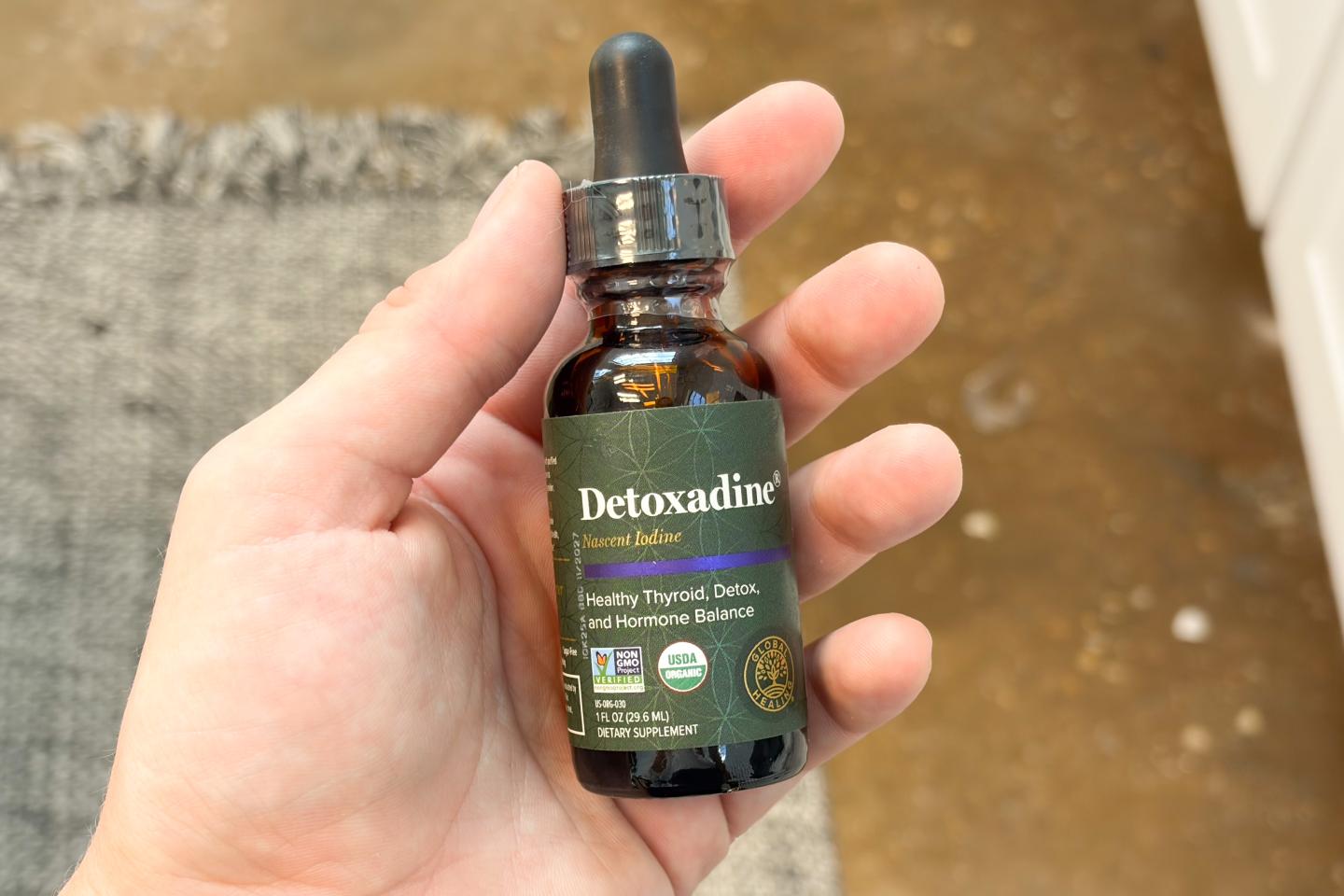
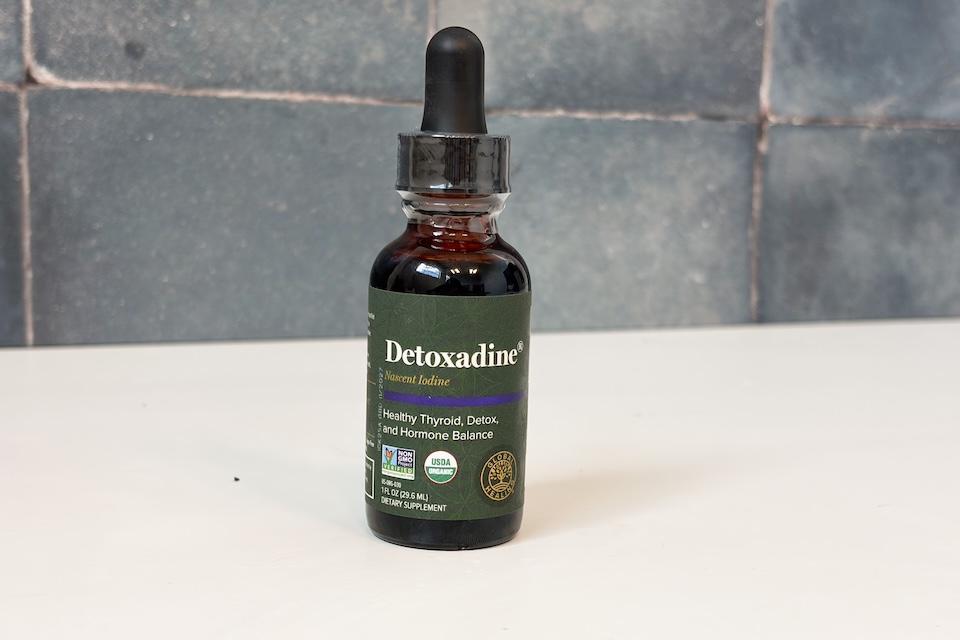
Pete tested Global Healing’s Detoxadine Nascent Iodine, which he said comes in a dark amber glass dropper bottle. He said the bottle label “looks professional” and that the instructions say to take three drops, immediately followed by purified water, and swallow. Users are instructed to do this once daily or as recommended by a healthcare provider. Pete found the instructions easy to understand and follow, rating them a 5 out of 5.
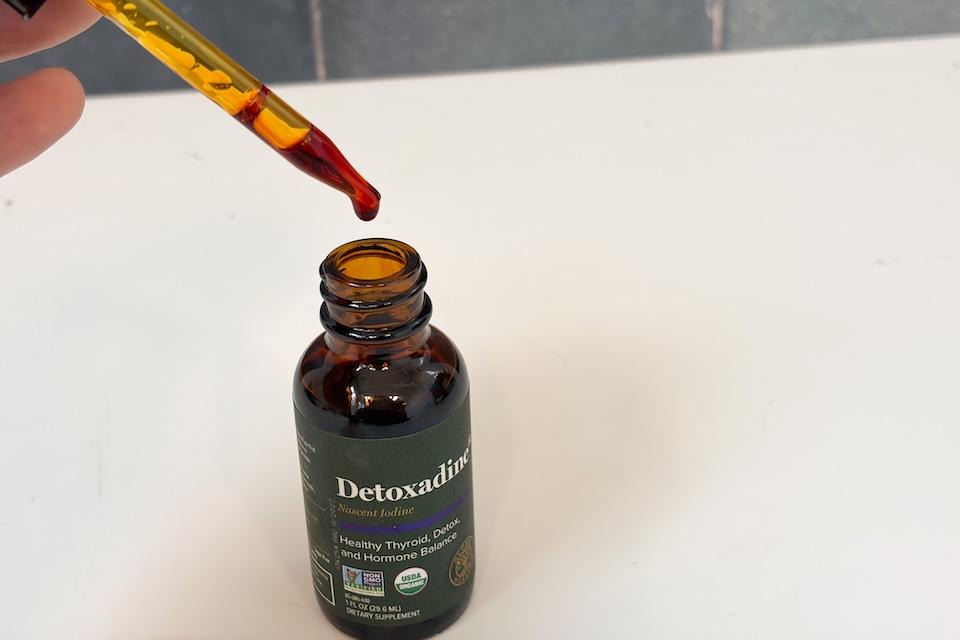
This supplement, which is in liquid form, was very easily swallowable—earning a 5 out of 5 from Pete. However, he noted, “The liquid is dark amber in color, and it has a very metallic taste to it. This isn’t something I would want to use daily.” He gave it a 1 out of 5 for how it tasted.
Pete said he didn‘t experience any side effects after taking this product, but he said, “This is a very potent formula, and I wouldn’t use the full three-drop serving size unless you had a diagnosed iodine deficiency.”
In assessing the product overall, he added, “Detoxadine is a liquid ‘nascent iodine’ supplement. The three-drop serving size delivers 1,950 micrograms of iodine per serving. The main issue I have with this supplement is that the established tolerable upper limit for iodine is 1,100 micrograms per day for adults, and 1,950 micrograms is well above this limit. Chronic intake of iodine above the upper limit is associated with thyroid dysfunction, so I generally wouldn’t recommend this product, especially if you’re not working with a professional healthcare provider.”
If you think this product may be a good fit, we do recommend checking with your healthcare provider first as to whether the dosage is right for your needs.
Specs
- Iodine dosage: 1,950 mcg
- Third-party testing: Yes
- Source: Nascent iodine
- Serving size: 3 drops
- Servings per container: 200
When to Talk to Your Doctor
According to the National Institutes of Health (NIH), iodine is a mineral found in some foods—like tuna, cod, milk, yogurt, and eggs—that the body needs to make thyroid hormones. These hormones, in turn, control your body’s metabolism and support bone and brain development during pregnancy. It’s important to get sufficient iodine, with most adults requiring 150 micrograms per day. And because iodine is important for fetal and infant development (which is why it’s included in many prenatal and postnatal supplements), pregnant women typically need 220 micrograms per day, with breastfeeding women needing 290 micrograms.
Iodine deficiency isn’t common in the United States but those with a true deficiency can’t produce enough thyroid hormone, which can cause problems. The first sign of an iodine deficiency is typically goiter, an enlarged thyroid gland. Here are some groups who are more at risk of developing an iodine deficiency:
- People who don’t use iodized salt
- Pregnant women, who need about 50 percent more iodine than other women
- Those who follow a vegan diet or who eat few or no dairy products, seafood, or eggs
Be sure to talk to your healthcare provider if you have concerns. Proper testing and diagnosis needed prior to iodine supplementation. You don’t want to take too much iodine, as that can cause serious health issues as well. The recommended upper limit of iodine for adults is 1,100 micrograms, according to the NIH.
Complications of taking too much iodine may include:
- Consuming more than this maximum daily amount can cause thyroid dysfunction, leading to conditions like hypothyroidism or goiter over time
- Given a Tolerable Upper Limit of 1100 mcg iodine daily, ingestion of an iodine or kelp supplement containing in excess of 500 mcg iodine daily should not be done
- Certain exceptions to these recommendations include those for specific medical conditions; such individuals should be closely monitored for thyroid dysfunction
How We Tested and Selected the Best Iodine Supplements
There can be a wide variation in supplement quality. Here’s what we focused on when testing iodine supplements.
Taste and Texture
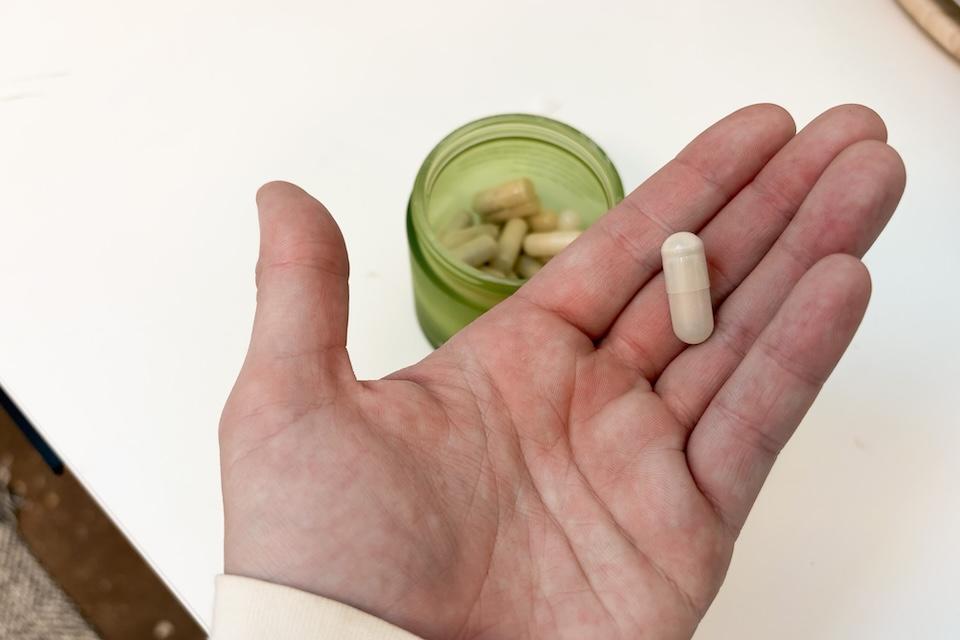
When testing supplements we note both taste and texture, as those are important factors in how pleasant it is to actually take that supplement. That, in turn, affects the likelihood of a person continuing to take a product. We note any off-putting flavors, awarding a “3” for average/neutral flavors, so consumers can determine which product is best for them.
Formula
As part of our testing process, we work with a registered dietitian to review formulas for safety. We also check to make sure product dosages are clinically supported and in line with the recommended daily values, and that products don’t contain any undesirable ingredients.
Dosage
The NIH says most adults need 150 micrograms of iodine per day, though pregnant women typically need 220 micrograms. Women who are breastfeeding need even more, at 290 micrograms. Make sure to talk to your doctor about the appropriate dosage for you.
Third-Party Testing
The U.S. Food and Drug Administration (FDA) doesn’t approve dietary supplements for safety or efficacy, so ingredients and their amounts may differ from what’s on the label. For this reason, we look for products that have been third-party tested to confirm safety and accuracy.
Value
Here are some things to consider when determining value. We like to show cost per serving, as that’s often more helpful than looking at price alone.
Benefits of Iodine Supplements
Here are some of the benefits of iodine supplements, according to the NIH.
- Thyroid support: Iodine is crucial to the production of thyroid hormones, which in turn control the body’s metabolism and other functions.
- Fetal and infant development: Women who are pregnant or breastfeeding need to ensure they get adequate iodine intake because it helps babies and infants grow and develop.
- Reduce symptoms of fibrocystic breast disease: This disease causes lumpy, painful breasts, but high-dose iodine supplements may help reduce pain and other symptoms—though more research is needed.
What to Avoid in Iodine Supplements
Here’s what to look for and avoid when choosing an iodine supplement.
- Look for an appropriate dosage. Taking too much iodine can carry risks, so you want to make sure you choose a supplement with an appropriate amount of iodine for you. Keep in mind that many people consume iodine as part of their daily diet, including by eating iodized salt, so you may not need a product that offers 100 percent of the recommended daily value.
- Avoid products that lack third-party testing. The FDA doesn’t regulate supplements the same way it regulates medications, so we suggest purchasing a supplement that has been third-party tested. Some companies even include test results on their websites.
- Pick a formula that suits your needs. Some supplements are meant to deliver iodine only, while others may offer additional vitamins and minerals. It’s important to keep in mind any other supplements you may be taking to ensure that the cumulative dosages are appropriate for your needs. This can (and should) also be done in consultation with a healthcare provider.
How to Find the Best Iodine Supplements for You
If you’re considering an iodine supplement, here are some things to consider.
Your Wellness Goals
First, we recommend discussing any particular health concerns with a healthcare provider to see if you’re a good candidate for an iodine supplement. We suggest discussing with your provider the possible benefits you might experience and the goals for taking a supplement. Then you can choose the product best designed to support those goals.
Form
The type of iodine supplement you take—whether capsule, tablet, or liquid—depends on personal preference. Be sure to think about which you’re most likely to stick with, as consistency is key.
Other Ingredients
Supplements often contain additional ingredients beyond the active ingredients, so we recommend scanning the entire formula to make sure it’s free of any undesirable additives, like food colorings or unnecessary fillers.
Frequently asked questions
What is the best form of iodine to take?
According to the NIH, dietary supplements typically include iodine as potassium iodide or sodium iodide, though supplements containing kelp (a seaweed that contains iodine) are noted as being an option as well. Additionally, the NIH notes one small study that showed that people almost completely absorb potassium iodide.
What are the signs that the body is too low on iodine?
Iodine deficiency isn’t very common in the U.S., but people with a deficiency typically first develop goiter—an enlarged thyroid gland. Other symptoms may include fatigue, weight gain, and greater sensitivity to cold, among other things.
What should you not mix with iodine supplements?
According to the NIH, iodine supplements can interact with medications, including but not limited to antithyroid medications, blood pressure medications known as ACE inhibitors, and potassium-sparing diuretics. It’s important to speak with a healthcare provider before beginning an iodine supplement.