
If your days are a blur of meetings, emails, and takeout dinners between deadlines, finding time to focus on weight loss can feel like another full-time job. But, a new wave of programs is demonstrating that getting healthy doesn’t have to mean sacrificing your schedule. From app-based coaching to smart meal planning and workout integrations, today’s top platforms are designed for professionals who need structure, flexibility, and measurable results.
Our team tested multiple options to select the best programs for busy lifestyles. Between Noom’s behavioral insights, the Mayo Clinic Diet’s expert-led meal planning, or WeightWatchers’ habit-based approach, these are the best programs for weight loss of 2026 that make it possible to prioritize weight loss—even when life doesn’t slow down.
Best Weight Loss Programs of 2026
- Best Weight Loss Program Overall: Noom
- Best Weight Loss Program for Workouts: Simple
- Best Personalized Weight Loss Program: Reverse Health
- Best Weight Loss Program with Meal Planning: Mayo Clinic Diet
- Best Weight Loss Program for Calorie Counting: Nutrisystem
- Best Weight Loss Program for Eating Habits: WeightWatchers
Best Weight Loss Program Comparison Table
Best Weight Loss Program Overall: Noom
Noom
| Fortune score | 4/5 |

at Noom
- Our thoughts: A structured course in lifelong weight management, rather than just counting calories
- Who it’s for: People who want app‑based guidance, insight into their eating habits, and structured lessons
- What makes it different: The app uses a traffic‑light food system, and integrated coaching and community backed by emerging behavior‑change research
Pros
- Psychology‑based lessons that target habits, emotions, and triggers
- Flexible, color‑coded food system that doesn’t fully ban specific foods.
- Includes food and activity tracking, coaching, and peer support in one app
Cons
- Requires frequent logging and in‑app reading, which may be time consuming
- Coaching quality and depth can vary
- Subscription cost is higher than other basic tracking apps
Our Thoughts on Noom
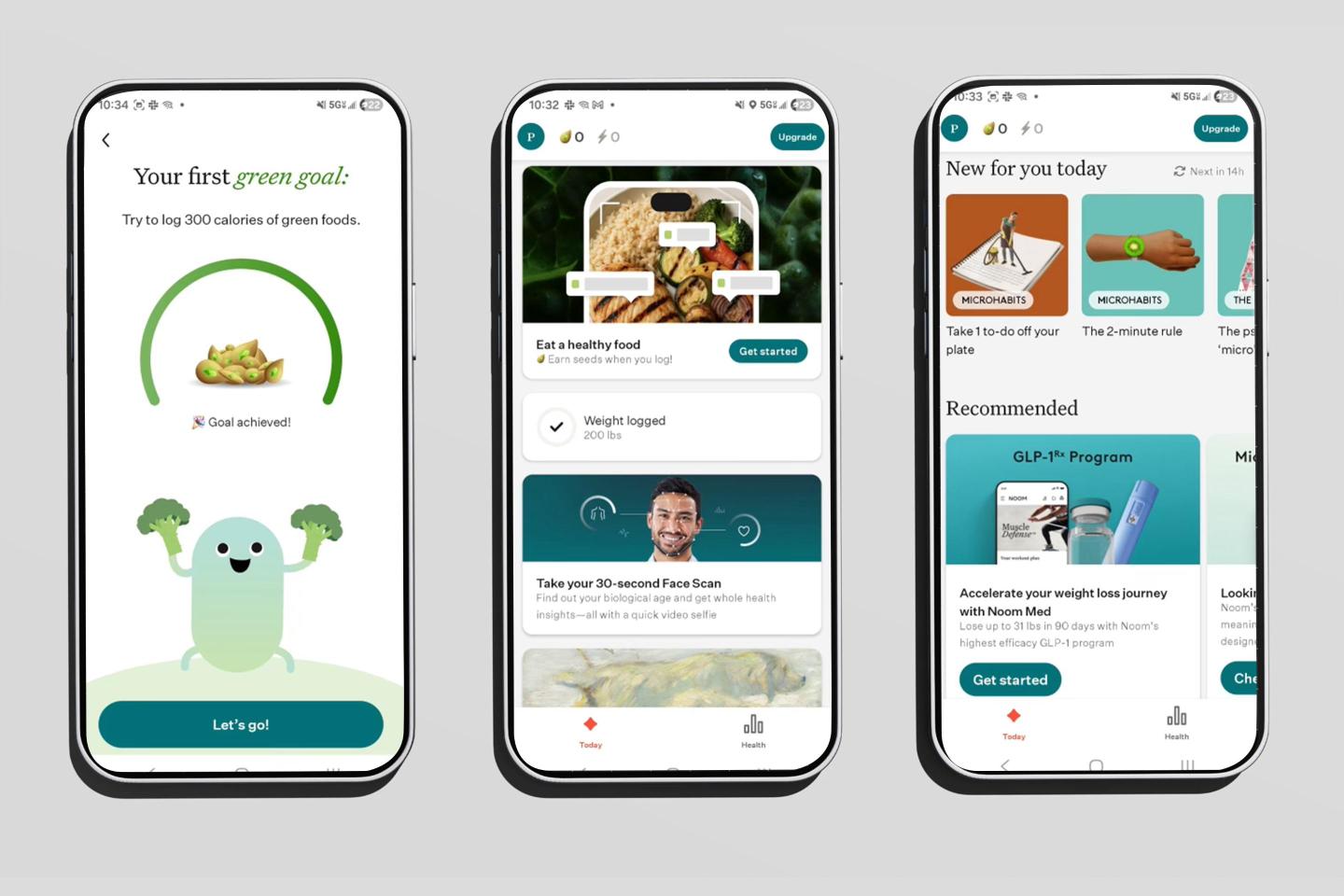
Noom is our pick for the best overall weight loss program because it goes beyond short‑term dieting to systematically retrain how users think about food, activity, and triggers. Its blend of daily psychology‑based lessons, structured tracking, and built‑in coaching and community support creates a more immersive experience than simple calorie‑counter apps, which can help you to adhere to new habits and support longer lasting success.

A member of our team, Grant, tested Noom for a nine-month period and shared his thoughts on the app’s functionality, ease of use, accountability, safety, and more. Grant is a 27-year old man who is 5 foot 9 inches tall. He rated his overall experience with Noom as a 5 out of 5. “The app was very easy to use,” Grant said. “The app itself is basically a weight loss/calorie tracker with some fitness elements incorporated—I found it fairly easy to stick with.”
The program’s recommendations are presented in a way that’s easy to understand, Grant said. It centers around replacing wasteful calories with other, more filling foods that can help you lose weight. “The program doesn’t necessarily provide a set meal plan, but it includes plenty of health-conscious recipes that are good. I prefer to cook for myself with recipes found online, and ended up using Noom to track those calories,” Grant said.
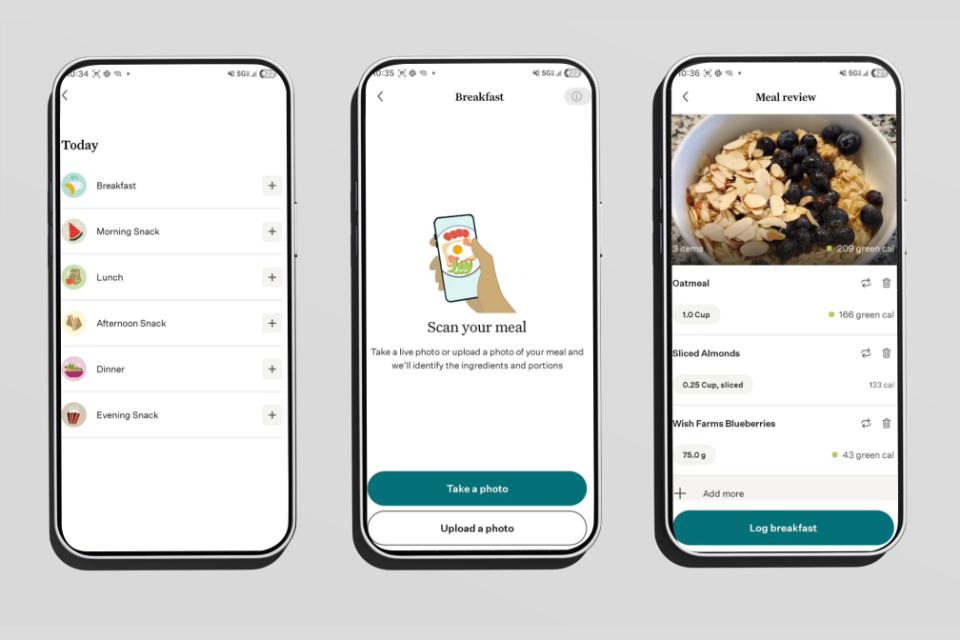
When considering the accountability features, Grant rated his experience as a 4 out of 5. The app offers built-in support communities to encourage your journey. You do have to seek out the communities, he explained. But there are plenty of hyper-specific groups that you can join, such as active men, young folks, pregnant women, and more. “Many people in the groups were encouraging each other to continue on their weight loss journey, even if they weren’t seeing immediate results, which really helped me to stick with it. I didn’t feel any body shaming whatsoever—quite the opposite,” Grant said.
Our tester was incredibly happy with his results after a nine-month trial, saying: “This program helped me lose nearly 70 pounds. I attribute the first 24 pounds that I lost directly to Noom—it helped me to understand that I was eating more calories than needed, which helped me clean up my diet. It felt like a game, getting to the right number of calories for my goals.” He stopped using Noom about a year, once he reached his goal weight and he had learned how to build a sustainable diet.
Best Weight Loss Program for Workouts: Simple
Simple
| Fortune score | 3.75/5 |

at Simple
- Our thoughts: Fasting, food logging, and bite‑size workouts with clear prompts
- Who it’s for: Folks who want an all‑in‑one fasting and activity app
- What makes it different: The app has a gamified scoring system that rewards consistency
Pros
- Integrated fasting, food, hydration, and movement tracking
- Quick, app‑based workout prompts and video snippets that fit into a busy day
- AI coach and success score that reward consistency
Cons
- Free version is limited; many advanced features require a paid subscription
- Less in-depth nutrition education than full diet programs
- No recipes or mealtime support
Our Thoughts on Simple
Simple is our pick for the best weight loss program for workouts because it weaves movement into the same daily flow as fasting and food tracking, using prompts, short workout clips, and a real‑time success score to nudge users to be more active throughout the day. We like that workouts are in the same app as coaching, logging, and reminders–great for building up consistent habits over time.
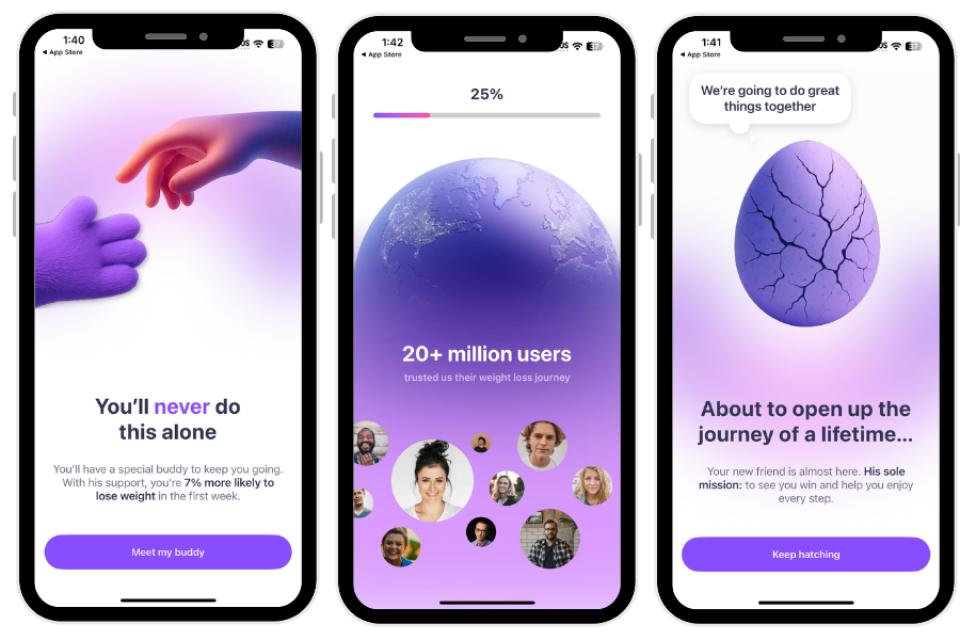
Pete tested the Simple App for seven days to support his intermittent fasting routine with an overall weight-loss goal. He followed the plan consistently throughout the week. In general, Pete said he had a positive experience using the app, rating it a 4 out of 5.
He found the recommendations in the app easy to follow, rating them a 4 out of 5. “When I downloaded Simple, I was prompted to answer a series of questions about my age, current weight, dietary preference, eating habits, sleep patterns, activity level, and goals. This information allowed the Simple App to recommend a plan tailored to my specific goals,” Pete said. “If you have weight loss goals, you can enter your goal weight with the option to include a date or an event you’re trying to get in shape for. I set an upcoming 5K run event as my deadline, and Simple created a timeline for when I would expect to meet that goal if I followed the app’s guidance.”
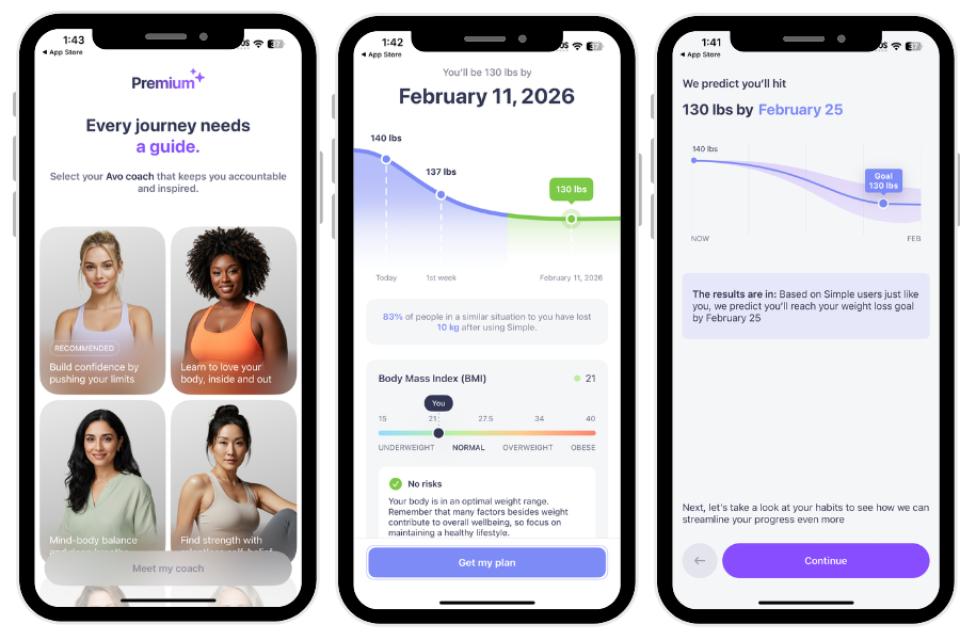
We’ll note the app doesn’t have a community to talk to or personalized coaching. “The app does have an AI assistant, which can answer questions and provide guidance on healthy recipes, workout ideas, and improving your meal scores,” Pete said. “You can log your meals by taking photos or describing them in the app. Simple also offers easy-to-read articles written by a dietitian that provide extra guidance on nutrition and fasting. The accountability aspect comes from the app’s reminder system, which keeps you aware of when your fasting window starts and ends so you stay on track.” He rated the accountability aspect of Simple as a 3 out of 5.
However, since Pete tested this app, Simple actually added accountability features to their app. Enter, Blinky. This is an in-app accountability buddy for weight-loss and fitness purposes. Blinky works alongside your Simple Success Score to help track your day and goal progress.
Pete thinks that Simple is a great choice for anyone wanting to try intermittent fasting with additional support for their nutrition or weight loss journey. There are premium personalized plans, but Pete found the free weight loss program to be robust and allows you to experience the app’s interface before deciding whether or not to upgrade to the paid subscription for additional personalized guidance.
Best Personalized Weight Loss Program: Reverse Health
Reverse Health
| Fortune score | 4.5/5 |

at Reverse Health
- Our thoughts: We love that this app uses a detailed intake quiz to build custom nutrition, movement, and mindset plans specifically around midlife hormonal changes
- Who it’s for: Women 40+ who want a menopause‑aware plan with guided home workouts, meal ideas, and education about how hormones and metabolism impact weight
- What makes it different: Combines hormone‑smart nutrition, low‑impact pilates and yoga, mindset coaching, and optional 1:1 coaching
Pros
- Personalization based on age, goals, symptoms, and preferences
- Menopause‑aware nutrition and low‑impact workouts
- Education, mindset coaching, and optional 1:1 support for accountability
Cons
- Subscription costs are higher than many generic weight loss apps
- App may feel complex and data‑heavy for beginners
- Mixed customer service feedback
Our Thoughts on Reverse Health
Reverse Health is our pick for the best personalized weight loss program because it is designed for women over 40, tailoring nutrition, movement, and habits to changing hormones rather than forcing a one‑size‑fits‑all plan. The combination of customized meal plans, low‑impact home workouts, symptom‑aware education, and optional coaching creates a program that feels genuinely individualized.
After using the program for just over a week, our tester, Paige, gave her overall experience a 5 out of 5. “My overall experience was great,” she said. “I could absolutely see myself using this app long term to reach my goals. It was easy to stick to and fun to navigate.”
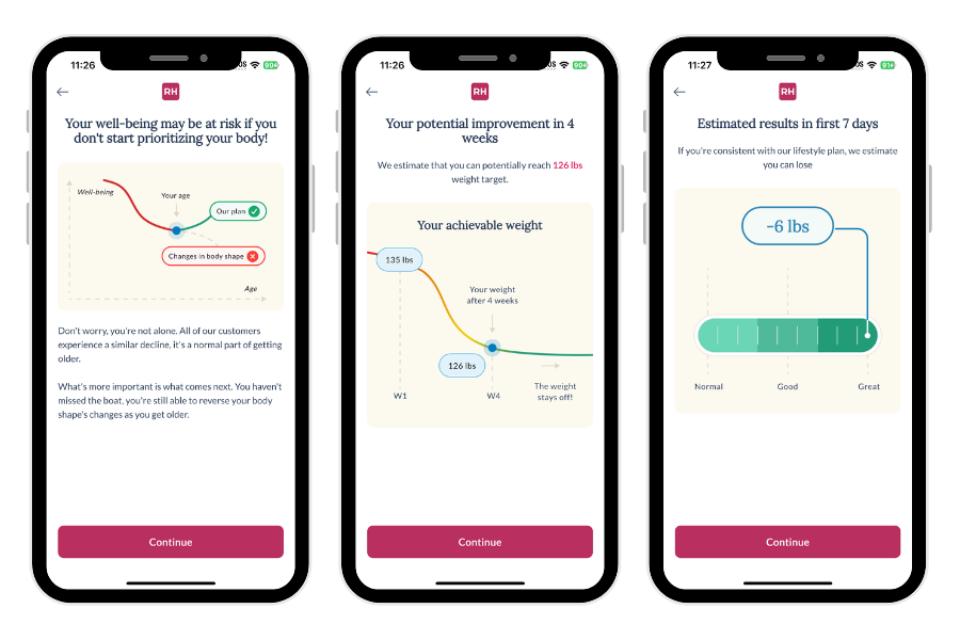
Our tester was especially impressed with the ease of use for Reverse Health, rating the instructions a 5 out of 5. Paige loved taking advantage of the program’s meal plan recipes, trying a few out for herself. “The meals were surprisingly simple and satisfying. I did not feel like I was going hungry,” she said. “Plus, the recipes were very easy to follow and had simple ingredients.”
On accountability, our team also gave Reverse Health an overall 5 out of 5 rating. The app sends push notifications as reminders to track food or complete workouts. Additionally, the program was incredibly customizable in Paige’s experience, making it easy to apply Reverse Health to her daily lifestyle.

We enjoyed that Reverse Health offered inclusive imagery for all body types, so the program felt supportive, according to Paige. “My only comment is that the pictures in the beginning while registering were clearly AI generated, and it would’ve been more encouraging to see real photos,” she said. That being said, Paige liked that she didn’t feel anything about the app was pressuring or shame-inducing.
“My overall experience with this program was great! I loved the interface and how easy it was to navigate,” Paige added. “I personally liked the food tracking side the most and felt it gave the most data. The exercise portion was best at helping me feel good.”
Best Weight Loss Program with Meal Planning: Mayo Clinic Diet
Mayo Clinic Diet
| Fortune score | 4/5 |

at Mayo Clinic Diet
- Our thoughts: We love that they offer flexible meal templates and recipes focused on whole, nutrient‑dense foods, so there’s no strict calorie counting
- Who it’s for: People who want medically informed guidance when losing weight
- What makes it different: Created by Mayo Clinic experts, it emphasizes habit‑building, evidence‑based nutrition
Pros
- Clinic‑designed meal framework focused on whole foods
- Robust library of recipes, meal plans, and shopping lists
- Emphasis on sustainable habits and activity
Cons
- Less real‑time app coaching and community support than other digital programs
- Requires home cooking and meal prep, which may not work for all folks
- Subscription cost adds up over time, especially if used mainly for recipes
Our Thoughts on Mayo Clinic Diet
The Mayo Clinic Diet is our pick for best weight loss program with meal planning because it pairs a clear, medically backed framework with plug‑and‑play meal plans and recipes that take much of the guesswork out of what to eat. Its phase‑based structure, pyramid visual, and practical planning tools help folks to build weeks of balanced meals at a time, turning healthy eating into a repeatable routine rather than a daily decision scramble, which supports both weight loss and long‑term healthy habits.
When you first start the program, Mayo Clinic allows you to choose from eight different meal plans, including Mediterranean, simple, healthy keto, original, heart smart superfoods, higher protein, and vegetarian, according to our tester, Pete. “Each of these meal plans come with daily recipes for breakfast, lunch, and dinner, and you can easily swap out recipes for different ones right in the app, making it very customizable,” he explained.
Pete went with the high protein plan and was impressed with the recipes. “The recipes looked great. However, they definitely require a bit of knowledge in the kitchen,” he said, giving the instruction a 4 out of 5 score. “For those with less cooking experience, or those who want easy recipes then the Simple plan would work well since those recipes use minimal ingredients and are designed to be prepared within 15 minutes.”
To avoid confusion, we’ll note that the Simple plan Pete referred to is a streamlined cooking plan within the Mayo Clinic Diet—distinct from the Simple weight loss program featured elsewhere in this article.
Where accountability is concerned, the Mayo Clinic Diet earned a 5 out of 5 rating. The app sent Pete helpful, considerate notifications and reminders to complete a workout or track his meals. He thought the app was great at teaching healthy, sustainable habits.
Pete also gave the sustainability factor a 5 out of 5, finding the program easy to follow in a long-term sense. However, we did dock the Mayo Clinic Diet a little bit in the safety arena. The program offers inclusive imagery and promotes safe, healthy eating habits. However, you’re only able to chat with a registered dietitian for users with insurance. We would love the Mayo Clinic to offer, for instance, a first free chat with a dietitian, followed by insurance-covered sessions thereafter.
Overall, though, Pete was thrilled with his experience, giving it a 4.5 out of 5.
Best Weight Loss Program for Calorie Counting: Nutrisystem
Nutrisystem
| Fortune score | 3.75/5 |

at Nutrisystem
- Our thoughts: Meals and snacks are shipped to you, so you spend less time planning and tracking
- Who it’s for: Folks who prefer to follow a set menu
- What makes it different: Users don’t have to cook or track calories in each component
Pros
- The app helps suggest foods to create well-balanced meals
- Has an extensive recipe list
- You can order Nutrisystem meals directly in the app
Cons
- You can’t change your suggested daily calories in the app
- Meals are shipped monthly rather than weekly, so you will need to have a lot of space in your fridge, freezer, and pantry to store the meals
- Expensive compared to cooking at home
Our Thoughts on Nutrisystem
Nutrisystem is our pick for best weight loss program for calorie counting because it largely automates the hardest parts of eating in a calorie deficit: planning, portioning, and tracking. By delivering pre‑portioned meals tied to specific calorie levels, this reduces decision fatigue and guesswork, which can be especially helpful for folks who feel overwhelmed by tracking apps or meal prep.
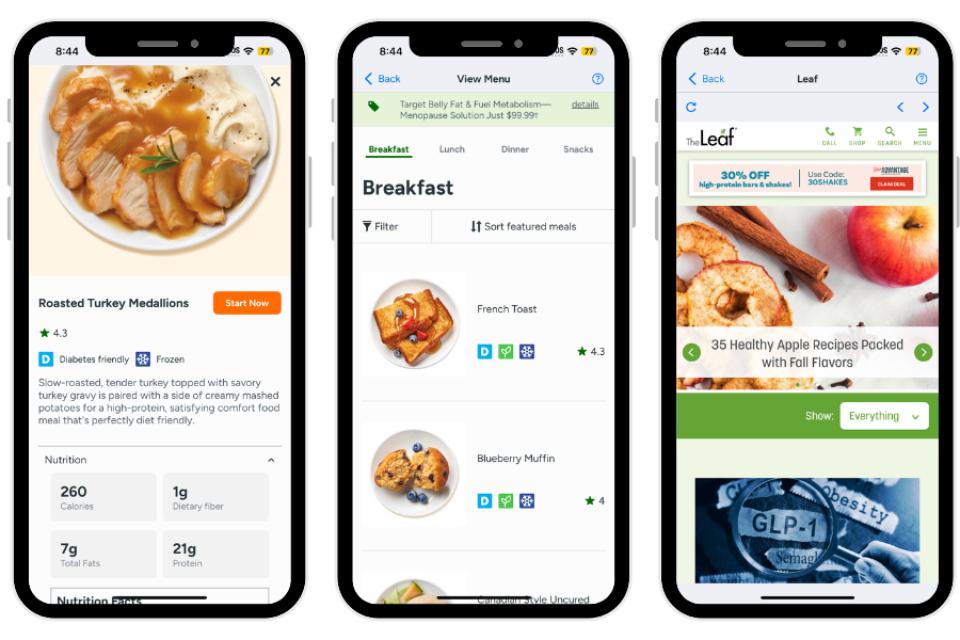
Pete tested Nutrisystem’s meal delivery service for two weeks, rating his overall experience as a 3 out of 5. He appreciated the convenience of not having to grocery shop or prepare meals. The Nutrisystem subscription includes access to the app, which allows you to track food intake, physical activity, and weight-loss progress in one place. “The program is very structured, with simple guidance on when and what to eat, which aligns well with its primary goal of creating a calorie-controlled routine without requiring users to plan meals themselves,” Pete said. “The food you order is heat-and-eat, rather than ingredient-based meals that require cooking. However, the app does offer an extensive recipe library for those who want to prepare their own meals. This is helpful for people who order five days of meals per week and need guidance for cooking on their own during the weekends,” he said. Pete rated the ease of following instructions as a 3 out of 5.

Overall, using Nutrisystem was a convenient and structured way to follow a calorie-controlled plan. The pre-packaged, portion-controlled meals made planning and prep virtually effortless, and the app helped Pete track meals and stay on schedule. He appreciated the variety of lunch and dinner options, which kept things interesting, though breakfast choices were a bit limited.
“What worked well for me was the simplicity and structure. I didn’t have to think about meal planning and the pre-portioned meals made it easy to stay in a calorie deficit. I did need to add some snacks and protein shakes to feel fully satisfied and get in enough daily protein, because the program doesn’t adjust for your weight or activity level,” he said.
Best Weight Loss Program for Eating Habits: WeightWatchers
WeightWatchers
| Fortune score | 4/5 |

at WeightWatchers
- Our thoughts: We like that WW helps to guide portions and food choices while still allowing favorite foods
- Who it’s for: People who want structure without strict food bans
- What makes it different: The program uses a research‑backed points system, large food database, and a focus on everyday choices (including eating out and packaged foods) rather than fixed meal plans
Pros
- Great for people who enjoy a community centered approach to weight loss
- On-demand exercise videos are available in the app
- Thousands of meatless recipes and a plant-based cookbook for vegan and vegetarian lifestyles
Cons
- There is no free version of the app
- Subscription costs can add up over time
- Points tracking and frequent logging may feel tedious or time‑consuming
Our Thoughts on WeightWatchers
Weight Watchers is our pick for the best weight loss program for eating habits because it uses a proprietary points system that replaces conventional calorie and nutrient tracking. The concept includes a PersonalPoints budget which tells you how many points you have available on a daily basis. WW then assigns point values to foods based on their nutritional profile, and you fit them into your plan. WW hosts meetings for users to discuss their weight loss journeys, encourage each other, and celebrate wins. This social support has been shown to increase program adherence and generate improved long-term weight loss results.
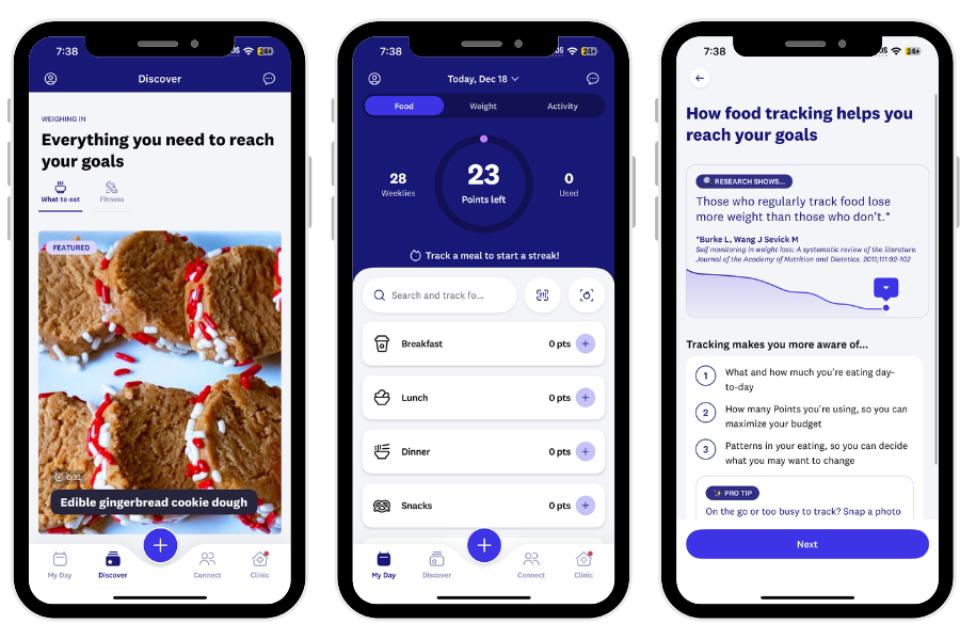
Pete tested WeightWatchers (also referred to as WW) for seven days and was able to be consistent with it for the entire week. Overall, he thinks that WW has a lot of positives for anyone looking to build healthier eating habits. The food point system is approachable and works well for people who don’t want the hassle of tracking calories or macros.
He rated his overall experience with WW as a 4 out of 5. “The app itself is well-designed, offering plenty of useful features, including a barcode scanner for quick and easy tracking, the ability to log meals by taking a photo, and a robust recipe database. It also provides macronutrient data for protein, carbs, and fats, and includes a recipe analyzer that can generate point totals for virtually any recipe. There’s also a progress tab so you can keep track of your weight loss over time,” Pete added.

Pete rated the instructions and recommendations from WW as a 4 out of 5. To start WW, users answer questions about their age, weight, food preferences, and activity level. Based on this information, the app generates a personalized Points budget, which tells you how many points you have available daily. Users can track their points throughout the day using the WW app.
Tracking everything consumed is key to success with WW, as accuracy enhances the program’s effectiveness. “The app’s educational components help users build healthier habits by combining expert-led coaching, behavioral science, and practical nutrition tools. Through interactive workshops, personalized plans, and features like food scanning and recipe analysis, users learn how to make better choices in real time while also improving mindset, sleep, and long-term consistency,” Pete said.
The WW app includes access to over 13,000 healthy recipes. They vary in complexity, but the majority are easy to follow and prepare, per Pete’s experience.
How We Tested and Selected the Best Weight Loss Programs
For each program, our evaluation focused on how well it supports safe, sustainable weight loss rather than fast, extreme results. Programs were reviewed for evidence‑based guidance, clarity of education, and how well the tools (apps, coaching, meal plans) help people build lasting habits. Some of the programs also offer healthy meal delivery services, which some folks may be interested in to help simplify their weight loss tasks.
Types of Diets Offered
We considered if programs use a specific dietary pattern (such as intermittent fasting, portion‑control, or a food‑group–based approach) and how flexible that pattern is in day‑to‑day life. Programs scored higher when they offered structure without being overly restrictive, included plenty of whole foods, and allowed for personal food preferences. Several programs we included also have a meal delivery service, which you may be interested in if you’d like to skip grocery shopping, planning, and even cooking.
Accountability
Accountability covered aspects such as access to coaching, group support, progress tracking tools, and reminders. Programs that provided multiple layers of support—such as in‑app check‑ins, coaching, communities, or structured progress reviews—were rated more favorably than those that left users largely on their own.
Ease of Use and Instruction
Ease of use included app or website design, clarity of instructions, and how simple it was to start a plan and follow it day to day. Programs that offered clear onboarding, step‑by‑step guidance, and intuitive tracking tools were prioritized over those that felt confusing, cluttered, or required a steep learning curve.

Sustainability
Sustainability focused on whether a weight loss program can realistically be followed for months, not just weeks. Factors included flexibility around social eating, travel, and busy schedules, as well as emphasis on habits and skills rather than short‑term rules; programs that encouraged gradual, maintainable change ranked higher.
Value
Value reflects how well the program’s price lines up with its features, level of support, and long‑term usefulness. The evaluation weighed cost against the quality of education, coaching, tools, and results potential to highlight options that deliver strong overall benefit—not just the cheapest, but the best value for what you get.
How to Find the Best Weight Loss Program for You
Start by clarifying what you want most from a program: structure, education, accountability, or convenience. From there, you can match those needs to programs that fit your health history, schedule, and preferences, ideally with input from your doctor.
Your Fitness Goals
Different people have different goals—fat loss, muscle gain, performance, managing conditions like diabetes, or feeling more energetic. That means your ideal program might emphasize strength training, cardio, nutrition habits, or medical oversight in very different ways. Talking with your doctor or other qualified healthcare professional before starting any plan is important, especially if you have existing health conditions, are pregnant or postpartum, or take medications that may affect weight or exercise tolerance.
Support System
Some folks do best when they feel part of a community, whether that’s an in‑app group, live workshops, or a private group of friends and family. Others prefer to work more independently and may find social interaction distracting or draining. As you compare options, pay attention to whether a program offers group forums, coaching sessions, or live events, and whether that type of support feels motivating or overwhelming to you.
Hands-On Accountability
Some folks prefer regular check‑ins with a coach who reviews logs, adjusts goals, and offers feedback, which can be especially helpful if you struggle with consistency. Others feel comfortable using a self‑guided app and automated reminders and may only want occasional touchpoints, or no coaching at all.

Meal Tracking Preferences
Programs differ significantly in how they handle food: some emphasize calorie or macro counting, some use points or color systems, and others lean on portion sizes, journaling, or more intuitive approaches. If precise calorie counting is not for you, a gentler framework may be a better fit, while data‑driven personalities might enjoy logging every bite.
Progress Tracking
Progress can be tracked in many ways—scale weight, tape measurements, progress photos, fitness milestones, clothing fit, or habit streaks. Some programs encourage daily weigh‑ins and regular photos, which can be motivating for some folks and uncomfortable or discouraging for others. It helps to choose an approach to tracking that feels respectful and encouraging to you; consistent habits matter more than any single metric, and you can succeed without forcing yourself into tracking methods that don’t work for you.
Benefits of Weight Loss Programs
Weight loss programs can offer several advantages beyond the number on the scale:
- Clear structure that reduces decision fatigue about what to eat and how to move.
- Education about nutrition, exercise, and behavior change that you can use long‑term.
- Accountability and support that help you stay consistent when motivation dips.
- Tools for monitoring progress and adjusting your plan instead of guessing.
Frequently asked questions
What is the most effective weight loss program?
The most effective program is typically the one you can follow consistently while maintaining your physical and mental health. We picked Noom as our overall best program for weight loss; we like its daily lessons, structured tracking, and built-in coaching along with community support.
What is the best diet to lose weight?
There’s no one specific diet that is best for weight loss— many different dietary patterns can work—if they create a sustainable calorie deficit and provide enough protein, fiber, and micronutrients. The “best” one is the one you can maintain while feeling adequately fueled and satisfied.
What is the most effective form of weight loss?
The most effective approach typically combines nutrition changes, regular physical activity (especially a mix of resistance training and cardio), adequate sleep, and stress management. Habit‑based approaches usually lead to longer-lasting weight and health improvements.