
Do you think we’re in an AI bubble? Even the experts who’ve predicted past crashes can’t seem to agree.
“Dr. Doom” Nouriel Roubini—who predicted the mid-2000s housing crash that Wall Street dismissed—isn’t convinced we’re heading for catastrophe. Yet the analyst who called the dotcom bubble has warned it will all “end in tears.” And then there’s the Big Short investor Michael Burry, who is going as far as betting $1 billion on the AI bubble bursting.
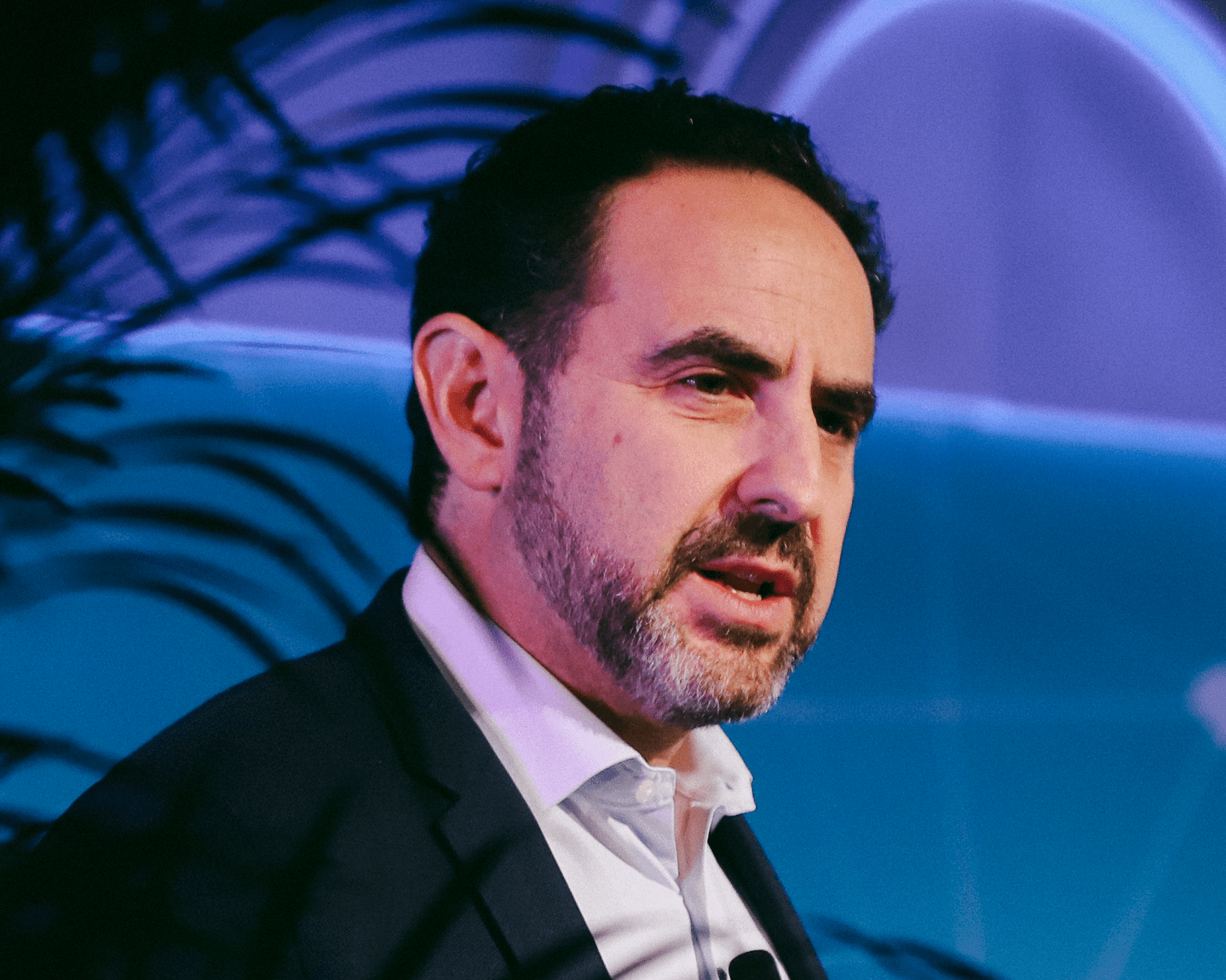
And if you’re looking for a job right now, your opinion on all this could decide whether you get the job. Dave McCann, IBM’s managing partner for EMEA, says he now throws the curveball question in interviews as a make-or-break test.
“Right now I must tell you, I’m always asking candidates if they think we’re in an AI bubble or not,” McCann revealed at the Fortune CEO Forum in The Shard in London. “We’ll see how long that question lasts.”
There’s no right or wrong answer, but actually knowing where you stand could give you an edge and pique the exec’s interest. McCann doesn’t care which side you pick—he cares whether you’ve thought it through.
“I strongly believe we aren’t, so let’s see what everyone else has to say.”
3 make-or-break questions CEOs are asking right now
Unusual make-or-break questions aren’t uncommon in the interview—especially as you apply for more senior roles. Some employers are even turning to secret tests to gauge how candidates think under stress. Previously, we’ve heard from a CEO who rejects job candidates who say they can start right away and another who won’t hire anyone who fails his coffee cup etiquette test.
Fortune asked a handful of execs at the forum to share the curveball questions they use to separate strong candidates from everyone else:
How have your value systems shaped you?
Parminder Kohli, the country chair for Shell UK, asks candidates two questions: How have your value systems shaped you, and why does this job attract you? “I’m looking at how is that personal purpose going to be fulfilled by working in our organization in that role, and how does it match in some ways?”
What would you do if you had access to all of LinkedIn’s data?
“We are so fortunate at LinkedIn to have this incredible dataset of the economic graph, which is all the insights that are coming from the platform about how the world of work is changing,” Sue Duke, managing director for EMEA at LinkedIn, explains. “And so one question I always ask is, If you had all of that data and all of our economists and data scientists with you in the morning, what’s the one thing you would want us to do with the graph to have a real impact out there in workers’ lives, in companies’ lives, and in the economy more broadly?”
She continued: “There’s no wrong answer, but what I’m really looking for are people who dream big, who think about the enormous potential of all of that data and all of those insights and who are really focused on driving impact and delivering change out there.”
Explain the rules of tennis to a 10-year-old
“It’s not one that I came up with, but I heard somebody else ask this very interesting question,” Lilika Beck, VP at Sonova Group, said. “They ask whether they know the game of tennis, and if they do, how would you explain the game of tennis and its rules to a 10-year-old, very succinctly? I think what’s cool about that question is it’s a little bit surprising, but it also shows how an individual can simplify and communicate well.”