
Soaring electric and utility bills nationwide are the new political bellwether for consumers heading into a pivotal 2026 midterm election cycle for the first time in recent history. They replace the typical hot-button items of fuel prices and grocery costs—eggs, most notably, last year.
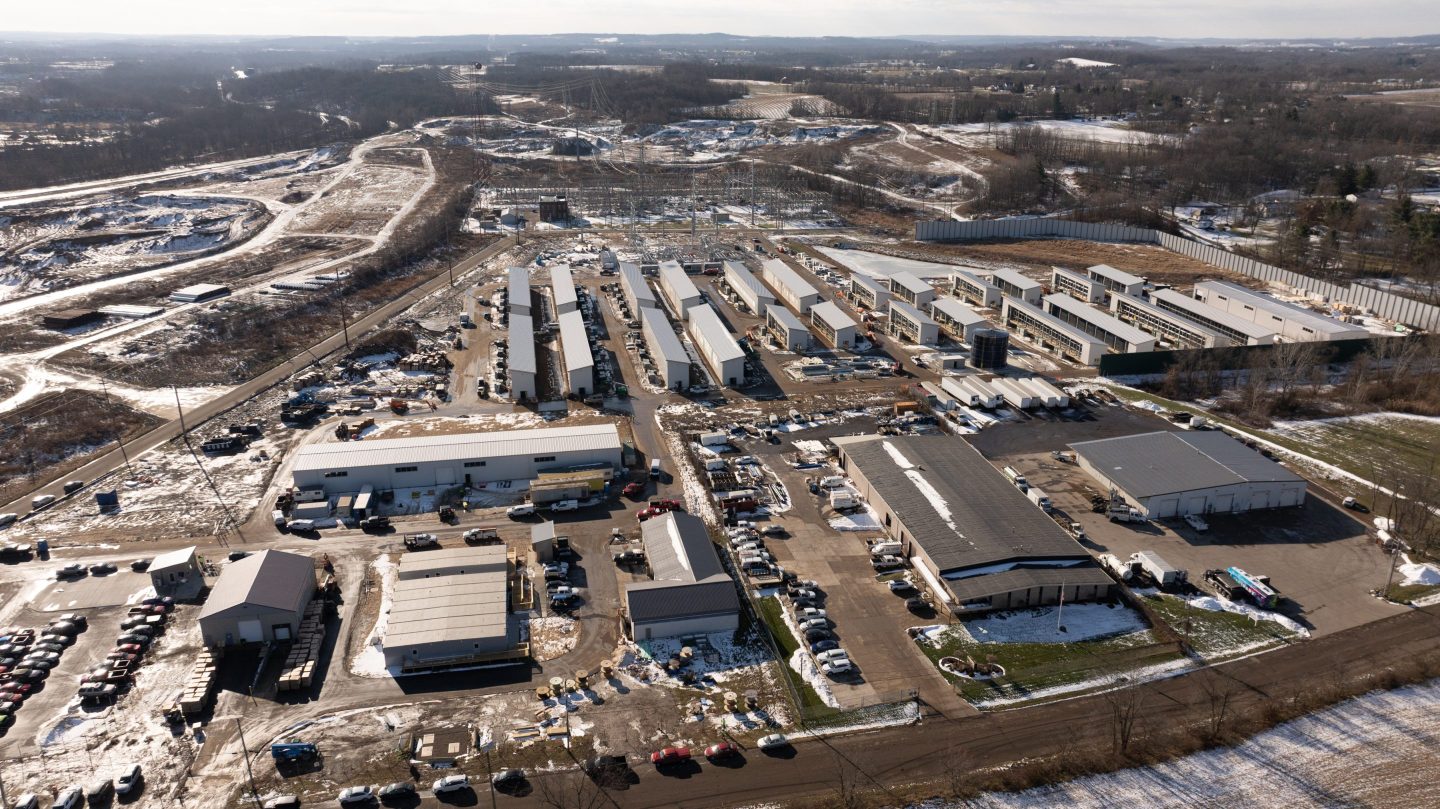
While costly grid and severe weather upgrades have accounted for many of the price hikes of late, utility bills are projected to continue spiking for years to come because of the AI-driven data center boom and surging natural gas exports driving demand for new power generation and more fossil fuels.
“It’s become very clear that we’re entering a new era of politics in America, which is a new politics of electricity,” Charles Hua, executive director of the nonprofit PowerLines, told Fortune. “This is a new political force that is here to stay, and all politicians and policymakers will need to have a response for how they’re going to lower utility bills.”
Electricity and natural gas for heating and cooking are now the leading pressures on inflation in 2025, even exceeding food and grocery costs, according to the latest Consumer Price Index data.
Residential electricity prices have skyrocketed almost 30% since 2021. As of the end of August, electricity costs are up more than 6% in 2025 from the prior year, while piped natural gas costs jumped close to 13%, according to the U.S. Department of Energy.
“The pace at which utility bills have risen is really quite staggering,” Hua said. “People really feel powerless because they feel like they have no choice but to pay. We’re seeing a breaking point where people are so frustrated and confused as to why their bills are going up that they feel they have no choice but to make their voices heard.”
Utility prices were major issues in Democratic election wins in New Jersey, Virginia, and beyond in early November. Democrats in Georgia ousted two Republican incumbents for seats on the state’s normally sleepy Public Service Commission elections. A restaurant in Indiana even recently announced it would stop serving utility workers as a protest.
But the focus has already pivoted to the 2026 elections that will determine control of Congress, and many state races. What is historically a more localized or regional utility issue has spread nationwide.
Apart from pass-on costs from wholesale electricity or natural gas, utility prices are largely determined by rates approved at state levels. Rate hikes are typically implemented for new power generation and grid upgrades. But, in the first three quarters of 2025, utility rate increase requests and approvals totaled over $34 billion nationwide, more than double the $16 billion from the same period in 2024, which was already a record high, according to PowerLines.
Utility costs aren’t always very transparent, but the increases are so large that consumers realize much more of their incomes are going to their electric and heating bills.
Patrick De Haan, head of petroleum analysis at GasBuddy and a leading expert on prices at the pump, says the shift in perception is noticeable. “Consumers always complain about gasoline prices because it’s easier to see what you’re paying on a gallon than it is to see how much you’re being charged per kilowatt-hour,” De Haan told Fortune. “Electricity bills are a lot more of a talking point now than filling up the tank because they’re becoming a lot more painful.”
“That’s where the silent revolt is happening,” he continued. “It’s maybe not as noisy as gasoline prices can be, but [natural] gas and electricity prices have really gone up and probably aren’t going to slow down anytime soon.”
Why and what’s next?
That silent revolt is moving from voting booths and becoming a lot noisier. So, how did we get here?
The costs of utilities and gasoline both surged after the pandemic and especially after commodity prices spiked following Russia’s invasion of Ukraine in early 2022. At the time, there was a greater focus on prices at the pump and former President Joe Biden bore the brunt of those attacks.
Now, crude oil supplies have caught up to fuel demand with the U.S. producing oil at record highs and OPEC hiking its volumes every month since April. Gasoline prices have fallen and stabilized.
The national average for a gallon of regular unleaded is $3.03 this week, down 4 cents from a month ago and less than 1 cent different from a year ago, according to GasBuddy.
On the other hand, natural gas prices are near their highest levels since 2022. Today, demand is soaring because of the data center boom, the rise in liquefied natural gas exports, and the seasonal uptick from the advancing winter months.
Politically, President Trump and his allies like to blame renewable energy, while Democrats have seized on the Big Tech and AI infrastructure boom as the villain. These are factors, but some of the increases are due to repair efforts from increasing severe weather events, including wildfires and hurricane, Hua said.
“The distribution systems—the poles and wires—are costing a lot of money,” Hua said. “It’s not clean energy versus fossil fields. When the grid gets knocked down, and when utilities try to upgrade, they’re hardening the grid to be resilient against storms, wildfires. That costs money.”
Now and going forward, rising domestic power demand from data centers, manufacturing, and electrification efforts are expected to keep driving costs upward, further straining pocketbooks amid inflation. Utility efforts to rapidly build new power generation also will pressure further rate hikes.
What is needed is a political movement for greater grid efficiency, Hua said, and better utilizing the existing generation. “Our grid right now is extremely inefficient. We use it basically at 40% to 50% of its full potential,” Hua said, arguing that increasing efficiency levels by 20 percentage points would create huge financial windfalls for consumers.
“That’s not happening because utilities don’t have the right incentives,” he said. “They don’t make money based off of operational efficiency.”