• Home
  • Latest
  • Fortune 500
  • Finance
  • Tech
  • Leadership
  • Lifestyle
  • Rankings
  • Multimedia
CommentaryAI

Google’s SVP of research, technology and society: People understand that AI will disrupt their lives–but they hope it’s for the better. We must not let them down

By
James Manyika
James Manyika
Down Arrow Button Icon
By
James Manyika
James Manyika
Down Arrow Button Icon
January 16, 2024, 8:28 AM ET
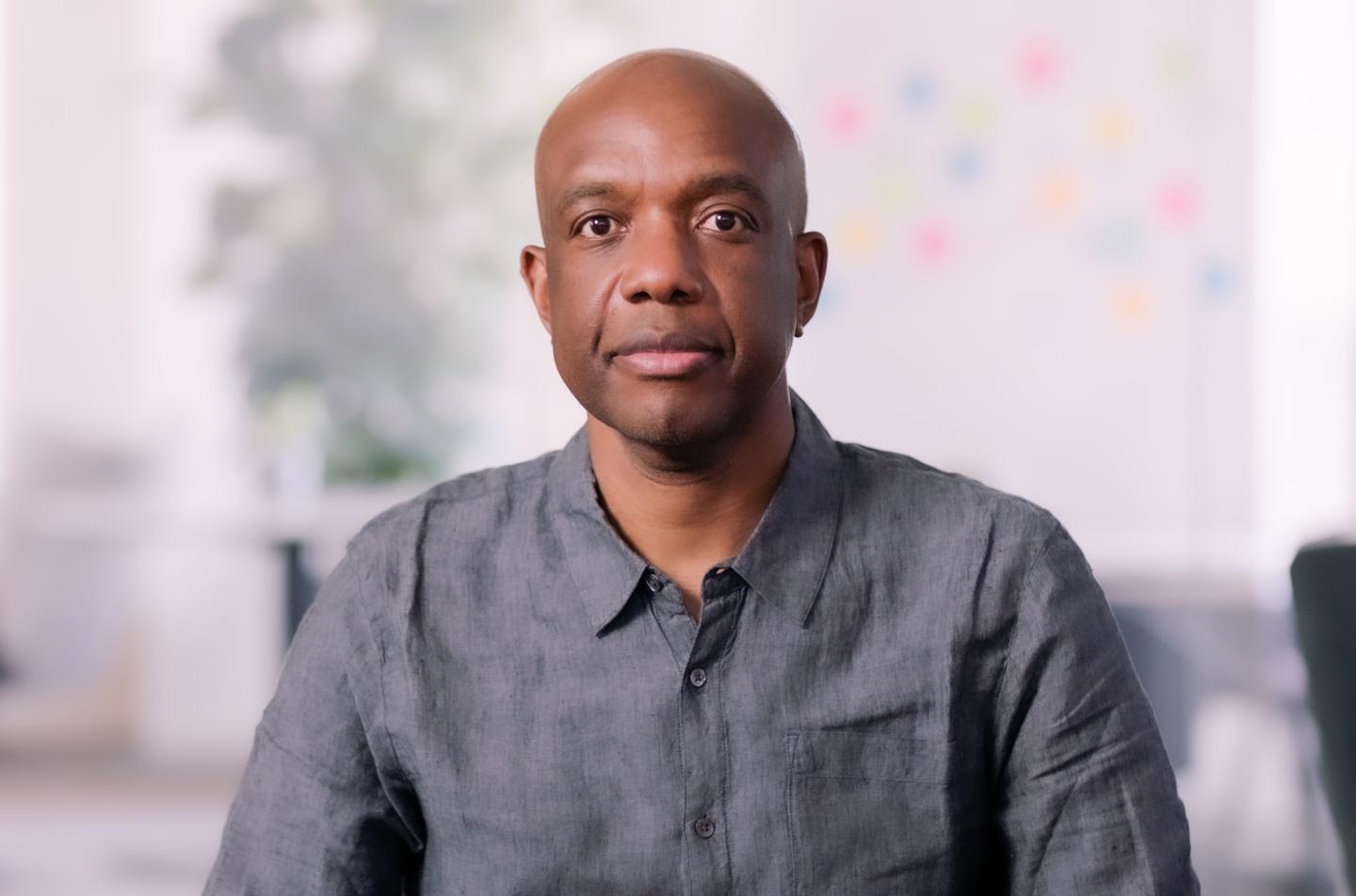
James Manyika is Google's SVP of research, technology and society.
James Manyika is Google's SVP of research, technology and society.Courtesy of James Manyika

In 2023, after a decade of significant progress in its development and use, artificial intelligence (AI) burst into the public consciousness, expanding our sense of possibility, challenging how we approach many tasks, and sparking public and private debate. If 2023 was the year the world came to experience AI, 2024 is the year that will chart the course for how it impacts society for decades to come.

This makes the coming year a moment of urgent opportunity. If the world gets this right, AI will assist us in everyday tasks as well as our most ambitious and imaginative endeavors, enable innovation and prosperity, and benefit people everywhere. To do that, we must work proactively and collectively toward realizing AI’s benefits, addressing its challenges and risks, and governing it in ways that build trust.

AI’s potential economic value has been estimated to be from $17 to $25 trillion globally. Some of this economic benefit will be a result of entrepreneurs and businesses of all sizes leveraging AI to innovate, create, and be more productive. It will also undoubtedly come from the scientific applications and discoveries AI makes possible. Some illustrative examples in science from the past year include AI models able to categorize genetic mutations as benign or harmful, and breakthroughs that will lead to more inclusive and equitable genetics testing and treatment. There are numerous other examples in fields ranging from material science to energy.

AI also offers new ways to address pressing societal challenges–whether it’s helping us diagnose and improve health outcomes or mitigate and adapt to climate change. For example, AI-enabled flood forecasting is now providing flood alerts to more than 80 countries and 472 million people. 

This is not going unnoticed by the general public. The results of forthcoming public opinion research Google conducted with Ipsos, spanning 17 countries, show that while respondents expect AI to disrupt work and life, they also believe that this disruption would overall be positive. These attitudes are most pronounced in countries in the Global South–but come with heightened expectations that those countries will be involved in AI’s development and use and benefit from its transformational potential.

At the same time, AI also presents complexities and risks that must be taken seriously. Some of these include performance issues like factuality, bias, and toxicity. Even when AI works as intended, it can be applied in inappropriate ways or misused by bad actors. Misinformation is a particularly timely concern for 2024, as an estimated 2.5 billion people in more than 60 countries are expected to go to the polls.

As the world has done with previous technological breakthroughs, we need to navigate societal complexities around how AI will cause the labor market and jobs to evolve. If we get it right, AI offers an avenue for assisting people, powering our economies, and expanding shared prosperity. But we will need to thoughtfully address questions around inclusion and reskilling, with a focus on how AI can complement rather than replace human capacity. None of these challenges can or should be addressed by a single entity, given that the development, deployment, and use of AI will happen across countries and regions. Governance for AI must be inclusive–and focused on the public interest.

Last year brought a number of national and international efforts to address some of these questions, including governance and regulation: the U.S., the E.U., the G7, and the UN High-Level Advisory Body on AI, an effort I am co-chairing. In 2024, we must build on this encouraging progress in ways that benefit people, protect fundamental human rights, and international law, and engage a broad and representative group of stakeholders including those in the Global South. The world is currently off track on more than 80% of the United Nations’ Sustainable Development Goals with huge implications for people’s lives, prosperity, and the health of our planet–and AI may help us make more progress.

If we as a society are to set ourselves on the road to fully realizing the societal and economic potential of AI, then 2024 must be a year of action across sectors, disciplines, and geographic borders. We have much to accomplish.

James Manyika is Google’s SVP of research, technology and society.

More must-read commentary published by Fortune:

  • Economic pessimists’ bet on a 2023 recession failed. Why are they doubling down in 2024?
  • ‘Parroting Putin’s propaganda’: The business exodus over Ukraine was no Russian bonanza
  • WEF president: ‘It’s time to revitalize trade—and reverse the trend of Slowbalization’
  • The anti-DEI movement has gone from fringe to mainstream. Here’s what that means for corporate America

The opinions expressed in Fortune.com commentary pieces are solely the views of their authors and do not necessarily reflect the opinions and beliefs of Fortune.

Join us at the Fortune Workplace Innovation Summit May 19–20, 2026, in Atlanta. The next era of workplace innovation is here—and the old playbook is being rewritten. At this exclusive, high-energy event, the world’s most innovative leaders will convene to explore how AI, humanity, and strategy converge to redefine, again, the future of work. Register now.
About the Author
By James Manyika
See full bioRight Arrow Button Icon

Latest in Commentary

Julian Braithwaite is the Director General of the International Alliance for Responsible Drinking
CommentaryProductivity
Gen Z is drinking 20% less than Millennials. Productivity is rising. Coincidence? Not quite
By Julian BraithwaiteDecember 13, 2025
20 hours ago
carbon
Commentaryclimate change
Banking on carbon markets 2.0: why financial institutions should engage with carbon credits
By Usha Rao-MonariDecember 13, 2025
21 hours ago
Dr. Javier Cárdenas is the director of the Rockefeller Neuroscience Institute NeuroPerformance Innovation Center.
Commentaryconcussions
Fists, not football: There is no concussion protocol for domestic violence survivors
By Javier CárdenasDecember 12, 2025
2 days ago
Gary Locke is the former U.S. ambassador to China, U.S. secretary of commerce, and governor of Washington.
CommentaryChina
China is winning the biotech race. Patent reform is how we catch up
By Gary LockeDecember 12, 2025
2 days ago
millennial
CommentaryConsumer Spending
Meet the 2025 holiday white whale: the millennial dad spending $500+ per kid
By Phillip GoerickeDecember 12, 2025
2 days ago
Sarandos
CommentaryAntitrust
Netflix, Warner, Paramount and antitrust: Entertainment megadeal’s outcome must follow the evidence, not politics or fear of integration
By Satya MararDecember 12, 2025
2 days ago

Most Popular

placeholder alt text
Success
Apple cofounder Ronald Wayne sold his 10% stake for $800 in 1976—today it’d be worth up to $400 billion
By Preston ForeDecember 12, 2025
2 days ago
placeholder alt text
Economy
Tariffs are taxes and they were used to finance the federal government until the 1913 income tax. A top economist breaks it down
By Kent JonesDecember 12, 2025
2 days ago
placeholder alt text
Success
40% of Stanford undergrads receive disability accommodations—but it’s become a college-wide phenomenon as Gen Z try to succeed in the current climate
By Preston ForeDecember 12, 2025
2 days ago
placeholder alt text
Economy
The Fed just ‘Trump-proofed’ itself with a unanimous move to preempt a potential leadership shake-up
By Jason MaDecember 12, 2025
2 days ago
placeholder alt text
Success
Apple CEO Tim Cook out-earns the average American’s salary in just 7 hours—to put that into context, he could buy a new $439,000 home in just 2 days
By Emma BurleighDecember 12, 2025
2 days ago
placeholder alt text
Economy
For the first time since Trump’s tariff rollout, import tax revenue has fallen, threatening his lofty plans to slash the $38 trillion national debt
By Sasha RogelbergDecember 12, 2025
2 days ago
Rankings
  • 100 Best Companies
  • Fortune 500
  • Global 500
  • Fortune 500 Europe
  • Most Powerful Women
  • Future 50
  • World’s Most Admired Companies
  • See All Rankings
Sections
  • Finance
  • Leadership
  • Success
  • Tech
  • Asia
  • Europe
  • Environment
  • Fortune Crypto
  • Health
  • Retail
  • Lifestyle
  • Politics
  • Newsletters
  • Magazine
  • Features
  • Commentary
  • Mpw
  • CEO Initiative
  • Conferences
  • Personal Finance
  • Education
Customer Support
  • Frequently Asked Questions
  • Customer Service Portal
  • Privacy Policy
  • Terms Of Use
  • Single Issues For Purchase
  • International Print
Commercial Services
  • Advertising
  • Fortune Brand Studio
  • Fortune Analytics
  • Fortune Conferences
  • Business Development
About Us
  • About Us
  • Editorial Calendar
  • Press Center
  • Work At Fortune
  • Diversity And Inclusion
  • Terms And Conditions
  • Site Map

© 2025 Fortune Media IP Limited. All Rights Reserved. Use of this site constitutes acceptance of our Terms of Use and Privacy Policy | CA Notice at Collection and Privacy Notice | Do Not Sell/Share My Personal Information
FORTUNE is a trademark of Fortune Media IP Limited, registered in the U.S. and other countries. FORTUNE may receive compensation for some links to products and services on this website. Offers may be subject to change without notice.