Like many pet-focused companies, Zoetis benefitted mightily from the boom in spending on furry dependents during the pandemic, fueled by the sheer number of animals Americans adopted. Now, the drug maker for animals is betting it can sustain past momentum as pet owners shift discretionary spending from items like deluxe collars and designer dog coats to fighting conditions that used to be hard to treat in animals, such as osteoarthritis.
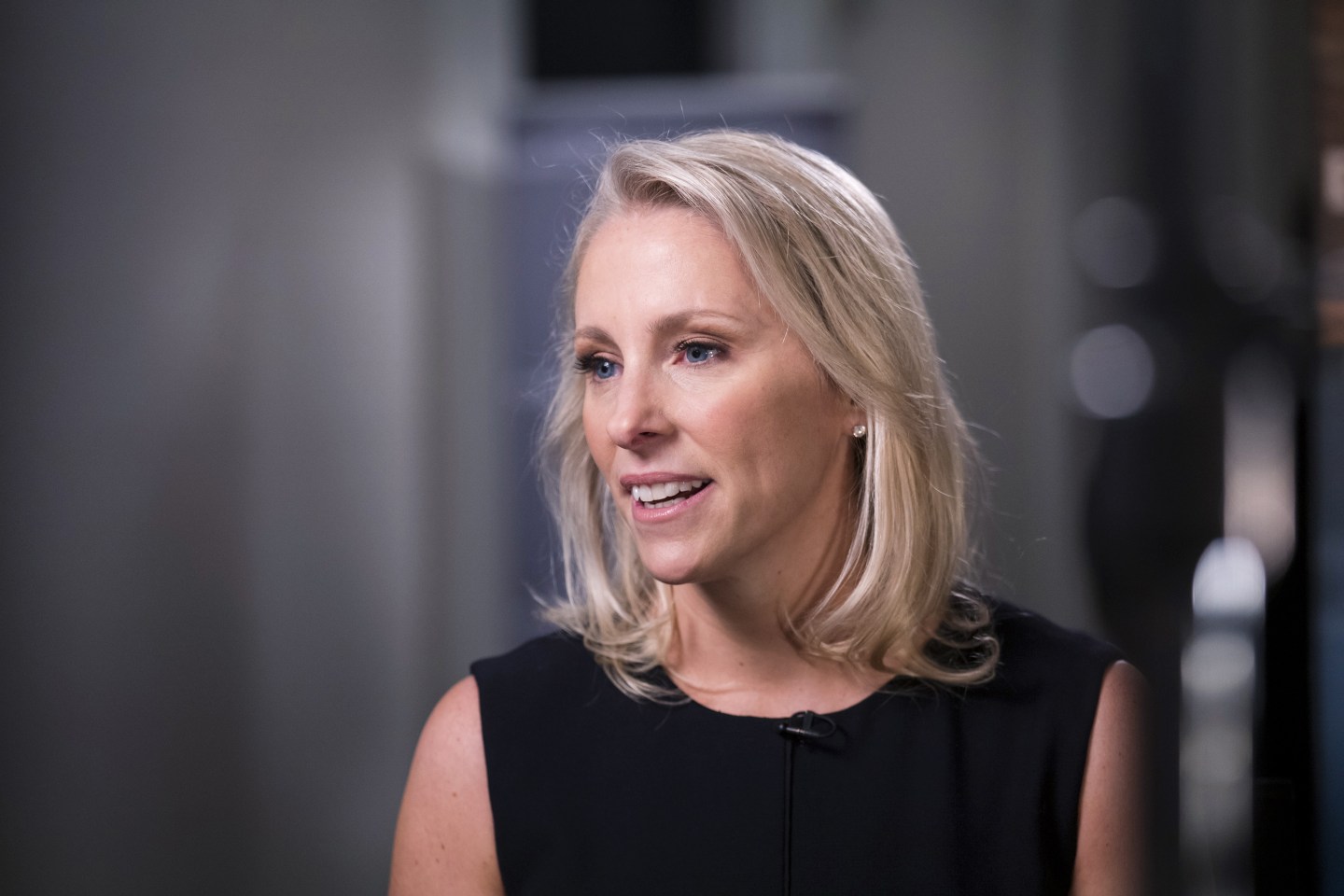
“They see their pet as their child, so they think their pet deserves the same health care they receive,” Zoetis CEO Kristin Peck tells Fortune. Peck, CEO since 2020, right before the pandemic began, and the architect of Zoetis’s spinout from Pfizer seven years earlier, believes pain management, diagnostics, and the use of antibodies in the development of treatments are key areas where research is yielding the next wave of medical products for animals.
Growth in spending on pets, which rose 51% to $136.8 billion between 2018 and 2022, is slowing in the post-pandemic return to normal, making the health care push crucial for many pet companies. Petco went as far as to rename itself Petco Health and Wellness in 2021, while Chewy plans to open its first vet clinics next year.
Zoetis, which also develops vaccines and treatments for livestock, is working on new diagnostics and telemedicine products for agricultural clients, too. The company’s revenue was up 5% in the first nine months of 2023, and Wall Street expects it to hit roughly $8.5 billion for the full year. The company will report those results in February.
Peck, whose family owns two dogs, a cat, and a bird, says growing concerns about agriculture’s impact on the climate, notably bovine burping and flatulence, is a testament to the need for Zoetis’s products. “It’s our responsibility to show people that healthier animals are more sustainable animals,” she says.
This article has been edited and condensed for clarity.
Fortune: Do you see a lot of runway even as spending returns to normalcy post-pandemic?
There’s more room to grow. What’s changed dramatically in the last few years has been who is adopting pets. The majority of pet owners today are millennials or Gen Z, and they see their pets more as members of the family than other generations and think their pet deserves the same health care they receive.
How is their expectation for better pet health care feeding research?
People are realizing treatments—like providing monoclonal antibodies for dermatology or osteoarthritis pain, just like you can for humans—are available for pets, and they want access to them. We have found a way to bring some of the human standards of care to your pet. But we have to make it at a price point someone is willing and able to pay.
Insurance for pet owners is growing but still only accounts for 3% of what people spend on their companion animals. Could it become mainstream and change your business?
There is reason to believe it could be much bigger in the U.S. when you look at Europe, where it’s more mainstream. We’ve invested in trying to help grow that market and believe it’s important. In human medicine, you always recommend the best care and the insurance company will decide. A vet will not always recommend the best care because they’re worried about whether the patient can pay.
Livestock medicine has historically been the largest piece of your business. Could the push to fight climate change lead people to rethink beef consumption?
It’s our responsibility to show people that healthier animals are more sustainable animals. A healthier animal uses less water, feed, and land and is more productive. We are going to add a billion people by 2050, and even if people pivot between proteins, we’ll need to produce 70% more protein, but with less land than we currently have. We have to find ways to raise animals more sustainably.
Still, cow flatulence and burping are big causes of methane gas. Are you working on products like the Gas X for cows?
There are things you can do, but because of cows’ biology—their stomachs have four chambers—and how they digest, you have to be careful. There are different supplements and ways to help, and we are working in that space.
What are the top areas of innovation in animal health care?
I think we will use monoclonal antibodies in vaccines for way more than we are today and use genetics to better predict disease in pets and livestock. Another area is diagnostics. We are using AI to get faster results to help the animal in question and give a virtual expert access to them faster. For instance, within 10 to 20 minutes, you can find out if the animal has cancer and get an expert pathologist on the phone. That can really innovate the care provided in rural places where they can’t access a specialist.
There is a shortage of veterinarians. Why is that, and how does that affect your business?
A lot of pets have been added over the last four years. The vast majority of vets, about 60%, are women, but they actually make up 85% to 90% of vets graduating. Women are changing the face of the profession, and they want more balance in their lives. Even if you had the same number of vets, the industry’s capacity has shrunk because women are willing to work fewer hours than the vets before them. Helping vets leverage tests can allow them to achieve that balance, and diagnostic tests can provide vets with information before they enter the examination room.
What’s the opportunity in telemedicine for pets?
Not as big as it is for humans because dogs and cats can’t speak and answer detailed questions. There is a role for telemedicine, but I don’t think it can be as transformational for animals as it will be for humans.
What about cats, which are notoriously anti-vet visits?
It could be a great use of telemedicine, but we are really focused on fear-free hospitals where you create either separate entrances or separate rooms so they can’t smell everything. We have this thing called Cat Pain IQ, where you take a video of your cat and upload it to our website, and we can tell you if your cat has osteoarthritis using AI.
You’re a finance specialist. How much do you need to understand the science to be CEO?
You need an appreciation for science because you will make major decisions on what areas to bet on. I have to know, ‘Is there a huge customer need for this? Is there a reason to believe this area is promising?’ It’s a lot more about asking good questions. I am not the expert, but I have smart people surrounding me. The critical part of being a CEO is making sure people feel they can raise different points of view and that I’m interested in hearing all of them.