The ways in which employees work, and the subsequent policies and structures that best support them, have become just as consequential to a firm’s financial performance as any other revenue-driving strategy.
HR heads have spent the last two years tapping every resource at their disposal—people analytics, industry benchmarks, and management research—to create and customize return-to-office strategies that are unique to their companies and that they believe best serve business interests.
As the pandemic eases and companies solidify their return-to-office stance, a few things have become clear: RTO models aren’t one-size-fits-all, solutions rarely please everyone, and these policies will require continuous evaluation and redesign as companies charge full force into the next stage of work.
Fortune spoke with 10 HR executives and people leaders at prominent Fortune 500 companies to explore how they’re crafting their return-to-office models.
The interviews have been edited and condensed for clarity.
Chevron

Rhonda Morris, VP and chief human resources officer
What’s your RTO policy, and who does it extend to?
Approximately 35% of Chevron employees are on ships, offshore platforms, refineries, and terminals and don’t have access to hybrid work. Our hybrid work model is utilized by 65% of our workforce, where most are in the office three days per week, with the remainder remote. Teams are empowered to work with their supervisor to determine the best work schedule based on business needs. Employees who prefer to work in the office daily may still do so. In addition to the hybrid work model, we offer the traditional in-office model—Monday through Friday—and alternate work models such as the 9/80, 5/40, and 4/10 schedules.
Who helped shape the company’s return-to-office strategy?
I lead RTO efforts supported by a cross-functional team, including our health, environment and safety, corporate affairs, human resources, and real estate departments. We engaged with our workforce through employee sentiment gathering, stakeholder engagement, and on-site activities and communications to prepare the workforce and leaders for what to expect.
Why was this the best fit, and in what ways does it speak to the company’s culture?
We recognize the value of greater flexibility and believe culture, trust, innovation, and productive relationships are most effectively built by teams spending time together in the workplace. Our approach to hybrid allows us to balance the flexibility the workforce seeks with business needs.
Our employees asked to be trusted to do what is right for the business and for themselves, which they did successfully throughout the pandemic. Through ongoing listening and engagement, we heard that the workforce was looking for less of a focus on the number of days on-site and more on their ability to deliver results. We’ll continue reinforcing a culture of trust and empowerment as we establish team norms, clarity, and transparency in how hybrid is executed.
What has been the biggest learning thus far?
The need to continually listen to our employees, understand how to enable the best work for teams and individuals, focus on outcomes, and balance business needs with personal well-being.
What’s the most innovative aspect of the plan?
We believe the most innovative aspect is to learn as we go and adjust as necessary. We believe the physical workplace is an experience, an intentional gathering space for the workforce to connect, collaborate, learn and socialize.

John Casey, VP of global benefits and future of work
What’s your RTO policy, and who does it extend to?
Our hybrid model is designed to balance the best of being together in person with flexibility and choice. Most employees spend about three days in the office and two days working from wherever suits them best. Since we’re focusing on collaboration during our time in the office, our product areas and functions have the freedom to decide how often to bring their teams together to help spark moments of creativity and innovation.
We also know that Googlers appreciate having options for where they work, so we offer work weeks, location transfers, and opportunities for fully remote work. Last year, we launched a new work location tool to help employees make informed decisions about which city or state they can work from. Since the tool launched, more than 20,000 employees globally have requested to transfer to a new location or go fully remote, and 85% of those requests were approved.
Who helped shape the company’s return-to-office strategy?
Employee feedback informs our approach to return to office. The strategy is designed to give our employees more choices while ensuring we’re doing the right thing for our teams and the billions of people who rely on our products and services.
Our local leaders worked with a cross-functional team to assess whether we were ready to kick off hybrid work and return to the office. We considered risk levels, vaccination rates, and stable case rates. Once these conditions existed, we looked at local and cultural restrictions that could impact the office experience (including mask mandates and social distancing requirements) and made a final decision. We also provided a transition period for those who may need more time to prepare to return to the office, which was received well.
Why was this the best fit, and in what ways does it speak to the company’s culture?
Sundar said it best: ‘The future of work is flexibility.’ We want to empower people to have the flexibility that will bring out the best in them. We have amazing offices worldwide, and we’re hearing that most people want to be in the office at least a few days a week.
The pandemic has reminded us that we are responsible for caring for our employees and their families. We’ve expanded our caregivers’ leave and closed our offices for reset days so the whole company can take a breather together. We also provided stipends to ensure employees have the equipment to do their jobs most effectively from home.
Looking ahead, we’ve heard employees loud and clear that they miss interpersonal interactions with colleagues, so we’re committed to making their time in the office the best experience possible. There is no one-size-fits-all approach, but we are working to create spaces that support a wide range of evolving work needs.
What has been the biggest learning thus far?
I believe flexibility is here to stay, even though it might not look exactly as it does today. We believe deeply in the value of coming together in person but want to give employees the flexibility they need. We expect our hybrid work model to evolve. By giving Googlers flexibility and trusting them, we will end up in an even better place where our employees are happier and more productive.
What do you believe is the most innovative aspect of the plan? What initiatives have you paired with it to boost employee engagement?
Watching Googlers find unique ways to collaborate, connect, and support one another through unprecedented times has been inspiring. And that spirit of innovation extended into how we, as a company, kept our workforce connected and safe.
We’re channeling that innovative spirit to test new multi-purpose offices and private workspaces and working with teams to develop advanced video technology that creates greater equity between employees in the office and those joining virtually. These efforts will help us work with greater flexibility and choice as we continue to adapt to this new way of working.
Kroger
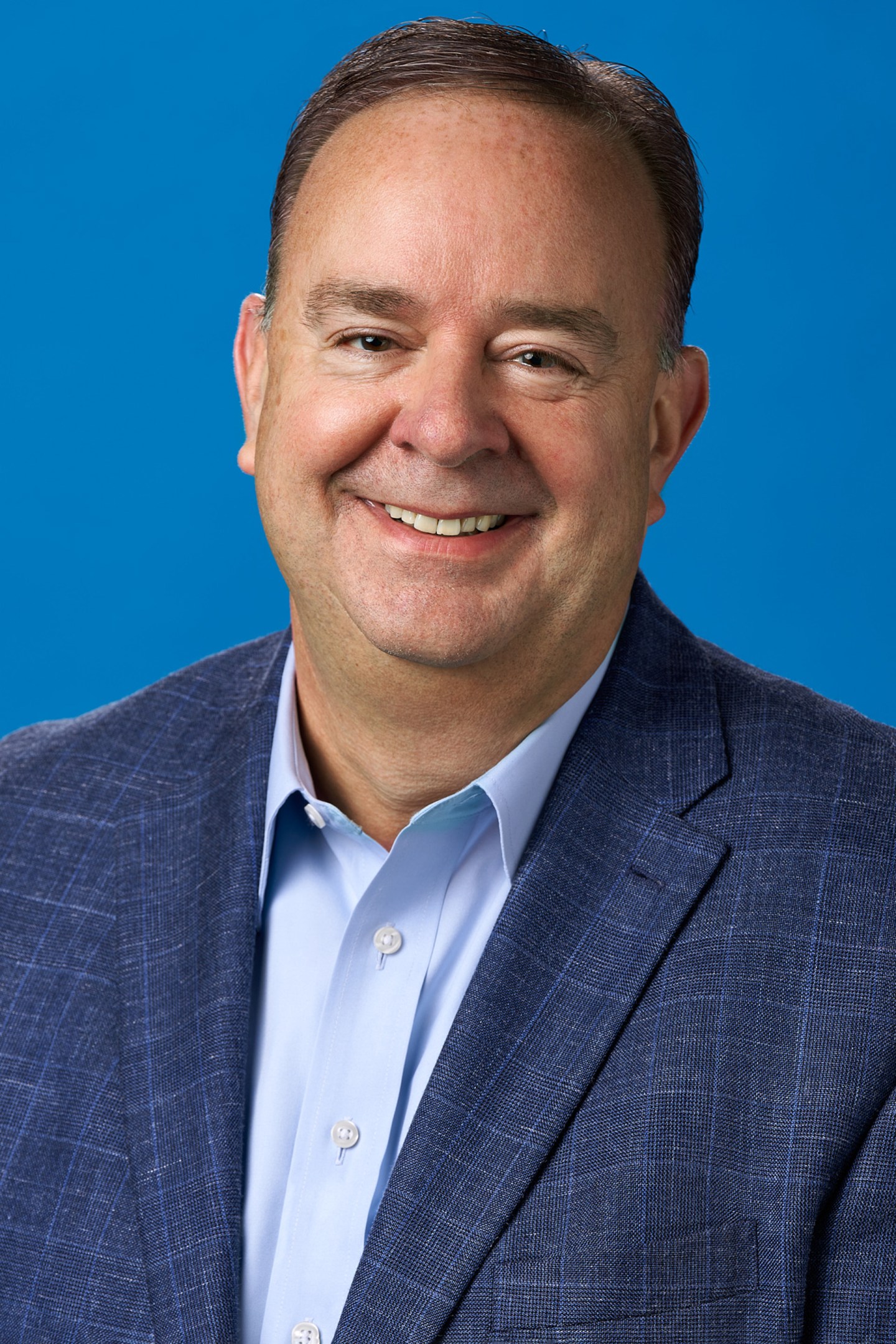
Tim Massa, senior vice president and chief people officer
What’s your RTO policy, and who does it extend to?
Kroger offers hybrid work for most corporate roles. While we have some fully remote roles, we encourage most associates to be in the office two or three days a week and coordinate schedules and needs with their leader.
As a retailer, we cannot extend remote work options to our frontline hourly associates in stores, plants, and distribution centers. However, we encourage our leaders in those locations to support schedule flexibility.
Who helped shape the company’s return-to-office strategy?
While each of our senior officers was part of the final decision, we relied heavily on the voice of our associates. We listened to associate feedback on work methods and formed a pilot hybrid program in early 2021. This pilot group had opportunities through confidential surveys and other forums to share their concerns, feedback, and recommendations. For example, training for managers, enhanced technology to support a hybrid model, and allowing associates alongside managers to determine which days make sense to be in the office.
Why was this the best fit, and in what ways does it speak to the company’s culture?
We believe in-person collaboration and having office space to be together are essential to our way of working—as is flexibility. To stay true to our culture, we must balance supporting our associates’ needs while maintaining productivity and connection.
What has been the biggest learning thus far?
Our biggest learning has been ensuring we support an inclusive workplace in a hybrid model where some associates are in person and others remote. It’s required some behavior adjustments and new technology to help those at home have equal voice and presence with those physically in the room.
What do you believe is the most innovative aspect of the strategy? What initiatives have you paired with it to boost employee engagement?
We had to take innovative steps to create an inclusive workplace, whether at home or in the office. First, we’re installing [Microsoft] Teams rooms to better connect our organization and foster more seamless collaboration when everyone isn’t physically together. We’re also adding virtual components to engagement activities. For example, providing themed Teams backgrounds and Yammer contests that align with in-person events in our offices, giving remote associates a way to participate and engage from a distance.
AT&T
Angela Santone, senior executive vice president of HR
What’s your RTO policy, and who does it extend to?
When you say ‘return to work,’ it makes me grimace because our frontline employees never went home. For those employees returning to an office building, we have remote, hybrid, and in person. If you’re in person, you’re in four to five days a week. We expect individuals who are hybrid to be in the office two or three days a week and remote people in the office once or twice a month. It’s based on job responsibilities.
The responsibility is on leaders to figure out ways to give employees a reason to take off their flip-flops and yoga pants, drive in traffic, and come to the office. The onus is on us to figure out collaboration opportunities for employees and ensure they’re not sitting behind a screen when they’re here. Nothing is worse than when you come to the office and spend your day in Microsoft Teams meetings. We genuinely believe if our employees feel connected to their colleagues, that will be important for our success as a company. We also believe face-to-face interactions create deeper bonds and a greater sense of belonging. Now more than ever, purpose and the ability to be a part of something bigger than yourself are critically important.
Who helped shape the company’s return-to-office strategy?
Our CEO John Stankey and our leadership team came together months ago to discuss what we believe in and what’s important to us. ‘Based on these beliefs, what are our guiding principles as leaders in this organization?’ We then took what we documented and agreed upon to our team members for input and feedback.
Why was this the best fit, and in what ways does it speak to the company’s culture?
If we’re going to win as one, we need to be together and have those moments of collaboration, innovation, and connectionI worry about new employees joining the company. How do they know what it feels like to be an employee here at AT&T if they haven’t been around their colleagues in person or if they haven’t had experiences to feel the culture? That’s another challenge we’re trying to unravel to make sure we have those connections for new employees so they can feel the culture and be a part of it.
What’s been the biggest learning so far?
How much time do we have? [laughs]. The biggest learning is COVID democratized meetings, which gave everyone a voice and an opportunity to provide their input and perspective.
The other thing is that while I know people have lives outside of work, I’ve never been in their living room or seen their baby, dog, or cat. All these things we could see via video gave us a greater appreciation that we’re all human and people have loved ones to care for. So we launched caregiver leave, giving our employees 15 days a year because we don’t want them using PTO.
Also, employees have different interests and ways of taking care of themselves. So as part of open benefits enrollment for 2023, we created a well-being account where the company will match the money employees put toward things like a gym membership, learning a second language, or taking piano lessons.
What do you believe is the most innovative aspect of the strategy? What initiatives have you paired with it to boost employee engagement?
We have a fund set up where we match employees’ contributions to their kids’ college tuition savings. We also contribute to student loan repayment.
We hired a head of health and well-being, and he’s helping us to rethink our offerings, especially for frontline employees, to ensure they have the financial planning and mental health tools they need. And this year, we launched a concierge service through our medical plan that schedules doctor’s appointments, walks you through medical bills, and recommends specialists for second opinions.
Cardinal Health
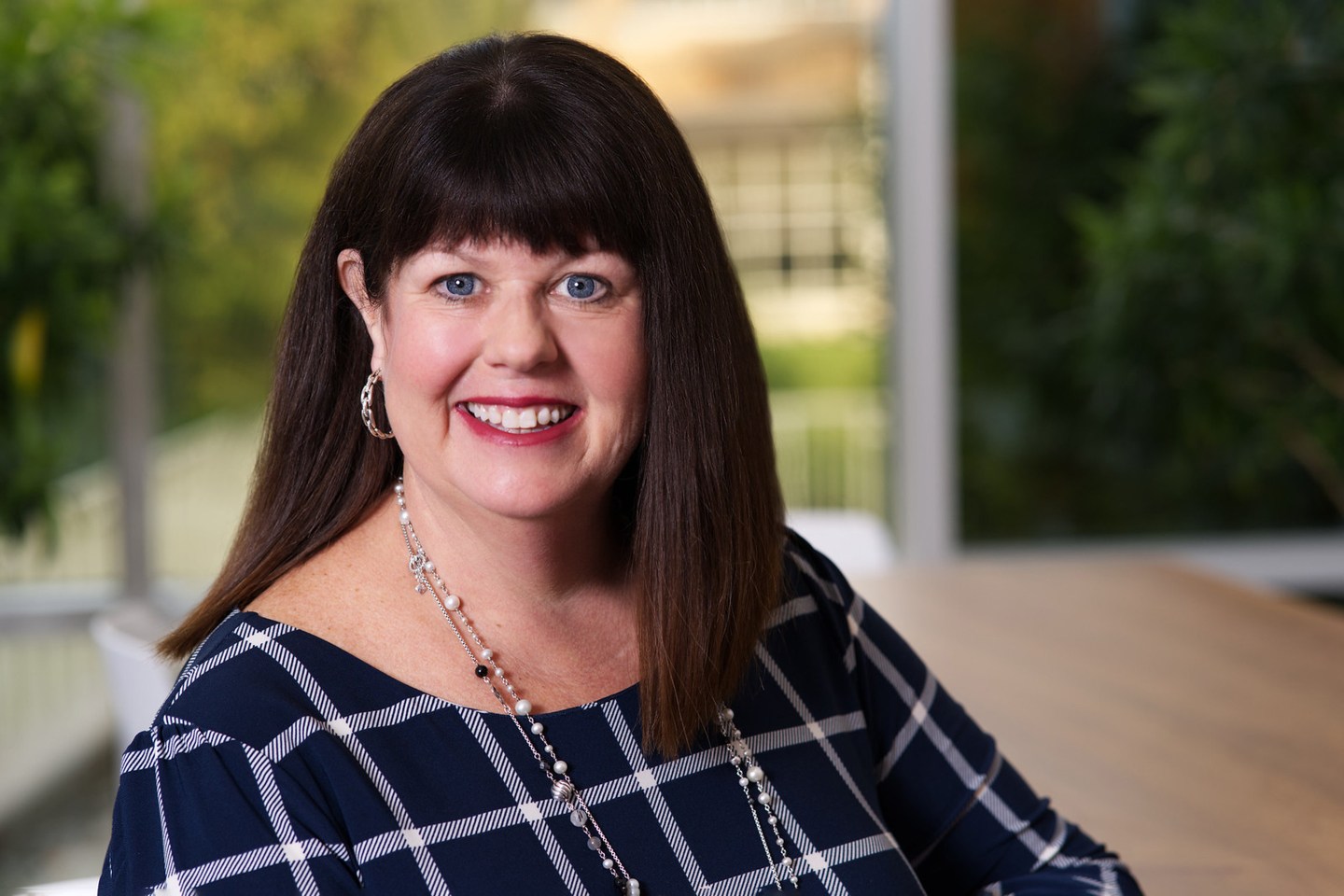
Ola Snow, chief human resources officer
What’s your RTO policy, and who does it extend to?
We have all three models—remote, hybrid, and in person. For frontline workers who come to work every day, we are thinking about the flexibility of shifts. We’ve always had people who work remotely in sales and some of our customer service organizations. Those models go for every employee. We don’t distinguish between salaried and hourly workforce.
We are less focused on where employees get their work done but on what work needs to be done and where people are best energized to do it.
Who helped shape the company’s return-to-office strategy?
When the pandemic happened, we formed a pandemic team, which I led with several functions across the organization. That pandemic team morphed somewhat into a workplace team with many of those same leaders participating. As we transitioned back to our offices, our executive committee and some business unit leaders made that decision.
Why was this the best fit, and in what ways does it speak to the company’s culture?
We’re focused on supporting our customers, achieving results, and providing flexibility for our employees. That requires an environment where workers can thrive at home, in the office, or at a distribution center or plant. We also have four or five generations now in the workplace, so we focus more on what work we are doing vs. where that work is. No one gets excited about coming to the office and being on Zoom all day. We want to make sure those interactions are meaningful.
What’s been the biggest learning set thus far?
One of the biggest learning opportunities has come from Gen Z. They voiced the need and desire for this flexibility. Still, they were very specific about wanting moments of connection and in-person collaboration with their colleagues. Mentoring and collaboration were high on their list and important moments when they felt like they wanted to be with leadership. Coming together to solve customer issues or moments of innovation were also high on the list. We look at when it’s beneficial to be in the office, and we know that might change over time. I like to say this is the next normal, not the new normal.
What do you believe is the most innovative aspect of the strategy? What initiatives have you paired with it to boost employee engagement?
Maybe the most innovative part of the plan is that we pivot when we need to. We don’t have any plans to say everybody comes back on January 1, or everybody must work Tuesdays, Wednesdays, and Thursdays in the office because we may not need people here. Creating space to collaborate also has to be front and center. The days of thousands of cubicles are over. I’m responsible for HR, but I’m also responsible for facilities. So those two things coming together works well.
In terms of benefits, we increased our caregiver benefits. We partner with an outside vendor to fund permanent daycare or elder care, and we give very discounted rates to our employees for emergency backup for adult care or childcare.
We also have a concept called mid-week moments, where we ask employees to take time for themselves, such as connecting with a customer, taking a yoga class, or helping their child do homework.
Cisco
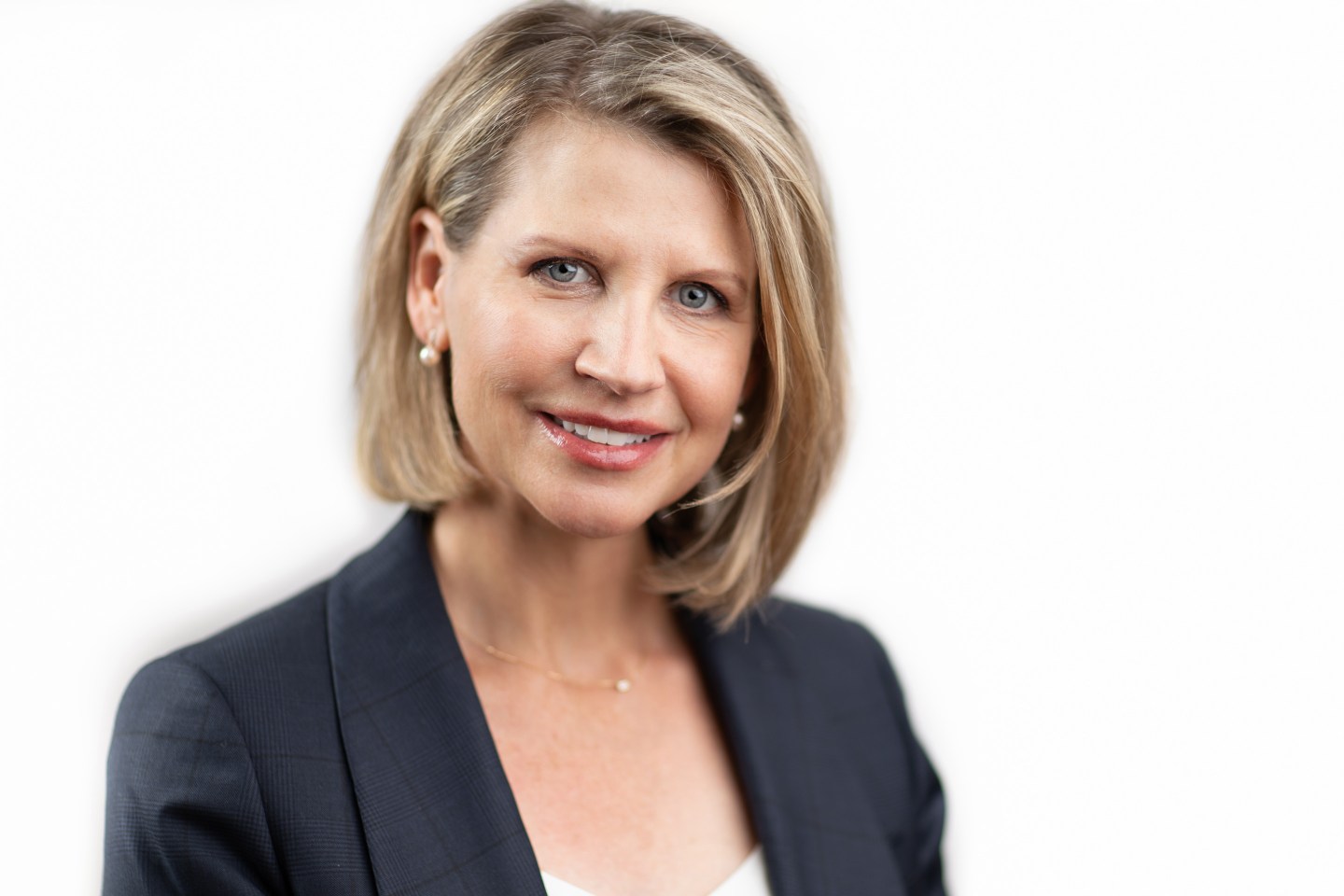
Kelly Jones, SVP and chief people officer
What’s your RTO policy, and who does it extend to?
Each team at Cisco has different needs for how they work together to deliver the best outcomes for our clients, so rather than a mandate based on days, we are allowing teams to define their optimal hybrid schedule.
The policy extends to everyone except workers whose roles require on-site work or those whose work is classified and requires special circumstances.
Who helped shape the company’s return-to-office strategy?
The decision was made at the highest levels of the company but rooted in employee feedback from our ongoing listening surveys and global monthly employee check-ins.
Why was this the best fit, and in what ways does it speak to the company’s culture?
Choice and flexibility are core to our culture, and we believe we win if we get teams right. Even so, we know that going fully hybrid is harder than having everyone in the office or everyone remotely. Employees want the same sense of inclusion and participation, no matter where they sit. Companies need planning, rituals, leadership, and the right technology to do this well.
What has been the biggest learning thus far?
There is no one-size-fits-all approach to hybrid work. At Cisco, it’s about listening to our people and being intentional about meeting their needs. Our approach is deliberately broad and all-encompassing. One of the biggest learnings we had is that people want to be with each other; they just want to do it purposefully.
What do you believe is the most innovative aspect of the strategy? What initiatives have you paired with it to boost employee engagement?
Cisco’s three most innovative areas are people, technology, and spaces. The decision to lead with employee choice and ensure an employee-centric approach makes our policy innovative. We’ve grounded our decisions in data and listening to our people, and we haven’t tried to retrofit previous ways of working into today’s highly complex, evolved environment.
In terms of technology, we’re a tech company and know how to collaborate. In addition to making our Webex tools as inclusive as possible (we now have real-time translation in over 100 languages), we’re continuously evaluating our tech offerings and building new solutions.
Last, we have reimagined office spaces to better serve how teams operate. In doing so, we have moved away from dedicated offices and bookable desks to offering four dedicated areas to collaborate, concentrate, learn, and socialize—and we share real-time availability on open desks through our DNA Space technology.
What initiatives have you paired with it to boost employee engagement?
We’re deliberate about how we bring people together and intentional about the spaces we bring them into. We’ve made investments in both areas. First, our teams come to the office to find professional growth and make meaningful connections, and they punctuate remote work with opportunities to collaborate in person. Second, we have transformed our workspaces to put networking, security, and collaboration at the forefront while prioritizing health and well-being, safety, and efficiency. We feel the office can and should be a magnet for meaningful collaboration and connection—not a mandate.
Microsoft

Kathleen Hogan, EVP and CHRO
What’s your RTO policy, and who does it extend to?
Microsoft has operated in a hybrid flexible work model for many years due to our global footprint, and the pandemic helped further accelerate the path of increased flexibility. Our hybrid model allows employees to support individual work styles while balancing business needs and ensuring we live our culture. There is no one-size-fits-all solution, given the various roles, work requirements, and business needs we have at Microsoft.
To be clear, our hybrid model does not mandate the number of days, or which days, people need to be in the office, but instead encourages teams to determine what works best for each employee. While options around when and where employees work may differ based on role and region, we offer as much flexibility as possible. We consider schedule flexibility and working from home up to 50% of the time as standard, available to most employees without specific approval. Everyone at Microsoft can consider how they work best across the three dimensions of our hybrid workplace—work site, work location, and work hours—and make the appropriate arrangements with their managers.
Who helped shape the company’s return-to-office strategy?
Our COVID response team had members from many areas of the company, such as legal, communications, enterprise crisis management, global workplace services, and HR. This team worked with our senior leadership team on decision-making and met weekly to address every element of our plan with local HR leads in our 90-plus countries. The team’s work was based on local health metrics in coordination with local public health officials. As we move out of our pandemic response, we are moving toward our future of work built on flexibility.
We have a specialized team that focuses on flexibility at the company. Many groups inform this work across Microsoft, as does research from our future of work and modern workplace teams.
Why was this the best fit, and in what ways does it speak to the company’s culture?
We use data, not dogma, to drive our decisions. The data tests our assumptions on where, when, and how work gets done. It challenges us to use a growth mindset and be open to new ways of working and empowering our employees. We will evolve our approach to flexibility over time, guided by employee input.
This focus on empowerment extends beyond our policies to our focus on shifting, evolving products. These include offering virtual commutes, five-minute meeting delays, Headspace and Viva for our employees, and new ways of experiencing Teams. The shift to hybrid work accelerated the adoption of video meetings and forced us to rethink and reprioritize the development of Teams features to level the playing field across remote offices. As part of this, Microsoft launched ‘together’ mode to make people feel more connected and reduce meeting fatigue; ‘dynamic view,’ which automatically optimizes meeting view based on what’s happening; and ‘front row,’ an immersive room in Teams.
What has been the biggest learning thus far?
Flexibility can mean different things to each of us. One year into the pandemic, our Work Trend Index research, which surveys employees outside of Microsoft, uncovered what our CEO Satya Nadella describes as the ‘hybrid paradox.’ In a global study of external employees across industries, 73% reported they want the flexibility they’d experienced in the pandemic to continue. At the same time, 67% craved more in-person time with their team. An internal survey told us 58% of Microsoft employees who planned to spend the most and least time in the office planned to do so for the same reason: more focused work. Again, there’s no one-size-fits-all approach—what works for one person may not work for someone else.
Another ‘lightbulb’ moment was that we were not asking managers themselves how they were doing during the pandemic. And when we did, we learned a lot. In particular, managers said they needed more information and easy and quick tools to use with their direct reports to create team agreements, onboard virtually, and stay connected.
What do you believe is the most innovative aspect of the strategy? What initiatives have you paired with it to boost employee engagement?
We have empowered our employees with choice and challenged managers and leaders where possible to get to yes. We have applied our growth mindset to what we can do and used data to guide us. We invest in employee listening systems, data analysis, research, and experimentation. Instead of dictating days in the office, we commissioned research on ‘when in person matters’ to inform our practice. We look at how technology can deliver a solution. We are customer zero on our products to drive faster, more efficient product innovation.
Perhaps most crucially, we changed how we measure employee sentiment. Instead of measuring engagement, we now measure if and how employees are thriving, which we describe as being energized and empowered to do meaningful work. This is our new core aspiration for our employees, so they feel they’re pursuing that sense of purpose.
Fannie Mae

Katie Jones, chief human resources office
What’s your RTO policy, and who does it extend to?
As a primarily hybrid company, most employees choose where they do their day-to-day work. Some employees have roles where being on-site is essential and required, but most are only expected to work on-site when a specific project or business requires them to be in-person.
Who helped shape the company’s return-to-office strategy?
For the first two years of the COVID-19 pandemic, Fannie Mae followed guidance from the U.S. Centers for Disease Control and Prevention when determining our safety protocols while following state and local laws in locations with stricter mandates. We established a task force comprised of members of our management committee and supported by leadership across the company to determine the workplace approach that aligns with our business needs and promotes the safety and wellness of our employees. In addition, we survey employees every quarter to understand and meet their needs, and we set up working groups focused on enhancing the employee experience and adapting our workplace approach.
Why was this the best fit, and in what ways does it speak to the company’s culture?
Fannie Mae wants to support our employees in doing their best work, wherever it is. Our workforce has proven it can be productive in fully remote, hybrid, and office environments, and we trust employees in roles classified as hybrid to make the right call on when to use which.
What has been the biggest learning thus far?
There is no one-size-fits-all workplace approach for the organization. Senior leaders continue to refine a hybrid model that reflects the work performed by teams and the collaboration that supports a vibrant culture and engaged workforce. As an enterprise, we will continue to learn and adjust while providing flexibility and meeting business needs.
What do you believe is the most innovative aspect of the strategy? What initiatives have you paired with it to boost employee engagement?
In support of our hybrid approach, we have implemented several amenities and benefit enhancements that underscore our commitment to diversity and inclusion and improve the employee experience in the office or from home. They include expanding our 401(k) to an additional 2% company-paid contribution and offering new and expanded leave programs, enhanced vacation leave, grandparent leave, home catastrophe leave, and our paid parental leave.
Walgreens Boots Alliance

Holly May, EVP and Global Chief Human Resources Officer
What’s your RTO policy, and who does it extend to?
We have implemented a leader-led hybrid policy at our support office and created accountability through a performance goal shared by our managers, focusing on results-based performance management and creating regular in-person ‘moments that matter’ for teams.
While our team member vision remains the same in our stores and distribution centers, the workplace policy is different, given the nature of our frontline positions in these locations.
Who helped shape the company’s return-to-office strategy?
It has been and continues to be a collaborative effort across many functions, including HR, IT, health and safety, workplace solutions, communications, and others. The decisions and direction have been championed at the highest levels of the company.
Why was this the best fit, and in what ways does it speak to the company’s culture?
We developed our hybrid model to support the unique needs of each team member and bring them together in the office for moments that matter. It is personalized, based on the team member and their role, and reflects our company’s core values.
What has been the biggest learning thus far?
The flexibility and empowerment has been energizing for team members and as leaders, we’ve had to be clear on what our ‘moments that matter’ are for team members coming together in person. Examples include strategy sessions, team meetings, 1:1s, performance discussions, hiring and onboarding.
What do you believe is the most innovative aspect of the strategy? What initiatives have you paired with it to boost employee engagement?
One core principle of our future work plan is integrating well-being and work. Beyond our hybrid approach, we’ve focused efforts and investments on how we can best support team members in their daily lives. With that, we introduced a team member initiative called Be Well Connected to provide more comprehensive health and well-being resources.
Amazon
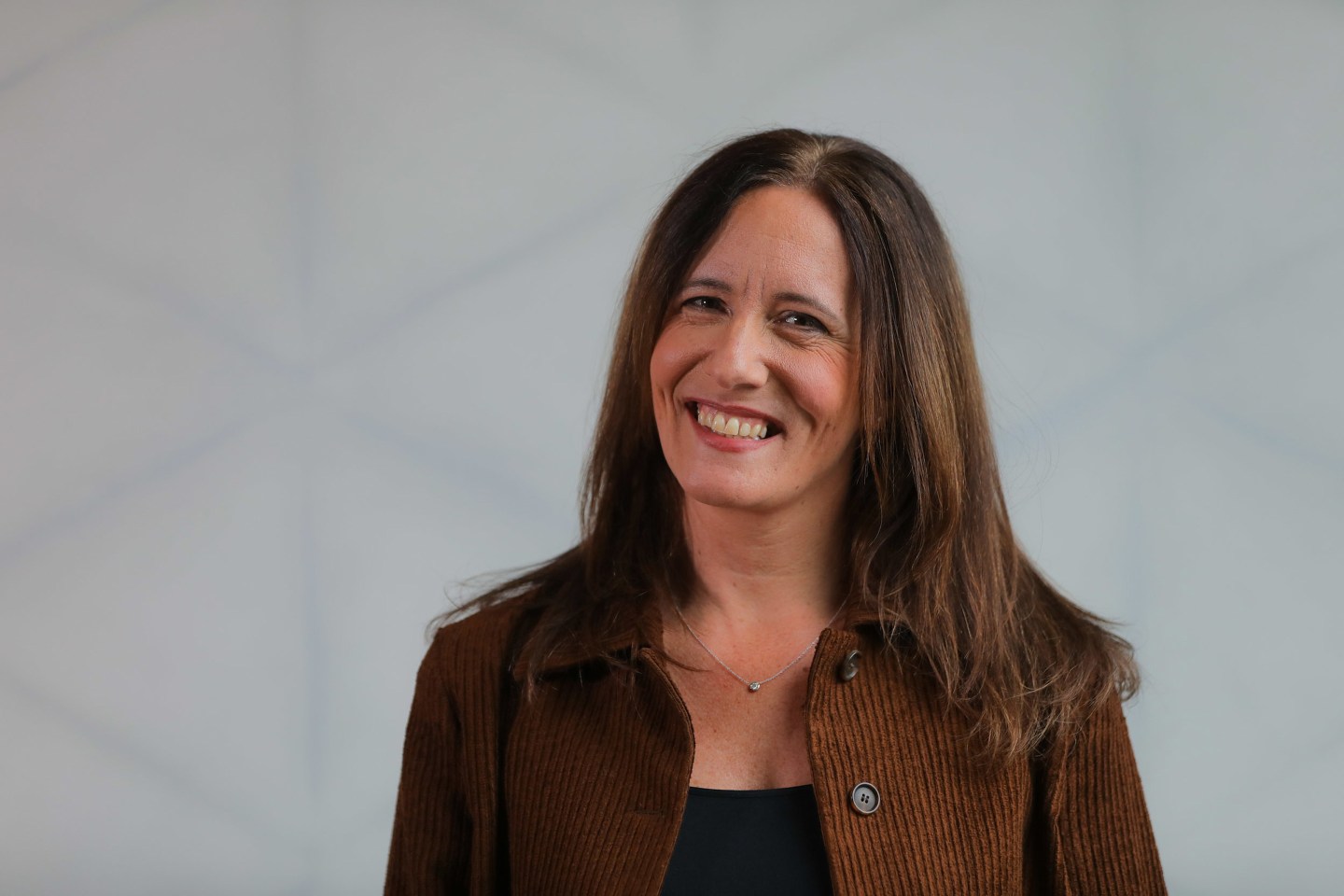
Beth Galetti, SVP of people experience and technology
What’s your RTO policy, and who does it extend to?
In October 2021, Amazon CEO Andy Jassy announced that return-to-office decisions would be made team-by-team at the director level, which is still true. The decision to return to the office is guided by what is most effective for our employees and customers. Many teams have adopted a hybrid model, but there is no one-size-fits-all approach at a company of our size. We also have employees whose jobs can only be done on-site, such as employees in our fulfillment and distribution centers and some of our robotics and AWS engineers.
Who helped shape the company’s return-to-office strategy?
Our return-to-office policy was created with input from leaders and teams across the business. We also use our employee survey tool to get insights into how employees feel about returning to work and how we can best support them. One of the questions we continue to seek feedback on is whether distributed teams can innovate for customers as effectively as they did when they were working together in person. We will keep monitoring feedback and evaluating our approach to ensure it’s working for employees and customers.
Why was this the best fit, and in what ways does it speak to the company’s culture?
Our policy reflects some of our leadership principles at the core of Amazon’s culture: customer obsession and striving to be Earth’s best employer. Whether to return to the office or not—or something in between—is guided by what is best for our customers and employees. All employees, including senior leaders, will be evaluated by how we deliver for customers, regardless of where the work is performed.
What has been the biggest learning thus far?
We’ve learned how employees use the office and what they need from an office has changed. Most employees do a combination of on-site and remote work, and when teams come into the office, they use the space differently than they used to. We have launched several pilot programs in our office spaces worldwide to better understand how teams collaborate and engage and how we can best support them. We want to ensure when teams come into the office, they have a working space that fits their needs.
Early employee feedback shows us that our teams want choices in how they work, enhanced meeting spaces, separate areas for concentration and collaboration, and the ability to form deep connections with their teams. We’ve reconfigured office areas for larger team meetings, added new technology to engage remote colleagues, and incorporated different working areas into the office, such as quiet and collaboration spaces—things we didn’t anticipate needing pre-pandemic.
What do you believe is the most innovative aspect of the strategy? What initiatives have you paired with it to boost employee engagement?
Our approach reflects both culture and scale. We know that each team has different needs, and we have empowered directors to make the best decision for their teams and customers. At our corporate offices, we’ve begun hosting more in-person gatherings, such as town halls and affinity group events, that allow employees to gather in person and engage with their colleagues in ways that aren’t strictly work-focused. Many teams are holding summits and other offsites at our corporate offices to get teams together and connect in person.
This article is part of Fortune @ Work: The Return-to-Office Playbook.