• Home
  • Latest
  • Fortune 500
  • Finance
  • Tech
  • Leadership
  • Lifestyle
  • Rankings
  • Multimedia

Trendingnow

1

When SpaceX starts trading, some 'shareholders' will discover they own nothing at all

2

Corporate America has been draining the world's water. Matt Damon's new campaign calls on Gap, Starbucks, and Amazon to help give it back

3

Current price of oil as of June 12, 2026

1

When SpaceX starts trading, some 'shareholders' will discover they own nothing at all

2

Corporate America has been draining the world's water. Matt Damon's new campaign calls on Gap, Starbucks, and Amazon to help give it back

3

Current price of oil as of June 12, 2026
CommentaryCongress

Stop calling them ‘job creators’

By
John Benjamin
John Benjamin
Down Arrow Button Icon
By
John Benjamin
John Benjamin
Down Arrow Button Icon
August 11, 2022, 5:39 AM ET
Like matter, jobs are neither created nor destroyed. They evolve with the creative destruction of markets.
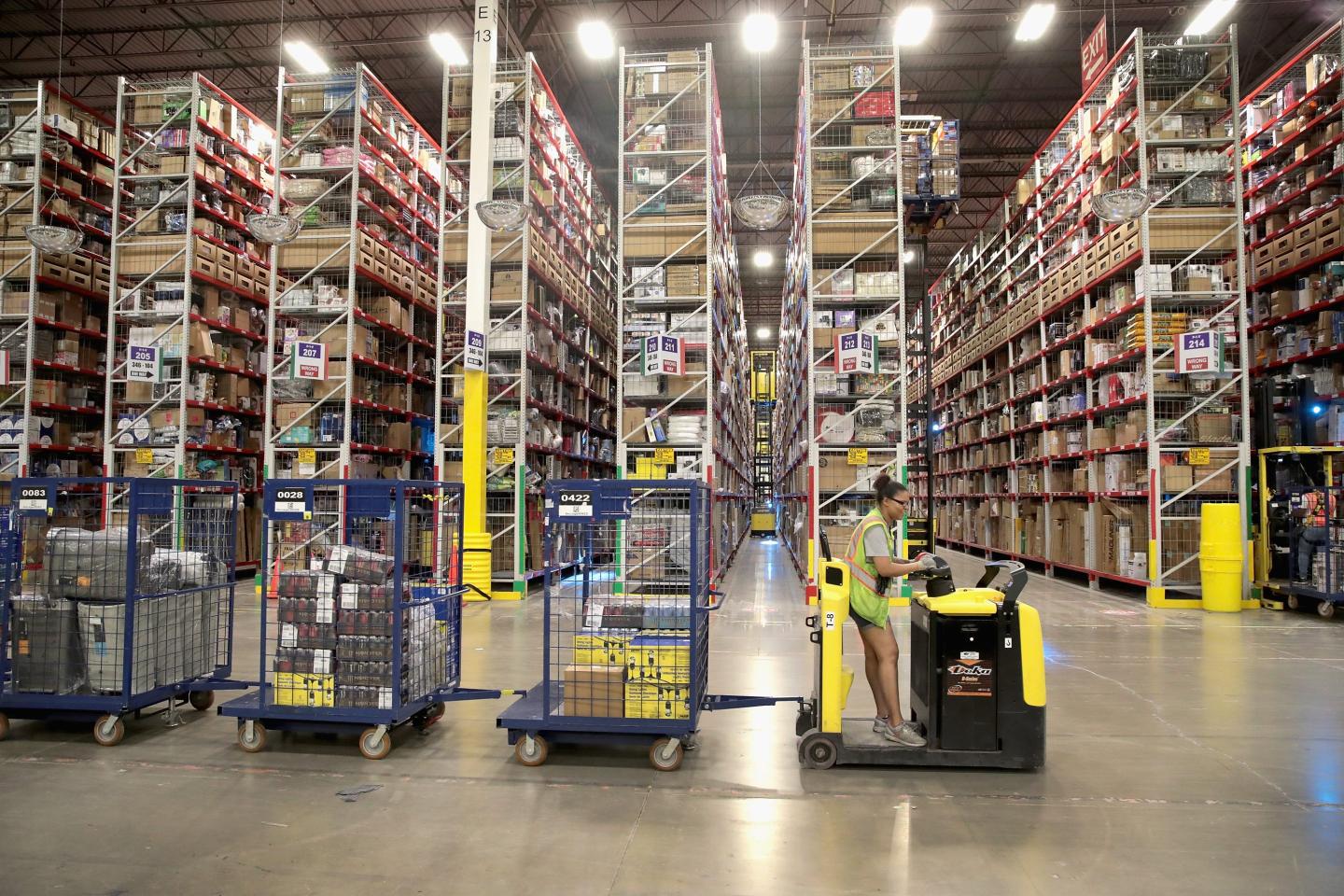
Like matter, jobs are neither created nor destroyed. They evolve with the creative destruction of markets.Scott Olson—Getty Images

You can tell “job creator” is a loaded term because it’s only used in political debates.

Yes, some business owners say it, not in boardrooms or internal memos, but rather when defending their role to the public. For years, Starbucks CEO Howard Schultz has invoked the concept against public scrutiny.

Bernie Marcus, the founder of The Home Depot, is the chief popularizer of the phrase. His Job Creators Network purports to “hold politicians accountable to job creators.”

Over the last decade, the term has also exploded in popularity among politicians. Senator John Cornyn recently blasted the Inflation Reduction Act with the opening line, “raising taxes on job creators… will only make this recession worse.” His colleagues John Thune and Jim Inhofe echoed these critiques.

A cartoon piece of business jargon

The term hasn’t been popular for long. Born under Reagan, “job creator” remained fairly obscure until the mid-2000s, when the media revived it to defend the role of finance in the Great Recession. Now it’s a common piece of rhetoric in arguments about taxes and regulation, unemployment and labor organizing, and many topics in between.

The phrase has obvious power. We defer to those who make things for us. “Job creator” takes this for granted. If the investor class really is the source of jobs, then labor policy should cater to their needs. Higher taxes and union drives, for instance, should be treated skeptically, because they’ll threaten job creators and hence job-doers downstream.

But this dynamic isn’t true. Jobs are not disbursed by powerful people–a bizarrely Soviet idea. They’re governed by market forces, including new technology, inflation, and healthy consumer demand from good wages. By using the phrase we give capital undue credit for creating opportunity, and falsely conflate the interests of owners and workers. In the wake of the recent Senate reconciliation bill and renewed unionizing, it’s worth exploring the reasons to abandon this cartoon piece of business jargon.

Creating jobs isn’t the goal of business formation

Often, companies win by doing the opposite: automating away or outsourcing work. This is because labor is a cost, not just an engine of production. Properly understood, workers sell their labor in a labor market like suppliers sell raw materials in wholesale markets. Companies buy this labor and material to churn out things that customers, in turn, want to buy. Creating jobs is thus a neutral and often secondary consequence of business operations: hiring an extra worker is like buying two tons of steel when one would need to.

“Job creator” is also a dubious concept because many firms which seem to be “making” jobs are really doing something more complicated.

Consider Marcus’s company as an example. The Home Depot has about 500,000 employees in the U.S., making it our sixth largest private employer. With 2,300 locations, that’s about 220 employees per store. Should a new Home Depot move into your town, these new jobs will become available–along with jobs in construction, shipping, food services, and other symbiotic industries that keep the mega-store running.

But in what sense were these jobs “created”? We can easily see how this new superstore will replace the local hardware shop and lumberyard, but we don’t notice the jobs it also displaces from these defunct competitors.

A recent study shows that e-commerce, one of the hottest categories of employment today, has actually eliminated over 670,000 net U.S. jobs since 2008. This isn’t hard for the average worker to compute, as he shuffles from in-house sales at a mom-and-pop shop to picking in an e-retailer’s warehouse. Jobs don’t arise in a vacuum; they evolve with the creative destruction of markets. In many local contexts, jobs, like matter, are neither created nor destroyed.

A complex relationship

That is perhaps what gives “job creator” such potency: Not only does it assume generosity, but it also implies a job that was “created” can be taken away.

In political debates, this is the most common function of the phrase. When politicians use it to warn us how new red tape will crush investors, they’re not asking us to worry about hurting people who can tell the difference between caviars. They’re asking us to believe that, in hurting them, workers will feel pain too.

In reality, the interests of workers and owners don’t automatically align. The relationship is more complex. Just see how, spurred by employees’ new organizing push, Starbucks recently paused stock buybacks to divert funds to people operations.

Jobs–and perhaps better jobs–can come at the expense of shareholders. Markets create the opportunities–and people do the work. The concept of “job creators” is one of the emptiest ideas in business.

John Benjamin works in developing career training pathways for America’s frontline workers. He’s based in New York City and lectures as part of Columbia Business School’s course on Bridging the American Divide.

The opinions expressed in Fortune.com commentary pieces are solely the views of their authors and do not reflect the opinions and beliefs of Fortune.

More must-read commentary published by Fortune:

  • Here come the Roarin’ 20s. Invest until it hurts
  • A list of companies supporting abortion rights after the Roe v. Wade ruling shows which firms are stepping up, and why
  • The recession is already here—if you’re a woman
  • Career hoarding is on the rise—but it comes at a cost
  • Venture capital is hard–and it’s supposed to be

Sign up for the Fortune Features email list so you don’t miss our biggest features, exclusive interviews, and investigations.

About the Author
By John Benjamin
See full bioRight Arrow Button Icon

Latest in Commentary

Finance
Lorem ipsum dolor sit amet, consectetur adipiscing elit, sed do eiusmod tempor incididunt ut labore et dolore magna aliqua. Ut enim ad minim veniam
By Fortune Editors
October 20, 2025
Finance
Lorem ipsum dolor sit amet, consectetur adipiscing elit, sed do eiusmod tempor incididunt ut labore et dolore magna aliqua. Ut enim ad minim veniam
By Fortune Editors
October 20, 2025
Finance
Lorem ipsum dolor sit amet, consectetur adipiscing elit, sed do eiusmod tempor incididunt ut labore et dolore magna aliqua. Ut enim ad minim veniam
By Fortune Editors
October 20, 2025
Finance
Lorem ipsum dolor sit amet, consectetur adipiscing elit, sed do eiusmod tempor incididunt ut labore et dolore magna aliqua. Ut enim ad minim veniam
By Fortune Editors
October 20, 2025
Finance
Lorem ipsum dolor sit amet, consectetur adipiscing elit, sed do eiusmod tempor incididunt ut labore et dolore magna aliqua. Ut enim ad minim veniam
By Fortune Editors
October 20, 2025
Finance
Lorem ipsum dolor sit amet, consectetur adipiscing elit, sed do eiusmod tempor incididunt ut labore et dolore magna aliqua. Ut enim ad minim veniam
By Fortune Editors
October 20, 2025

Most Popular

Finance
Lorem ipsum dolor sit amet, consectetur adipiscing elit, sed do eiusmod tempor incididunt ut labore et dolore magna aliqua. Ut enim ad minim veniam
By Fortune Editors
October 20, 2025
Finance
Lorem ipsum dolor sit amet, consectetur adipiscing elit, sed do eiusmod tempor incididunt ut labore et dolore magna aliqua. Ut enim ad minim veniam
By Fortune Editors
October 20, 2025
Finance
Lorem ipsum dolor sit amet, consectetur adipiscing elit, sed do eiusmod tempor incididunt ut labore et dolore magna aliqua. Ut enim ad minim veniam
By Fortune Editors
October 20, 2025
Finance
Lorem ipsum dolor sit amet, consectetur adipiscing elit, sed do eiusmod tempor incididunt ut labore et dolore magna aliqua. Ut enim ad minim veniam
By Fortune Editors
October 20, 2025
Finance
Lorem ipsum dolor sit amet, consectetur adipiscing elit, sed do eiusmod tempor incididunt ut labore et dolore magna aliqua. Ut enim ad minim veniam
By Fortune Editors
October 20, 2025
Finance
Lorem ipsum dolor sit amet, consectetur adipiscing elit, sed do eiusmod tempor incididunt ut labore et dolore magna aliqua. Ut enim ad minim veniam
By Fortune Editors
October 20, 2025
Fortune Secondary Logo
Rankings
  • 100 Best Companies
  • Fortune 500
  • Global 500
  • Fortune 500 Europe
  • Most Powerful Women
  • World's Most Admired Companies
  • See All Rankings
  • Lists Calendar
Sections
  • Finance
  • Fortune Crypto
  • Features
  • Leadership
  • Health
  • Commentary
  • Success
  • Retail
  • Mpw
  • Tech
  • Lifestyle
  • CEO Initiative
  • Asia
  • Politics
  • Conferences
  • Europe
  • Newsletters
  • Personal Finance
  • Environment
  • Magazine
  • Education
Customer Support
  • Frequently Asked Questions
  • Customer Service Portal
  • Privacy Policy
  • Terms Of Use
  • Single Issues For Purchase
  • International Print
Commercial Services
  • Advertising
  • Fortune Brand Studio
  • Fortune Analytics
  • Fortune Conferences
  • Business Development
  • Group Subscriptions
About Us
  • About Us
  • Press Center
  • Work At Fortune
  • Terms And Conditions
  • Site Map
  • About Us
  • Press Center
  • Work At Fortune
  • Terms And Conditions
  • Site Map
  • Facebook icon
  • Twitter icon
  • LinkedIn icon
  • Instagram icon
  • Pinterest icon

Latest in Commentary

axel
CommentaryEntrepreneurship
Our budgeted $180 million year ended in the red after the Ukraine war. Here’s how we survived
By Axel SöderbergJune 13, 2026
40 minutes ago
ss
CommentaryWorld Cup
‘Soccernomics’ co-author: FIFA’s ticket strategy isn’t price discovery, it’s a wealth filter
By Stefan Szymanski and The ConversationJune 12, 2026
12 hours ago
fort
CommentaryFlorida
Ken Griffin has Miami. Stephen Ross has West Palm Beach. Fort Lauderdale had Wayne Huizenga — and it’s been winning ever since
By Jenni MorejonJune 12, 2026
21 hours ago
Three ways that Asia’s enterprises are adopting AI—and where they are falling behind
CommentaryOracle
Three ways that Asia’s enterprises are adopting AI—and where they are falling behind
By Garrett IlgJune 11, 2026
1 day ago
gordon
CommentaryVenture Capital
Gordon Ritter: I predicted AI’s learning loop a decade ago. The doomers are still measuring the wrong thing
By Gordon RitterJune 11, 2026
2 days ago
bessent
CommentarySocial Security
Social Security and Medicare are heading toward insolvency. Congress has 6 years to act
By Steve H. Hanke and David M. WalkerJune 11, 2026
2 days ago

Most Popular

When SpaceX starts trading, some 'shareholders' will discover they own nothing at all
Investing
When SpaceX starts trading, some 'shareholders' will discover they own nothing at all
By Jim EdwardsJune 12, 2026
21 hours ago
Corporate America has been draining the world's water. Matt Damon's new campaign calls on Gap, Starbucks, and Amazon to help give it back
Environment
Corporate America has been draining the world's water. Matt Damon's new campaign calls on Gap, Starbucks, and Amazon to help give it back
By Catherina GioinoJune 9, 2026
4 days ago
Current price of oil as of June 12, 2026
Personal Finance
Current price of oil as of June 12, 2026
By Joseph HostetlerJune 12, 2026
19 hours ago
American taxpayers have spent $33 billion on sports stadiums. They got fewer seats—and higher prices
Success
American taxpayers have spent $33 billion on sports stadiums. They got fewer seats—and higher prices
By Catherina GioinoJune 11, 2026
2 days ago
Analysts expected oil to surge above $200 but China has quietly kept prices half of that—and can’t for much longer
Energy
Analysts expected oil to surge above $200 but China has quietly kept prices half of that—and can’t for much longer
By Sasha RogelbergJune 10, 2026
3 days ago
Current price of oil as of June 11, 2026
Personal Finance
Current price of oil as of June 11, 2026
By Joseph HostetlerJune 11, 2026
2 days ago

© 2026 Fortune Media IP Limited. All Rights Reserved. Use of this site constitutes acceptance of our Terms of Use and Privacy Policy | CA Notice at Collection and Privacy Notice | Do Not Sell/Share My Personal Information
FORTUNE is a trademark of Fortune Media IP Limited, registered in the U.S. and other countries. FORTUNE may receive compensation for some links to products and services on this website. Offers may be subject to change without notice.