With a current population of 75,000 people, Missoula, Mont. is alive with music, boutique hotels, restaurants, and breweries supplying hordes of outdoorsy types to bask in its small town charm. Known as the “Garden City,” its fertile farmland has nourished its surrounding areas for centuries. Today, its markets showcase the bounty derived from biodiverse soils, home gardens, and rich agriculture.
Like most towns, this abundance eventually results in food waste and the imminent question of where to put it: landfill or compost. It’s a widespread predicament of how and why to separate organic materials from other sources of trash. In the United States, the average household throws away about 32% of the food it buys, a figure valued at $240 billion of waste. This includes stems, peels, cores, rotten produce, unused products deemed expired, and uneaten leftovers. On the surface, throwing out food is a normalized, everyday habit. But when last night’s dinner lands in the garbage, its journey thereafter becomes an environmental problem.
At a landfill, the food piles up, rots, and releases toxic methane gas. This is called entombment, a biological process that led to 15.1% of total methane emissions in 2019. According to the World Wildlife Organization, methane from food loss and waste generates the equivalent of 32.6 million cars’ worth of greenhouse gas emissions.
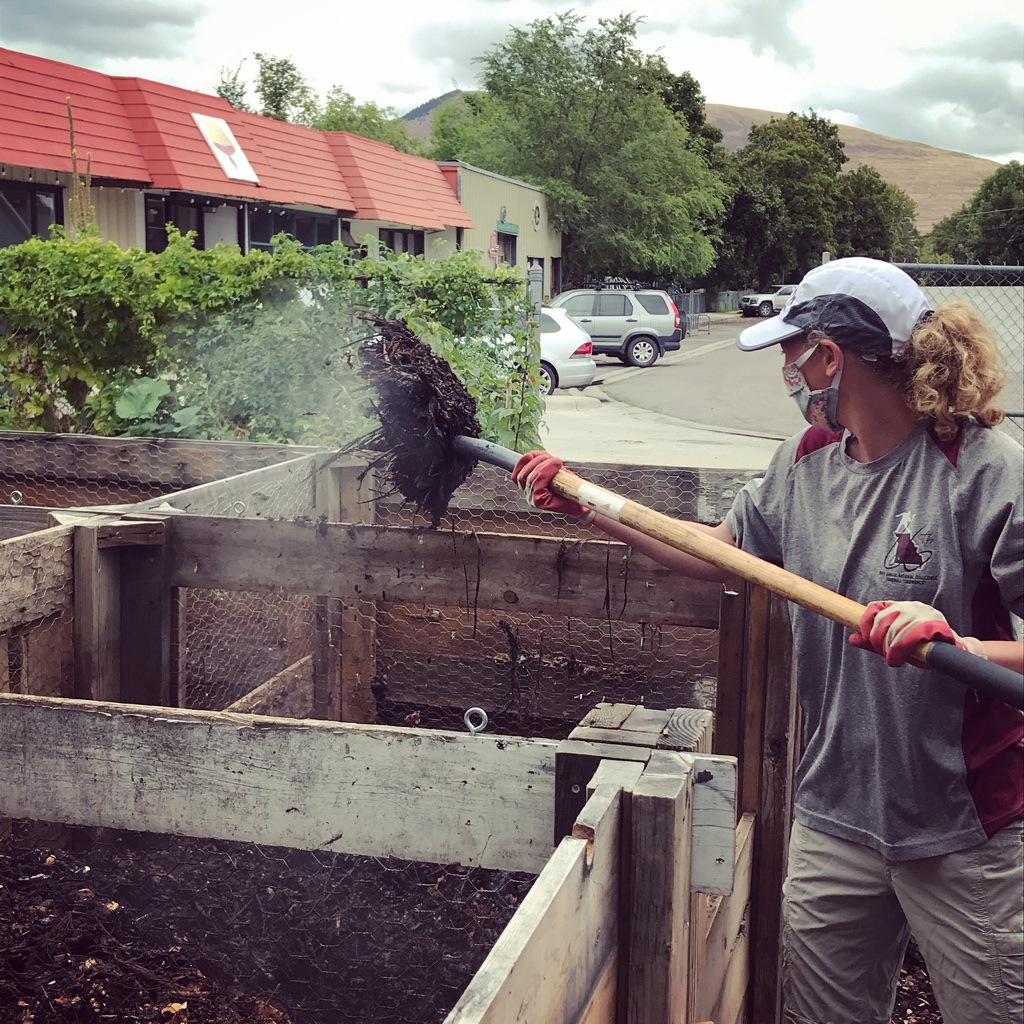
For a city like Missoula, which is tucked between five different mountain ranges, this source of pollution is particularly detrimental because the area already suffers from poor air quality caused by inversions and wildfires. While the best solution is avoiding food waste altogether, doing something beneficial with inevitable scraps is also a valuable approach. Across the country, some municipalities require green collection as part of its waste management. This makes the whole chore a swift proposition: throw kitchen scraps into a green bin with yard clippings and let the city do the rest. However, in Missoula and many other places, there is no such service, only a public composting facility or drop-off sites where residents bring their compostable materials.
Enter Soil Cycle, a 501(c)(3) nonprofit organization that pedals around on bikes gathering food-filled buckets from households, restaurants, and even hostels for composting. Four years ago, executive director Caitlyn Lewis discovered the need for accessible green collection, which drove (ahem, biked) her to forge a new pathway for Missoula’s food waste.
“It was low-hanging fruit for something that needed to be done,” says Lewis. Prior to Soil Cycle, Lewis was a bicycle ambassador advocating bicycle safety and sustainable transportation. “I meshed both together and started a bicycle-powered food scrap collection service.”
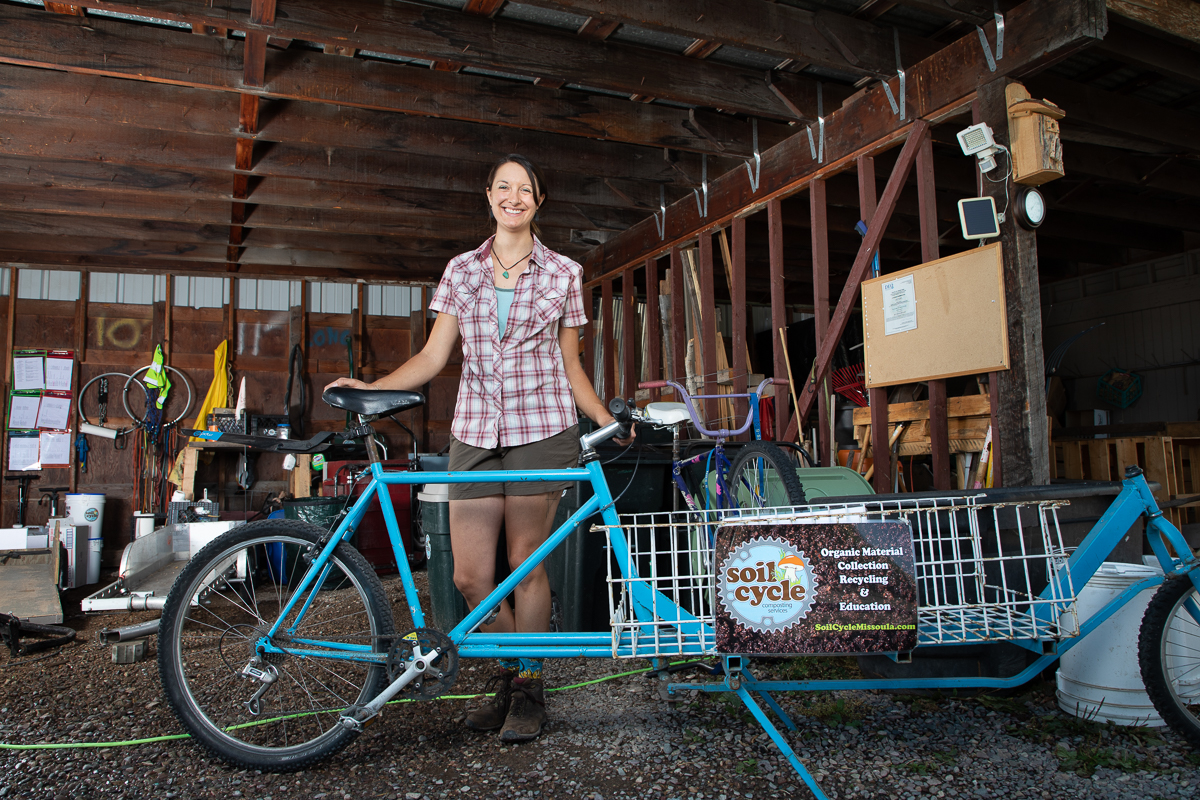
Two-wheeling rather than driving prevented 1,800 pounds of carbon emissions. And in 2021, Soil Cycle rerouted 96,000 pounds of waste from local landfills to create beautifully nurtured compost used in gardens and farms. Yes, composting can seem like a dirty, stinky mess for household or apartment dwellers, but where there’s a wheel, there’s a way.
Soil Cycle members receive a five-gallon bucket and a “bucket list” of materials they can and can’t put into the bin: essentially, all organic materials except for meat and dairy, which breakdown slowly and attract rodents at the compost site. Similar grassroots programs, like Missoula Compost and others around the country, provide comparable solutions for homes and local businesses, and Lewis said these efforts have formed a well-bonded community. Together they share tips and experiences to help each other succeed. “It’s not uncommon to just call someone in a different city and ask what type of bags they use or something really unique, like their favorite bicycle hitch.”
Lewis and her team of three part-time employees, four cyclists, and five board members organize weekly pickups and bring it to the back lot of Free Cycles Missoula, where she leases 1,000 square feet. Here, the decaying matter evolves in hot composting bins, an in-vessel machine, a wormery of red wiggler worms, and soon Montana’s first black soldier fly farm to handle the harder-to-process items, like said dairy and meat. The miraculous transformation then becomes an array of products ranging from worm castings and compost tea to biochar (compost-inoculated charcoal). The space doubles as an educational center for residents and school field trips to teach the potential magic of food scraps firsthand.
“The accessibility of Soil Cycle and other compost collection services in town has made more people aware of composting options rather than just throwing away food,” says Casey Valencia, executive director of the Missoula Urban Demonstration Project (MUD), an organization that provides tools and education for sustainable living. MUD collaborates with Soil Cycle on workshops, and recently, they helped build a rainwater catchment system together at the Soil Cycle site. Partnerships like this help raise awareness about the process and the need to divert waste. For many citizens, the idea of composting is just too complicated. So one of the biggest challenges Valencia notes is educating people to overcome the preconceived notion that a compost pile will be hard to build and maintain. But with collection programs, people don’t need to do the dirty work—just the separation.
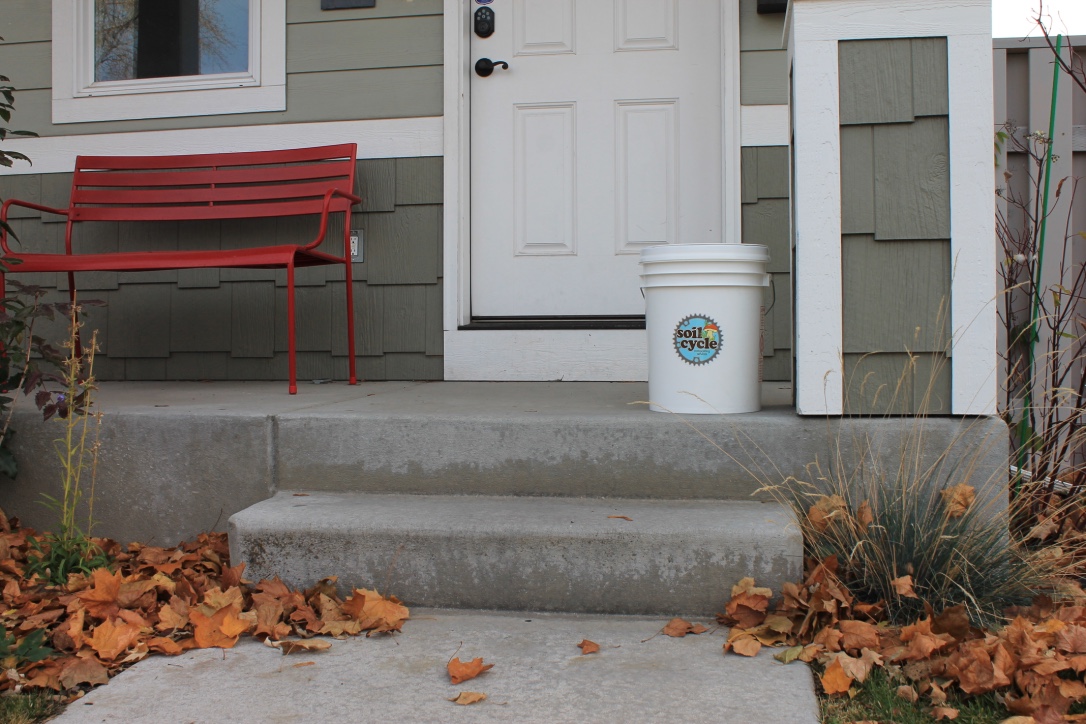
In 2017, Soil Cycle member Daniel Morgan began composting after moving from Tampa Bay to Missoula. With local farms aplenty, he decided to live a package-reduced life, which allowed him to witness the type of waste he amassed. “The a-ha moment for me was when we actually saw how much trash we accumulated just from food scraps,” Morgan says, reflecting on when he started separating food from plastics and cardboard waste. “A third of our garbage was essentially food scraps, and that stuff can be used to enrich soils and to make our garden better. It doesn’t have to go to a landfill.”
For Morgan, he has seen his scraps-turned-compost work wonders at home. One perk as a member is the annual gift bag of nutritious compost. “It’s like Christmas when it arrives,” Morgan says, describing the delight of a bag of dirt being left on his doorstep. “We’ve had the biggest harvest this season even though it was the driest year on record. I can always hose down plants and provide water if it doesn’t rain, but there’s nothing better you can do than using compost and making your soil rich.”
As Soil Cycle grows, partnerships throughout Missoula and even as far as Santa Barbara, also grow. From re-harvesting pumpkins at Turner Farms to helping Sun & Swell Foods compost its packaging. Yet, some challenges remain: space for more composting, funding, and changing people’s attitudes and habits. The latter is often resolved through education. “It really shocks people when they understand what happens to food when it breaks down in the landfill,” Lewis says. “I think that has been a real mindset change for people to divert their food in a responsible way.”
For communities that don’t have citywide green bin collection, public entities are doing the good work by cycling food through a more enriching process. Managing waste doesn’t need to be a cumbersome endeavor for households or communities. Rather, it can be (and is) as easy as riding a bike.
Never miss a story: Follow your favorite topics and authors to get a personalized email with the journalism that matters most to you.