• Home
  • Latest
  • Fortune 500
  • Finance
  • Tech
  • Leadership
  • Lifestyle
  • Rankings
  • Multimedia

Trendingnow

1

Gen Z fled San Francisco for Texas and Florida. Now they’re turning ‘welcomer cities’ into the next big tech towns

2

Anthropic disables Fable and Mythos AI models after U.S. government bars it from giving foreigners access

3

U.S. energy secretary says 7 million barrels of oil exiting Persian Gulf daily, but Chevron CEO rebuts the claim

1

Gen Z fled San Francisco for Texas and Florida. Now they’re turning ‘welcomer cities’ into the next big tech towns

2

Anthropic disables Fable and Mythos AI models after U.S. government bars it from giving foreigners access

3

U.S. energy secretary says 7 million barrels of oil exiting Persian Gulf daily, but Chevron CEO rebuts the claim
Commentary

Facebook, WhatsApp, AWS: How to prevent the software outages that threaten the services we rely on

By
Courtney Nash
Courtney Nash
Down Arrow Button Icon
By
Courtney Nash
Courtney Nash
Down Arrow Button Icon
December 16, 2021, 1:10 PM ET
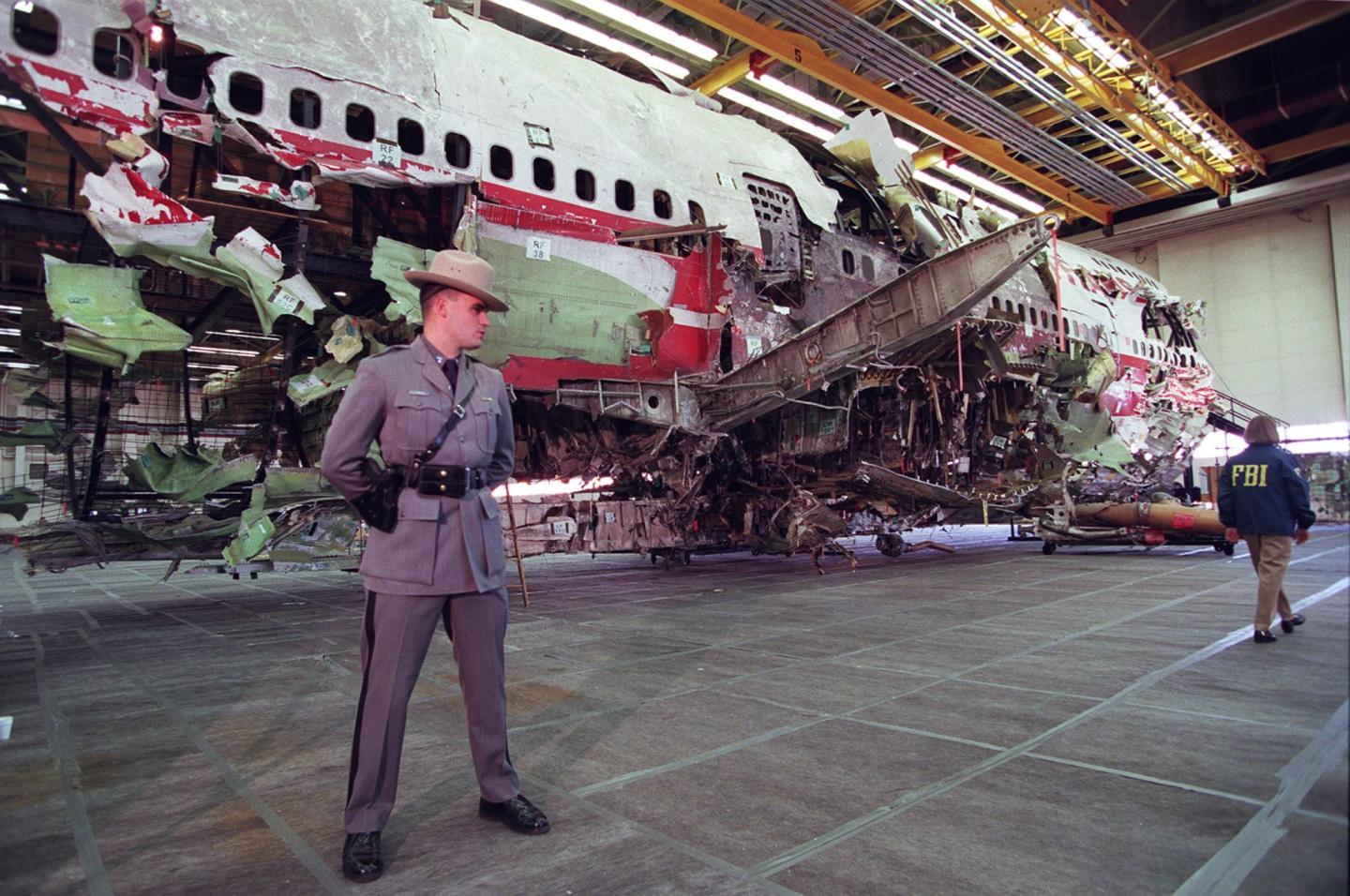
A New York State trooper stands guard in front of the reconstructed wreckage of TWA flight 800 in Calverton, on Long Island, N.Y. The crash was one of the high-profile accidents that compelled the airline industry to share data in the 1990s.
A New York State trooper stands guard in front of the reconstructed wreckage of TWA flight 800 in Calverton, on Long Island, N.Y. The crash was one of the high-profile accidents that compelled the airline industry to share data in the 1990s.JON LEVY—Getty Images

The internet stood still when Facebook, Instagram, and WhatsApp or Amazon Web Services went down for hours. That may have seemed like a minor inconvenience to American users of those services. Elsewhere, it crippled essential communication for billions of people across the world.

Commercial software is the engine that powers many parts of our lives. Recent outages show that this engine is teetering on the brink of dangerous outcomes when it shuts down or malfunctions.

With a user base of around two billion, WhatsApp’s disappearance meant a loss of messaging between family members and businesses around the world and broken in-app payments for countries that have effectively come to rely exclusively on the messaging service.

The ease of use and overall low costs of these consumer software services have led governments, schools, NGOs, non-profits, and many more organizations to weave them into their daily operations. This adoption further drives up the engagement and user base metrics of these services, so they are actively encouraging these types of activities. In July this year, WhatsApp promoted an event to support 100 NGOs in India (where it has some 400 million users) to enable their missions to “provide vulnerable, disempowered, and minority communities with easy and secure access to vital information and support.”

Even as more core services weave these products into daily operations, software outages aren’t going to magically stop. What companies are building now far exceeds what any single person, team, or organization can mentally model regarding how these systems are built, much less how they function under unanticipated pressure or otherwise unexpected conditions. On top of that, user and organizational demands are only accelerating the pace and complexity of software development.

Facebook (now Meta) was surprisingly transparent in their post-incident report of what happened. However, most organizations (including Facebook) rarely publish detailed, open analyses of their outages. The desire to save face and move on quickly is driven in large part by competitive, legal, and financial concerns, paired with a desire to avoid bad publicity. That shouldn’t stop companies from doing it. The technology industry has an immense body of commoditized, siloed knowledge that we can share to learn from each other and push software safety forward.

The airline industry’s approach

In the late 1990s, the U.S. airline industry had a treacherous safety record. Accidents and fatalities were at an all-time high, and carriers were faced with the challenges that come with scale. If their accident rates remained the same while global air traffic continued to grow at projected rates, there would be on average one major jet crash per week by 2015.

They avoided this outcome because a group of airline executives, unionized pilots, and federal regulators banded together to voluntarily share data about aviation incidents and accidents across carriers—despite their own legal, competitive, and financial concerns. Eventually, mechanics, air traffic controllers, and the Federal Aviation Administration (FAA) came on board as well. The FAA noted that the “key to this approach is a longstanding commitment to sharing data through an open and collaborative safety culture to detect risks and address problems before accidents occur.”

It’s time for the technology industry to follow suit. The good news? We don’t have to start from scratch. In 2019, Nora Jones founded the Learning From Incidents (LFI) community. Comprising several hundred software practitioners (with experience ranging from behemoths like Facebook, Amazon, Netflix to smaller-scale organizations and academic institutions), technology leaders, and researchers, LFI stands to reshape how the software industry thinks about incidents, software reliability, and the critical role people play in keeping these systems running.

Along with investing in incident analysis and publishing what they’ve learned, organizations can share their incident reports in the VOID, a database of public incident reports that arose from the need to have a place where we share and learn from these incidents.

These outages have revealed the scale and power software-based services now have in our lives, and without a concerted effort to share information as an industry, they’re only going to get worse, not better.

Courtney Nash is a senior research analyst at Verica and the founder of the open incident reporting platform “The Void”.

More must-read commentary published by Fortune:

  • “Homers” are creating the soulless downtown
  • The next recession: Here’s when the “everything bubble” will burst
  • Why Indian-born leaders dominate American tech’s top ranks
  • To deliver the infrastructure boom, construction giants must open their doors to startups
  • Southern Africa: Last in line for vaccines, first in line for travel bans 

Never miss a story: Follow your favorite topics and authors to get a personalized email with the journalism that matters most to you.

About the Author
By Courtney Nash
See full bioRight Arrow Button Icon

Latest in Commentary

Finance
Lorem ipsum dolor sit amet, consectetur adipiscing elit, sed do eiusmod tempor incididunt ut labore et dolore magna aliqua. Ut enim ad minim veniam
By Fortune Editors
October 20, 2025
Finance
Lorem ipsum dolor sit amet, consectetur adipiscing elit, sed do eiusmod tempor incididunt ut labore et dolore magna aliqua. Ut enim ad minim veniam
By Fortune Editors
October 20, 2025
Finance
Lorem ipsum dolor sit amet, consectetur adipiscing elit, sed do eiusmod tempor incididunt ut labore et dolore magna aliqua. Ut enim ad minim veniam
By Fortune Editors
October 20, 2025
Finance
Lorem ipsum dolor sit amet, consectetur adipiscing elit, sed do eiusmod tempor incididunt ut labore et dolore magna aliqua. Ut enim ad minim veniam
By Fortune Editors
October 20, 2025
Finance
Lorem ipsum dolor sit amet, consectetur adipiscing elit, sed do eiusmod tempor incididunt ut labore et dolore magna aliqua. Ut enim ad minim veniam
By Fortune Editors
October 20, 2025
Finance
Lorem ipsum dolor sit amet, consectetur adipiscing elit, sed do eiusmod tempor incididunt ut labore et dolore magna aliqua. Ut enim ad minim veniam
By Fortune Editors
October 20, 2025

Most Popular

Finance
Lorem ipsum dolor sit amet, consectetur adipiscing elit, sed do eiusmod tempor incididunt ut labore et dolore magna aliqua. Ut enim ad minim veniam
By Fortune Editors
October 20, 2025
Finance
Lorem ipsum dolor sit amet, consectetur adipiscing elit, sed do eiusmod tempor incididunt ut labore et dolore magna aliqua. Ut enim ad minim veniam
By Fortune Editors
October 20, 2025
Finance
Lorem ipsum dolor sit amet, consectetur adipiscing elit, sed do eiusmod tempor incididunt ut labore et dolore magna aliqua. Ut enim ad minim veniam
By Fortune Editors
October 20, 2025
Finance
Lorem ipsum dolor sit amet, consectetur adipiscing elit, sed do eiusmod tempor incididunt ut labore et dolore magna aliqua. Ut enim ad minim veniam
By Fortune Editors
October 20, 2025
Finance
Lorem ipsum dolor sit amet, consectetur adipiscing elit, sed do eiusmod tempor incididunt ut labore et dolore magna aliqua. Ut enim ad minim veniam
By Fortune Editors
October 20, 2025
Finance
Lorem ipsum dolor sit amet, consectetur adipiscing elit, sed do eiusmod tempor incididunt ut labore et dolore magna aliqua. Ut enim ad minim veniam
By Fortune Editors
October 20, 2025
Fortune Secondary Logo
Rankings
  • 100 Best Companies
  • Fortune 500
  • Global 500
  • Fortune 500 Europe
  • Most Powerful Women
  • World's Most Admired Companies
  • See All Rankings
  • Lists Calendar
Sections
  • Finance
  • Fortune Crypto
  • Features
  • Leadership
  • Health
  • Commentary
  • Success
  • Retail
  • Mpw
  • Tech
  • Lifestyle
  • CEO Initiative
  • Asia
  • Politics
  • Conferences
  • Europe
  • Newsletters
  • Personal Finance
  • Environment
  • Magazine
  • Education
Customer Support
  • Frequently Asked Questions
  • Customer Service Portal
  • Privacy Policy
  • Terms Of Use
  • Single Issues For Purchase
  • International Print
Commercial Services
  • Advertising
  • Fortune Brand Studio
  • Fortune Analytics
  • Fortune Conferences
  • Business Development
  • Group Subscriptions
About Us
  • About Us
  • Press Center
  • Work At Fortune
  • Terms And Conditions
  • Site Map
  • About Us
  • Press Center
  • Work At Fortune
  • Terms And Conditions
  • Site Map
  • Facebook icon
  • Twitter icon
  • LinkedIn icon
  • Instagram icon
  • Pinterest icon

Latest in Commentary

ravi
CommentaryWeather and forecasting
I spent 8 years flood-proofing a city. Capital markets are running out of time to take El Niño seriously
By Ravi S. BhallaJune 13, 2026
12 hours ago
herrin
CommentaryInfrastructure
America just committed $1.2 trillion to fix its infrastructure. We’re still flying blind
By Gregg HerrinJune 13, 2026
14 hours ago
cyber
Commentarycyber
Accenture cyber leads: why hiring more people won’t solve the cybersecurity talent gap
By Harpreet Sidhu and Vikram DesaiJune 13, 2026
15 hours ago
t
CommentaryHospitality
AI is making promises your brand never made. Hotels are paying the price
By Teresa MackintoshJune 13, 2026
15 hours ago
axel
CommentaryEntrepreneurship
Our budgeted $180 million year ended in the red after the Ukraine war. Here’s how we survived
By Axel SöderbergJune 13, 2026
17 hours ago
ss
CommentaryWorld Cup
‘Soccernomics’ co-author: FIFA’s ticket strategy isn’t price discovery, it’s a wealth filter
By Stefan Szymanski and The ConversationJune 12, 2026
1 day ago

Most Popular

Gen Z fled San Francisco for Texas and Florida. Now they’re turning ‘welcomer cities’ into the next big tech towns
Real Estate
Gen Z fled San Francisco for Texas and Florida. Now they’re turning ‘welcomer cities’ into the next big tech towns
By Sydney LakeJune 13, 2026
15 hours ago
Anthropic disables Fable and Mythos AI models after U.S. government bars it from giving foreigners access
AI
Anthropic disables Fable and Mythos AI models after U.S. government bars it from giving foreigners access
By Jeremy KahnJune 13, 2026
20 hours ago
U.S. energy secretary says 7 million barrels of oil exiting Persian Gulf daily, but Chevron CEO rebuts the claim
Energy
U.S. energy secretary says 7 million barrels of oil exiting Persian Gulf daily, but Chevron CEO rebuts the claim
By Jordan BlumJune 12, 2026
1 day ago
Corporate America has been draining the world's water. Matt Damon's new campaign calls on Gap, Starbucks, and Amazon to help give it back
Environment
Corporate America has been draining the world's water. Matt Damon's new campaign calls on Gap, Starbucks, and Amazon to help give it back
By Catherina GioinoJune 9, 2026
4 days ago
Current price of oil as of June 12, 2026
Personal Finance
Current price of oil as of June 12, 2026
By Joseph HostetlerJune 12, 2026
1 day ago
American taxpayers have spent $33 billion on sports stadiums. They got fewer seats—and higher prices
Success
American taxpayers have spent $33 billion on sports stadiums. They got fewer seats—and higher prices
By Catherina GioinoJune 11, 2026
2 days ago

© 2026 Fortune Media IP Limited. All Rights Reserved. Use of this site constitutes acceptance of our Terms of Use and Privacy Policy | CA Notice at Collection and Privacy Notice | Do Not Sell/Share My Personal Information
FORTUNE is a trademark of Fortune Media IP Limited, registered in the U.S. and other countries. FORTUNE may receive compensation for some links to products and services on this website. Offers may be subject to change without notice.