The U.S. is on the verge of the fourth revolution in urban technology. Where railroads, the electric grid, and the automobile defined previous eras, today, new strategies that integrate new technologies in our cities can unlock striking possibilities.
Our buildings can be dramatically more sustainable, adaptable, and affordable. Energy systems and physical infrastructure can fulfill the promise of “climate-positive” development. Secure digital infrastructure can connect people and improve services while safeguarding privacy. We can deploy mobility solutions that regulate the flow of people and vehicles in real time, ease traffic, and cut carbon emissions. Innovative social infrastructure can enable new service models to build truly inclusive communities.
Congress and the administration are currently negotiating a reconciliation package that is intended to put the U.S. on a path to a sustainable and equitable future. However, this mission will not succeed without meaningful investments in technical solutions that recognize the frontline role of cities and urban counties in so many national priorities.
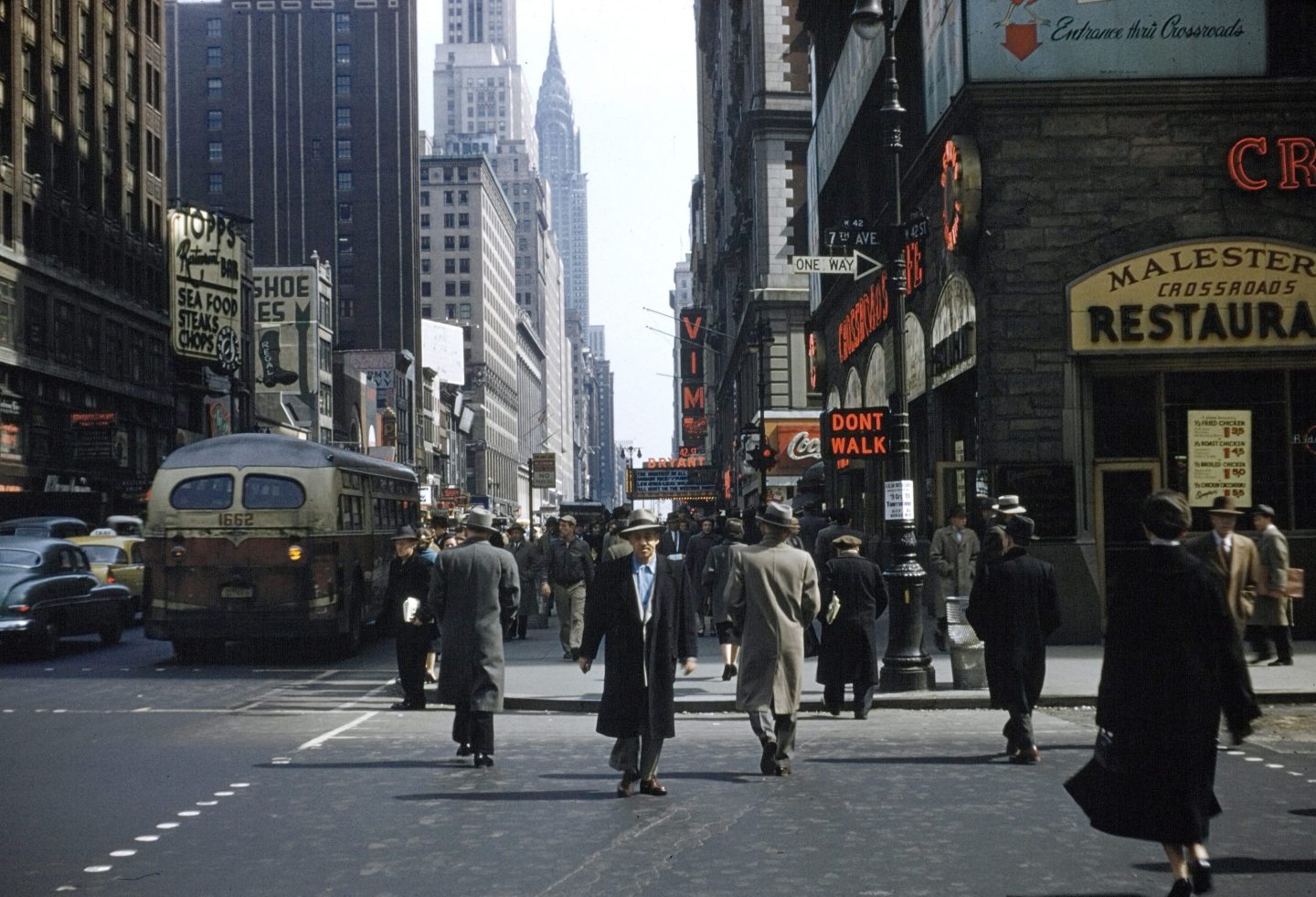
U.S. cities are still built, connected, powered, heated, and run much as they have been for the past 75 years. Cities continue to generally rely on “dumb” infrastructure, such as the classic traffic light, which can direct traffic and do little else.
When Detroit deployed the first red-yellow-green automatic traffic light in the 1920s, it pioneered state-of-the art traffic management. Soon, there was a traffic light at every major intersection in America, and it has remained an icon of urban technology ever since. Relying on 100-year-old technology isn’t all that unusual in our cities. If you look closely at any American city, you will see it’s rather the rule. While our policy needs and technical capabilities have changed dramatically, the urban systems U.S. cities rely on have remained essentially frozen in time since the Second World War.
We must leverage today’s technology and use artificial intelligence, machine learning, data analytics, connected infrastructure, cloud computing, and automation to run our cities. That is why we have come together to help forge a new initiative, the Coalition for Urban Innovation, to reimagine urban infrastructure for the future. Consisting of leading urban thinkers, businesses, and nonprofits, the coalition is calling on Congress and the administration to seize this generational opportunity to finally unlock the potential of cities as powerful levers for tackling climate change, promoting inclusion, and otherwise addressing our thorniest challenges.
Cities are hungry to innovate, but they need federal support and funding to help them do it. When the Department of Transportation launched the federal Smart City Challenge competition in 2015, it attracted funding proposals from 78 applicants. These ranged from replacing traditional streetlights with smart LEDs to slash energy usage while monitoring air quality, to building connected freight priority lanes and signals to ease traffic and cut emissions.
Columbus, Ohio, won, going on to build an open-source transit data hub, pioneer the first self-driving public shuttle in a residential neighborhood, and pilot connected vehicle technology to improve safety. Since then, federal leadership has been lacking, leaving efforts to modernize urban systems incomplete and poorly funded.
Congress’s current infrastructure proposal features commendable items, such as investing in congestion pricing strategies. The impact of the reconciliation bill could be even greater, but only if it commits real dollars to help our cities innovate. The coalition recently wrote to congressional leaders offering several specific (and long overdue) strategies for turbocharging urban innovation.
With 75% of emissions arising from cities, federal action promoting research into urban green technologies could pay outsize dividends. Just as the federal government advanced the U.S. solar industry, federal leadership is needed to foster urban climate technologies, such as systems that optimize multimodal transportation, reduce emissions associated with buildings, and accelerate the transition to electrification. That’s why the coalition has urged Congress to add “urban innovation” as a priority for advanced research at the Departments of Transportation and Energy.
The capacity of urban communities to incubate, test, showcase, and lead with world-changing ideas and approaches is as true today as it was a century ago. Without support for urban innovation, the U.S. will fall well short of its most important goals. It’s time for Congress and the administration to seize the opportunity before them and deliver investments to build America’s urban communities back stronger, making them more equitable and more sustainable than ever.
Richard Florida is a professor at the University of Toronto and cofounder of CityLab. He is the author of The Rise of the Creative Class and most recently, The New Urban Crisis. Daniel L. Doctoroff is the chief executive of Sidewalk Labs, an urban-innovation company owned by Google parent Alphabet.
Subscribe to Fortune Daily to get essential business stories delivered straight to your inbox each morning.