Like many of you, I can’t stop reading or talking to people about the present realities of work. Forget the future: we’re in the right now, and the right now seems more chaotic by the day.
In the aftermath of my essay about the discriminatory policy that is “just expense it,” I received some very interesting emails asking about the trend of requiring employees to absorb the costs of working from home.
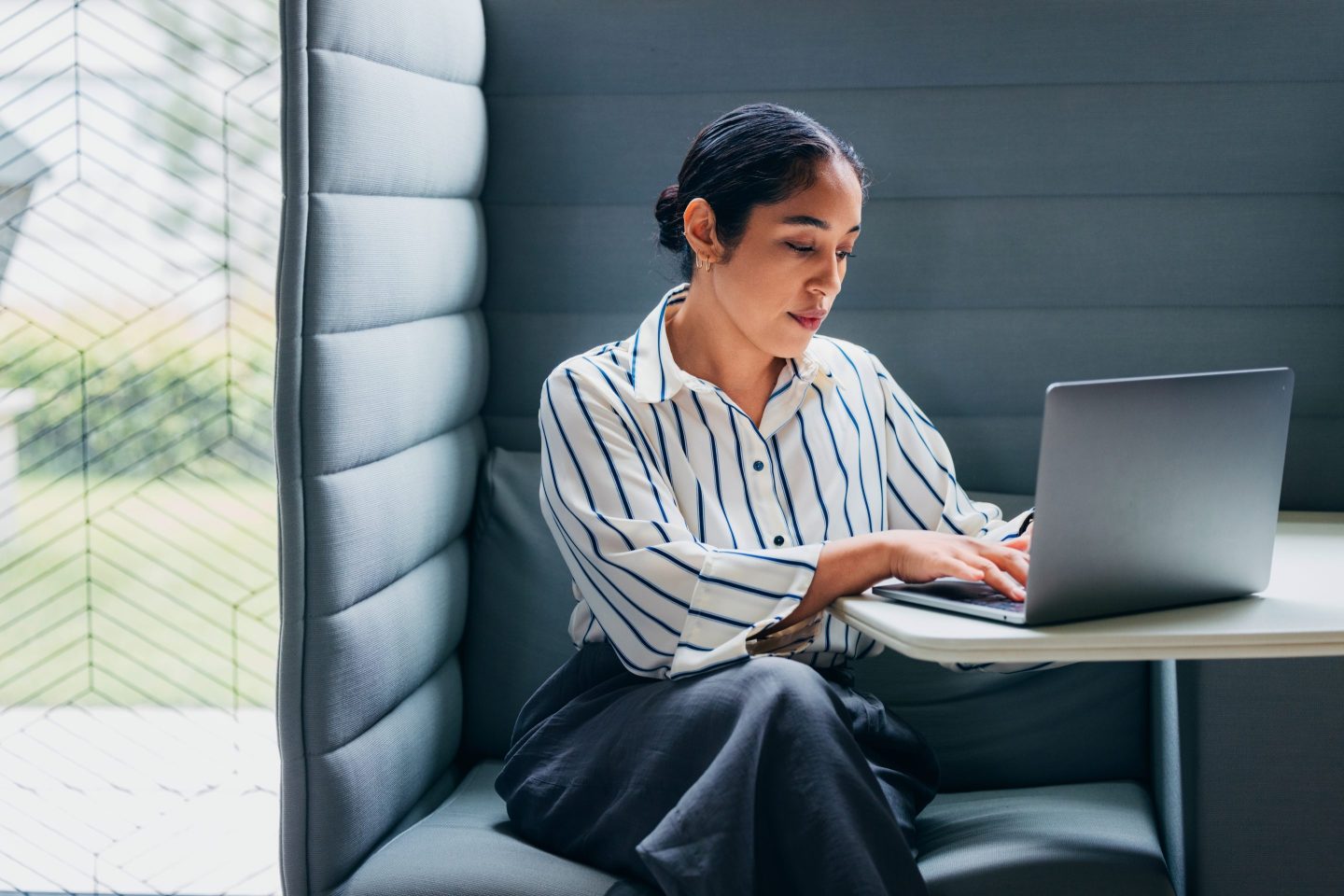
That ergonomic chair you had in the office? Thousands of dollars. An internet and Wi-Fi setup that can handle all those video calls without falling over? Not cheap either. An external monitor, keyboard and mouse or trackpad so you’re not ruining your eyes and posture? These costs add up, quickly.
Some companies and managers have taken the approach of what I’ll call, “we built it, so you should come (back to the office).” If you want that good chair, show up in person. Others, like Dropbox, decided relatively “early” in the pandemic that they’d allow employees to claim up to $7,000 a year for home-office equipment, caretaking support, or even a gym membership. They call it a “Perks Allowance,” and yes, you still have to submit receipts and get reimbursed.
The person responsible for the Dropbox program has a fascinating title: Manager of Global Perks and Wellness. Benefits by any other name, perhaps. But what about this job, described by executive search firm Cowen Partners as “one of the 10 most sought-after management jobs right now”: vice president of productivity and remote experience.
The “remote experience” isn’t only about perks. Just ask Black women specifically, and women of color more broadly. Both The Washington Post and The New York Times have detailed the mixed-at-best feelings many of these women have about returning to the office, which is often a focal point for micro- and macro-aggressions.
On the other hand, working from home has been a daily exercise in letting relative strangers into what used to be an intimate and personal space. As Laura Morgan Roberts and Courtney L. McCluney noted in the Harvard Business Review in June last year, Black employees “are now literally broadcasting more of their identities from their personal living spaces.” Working from the office at least meant not ever having to have a conversation with a coworker intrigued by the “exotic artwork” on your living room walls.
If you’re one of the people tasked with figuring out The Great Hybridization, remember that as with everything else, the burdens and consequences of these policies and protocols are unevenly distributed. Perhaps the VP for WFH should have at least a dotted line to the SVP for DEI.
On Point
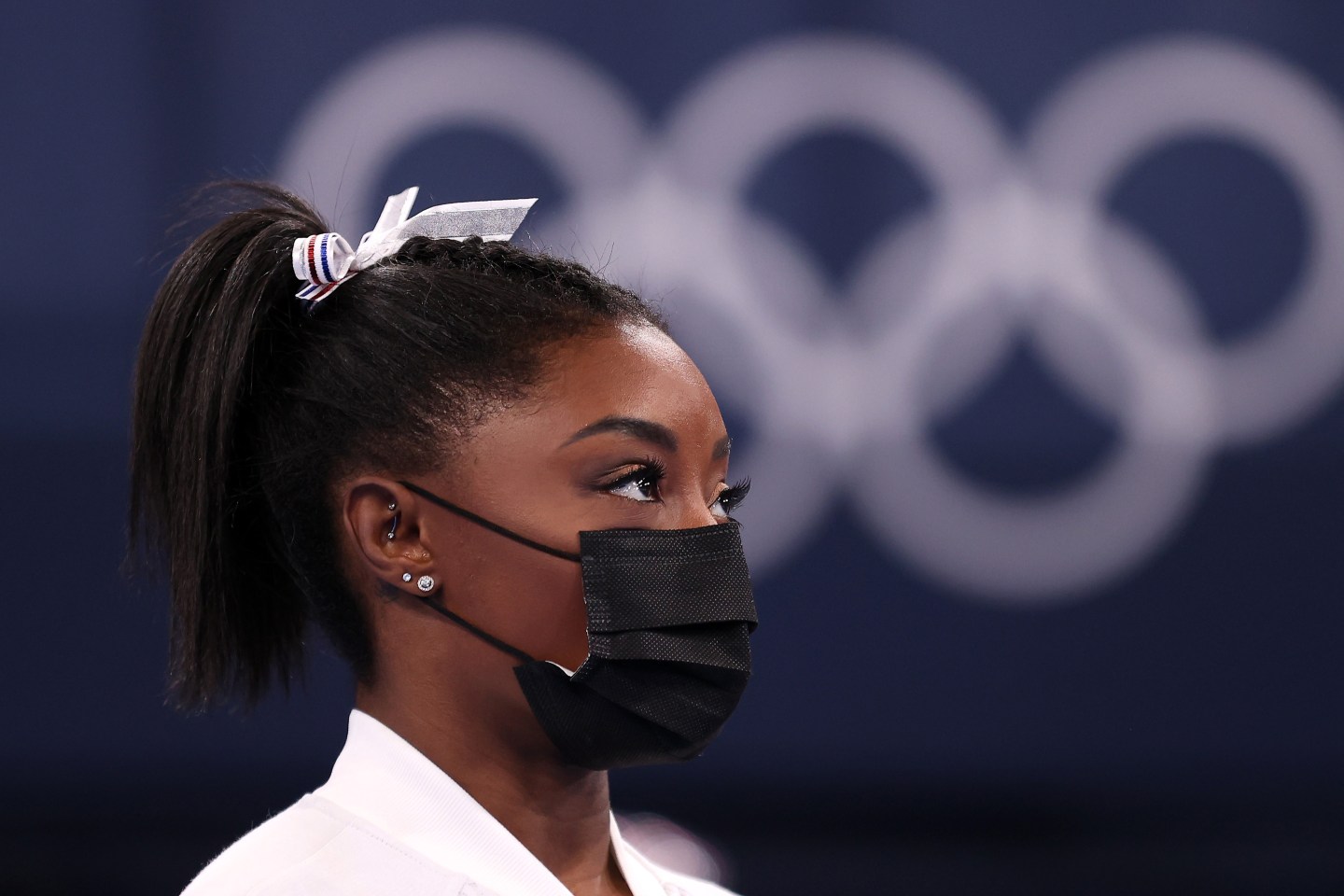
Mental health is health, and athletes are leading the way Simone Biles withdrew from competition in Tokyo on Tuesday, and after cheering for her teammates she told assembled reporters that she needed to put her mental health first. Biles invoked the precedent set by Naomi Osaka, the tennis champion who quit the French Open and explained in an Instagram post that she’d dealt with “long bouts of depression since the US Open in 2018.” In many organizations, the stigma around mental health has persisted despite the ongoing tragedy of the pandemic and its effect on all our lives. Some leaders I’ve spoken to, including ones who’ve been public about their anxiety and depression, have confessed to feeling like they still have to “put a happy face” on their illnesses. Others shared that many HR departments seemed ill-equipped to deal with the “mental” element of healthcare. Just as Black and brown people at all levels of seniority face different challenges at work, they face different kinds of barriers to access to healthcare. I’ve met relatively few people who’ve assessed employee insurance offerings on the basis of whether there are Black mental health professionals in-network, or about the geographic distribution of the doctors’ offices covered by a plan. Instead, what I hear much more often is about the tendency to offer access to meditation apps like Headspace as a “solution” to employees seeking health and wellness advice. To quote Biles, “at the end of the day it’s like we want to walk out of here, not be dragged out of here on a stretcher.”
On Background
“Out of office, will still get back to you in 15 minutes” I appreciated this riff by Fortune columnist Mitra Kalita on the need for a summer sabbatical and the new rules of vacationing.
I want this to still be true in two years Nieman Lab reports that “Most big American newspaper newsrooms are now led by someone other than a white man." That’s a big shift for the media industry.
It’s the 31st anniversary of the Americans With Disabilities Act. Do you know how accessible your office is? One of the most interesting people I follow on Twitter is Imani Barbarin, a brilliant communicator and commentator. This 2020 New York Times piece gives some insight into how a landmark piece of legislation still sometimes feels like “the floor of what our rights should be” for her.
Mood board / Big Move:
Subscribe to Fortune Daily to get essential business stories straight to your inbox each morning.