• Home
  • Latest
  • Fortune 500
  • Finance
  • Tech
  • Leadership
  • Lifestyle
  • Rankings
  • Multimedia
Commentarydata privacy

Cameras in our cities are here to stay. Here’s how we can protect our privacy

By
Prajwal Kotamraju
Prajwal Kotamraju
Down Arrow Button Icon
By
Prajwal Kotamraju
Prajwal Kotamraju
Down Arrow Button Icon
June 24, 2021, 7:00 PM ET
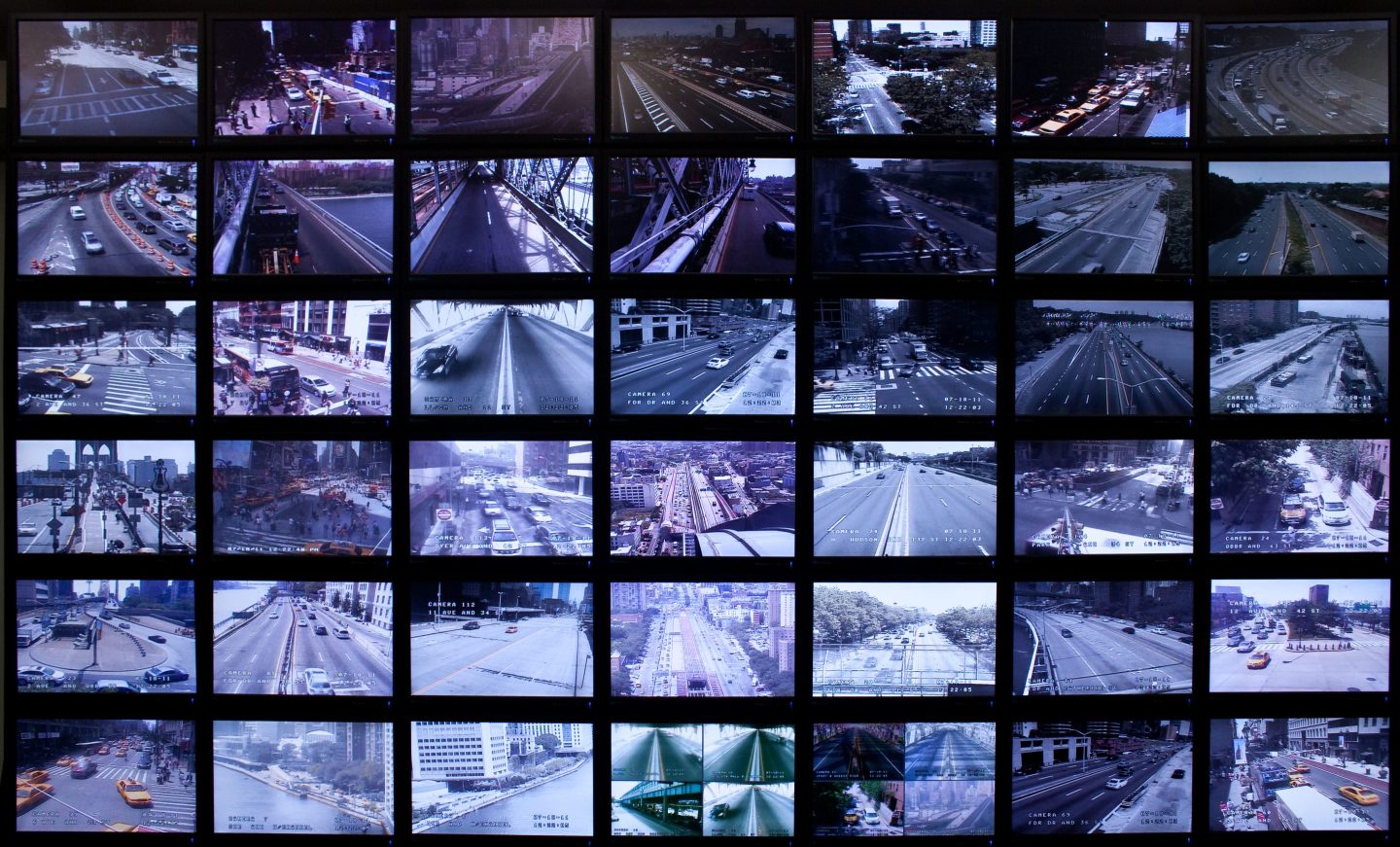
Privacy could be in danger if companies and governments fail to responsibly handle data collected from cameras in cities.
Privacy could be in danger if companies and governments fail to responsibly handle data collected from cameras in cities.Timothy Fadek—Corbis/Getty Images

By the year 2025, there will be 1 billion cameras monitoring public and private spaces globally. Even if the real number turns out to be smaller than this figure, the scale is enormous. And the two countries leading the way are China and America.

China has 4.1 people for every camera, while in America the figure is 4.6. In China, many of these cameras are controlled by the government, while in America the private sector is more active in monitoring security in retail and commercial spaces. 

In response to this trend, it’s reasonable to view all cameras in public places as potential threats to privacy. Ergo, the logic goes, all cameras should be banned, regardless of their use. 

A more nuanced approach that doesn’t compromise the core value of privacy is possible. But it does require considering how to secure people’s privacy while still enjoying the many benefits public cameras can enable.

But before we go there, we need to back up and look at what we’re actually talking about when we use the word “camera.” The kind of cameras most of us think of when we see a camera on a light pole are those whose purpose is to record and preserve images—to surveil. 

Yet not all cameras are installed for those purposes, and in fact some cameras improve conditions in our cities. For example, traffic cameras can provide timely reports to commuters in the event of an accident or road closure, and speed cameras in cities have been shown to reduce traffic collisions, on average, by 15%.

My company deploys cameras to process real-time parking and traffic data. Their video sensors and computer vision software capture data rather than preserving images. The data from these cameras tells municipalities which curbs are available in real time, which helps to decrease traffic and pollution. 

None of this would be possible if we didn’t have a way to analyze traffic patterns. To do that, we need cameras.

Of course, it doesn’t take too much imagination to see what could go wrong. There is the well-documented practice of businesses selling data to third parties, which use that data for their endless marketing mills. And then there is the potential for police departments to use camera footage to racially profile.

Given these threats, we shouldn’t just reflexively trust the private sector to do the right thing. There have been too many infamous examples from the past decade of tech companies promising to be responsible caretakers of data, only for a whistleblower to reveal that such promises were broken. (Our company works with a third-party auditor to independently verify our removal of personally identifiable information from all devices.)

This misbehavior by some of the most powerful tech companies then generates a broader suspicion of all tech initiatives—some of which do benefit the public. One way to solve this mistrust is for companies to commission an independent audit of responsible data management.

Another strategy is to implement best practices around the collection and storage of data. Companies and municipalities should collect only the minimum amount of personally identifiable information necessary to achieve a particular goal, and store it for the minimum amount of time necessary to achieve that goal. For instance, when enforcing parking rules, it is necessary to record images of a vehicle’s license plate when it enters and departs a parking spot along the curb in order to invoice the driver. But those images should be permanently wiped as soon as fees are paid or the violation is resolved. All faces, as well as license plates belonging to surrounding vehicles, should be blurred in these images. 

In short, businesses should explicitly circumscribe the type of data they collect and how long they store it. 

We need a more nuanced approach to the use of cameras in public spaces. We know they exist; now the public needs a better understanding of who owns them and what they’re being used for. Complete honesty in answering these questions will be necessary if tech companies want the public to trust them again.

Prajwal Kotamraju is cofounder and head of computer vision at Automotus.

Subscribe to Fortune Daily to get essential business stories straight to your inbox each morning.

About the Author
By Prajwal Kotamraju
See full bioRight Arrow Button Icon

Latest in Commentary

Julian Braithwaite is the Director General of the International Alliance for Responsible Drinking
CommentaryProductivity
Gen Z is drinking 20% less than Millennials. Productivity is rising. Coincidence? Not quite
By Julian BraithwaiteDecember 13, 2025
5 hours ago
carbon
Commentaryclimate change
Banking on carbon markets 2.0: why financial institutions should engage with carbon credits
By Usha Rao-MonariDecember 13, 2025
6 hours ago
Dr. Javier Cárdenas is the director of the Rockefeller Neuroscience Institute NeuroPerformance Innovation Center.
Commentaryconcussions
Fists, not football: There is no concussion protocol for domestic violence survivors
By Javier CárdenasDecember 12, 2025
1 day ago
Gary Locke is the former U.S. ambassador to China, U.S. secretary of commerce, and governor of Washington.
CommentaryChina
China is winning the biotech race. Patent reform is how we catch up
By Gary LockeDecember 12, 2025
1 day ago
millennial
CommentaryConsumer Spending
Meet the 2025 holiday white whale: the millennial dad spending $500+ per kid
By Phillip GoerickeDecember 12, 2025
1 day ago
Sarandos
CommentaryAntitrust
Netflix, Warner, Paramount and antitrust: Entertainment megadeal’s outcome must follow the evidence, not politics or fear of integration
By Satya MararDecember 12, 2025
1 day ago

Most Popular

placeholder alt text
Economy
Tariffs are taxes and they were used to finance the federal government until the 1913 income tax. A top economist breaks it down
By Kent JonesDecember 12, 2025
1 day ago
placeholder alt text
Success
Apple cofounder Ronald Wayne sold his 10% stake for $800 in 1976—today it’d be worth up to $400 billion
By Preston ForeDecember 12, 2025
1 day ago
placeholder alt text
Success
40% of Stanford undergrads receive disability accommodations—but it’s become a college-wide phenomenon as Gen Z try to succeed in the current climate
By Preston ForeDecember 12, 2025
1 day ago
placeholder alt text
Economy
The Fed just ‘Trump-proofed’ itself with a unanimous move to preempt a potential leadership shake-up
By Jason MaDecember 12, 2025
22 hours ago
placeholder alt text
Economy
For the first time since Trump’s tariff rollout, import tax revenue has fallen, threatening his lofty plans to slash the $38 trillion national debt
By Sasha RogelbergDecember 12, 2025
23 hours ago
placeholder alt text
Success
Apple CEO Tim Cook out-earns the average American’s salary in just 7 hours—to put that into context, he could buy a new $439,000 home in just 2 days
By Emma BurleighDecember 12, 2025
1 day ago
Rankings
  • 100 Best Companies
  • Fortune 500
  • Global 500
  • Fortune 500 Europe
  • Most Powerful Women
  • Future 50
  • World’s Most Admired Companies
  • See All Rankings
Sections
  • Finance
  • Leadership
  • Success
  • Tech
  • Asia
  • Europe
  • Environment
  • Fortune Crypto
  • Health
  • Retail
  • Lifestyle
  • Politics
  • Newsletters
  • Magazine
  • Features
  • Commentary
  • Mpw
  • CEO Initiative
  • Conferences
  • Personal Finance
  • Education
Customer Support
  • Frequently Asked Questions
  • Customer Service Portal
  • Privacy Policy
  • Terms Of Use
  • Single Issues For Purchase
  • International Print
Commercial Services
  • Advertising
  • Fortune Brand Studio
  • Fortune Analytics
  • Fortune Conferences
  • Business Development
About Us
  • About Us
  • Editorial Calendar
  • Press Center
  • Work At Fortune
  • Diversity And Inclusion
  • Terms And Conditions
  • Site Map

© 2025 Fortune Media IP Limited. All Rights Reserved. Use of this site constitutes acceptance of our Terms of Use and Privacy Policy | CA Notice at Collection and Privacy Notice | Do Not Sell/Share My Personal Information
FORTUNE is a trademark of Fortune Media IP Limited, registered in the U.S. and other countries. FORTUNE may receive compensation for some links to products and services on this website. Offers may be subject to change without notice.