The Best have never been better.
In the face of a deadly pandemic, a devastating economic downturn, and a gut-wrenching reckoning over racism, the 100 Best Companies to Work For rose to the occasion.
Literally so. By deepening their commitment to a people-first, purpose-driven approach to business, the 100 Best saw their employee experience scores increase over the past year. At seven out of 10 winning companies, employees reported a better workplace culture in 2020 vs. 2019. In many cases, the gains were far higher than we typically see from one year to the next.
Remarkably, while 2020 brought burn-out, disease, and dismay to much of America and the world, employees at these high-trust, inclusive companies described heightened feelings of trust, pride, and community. Other companies fell behind. The gap between the best and the rest—non-winning companies—widened by 5 percentage points over the past year.
How did the Best get better last year? First, leaders stepped up to communicate a clear and compelling direction and purpose. They communicated that their organizations purpose could not be fulfilled without actively minimizing the racial injustices that affected their employees. We found improved employee perceptions of two-way communication, integrity, and competence—key leadership qualities needed to navigate and lead through two viruses, COVID-19 and racism.
Second, the Best took great care of employees. They rolled out unprecedented programs to keep employees safe and support their mental and financial well-being. And they protected jobs. Among winning companies that surveyed employees in 2019 and 2020, 83% saw a rise in employee perceptions that leaders would lay off staff only as a last resort.
Third, the Best smartly distributed power and work. A large majority of winners saw more employees reporting they were involved in decisions and that their leaders were effectively assigning and coordinating resources.
What did the Best get from trusting employees with more authority, from caring for employees, from communicating with employees as never before? They got one of the most adaptable workforces ever—in a year when business survival depended on it. Roughly 84% of winning companies that surveyed 2019 and 2020 improved scores on employee perceptions that people adapt quickly to changes.
In other words, the crises of 2020 revealed and intensified companies’ true colors. Organizations and institutions lacking trustworthy leaders and meaningful values withered. But those coming into 2020 with what we call “For All” cultures and humble, caring leaders came together, innovated, and grew stronger.
In fact, the feats of the 100 Best over the past year are nothing short of heroic. We at Great Place to Work gathered their stories over the course of 2020 in our Better Together series of conversations with CEOs and as part of a unique ranking methodology for this year’s list.
Normally 75% of each company’s score is based on confidential employee feedback and 25% on our assessment of employees’ daily experiences of the company’s values, people’s ability to contribute new ideas, and the effectiveness of their leaders. We will be returning to this methodology next year.
This year, we wanted to honor the most heroic great places to work for all, taking into account the unprecedented conditions facing these companies over the past 12 months. Sixty percent of each company’s score is based on confidential employee feedback and 40% on how their leaders and teams met the historic challenges of 2020.
We have come to expect great things from the 100 Best. Still, they exceeded our expectations.
Here are four tales of what these inspiring, instructive companies accomplished in a year unlike any other.

Salesforce walks its “stakeholder capitalism” talk
For business software giant Salesforce (No. 2 on the list), 2020 wasn’t just full of challenges. It also amounted to a test.
Would founder Marc Benioff’s company live up to his declaration that the “The business of business is improving the state of the world”?
Well, the results from the past year are in. Salesforce passed with flying colors—giving back to the community and leading on racial justice.
For example, the company sourced 60 million pieces of personal protective equipment in the fight against COVID and gave about $30 million directly to communities.
This level of generosity would have raised eyebrows at many companies. Not at Salesforce, said Brent Hyder, the company’s president and chief people officer.
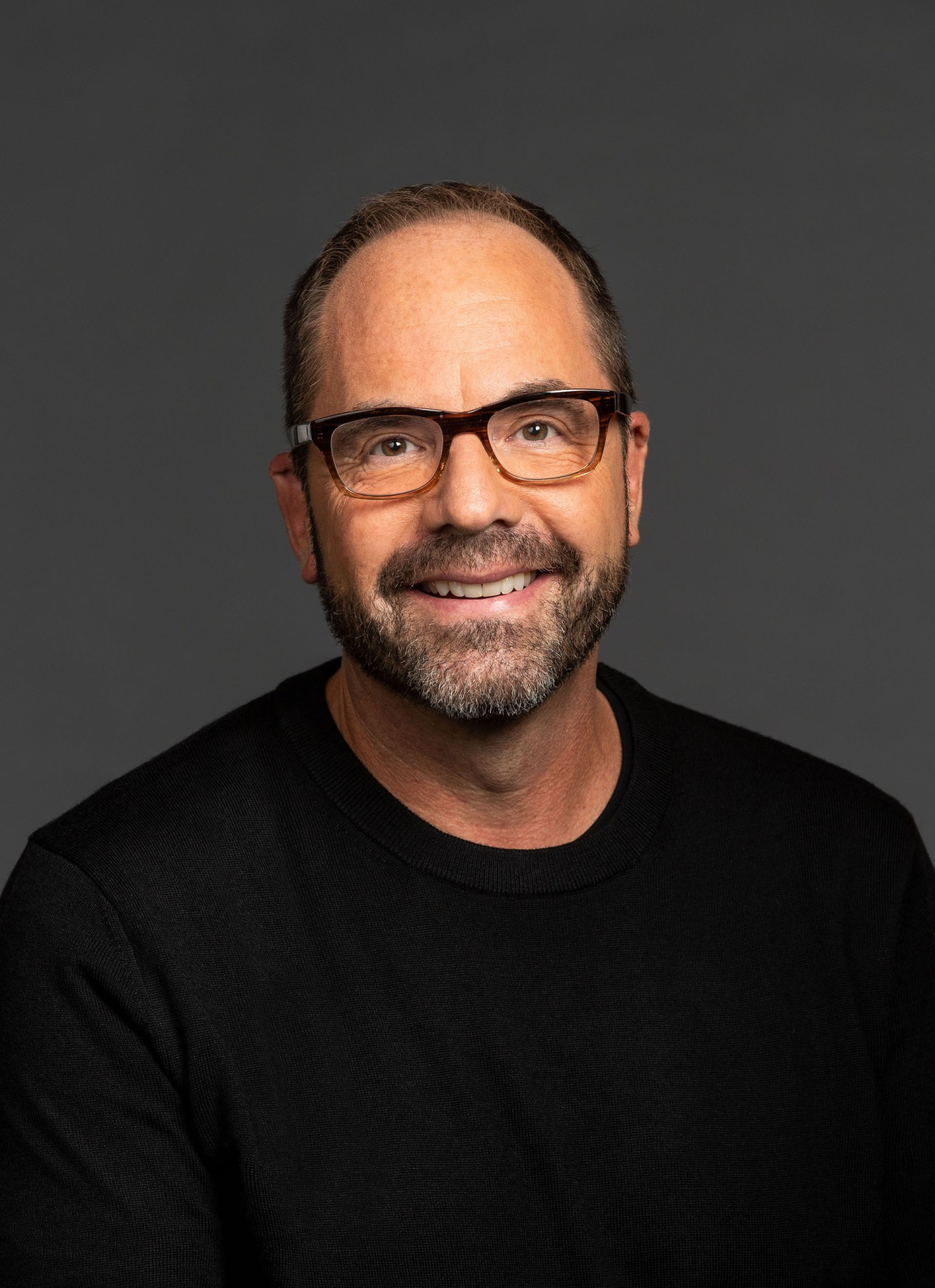
“There was zero debate on this topic—it was a given that we would help in any way we could,” Hyder said. “Marc Benioff’s vision for stakeholder capitalism—a more fair, equal, and sustainable capitalism that works for everyone—drives everything we do. It’s what we stand for. We had the resources and the connections to help our communities that were hurting, so that’s exactly what we did.”
Salesforce also took the racial reckoning of 2020 seriously. It convened conversations on social justice matters and established a Racial Justice Task Force, which includes members from across the organization and is diverse when it comes to age, race, gender, and level of experience.
Hyder said the Task Force built on author Mellody Hobson’s three P’s: People, Purchasing and Philanthropy—and added Policy to spark systemic change across Salesforce and its communities. For example, in the people category, Salesforce has pledged to double U.S representation of Black leaders and increase underrepresented minority employee representation by 50% by 2023.
One initiative along these lines is the company’s “Equality Mentorship.” The program focuses on supporting employees of color through widening access to networks and “wisdom sharing.” This targeted mentorship is grounded in data: Black professionals in general have less direct access to senior leaders in their company than their white counterparts: 31% compared to 44%.
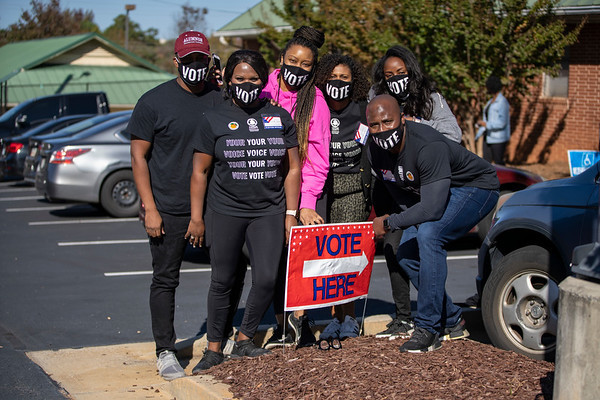
Salesforce also said it would invest $200 million and donate 1 million volunteer hours toward racial equality and justice over the next five years. To close the racial wealth gap, the company also set a goal to commit $100 million through its investment arm Salesforce Ventures to empower companies led by Black and underrepresented minority founders. And it said it would advocate for police reform, civic engagement, and economic empowerment policies.
Salesforce aims to blend ambitious targets with humility. “We are the first to recognize that we are not there yet,” Hyder said. “There is hard work in front of us to create an environment where everyone is truly seen, heard, valued, and empowered.”
Leaders open their checkbooks again and again at Camden Property Trust
When the economy tanked amid COVID lockdowns last year, Ric Campo and Keith Oden worried about their tenants’ money.
But not in the way you might expect from the cofounders of Camden Property Trust (No. 8), which owns and manages 165 apartment communities across the country.
Instead of focusing on whether residents could pay rents, Campo and Oden wondered how their tenants would make ends meet.
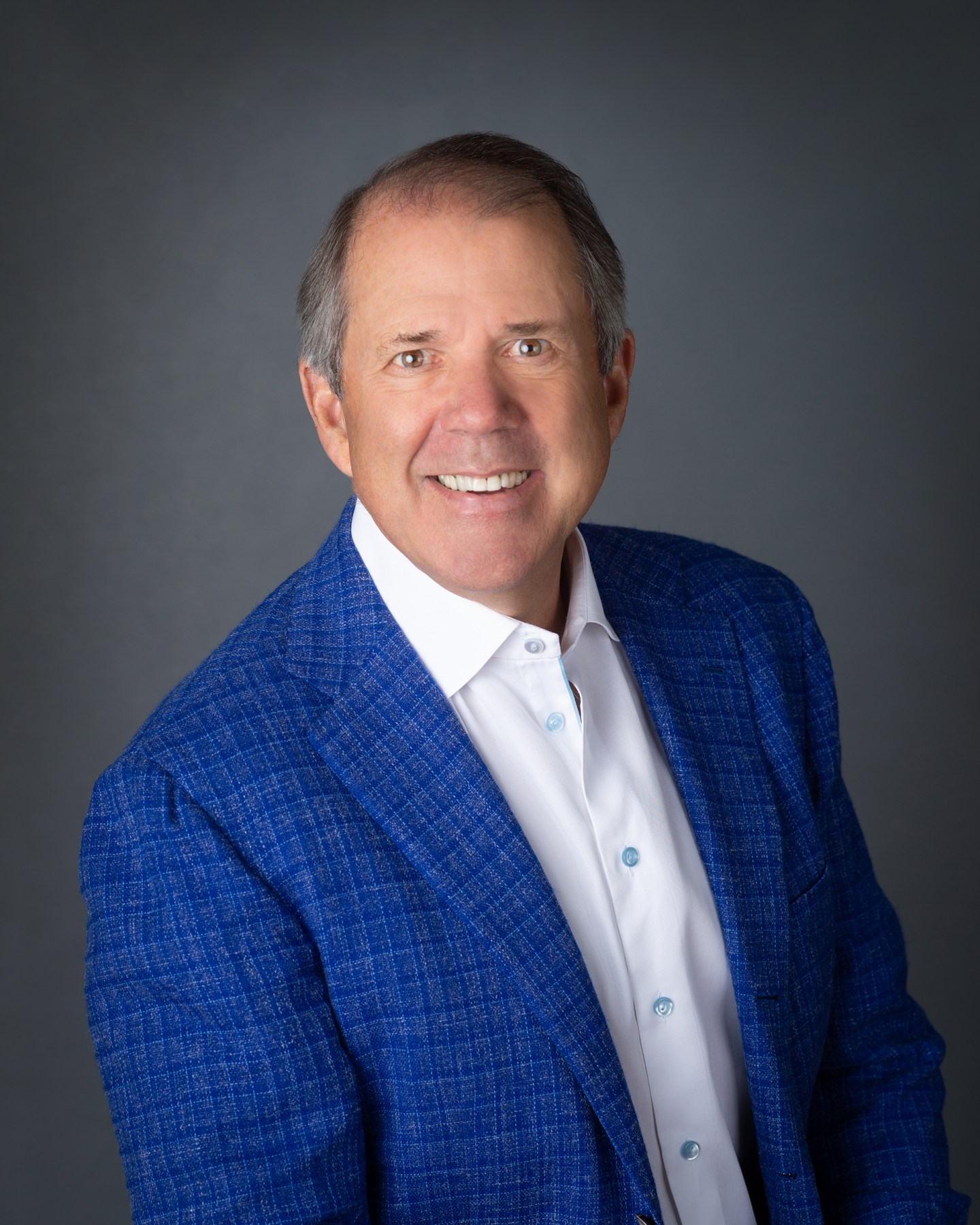
Campo, Camden’s chair of the board and CEO, and Oden, executive vice chair, figured government assistance would be coming down the pike. But they recognized many residents would struggle with rent payments and budgets for food and other life necessities.
So in April, they set up both a rent deferral program and a program for renters to apply for grants of up to $2,000.
“We just figured we needed to do something and do something in a big way, and we knew it would take money,” Campo said.
As a result, Campo and Oden donated funds from their upcoming bonuses—a total of $1 million.
Camden added to their contributions to establish a $5 million relief fund.
“It took us 16 minutes to give out $5 million,” Campo said.
So Camden added another $5.4 million to the fund.
Ultimately, 8,000 Camden residents benefitted from the grants. Hundreds wrote thank-you notes. One came from Samet and Cemille Demir, who live in a Camden community in College Park, Maryland. The couple wasn’t even sure they would be approved for a grant but said Camden’s gesture alone moved them deeply.
“Camden is a company for PEOPLE,” the Demirs wrote. “You see us not just as a dollar sign and our hearts are touched.”
Many residents asked for less than the $2,000. One person asked for $647.52—related to a car repair.
Oden said the thoughtfulness of the requests boosted his “faith in humanity.”
So did the care and dedication of Camden employees who continued to work on the front lines to ensure residents’ apartment homes were well maintained.
Camden put social distancing and other safety protocols in place. Still, when Campo and Oden made site visits last May, they saw the stress in the eyes of employees soldiering on.
Oden told Campo at the time: “We need to do something because of the risks and the sacrifices that these people are making onsite.”
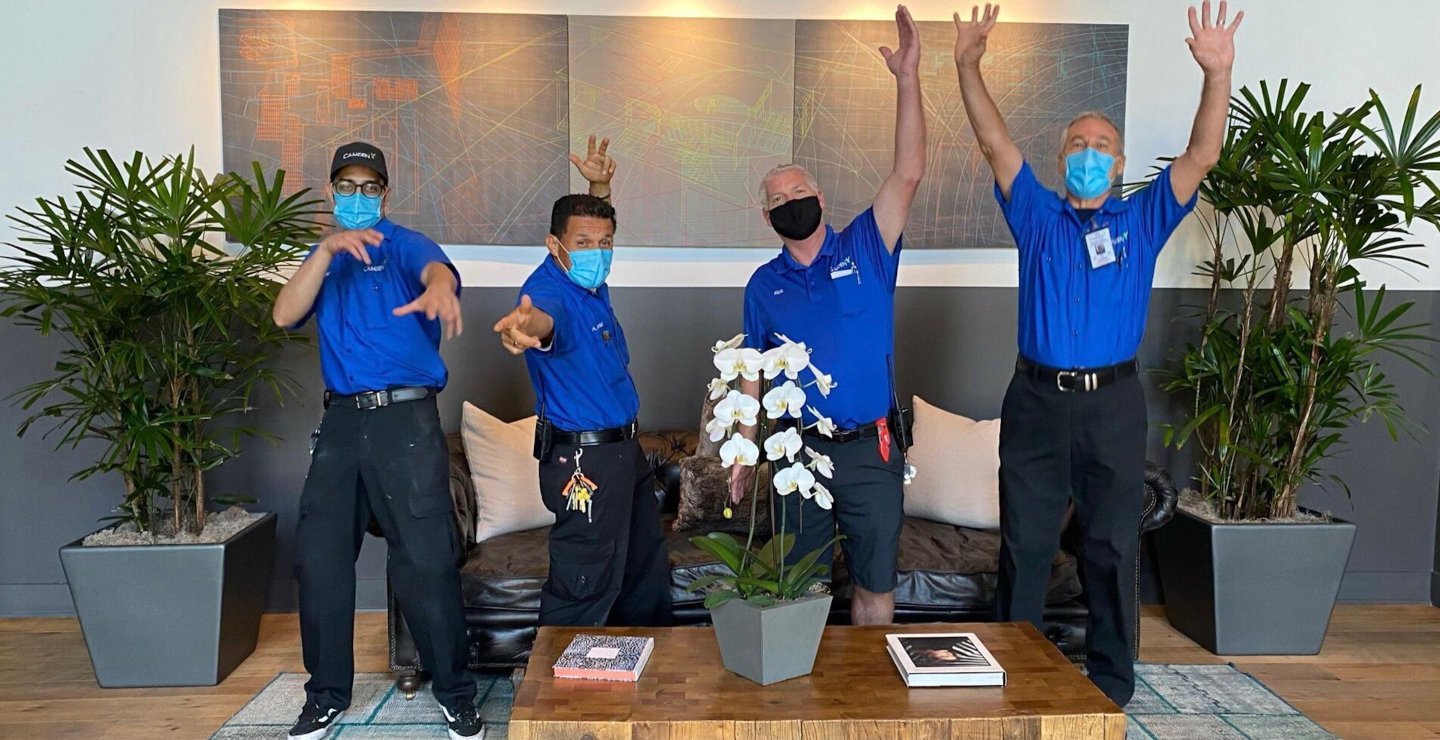
Camden opened its checkbook again—this time for bonuses of up to $2,000 for all front-line team members. About 1,400 employees got the cash reward. In addition, the company added $1 million to its long-standing Employee Emergency Relief Fund.
All the generosity last year accounted for 3% of Camden’s net operating income.
But to Campo and Oden, giving during a year of crises shouldn’t be viewed as an expense.
“It’s who we are,” Campo said. “It’s an investment in our customers, in our people, and in our brand.”
Texas Health Resources cares for staffers, who care for COVID patients
Hearts went out to couples who struggled with COVID at Texas Health Resources (No. 7) this past year.
It happened more than once at the health care system that serves Dallas and much of North Texas. And on two occasions involving severe COVID cases, the married pair wasn’t initially together—the two individuals had arrived at different locations in the Texas Health Resources system.
So staffers moved heaven and earth to make sure the partners were together. In one instance, 25 nurses and frontline caregivers collaborated to safely move one member of a couple to be next to the other “so that they could have a last goodbye,” said Barclay Berdan, CEO of Texas Health. The husband passed away with his wife by his side. The wife was later discharged from the hospital.
Hearing how the people he leads went above and beyond during a once-in-a-lifetime crisis continues to move Berdan.
“It’s not really just a job. For many, if not most, it’s a calling,” Berdan said. “I get choked up almost every day.”
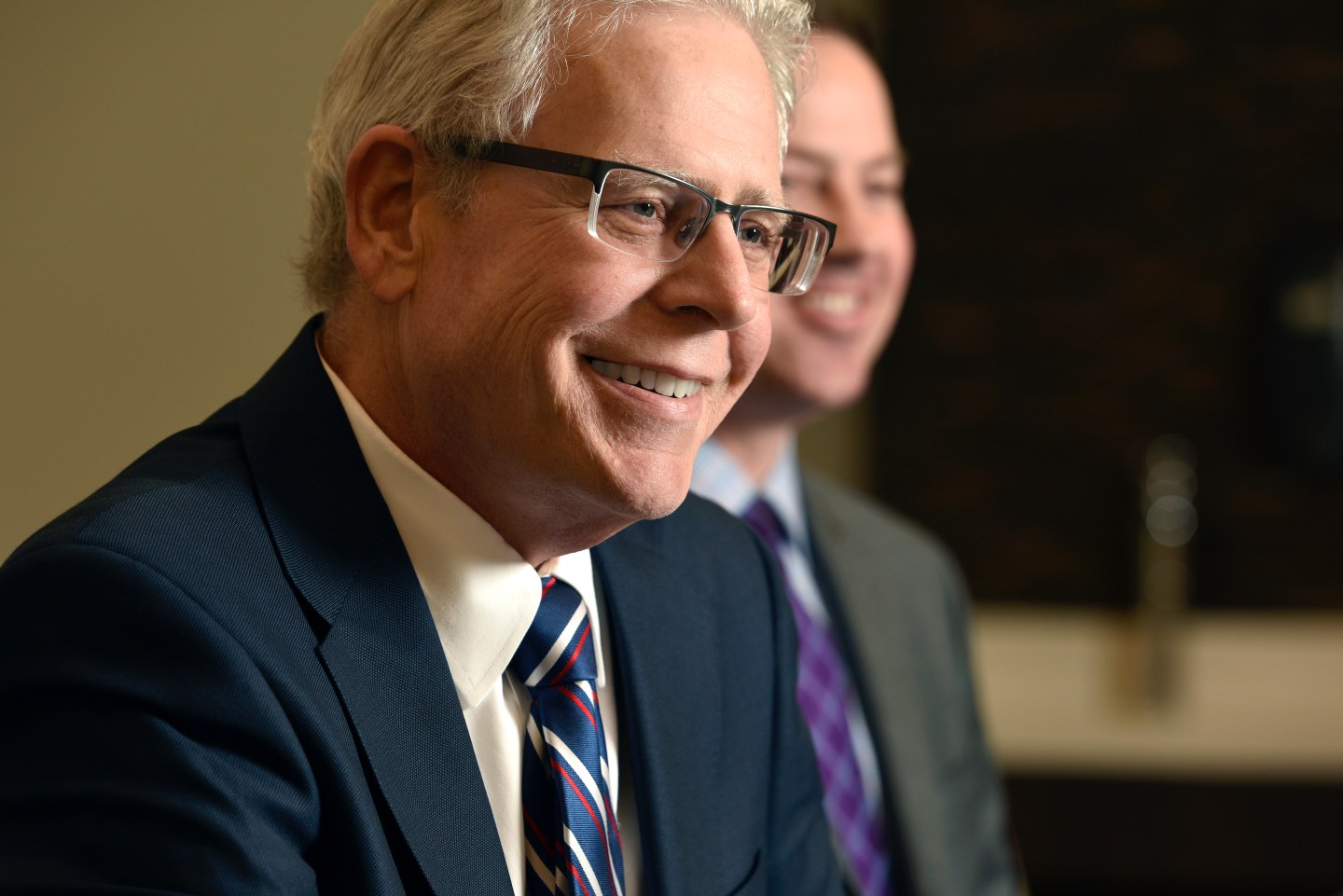
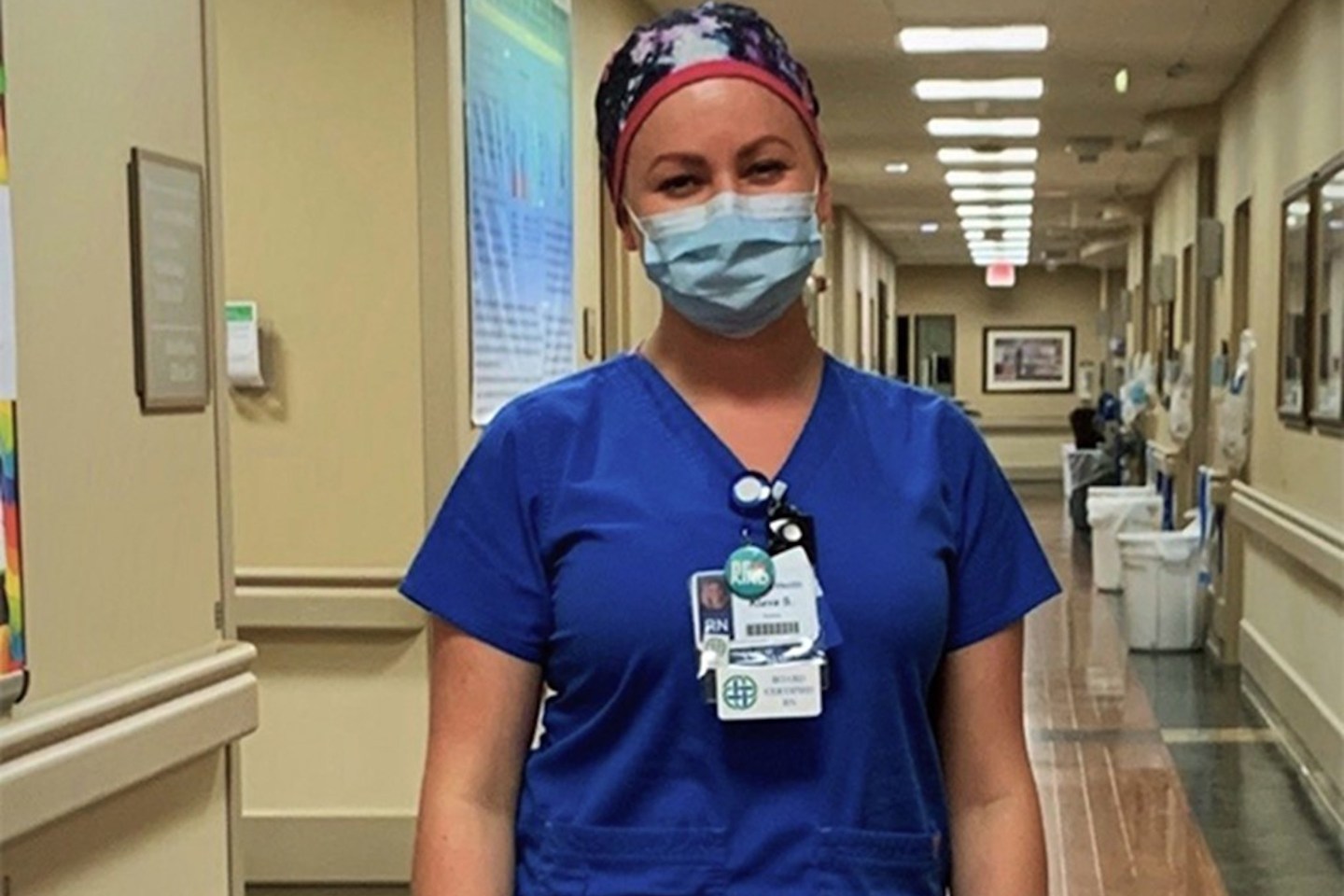
Berdan wasn’t just inspired by the dedication of his 23,000 employees on the front lines of the deadly pandemic. He and his leadership team took dramatic actions to care for staffers. And that care—including ongoing, fact-based communications about COVID—has rippled out into the North Texas community.
One of the first things Berdan did was guarantee the jobs of Texas Health employees. Paradoxically, the pandemic led to many layoffs in health care, as hospitals across the country suspended elective surgeries amid COVID. But Berdan and his team worked their financial models and increased available cash to nearly $1 billion—an amount that would enable the organization to operate fully staffed for several months.
Some of the employees whose work areas were shuttered, like outpatient therapy, took to delivering gowns, masks, and other personal protective equipment (PPE) throughout facilities and across the health care system. Thanks partly to their efforts, Texas Health never ran short of PPE—enabling the health system to ease staffers’ worries that they might contract COVID on the job.
Still, the pandemic was stressful for everyone. Disinformation about the disease was one of the problems causing anxiety among employees. To combat myths about COVID, mask-wearing, and related matters, Berdan began publishing videos as well as daily emails to update employees on topics including caseloads and the latest science on how to treat COVID.
Given how polarized the public conversation about the pandemic became, Berdan was asked to share his messages beyond the hospital system walls. In October, he began publishing a wider community newsletter—covering topics such as the effectiveness of COVID vaccines.
Berdan didn’t expect to play this role. But he felt called to serve as a truth-teller in a confusing time. “There was a leadership gap,” Berdan said. “People needed to step in and fill it.”
Rocket Companies to the rescue in Detroit
Jay Farner’s organization may have a Rocket in its name, but this past year, Rocket Companies (No. 5) helped build an ark—a room-for-everyone lifeboat that helped the entire city of Detroit navigate COVID.
The family of technology companies helped coordinate citywide COVID testing, enabled the production of millions of masks, and made sure Detroit’s public school students all had tablets and hotspots for remote learning. With other organizations including automakers Ford and GM, Rocket Companies led the way as the business community cared for the wider community in a difficult year.
In effect, Rocket Companies CEO Farner and the rest of the company’s leadership team took their status as Detroit’s biggest private-sector employer to heart as the pandemic hit. And the company responded with one big-hearted gesture after another.
“We were in a unique place to say, ‘we’re in good shape. What does everyone else need?’” Farner said.

Farner was being kind to fellow CEOs when Rocket was in a unique place, he said. Yes, Rocket found its financial footing soon after COVID hit. Revenues for 2020 more than tripled to nearly $16 billion as people turned to its digital platform for home lending needs amid lockdowns.
But other businesses also did well in 2020. And few matched the Rocket’s level of care for the community.
The company worked with the City of Detroit to develop the software infrastructure for and build a COVID testing site from scratch in five days in March. Rocket offered logistical support with call-center support and tents, released its software as open-source so other communities could use it, and enabled tests of over 1,000 patients daily.
What’s more, the Rocket Community Fund purchased machinery that can produce more than 500,000 masks per week.
And once it became clear that schools would be closed indefinitely last year, Rocket again zoomed into action. A 2019 University of Michigan study indicated that as many as 70% of the city’s school-aged children lacked internet access at home and ranked Detroit’s connectivity rate as the lowest nationally among large cities.
So Rocket joined forces with several other local companies and organizations to provide 50,000 students a tablet computer with high-speed internet connectivity. Every K-12 student in the Detroit Public School Community District received their new device before the end of the school year.
Rocket’s heroic actions were in keeping with founder Dan Gilbert’s vision of the business as “for more than profit.”
Great corporate citizenship can be great for business, Farner said. That’s partly because you fire up employees who are seeking meaning more than ever—a trend underscored by the experience of the pandemic and the all-for-one, one-for-spirit it sparked across the globe.
“There has to be a bigger ‘why’ than the paycheck,” Farner said.
How about a “why” as big as an ark to help a city survive a very rough year?
Michael C. Bush is the CEO of Great Place to Work and the co-author of A Great Place to Work For All.