Will the pandemic finally force the reinvention of the American hospital?
Many have questioned the logic of the old-fashioned institution in recent years, with its reliance on often expensive, fee-for-service care and in-person appointments.
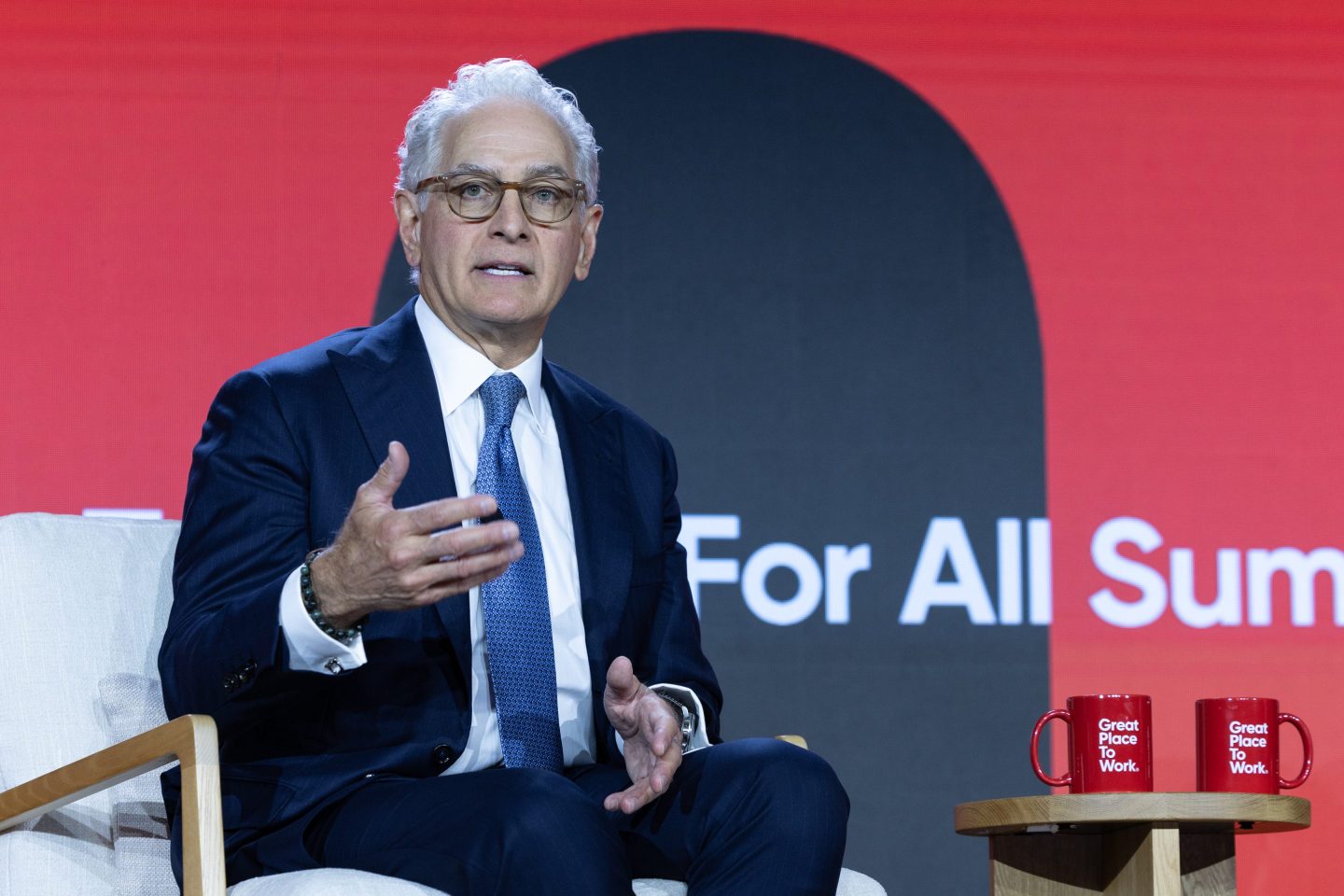
And COVID-19 has more or less blown the old logic up: At a time of national health crisis, hospitals are in financial straits, forced to furlough workers after losing revenue on elective surgeries and other procedures that require patients to be physically present. “The winners have been relatively few,” said Marc Harrison, president and CEO of Utah-based Intermountain Healthcare.
Experts, speaking at Fortune’s virtual Brainstorm Health conference Wednesday afternoon, say the moment is accelerating overdue change. Here’s what they expect from hospitals in the future:
Consumers will be more in control
“They’re asking for transparency, they’re asking for digital empowerment, they’re asking for affordability,” Harrison said, noting one in four Americans in the past year delayed care or forwent it entirely because they couldn’t afford it. “We also realized they want the power to keep themselves well,” meaning preventive care.
Harrison added: “This health care crisis has sharpened our focus on making all of those much more available to the people we’re meant to serve.”
Incentives will be realigned
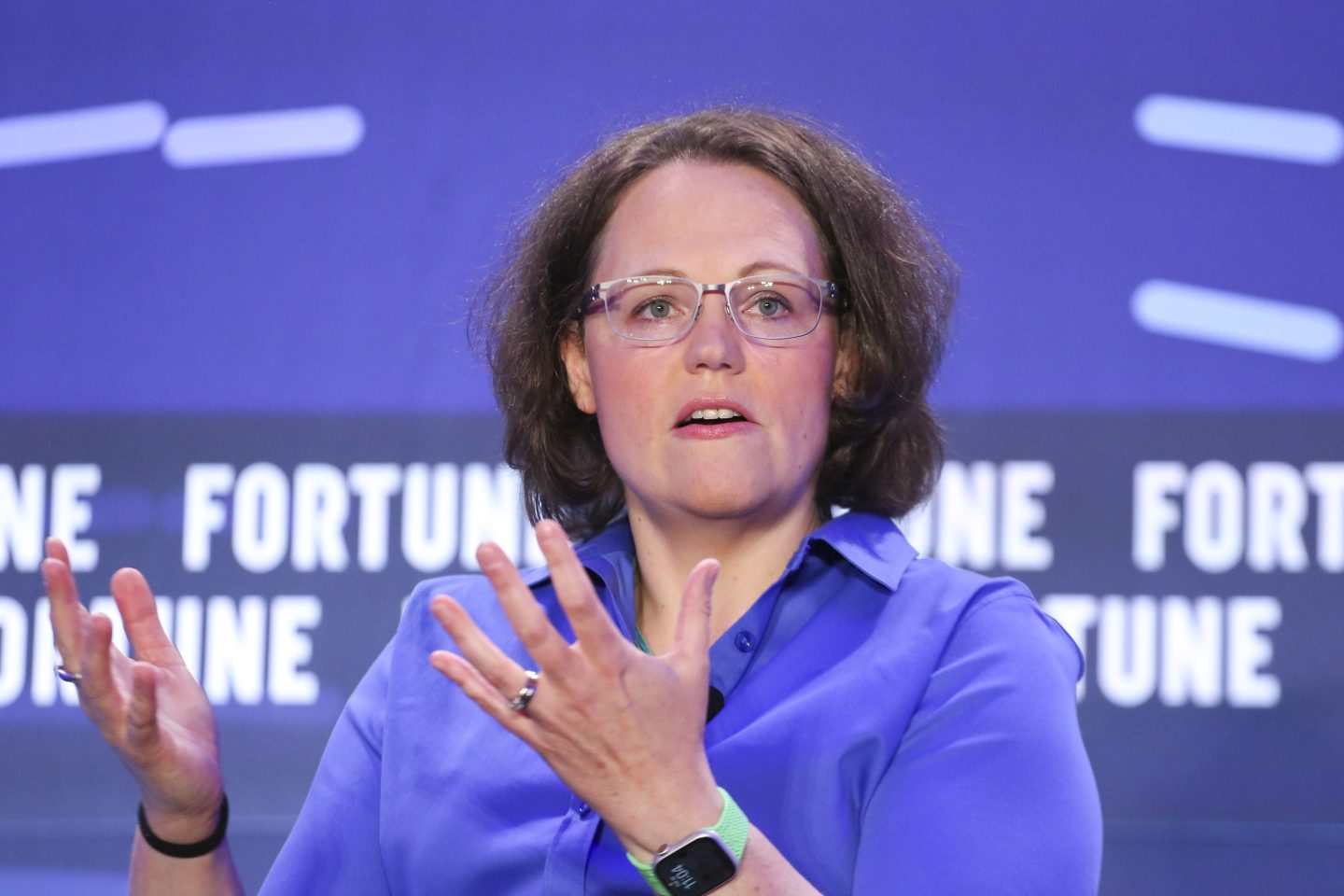
With the pandemic, “we’re seeing mental illness; we’re seeing chronic diseases and this balance happening where hospitals are not getting the revenue that is so essential for their operating margins. And people aren’t getting treated, they’re having heart attacks and strokes and diabetic emergencies at home,” said Kyu Rhee, a vice president and chief health officer at IBM. “We need to have a broad conversation. Shouldn’t hospitals be reimbursed for prevention as much as treatment?”
Paul King, president and CEO of Stanford Children’s Health, said he expects the current situation will help speed the transition to more managed care.
Health care will be anywhere and everywhere
Virtual appointments and telemedicine will play a much bigger role in hospital care. IBM’s Rhee said a recent study linked higher levels of telehealth with lower mortality rates at institutions.
“The acceleration of the medical home being the patient’s home—this crisis has pushed us further down that path than ever before,” King said, adding consumers will consequently think about health care choice more expansively.
“We’re here in Silicon Valley, we have some competitors regionally,” he continued. “But we’ve never thought of Boston or Philadelphia or Chicago or Miami being our competitors. Now, those providers are all just a click away. And alternatively, we’re just a click away from their market too.” King said talent will think more expansively about those options, as well.
But the competition will be kinder
The cutthroat, ever-consolidating nature of the hospital market hasn’t served consumers particularly well, but there is reason to think hospital systems are getting more comfortable with collaboration. “The opportunity is to get comfortable with the whole ‘frenemy’ relationship,” Harrison said. “We have a competitive system here in town. We have co-branded our drive-up testing sites, made sure there is no redundancy. We share PPE numbers, we’re load leveling between systems at this point, and we have harmonized all our clinical trials so people have consistent criteria for being admitted to them.”
Harrison added: “I think we’ll compete in the future in certain areas, but I’d love to continue to see this.”
King also considers this one of the pandemic’s silver linings. “We’ve seen a level of collaboration heretofore unseen, the amount of sharing of best practices in real time. We’ve been able to really stand up some capabilities that we would have said were impossible 12 weeks ago,” he noted. “That level of collaboration is part of the genie we don’t want to go back into the bottle.”
More coronavirus coverage from Fortune:
- Why Black-owned businesses were hit the hardest by the pandemic
- Pop-up retail was made for the pandemic
- How the coronavirus crisis has affected female founders
- The enduring history of health care inequality for Black Americans
- E-book reading is booming during the coronavirus pandemic