• Home
  • News
  • Fortune 500
  • Tech
  • Finance
  • Leadership
  • Lifestyle
  • Rankings
  • Multimedia
Commentary

PBMs Are Hogging Our Drug Discounts

By
Peter J. Pitts
Peter J. Pitts
Down Arrow Button Icon
By
Peter J. Pitts
Peter J. Pitts
Down Arrow Button Icon
August 28, 2018, 1:14 PM ET
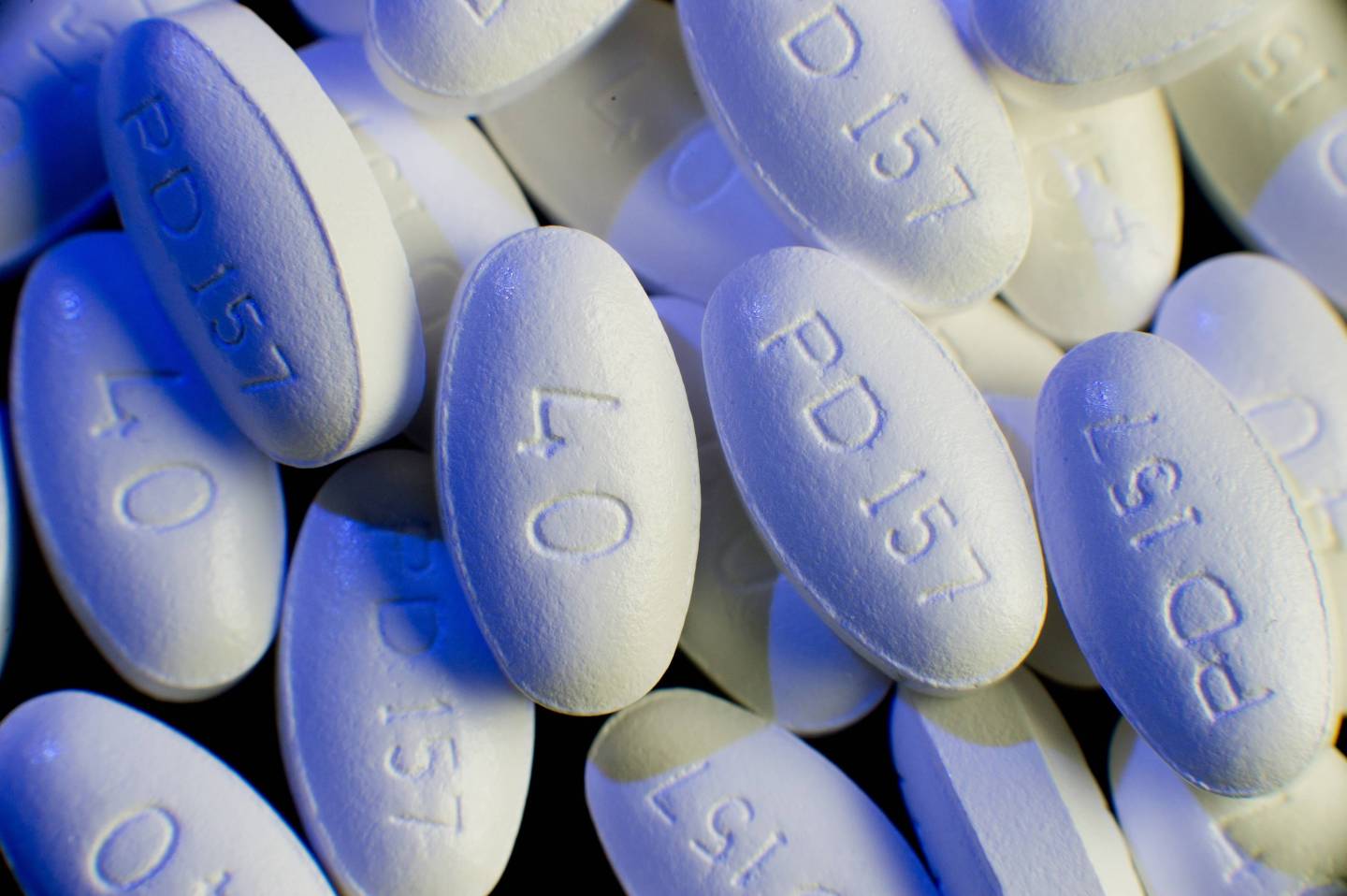
Lipitor tablets made by Pfizer and distributed by Parke-Davis are seen November 30, 2011 in Washington, DC.
Lipitor(atorvastain calcium) tablets made by Pfizer and distributed by Parke-Davis are seen November 30, 2011 in Washington, DC. Pfizer's patent on the best-selling drug of all-time, the cholesterol-lowering medication Lipitor, expired on November 30, 2011, opening the path to generic competitors for America's most popular medication. Lipitor came on the market in 1997, and has raked in some $100 billion for Pfizer even in a crowded market that includes various other cholesterol-lowering statins, many of which have already gone generic. In the United States, anti-cholesterol drugs account for 255 million prescriptions a year, and about nine million people are taking Lipitor. AFP Photo/Paul J. Richards (Photo credit should read PAUL J. RICHARDS/AFP/Getty Images)Paul J. Richards—AFP/Getty Images

The Trump administration has aimed a dagger at the heart of high pharmacy bills: the go-betweens in the supply chain that have been gouging insurers, drugmakers, and, most importantly, consumers.

Through its blueprint to reduce drug spending—called American Patients First—the administration has invited public comment on the role and responsibilities of pharmacy benefit managers, or PBMs. These are the mega-corporations that health insurers hire to administer their drug benefits.

Officials surely got an earful. In their role as go-betweens, PBMs negotiate big discounts from drugmakers. But rather than passing those savings on to insurers and consumers, they have found ways to pocket many of the proceeds for themselves.

The sums involved are huge. If just one-third of the total discounts PBMs negotiate for Medicare’s drug benefit were passed on to patients at the pharmacy counter, seniors and others in Medicare would have nearly $20 billion more in their pockets over the next decade. Indeed, the top three PBMs—Express Scripts, CVS Caremark, and OptumRx, who together control 75% of the market—collected more than $10 billion in profits in 2015.

How are PBMs generating such profits?

A recently leaked contract reveals the sordid details of the tactics PBMs use to secure savings for themselves.

First, PBMs tend to hog rebates. Drug manufacturers offer PBMs a percentage discount or negotiated “rebate” off a drug’s list price. In exchange, the PBM agrees to cover the drug under its affiliated insurance plans, thus making it available to more consumers.

The majority of rebate dollars should, in theory, flow back to health plans. Then the plans can pass those savings to patients in the form of lower premiums or out-of-pocket expenses.

But the leaked contract with Express Scripts, the nation’s largest PBM, gets crafty with its definition of “rebate.” (The contract was removed from the web after Express Scripts filed a copyright complaint.) The contract carves out so many exceptions to the “rebate” that the PBM itself ends up retaining most of the negotiated discounts for itself.

For instance, PBMs receive extra “inflation payments” from drug manufacturers to cover annual increases in a drug’s list price. But these payments are not classified as rebates. Similarly, PBMs charge drug companies “administrative fees,” “service fees,” and more for their services. But these fees also aren’t considered rebates. So PBMs don’t pass them along to health plans. They keep them all for themselves.

Second, the document reveals that Express Scripts uses cryptic algorithms to reclassify generic drugs as brand name drugs. Drugmakers usually offer higher discounts for generics than they do for brand drugs. If a PBM gets a big discount on a generic drug, and then reclassifies it as a brand drug, it avoids passing along the full discount to the health plan it’s representing. The PBM essentially buys the drug low, sells it high, and pockets the excess.

Third, PBMs underpay pharmacists. They do this by determining how much to pay pharmacies for prescription drugs and how much to charge health plans for the same drug, according to something called a Maximum Allowable Cost, or MAC. MACs, however, allow PBMs to charge health plans far more than what they pay pharmacies. It’s the pharmacies—particularly independent, non-chain stores—that are hit especially hard by this practice. They wield little negotiating power to change specific terms of PBM contracts.

And if the pharmacy owners want to complain? The contracts may contain a silencing clause—as the leaked contract did—that prohibits parties from making derogatory statements about PBMs.

PBMs are knowingly profiting off the backs of American patients, pharmacists, and innovators. It’s time for them to change their shady practices—and pass on discounts to patients. The sunlight the Trump administration is calling for will be a great disinfectant.

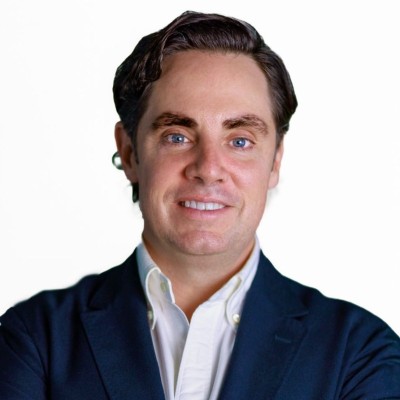
Peter J. Pitts, a former Food and Drug Administration associate commissioner, is president of the Center for Medicine in the Public Interest.


About the Author
By Peter J. Pitts
See full bioRight Arrow Button Icon

Latest in Commentary

Amit Walia
CommentaryM&A
Why the timing was right for Salesforce’s $8 billion acquisition of Informatica — and for the opportunities ahead
By Amit WaliaDecember 6, 2025
22 hours ago
Steve Milton is the CEO of Chain, a culinary-led pop-culture experience company founded by B.J. Novak and backed by Studio Ramsay Global.
CommentaryFood and drink
Affordability isn’t enough. Fast-casual restaurants need a fandom-first approach
By Steve MiltonDecember 5, 2025
2 days ago
Paul Atkins
CommentaryCorporate Governance
Turning public companies into private companies: the SEC’s retreat from transparency and accountability
By Andrew BeharDecember 5, 2025
2 days ago
Matt Rogers
CommentaryInfrastructure
I built the first iPhone with Steve Jobs. The AI industry is at risk of repeating an early smartphone mistake
By Matt RogersDecember 4, 2025
3 days ago
Jerome Powell
CommentaryFederal Reserve
Fed officials like the mystique of being seen as financial technocrats, but it’s time to demystify the central bank
By Alexander William SalterDecember 4, 2025
3 days ago
Rakesh Kumar
CommentarySemiconductors
China does not need Nvidia chips in the AI war — export controls only pushed it to build its own AI machine
By Rakesh KumarDecember 3, 2025
4 days ago

Most Popular

placeholder alt text
AI
Nvidia CEO says data centers take about 3 years to construct in the U.S., while in China 'they can build a hospital in a weekend'
By Nino PaoliDecember 6, 2025
17 hours ago
placeholder alt text
Big Tech
Mark Zuckerberg rebranded Facebook for the metaverse. Four years and $70 billion in losses later, he’s moving on
By Eva RoytburgDecember 5, 2025
2 days ago
placeholder alt text
Real Estate
The 'Great Housing Reset' is coming: Income growth will outpace home-price growth in 2026, Redfin forecasts
By Nino PaoliDecember 6, 2025
23 hours ago
placeholder alt text
Economy
The most likely solution to the U.S. debt crisis is severe austerity triggered by a fiscal calamity, former White House economic adviser says
By Jason MaDecember 6, 2025
13 hours ago
placeholder alt text
Success
Nvidia CEO Jensen Huang admits he works 7 days a week, including holidays, in a constant 'state of anxiety' out of fear of going bankrupt
By Jessica CoacciDecember 4, 2025
3 days ago
placeholder alt text
Asia
Despite their ‘no limits’ friendship, Russia is paying a nearly 90% markup on sanctioned goods from China—compared with 9% from other countries
By Jason MaNovember 29, 2025
7 days ago
Rankings
  • 100 Best Companies
  • Fortune 500
  • Global 500
  • Fortune 500 Europe
  • Most Powerful Women
  • Future 50
  • World’s Most Admired Companies
  • See All Rankings
Sections
  • Finance
  • Leadership
  • Success
  • Tech
  • Asia
  • Europe
  • Environment
  • Fortune Crypto
  • Health
  • Retail
  • Lifestyle
  • Politics
  • Newsletters
  • Magazine
  • Features
  • Commentary
  • Mpw
  • CEO Initiative
  • Conferences
  • Personal Finance
  • Education
Customer Support
  • Frequently Asked Questions
  • Customer Service Portal
  • Privacy Policy
  • Terms Of Use
  • Single Issues For Purchase
  • International Print
Commercial Services
  • Advertising
  • Fortune Brand Studio
  • Fortune Analytics
  • Fortune Conferences
  • Business Development
About Us
  • About Us
  • Editorial Calendar
  • Press Center
  • Work At Fortune
  • Diversity And Inclusion
  • Terms And Conditions
  • Site Map

© 2025 Fortune Media IP Limited. All Rights Reserved. Use of this site constitutes acceptance of our Terms of Use and Privacy Policy | CA Notice at Collection and Privacy Notice | Do Not Sell/Share My Personal Information
FORTUNE is a trademark of Fortune Media IP Limited, registered in the U.S. and other countries. FORTUNE may receive compensation for some links to products and services on this website. Offers may be subject to change without notice.