• Home
  • News
  • Fortune 500
  • Tech
  • Finance
  • Leadership
  • Lifestyle
  • Rankings
  • Multimedia
HealthHealth

15 Ways Food Companies Try to Convince You Their Packaged Products Are ‘Natural’

By
Laura Entis
Laura Entis
Down Arrow Button Icon
By
Laura Entis
Laura Entis
Down Arrow Button Icon
August 9, 2017, 10:12 AM ET

Browse the shelves at your local grocery store, and you’ll find highly-processed product after highly-processed product marketing itself as a natural option.

This is communicated in a variety of ways. Terms such as “whole,” “real,” and “fresh” are liberally used, as are references to farmers and harvests. But one of the most popular strategies is also the most straight-forward: sales for products containing the term “natural” rose from $29.6 billion in the 52 weeks ending July 6, 2013 to $43.7 billion in the 52 weeks ending July 1, 2017, according to data from Nielsen.

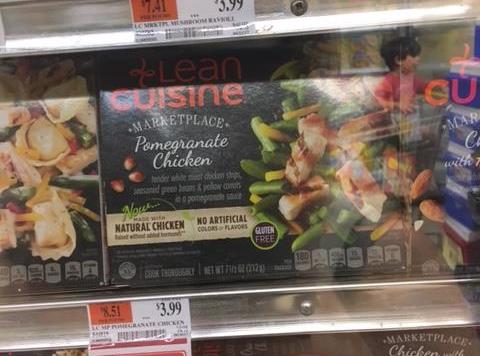
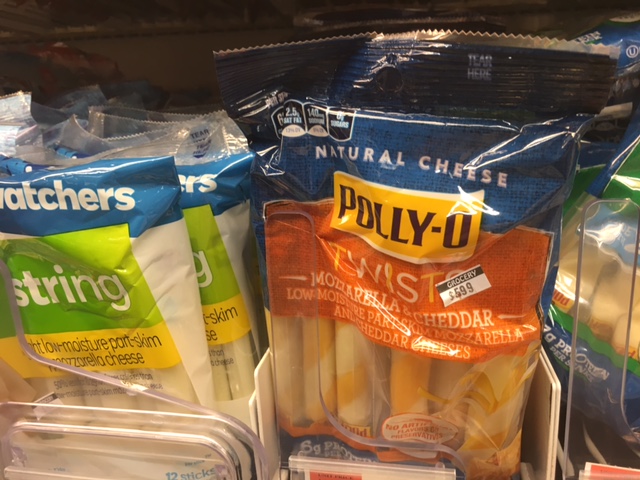
A quick visit to my neighborhood supermarket bore this out. String cheese packages were stamped with the term “natural,” as were containers of frozen gluten-free chicken nuggets. The word, while frequently used on its own (“100% Natural,” and “All Natural”), was also deployed to describe flavors, colors, sources, even carbonation.

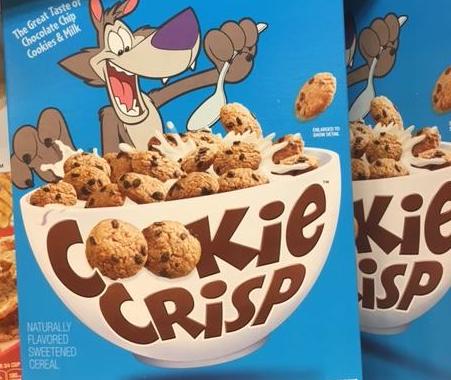
So — what does natural actually mean? And why are companies allowed to use it to describe everything from boxes of Cookie Crisp cereal to bottles of raspberry iced tea?

The short answer: natural doesn’t mean much of anything. “You may think it means straight from the earth or tree, but not a chance,” Marion Nestle, a professor of nutrition at New York University, told Fortune in an email. The FDA hasn’t established a formal definition of the term (it is currently reviewing comments from the public). As it stands, the agency advises that “natural” only be used to describe products for which “nothing artificial or synthetic (including all color additives regardless of source) has been included in, or has been added to, a food that would not normally be expected to be in that food.” These parameters are broad (processed foods fall under the “natural” umbrella) and ambiguous (what does “not normally be expected to be in that food” mean, exactly?). They’re also largely besides the point: at the moment, the FDA doesn’t have the legal authority to intervene even if a company violates its definition of natural.

Still, in the wake of the FDA’s indecision, a number of class action lawsuits have been brought against companies for labeling products “all natural” that contain synthetic, artificial, or GMO ingredients. As a result, some major food manufacturers have preemptively stopped using the term — only to start using similar claims.

Even if the FDA puts its foot down, “companies are always going to be able to find a new synonym or creative marketing term” that doesn’t run afoul of regulations, says Margaret Pollan, an assistant professor of environmental food law at Pace Law School.

It’s a glorified game of whack-a-mole, which is why she doesn’t think the solution lies with a stricter definition of the term “natural.” Instead, she believes the government — along with advocacy groups — needs to do a better job helping consumers understand that most marketing claims, particularly those used on packaged, processed food, mean very little.

Below, a sample of ambiguous marketing claims, all working to convince you that packaged food is “real” and “natural.”

“Natural”
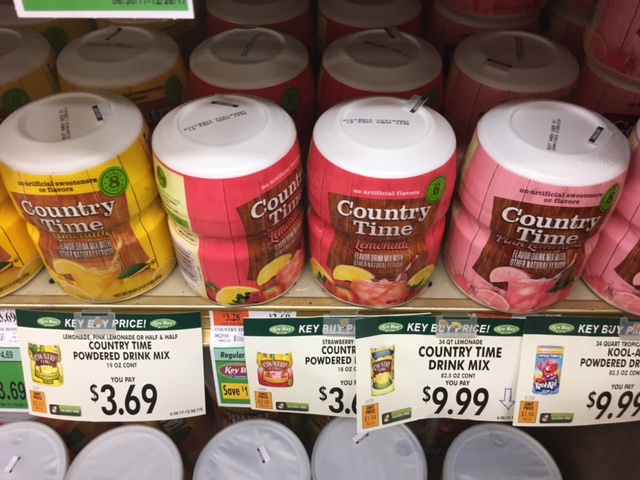
“Color & flavor from natural sources”
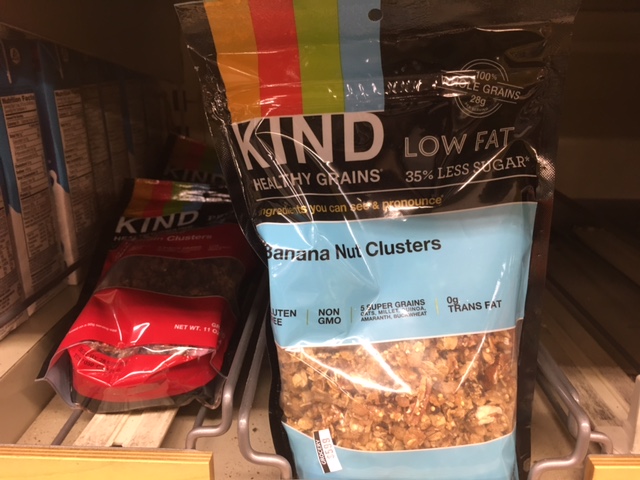
“Healthy grains” + “Ingredients you can pronounce”
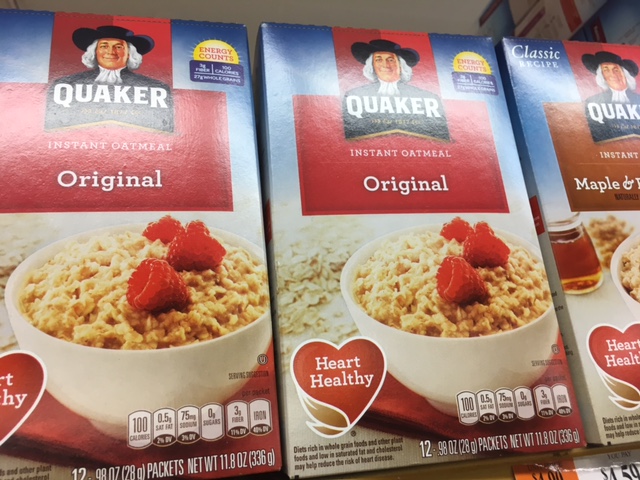
“Heart healthy”
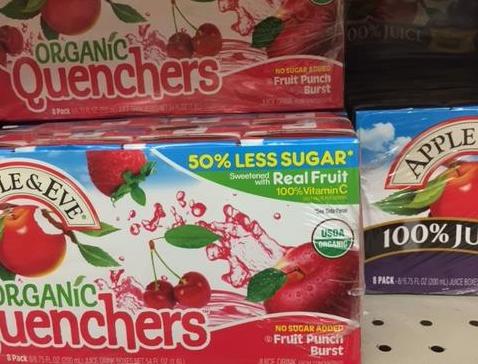
“Sweetened with real fruit”
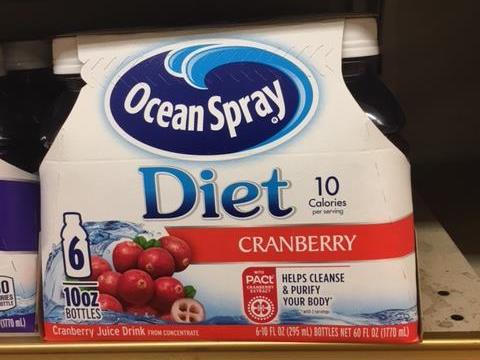
“Helps cleanse & purify your body”
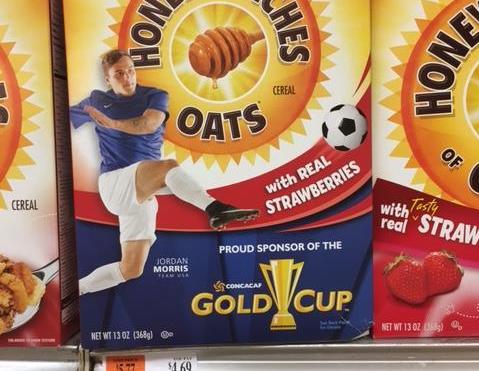
“With real strawberries”
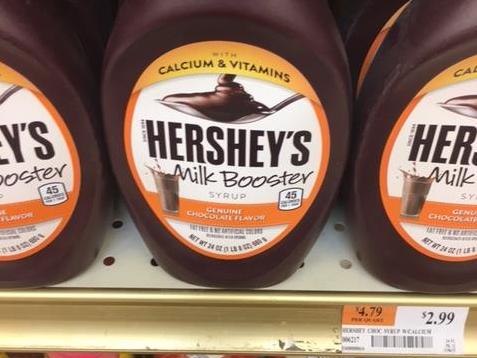
“Genuine chocolate flavor”
“Naturally flavored sweetened cereal”
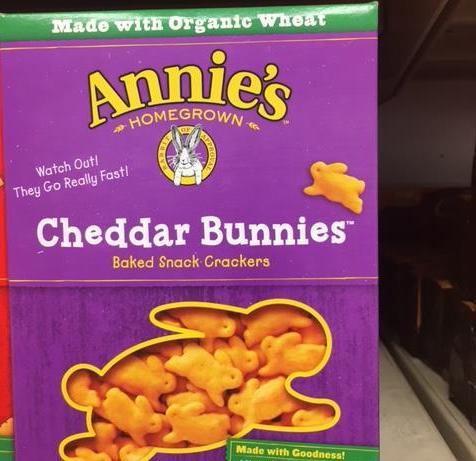
“Baked with real cheese”
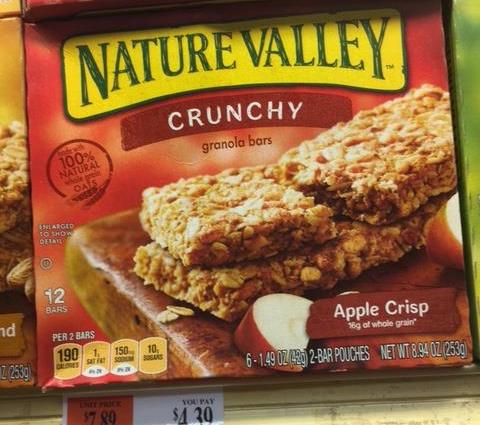
“100% natural”
“Genuine chocolate flavor”

“Chef’s pick”
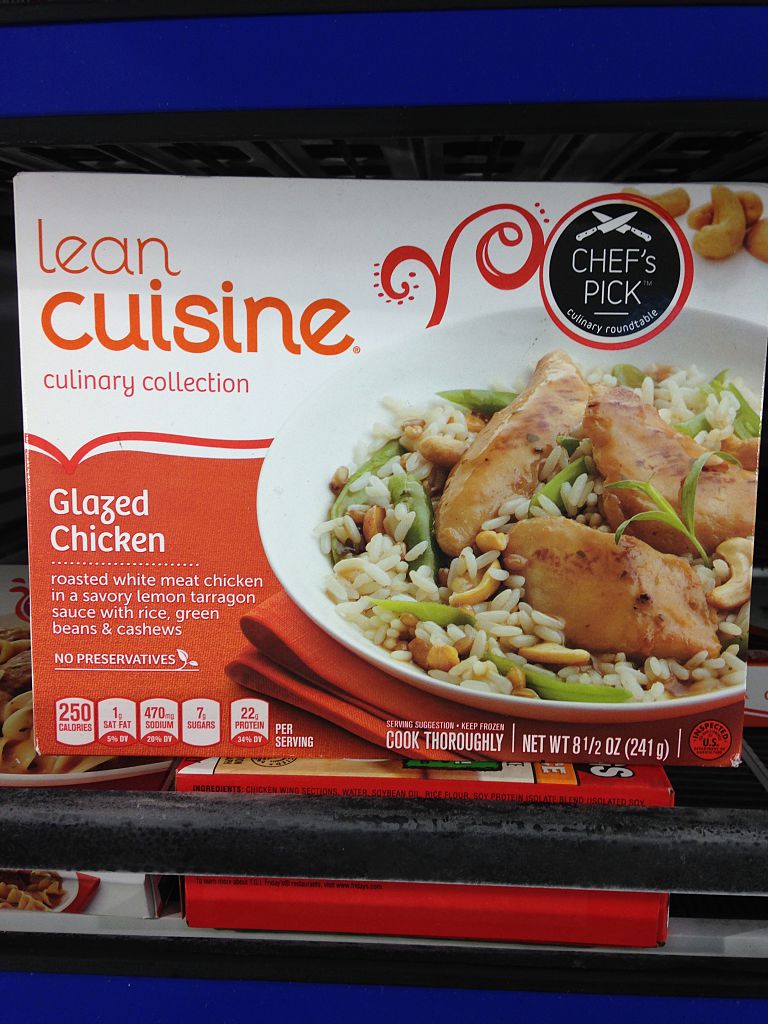
Food Packaged
Lean Cuisine culinary collectionLaura Kalcheff Moment Editorial/Getty Images
Laura Kalcheff Moment Editorial/Getty Images

“Made with natural chicken”

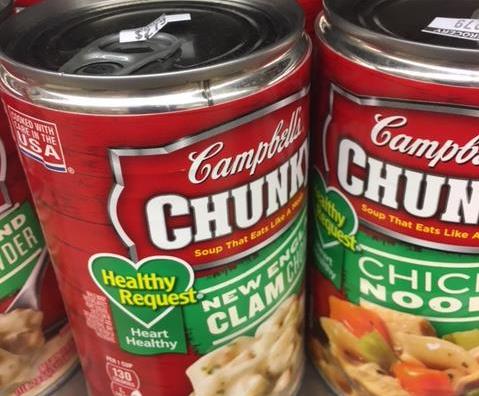
“Healthy request”
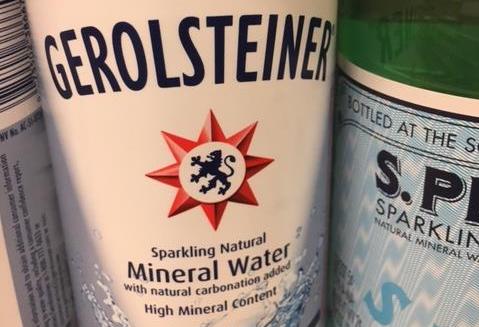
“With natural carbonation added”
About the Author
By Laura Entis
See full bioRight Arrow Button Icon

Latest in Health

Workplace CultureSports
Exclusive: Billionaire Michele Kang launches $25 million U.S. Soccer institute that promises to transform the future of women’s sports
By Emma HinchliffeDecember 2, 2025
20 hours ago
North Americaphilanthropy
Anonymous $50 million donation helps cover the next 50 years of tuition for medical lab science students at University of Washington
By The Associated PressDecember 2, 2025
1 day ago
Trump
PoliticsWhite House
Trump had MRI on heart and abdomen and it was ‘perfectly normal,’ doctor says
By The Associated PressDecember 2, 2025
1 day ago
Medical Glasses
InnovationNews
New FDA-approved glasses can slow nearsightedness in kids
By The Associated Press and Matthew PerroneDecember 1, 2025
2 days ago
Luigi Mangione
LawNews
Luigi Mangione watches footage of cops approaching him at Altoona McDonald’s as courtroom hearings commence
By Michael R. Sisak and The Associated PressDecember 1, 2025
2 days ago
Our testers trying out a Nectar mattress.
Healthmattresses
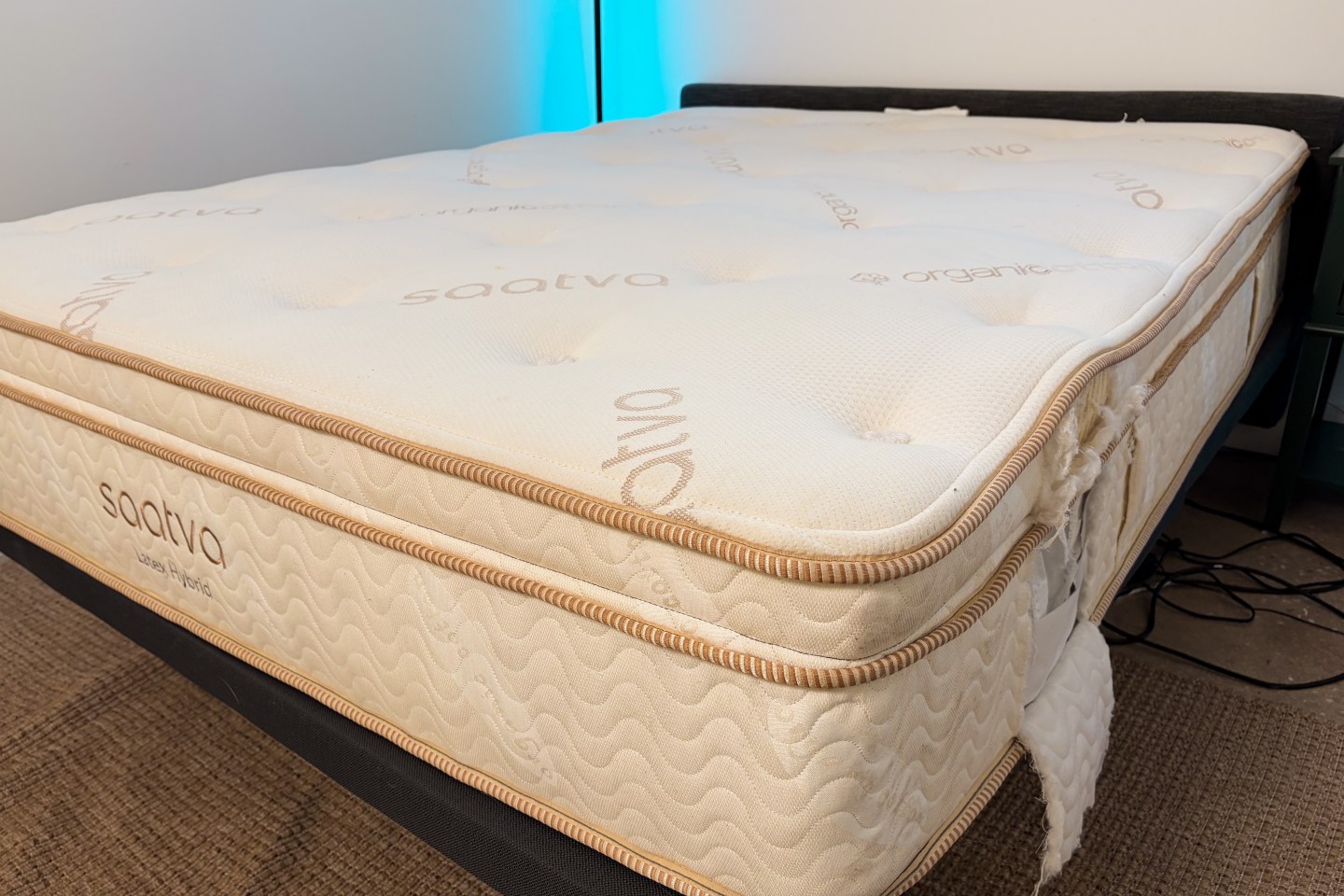
Best Cyber Monday Mattress Deals of 2025: Saatva, Helix, and More
By Christina SnyderDecember 1, 2025
2 days ago

Most Popular

placeholder alt text
Economy
Ford workers told their CEO 'none of the young people want to work here.' So Jim Farley took a page out of the founder's playbook
By Sasha RogelbergNovember 28, 2025
5 days ago
placeholder alt text
North America
Jeff Bezos and Lauren Sánchez Bezos commit $102.5 million to organizations combating homelessness across the U.S.: ‘This is just the beginning’
By Sydney LakeDecember 2, 2025
23 hours ago
placeholder alt text
Success
Warren Buffett used to give his family $10,000 each at Christmas—but when he saw how fast they were spending it, he started buying them shares instead
By Eleanor PringleDecember 2, 2025
1 day ago
placeholder alt text
Economy
Elon Musk says he warned Trump against tariffs, which U.S. manufacturers blame for a turn to more offshoring and diminishing American factory jobs
By Sasha RogelbergDecember 2, 2025
22 hours ago
placeholder alt text
C-Suite
MacKenzie Scott's $19 billion donations have turned philanthropy on its head—why her style of giving actually works
By Sydney LakeDecember 2, 2025
1 day ago
placeholder alt text
North America
Anonymous $50 million donation helps cover the next 50 years of tuition for medical lab science students at University of Washington
By The Associated PressDecember 2, 2025
1 day ago
Rankings
  • 100 Best Companies
  • Fortune 500
  • Global 500
  • Fortune 500 Europe
  • Most Powerful Women
  • Future 50
  • World’s Most Admired Companies
  • See All Rankings
Sections
  • Finance
  • Leadership
  • Success
  • Tech
  • Asia
  • Europe
  • Environment
  • Fortune Crypto
  • Health
  • Retail
  • Lifestyle
  • Politics
  • Newsletters
  • Magazine
  • Features
  • Commentary
  • Mpw
  • CEO Initiative
  • Conferences
  • Personal Finance
  • Education
Customer Support
  • Frequently Asked Questions
  • Customer Service Portal
  • Privacy Policy
  • Terms Of Use
  • Single Issues For Purchase
  • International Print
Commercial Services
  • Advertising
  • Fortune Brand Studio
  • Fortune Analytics
  • Fortune Conferences
  • Business Development
About Us
  • About Us
  • Editorial Calendar
  • Press Center
  • Work At Fortune
  • Diversity And Inclusion
  • Terms And Conditions
  • Site Map

© 2025 Fortune Media IP Limited. All Rights Reserved. Use of this site constitutes acceptance of our Terms of Use and Privacy Policy | CA Notice at Collection and Privacy Notice | Do Not Sell/Share My Personal Information
FORTUNE is a trademark of Fortune Media IP Limited, registered in the U.S. and other countries. FORTUNE may receive compensation for some links to products and services on this website. Offers may be subject to change without notice.