On Thursday, U.S. Secretary of State John Kerry, speaking at a World Bank event, urged world governments to build better Internet connectivity. He was specifically promoting a U.S. plan to bring 1.5 billion people who currently lack Internet access online by 2020. Kerry said 3 out of 5 people worldwide are now without access, which he called “unacceptable.”
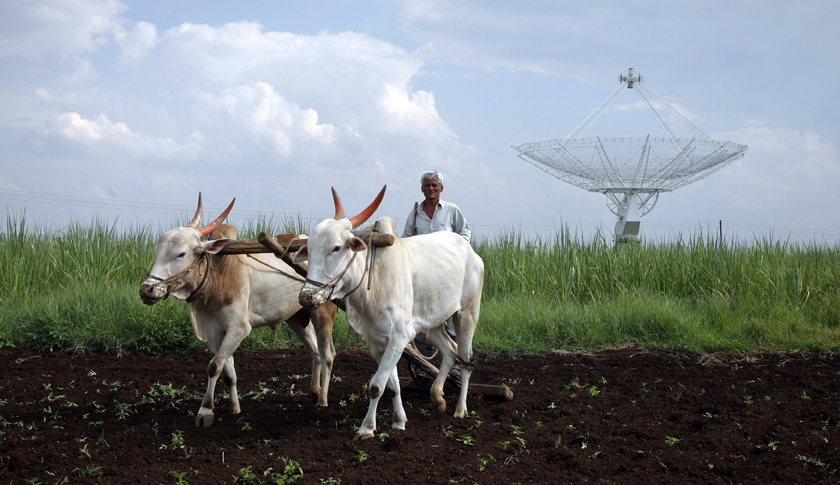
It’s an urgent problem, because Internet access can have profound transformative effects even at the far margins of the global economy. Subsistence farmers can find better prices for crops, banking becomes more accessible, and of course educational opportunity multiplies. The World Bank has said that for every 10% rise in high-speed Internet access, a country’s GDP grows by up to 2%.
Get Data Sheet, Fortune’s technology newsletter.
Expanding global Internet access also, of course, has potentially huge benefits for international businesses. Facebook has made troubled attempts to expand Internet access through its Free Basics program, which opponents have said is less about helping the poor than acquiring customers.
The radical expansion of Internet access the State Department is promoting is going to take work on many fronts. But IEEE Spectrum’s Amy Nordrum reports that one of the most important potential solutions under consideration is the use of so-called “white space” in what is now the broadcast TV spectrum. These were former buffer zones between TV frequencies, which aren’t needed any longer because of the transition to digital broadcasting, and can be used for wireless Internet—though there are still legal hurdles to that particular solution.
For more on tech in the developing world, watch:
Nonetheless, a lot of the expansion is going to require using existing technology. Toward that end, Kerry on Thursday said the U.S. Overseas Private Investment Corporation would provide up to $171 million for a wireless network in India. He announced that the total funding on its way from the U.S. and its development partners was more than $1 billion.
But speaking to Science Friday this week, Nordrum cited World Bank estimates that the actual cost to reach the kind of expansion the U.S. is calling for would be much, much bigger—$450 billion. Even with a little help from the U.S., it seems, the developing world may still have a long wait to log on.