Technology has made commerce in services simpler than ever before. Smartphones, wireless broadband and a host of entrepreneurial offerings have placed a new suite of on-demand services – from transportation to housekeeping to grocery delivery – in the palm of our hands at low cost and great convenience. For workers, the rise of the so-called “gig” economy may be highly beneficial, offering new sources of flexible work that can often, if necessary, be cobbled together to generate the equivalent of full-time earnings – much needed in the wake of the Great Recession. It can also be daunting – even alarming – as traditional jobs and the associated benefits are progressively replaced by these new forms of work.
Rather than a job at a store or factory, work can now be chopped up into pieces that look more like tasks or projects. As a consequence, the nature of work could well be in the process of a fundamental change from an industrial era concept to a new 21st century, information era construct. This may represent the biggest change in the nature of work and incomes in the United States since women entered the workforce in droves in the 1970s. It could also represent a complex challenge to the public policies associated with employment,many of which were originally crafted in the 1930s to protect workers and their families in another time of profound economic change.
We’ve already seen rapid growth in the number of workers unmoored from a single place of full-time work. U.S. government data confirm that 27.5 million people – nearly 20% of workers – currently work part-time, including almost 7 million of them wanting but not finding full-time jobs, and over 5 million people holding multiple jobs. In a 2014 survey, the Freelancers Union estimated that there are as many as 50 million freelance workers, representing nearly one-third of the nation’s workforce – including more than 26 million that are contractors or temporary workers plus nearly 24 million that moonlight or supplement their incomes with independent work.
These fundamental shifts in the nature of work – driven not just by technology but also by globalization and the attendant transition to a services-intensive economy – call for a new dialogue. We need to listen both to entrepreneurs who are quick to emphasize the benefits and to workers who understandably fear the consequences. These trends are too powerful to be reversed but their downside – particularly for low- skill workers – must be addressed.
A new report from the Inclusive Prosperity Commission (IPC), on which I served and which was convened by the Center for American Progress, calls for policymakers to grapple with the changing nature of these new work patterns and relationships. We of course want to nurture the sharing economy – pioneered by companies like Uber, Airbnb, TaskRabbit and many others – because it has the potential to increase consumer welfare, foster company formation, generate good work, raise living standards and propel economic growth. However, we also ought to ensure that worker protections are adapted in ways that reflect these tectonic shifts.
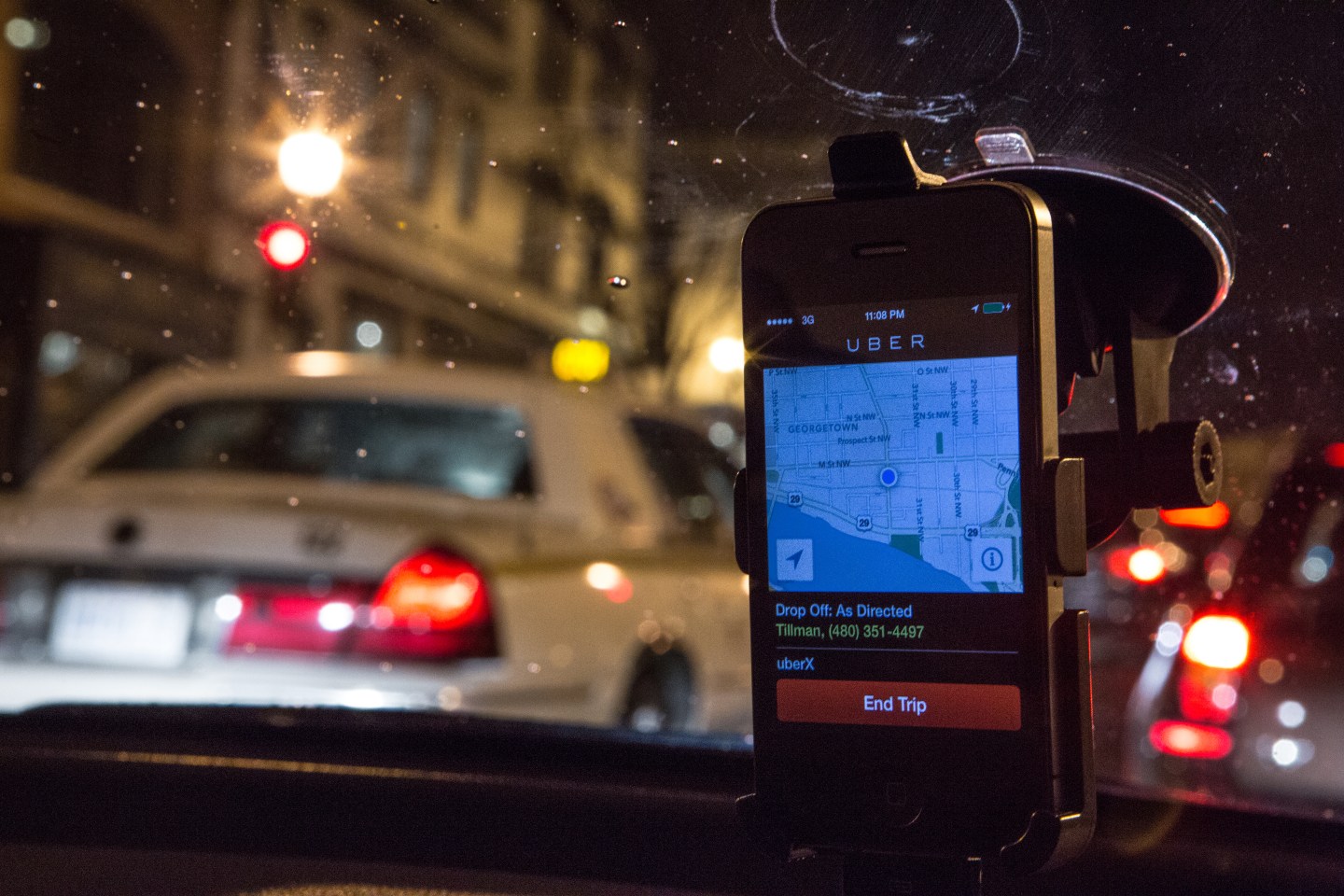
This new model can have clear benefits for workers, including higher wages and increased flexibility. For example, Uber – which employed 160,000 people by the end of 2014 – allows its drivers to make $4 to $10 more per hour than taxi drivers and chauffeurs in the same markets, according to a study commissioned by the company. For unemployed workers, the gig economy can be an entry point into the job market. For workers who already have a job, a side gig can supplement their full-time income. For under-employed people, many new services enable them to extract income from the “excess capacity” in their homes, cars and other personal belongings.
But as we explain in the IPC report, there are potential pitfalls for workers as well. Some gig economy companies shift overhead and risk to their independent workers (as well as to their customers), the burden of which can materially erode workers’ take-home pay. Current law allows these new companies to free-ride on the social safety net, which is supported by contributions from traditional employers, by avoiding payments to Social Security, workmen’s compensation and unemployment insurance – not to mention skirting OSHA, overtime, and other labor regulations.
In response to criticism of these practices, some companies have begun to offer a modicum of benefits and protections. TaskRabbit – an online portal to cleaning, handyman, moving, and personal assistant services that employs up to 30,000 contractors in 19 cities –has adopted a $15 an hour minimum wage, secured a $1 million insurance policy to cover clients as well as contractors, and offered discounted health insurance and accounting services. Similarly, a personal delivery company called Favor has reportedly started giving workers longer shifts and guaranteeing a $9 minimum wage. And, Lyft, a car sharing service, is partnering with the Freelancers Union – a 250,000-member labor organization that represents independent workers – to help employees access benefits like health and life insurance.
Interestingly, the Affordable Care Act (ACA) has facilitated the rise of the gig economy. Before the ACA, many workers were often stuck in jobs which were not necessarily the highest and best use of their skills because they were tethered to their employer-sponsored health plans. The ACA has significantly reduced the friction and increased the mobility in our labor markets by making it possible – and affordable – for independent workers to secure good health care for their families.
Many of my fellow commissioners on the IPC argue that, to protect workers and consumers in this new economy, we can’t simply rely on companies to police themselves. They believe that, in addition to skills training necessary to prepare workers to prosper in the new economy, we need updated labor policies that react to these rapid changes in technology and work patterns. As new work arrangements evolve, they advocate adjusting labor law to recognize flexible forms of employment while guaranteeing workers current basic protections. This argument is based on the observation that labor laws enacted in the 20th century – like the minimum wage, overtime regulations, OSHA standards, and unemployment insurance – helped build and protect the middle class and now can be adapted to meet the needs of the 21st century workforce.
We need to ensure that the sharing economy benefits us all – consumers, entrepreneurs and workers alike. Businesses have to be the first line of defense by adopting commercial practices which enable their companies to thrive but which are just to their workers and which finance their fair share of social costs. Businesses should collaborate with policymakers to take steps to guarantee that the gig economy becomes a tool for economic mobility rather than just a mechanism to pay less for more.
Glenn Hutchins served as a member of the Inclusive Prosperity Commission convened by the Center for American Progress.