• Home
  • News
  • Fortune 500
  • Tech
  • Finance
  • Leadership
  • Lifestyle
  • Rankings
  • Multimedia
TechThe Mobile Executive

Remembering the iPhone Launch 10 Years Later

By
Don Reisinger
Don Reisinger
Down Arrow Button Icon
By
Don Reisinger
Don Reisinger
Down Arrow Button Icon
January 9, 2017, 8:49 AM ET
Courtesy of Apple

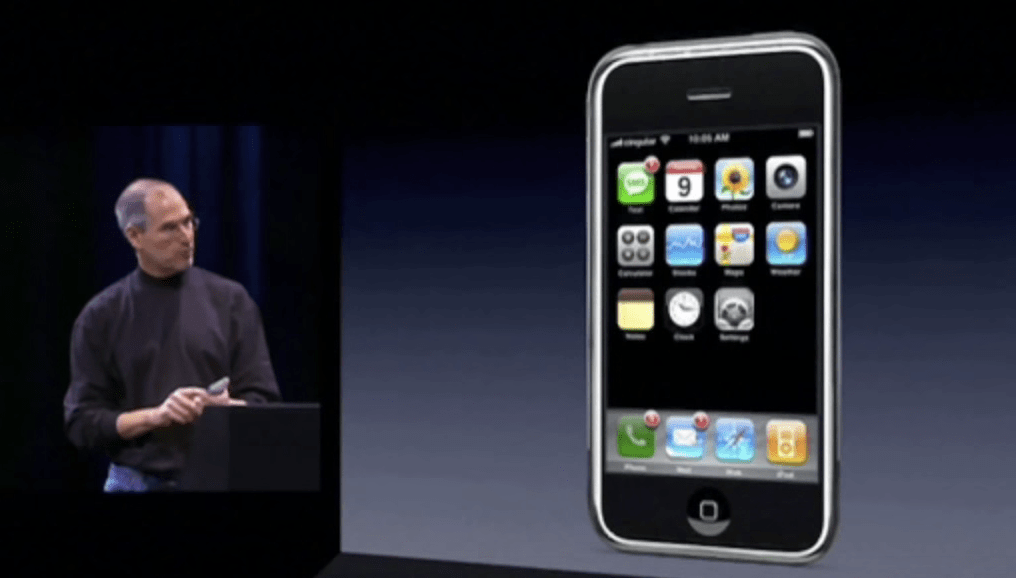
When Steve Jobs took the stage at the Moscone Center in San Francisco on Jan. 9, 2007, he changed the world.

On that day, exactly 10 years ago, the late Apple co-founder unveiled the iPhone. At the Moscone Center, home to the Macworld 2007 convention, Jobs showcased a handset that would be available exclusively on AT&T’s (T) wireless network (then known as Cingular) for much of its early life. The iPhone had a touchscreen, ditched the physical keyboard, and delivered a new mobile operating system designed solely by Apple and for Apple—an OS that was unlike anything popular competitors at the time were offering.

While the world learned officially of the iPhone during that Jobs keynote, Apple had been working on the project since 2004 under the codename Project Purple. Over the three-year period, Apple (AAPL) amassed a team of more than 1,000 people to work on different facets of the iPhone’s development, and Jobs was there every step of the way. He evaluated different versions of the gadget, including one that looked like an iPod (scroll wheel and all) and nixed everything that wasn’t up to snuff. He also evaluated the software, which would morph into the iOS we know now, to ensure it was something different and appealing that could impress the world.

Get Data Sheet, Fortune’s technology newsletter

Jobs said when he unveiled the iPhone that the handset would be revolutionary. And he was right. But in the context of the broader marketplace, it wasn’t alone. At the time, the smartphone market was moving toward touchscreen devices and there were some handsets already on the market that delivered some (but not nearly all) of the touch features offered by the iPhone.

But Apple’s iPhone was the first device to get it right. It offered multitouch, a big-screen display to watch movies and other content, the ability to organize the user’s life, and just as important, was a solid phone. Apple’s iPhone was the first device that actually understood what users needed—perhaps even before users even knew they needed it.

Once Steve Jobs unveiled his company’s handset, a new era began. Competitors around the world mobilized to respond to Apple’s iPhone, delivered clones, and tried to one-up the company. Entrenched competitors like Palm and BlackBerry would soon be forgotten by the onslaught of customers who wanted the next best thing and not the old wares they were peddling.

Simply put, the smartphone market—and indeed, the broader mobile market—has two ages: the pre-iPhone era and the post-iPhone era.

For more about iPhone, watch:

Apple, of course, has proven to be the biggest beneficiary of that. With a single release, the company created an entirely new business segment that has generated massive sums of cash for a decade. Without the iPhone, Apple wouldn’t be the Apple we know it as today.

But it’s the historical significance the iPhone has had on users that is arguably most important. Consumer lives changed dramatically when the iPhone was released 10 years ago—although introduced in January, it actually reached customers in June. We now live in a mobile-first world, iPhones (or Android devices) at our side, ready to take on the day’s challenges. Computers—and, at times, the person sitting in front of us—have become secondary. The smartphone—touchscreen, App Store, and all—is what matters most now. And we have Steve Jobs and Apple to thank for that.

Happy Birthday, iPhone.
About the Author
By Don Reisinger
See full bioRight Arrow Button Icon

Latest in Tech

Elon Musk
Big TechSpaceX
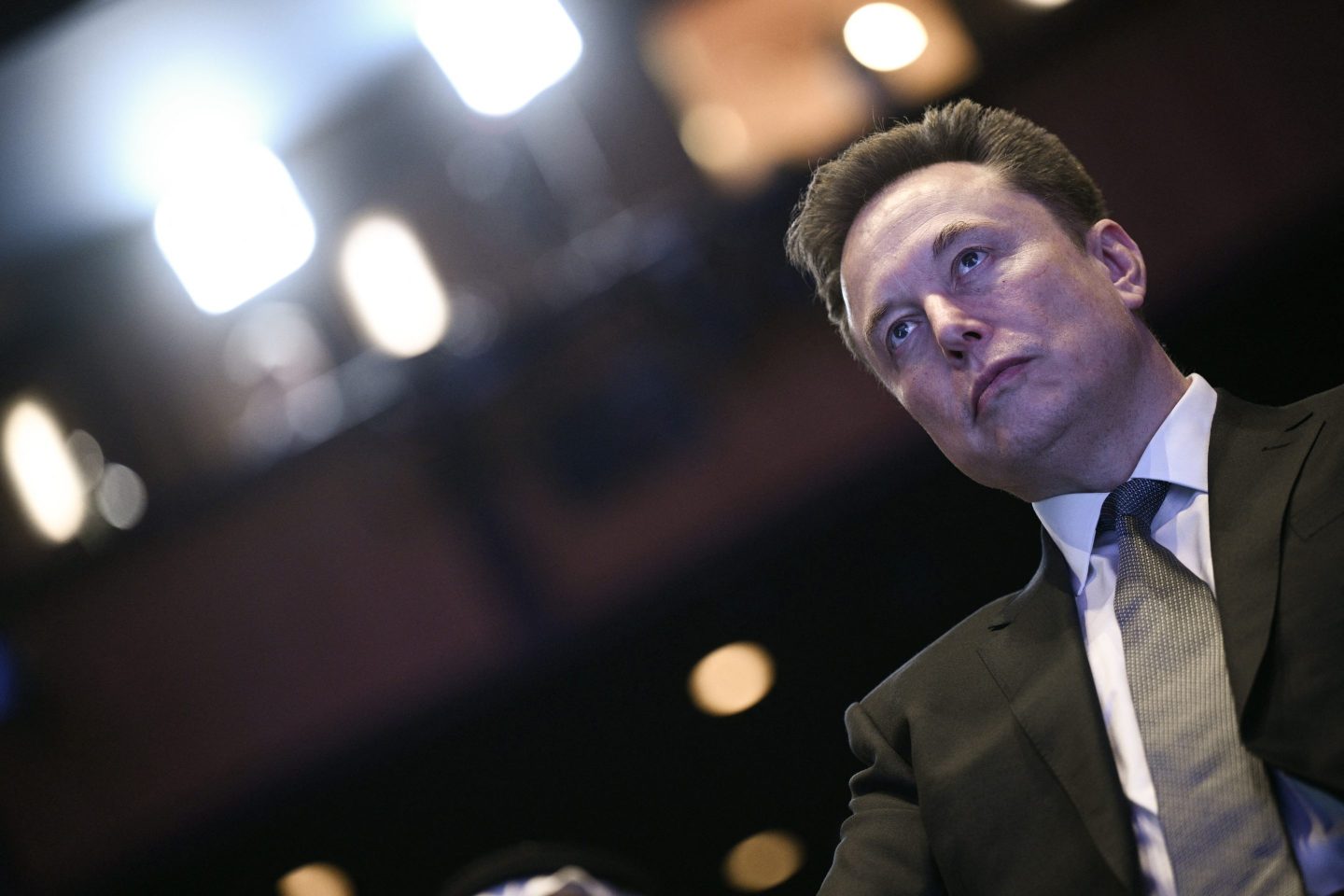
SpaceX to offer insider shares at record-setting $800 billion valuation
By Edward Ludlow, Loren Grush, Lizette Chapman, Eric Johnson and BloombergDecember 6, 2025
11 hours ago
Big TechApple
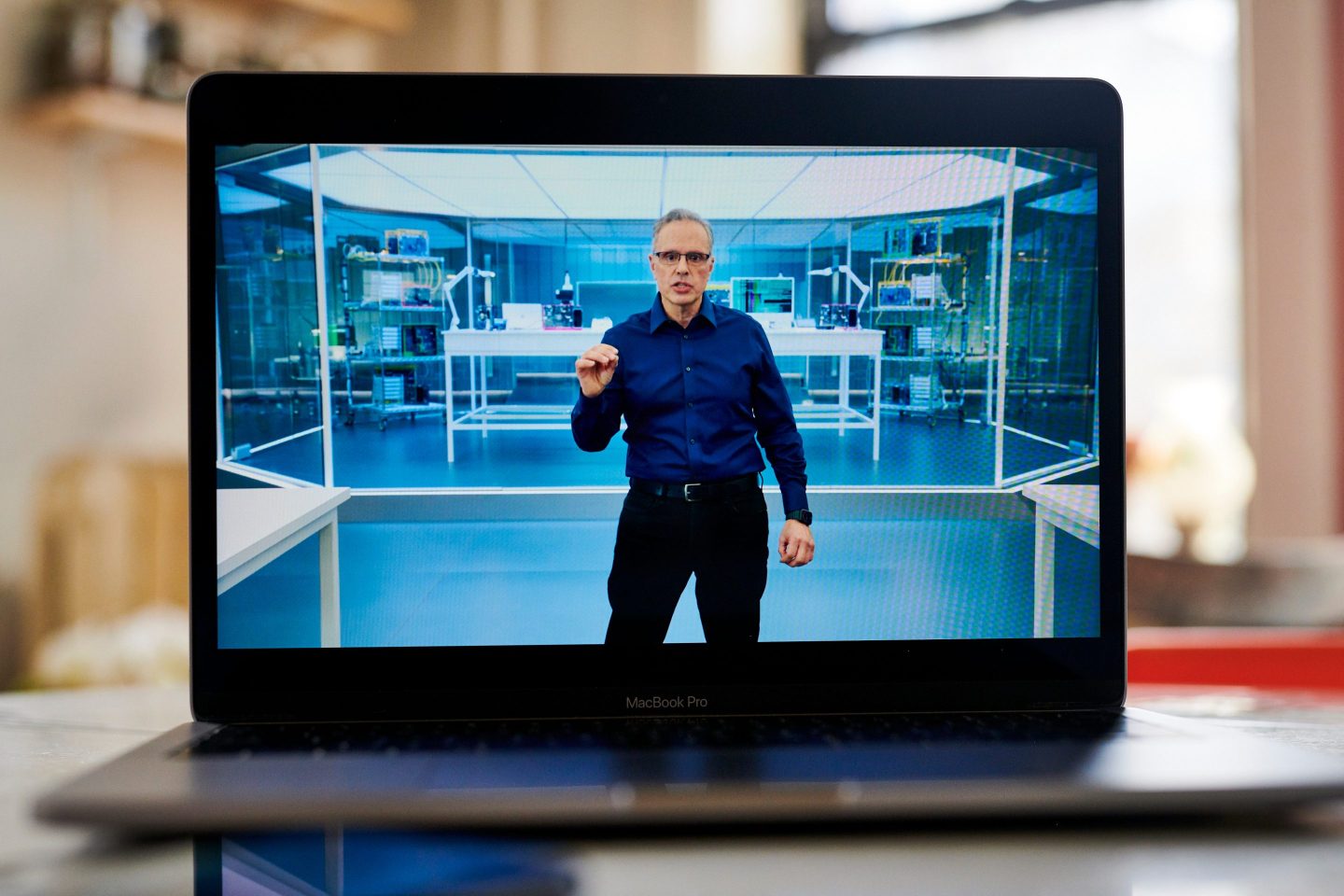
Apple rocked by executive departures, with chip chief at risk of leaving next
By Mark Gurman and BloombergDecember 6, 2025
13 hours ago
Nvidia CEO Jensen Huang said China is better equipped for an AI data center buildout than the U.S.
AITech
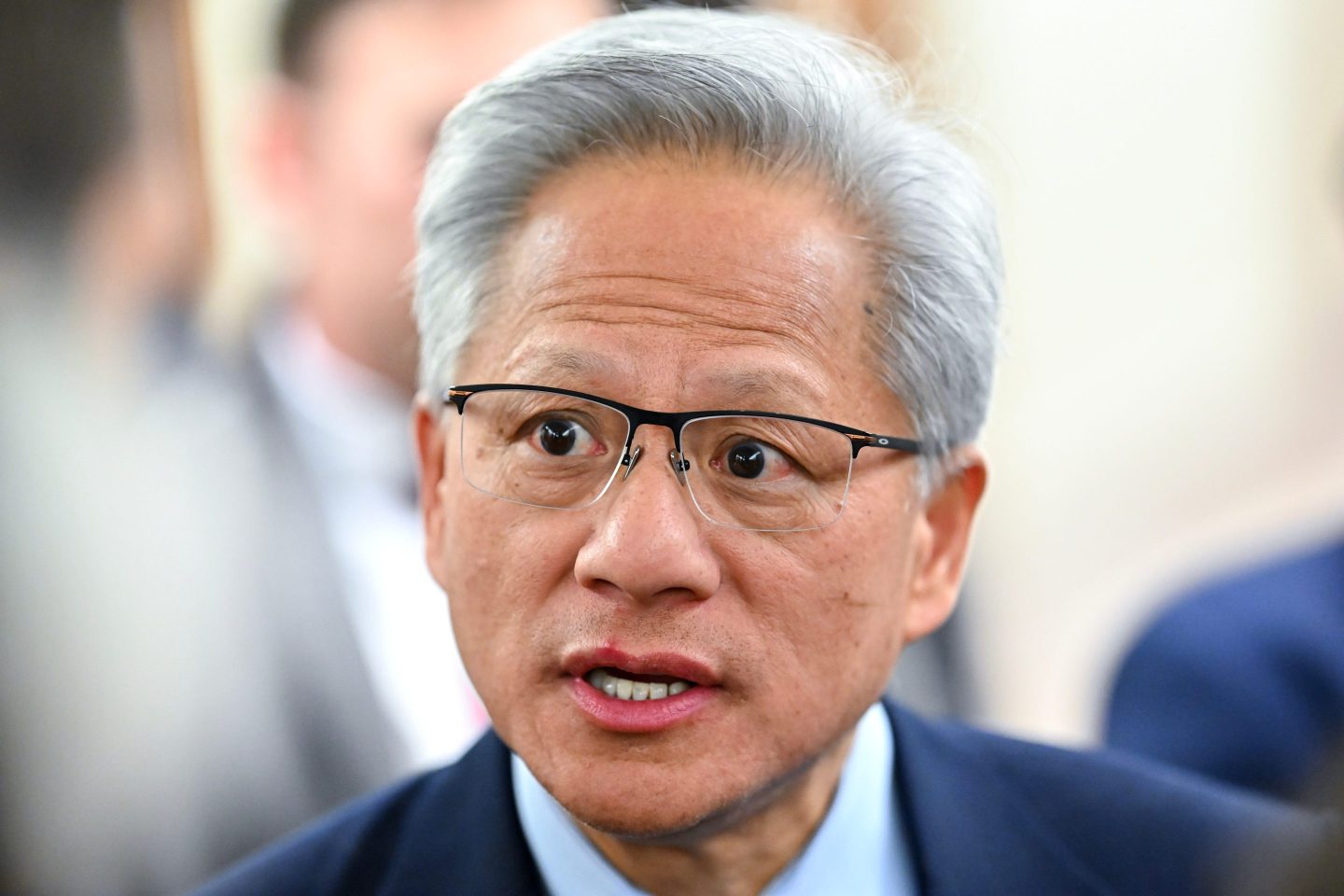
Nvidia CEO says data centers take about 3 years to construct in the U.S., while in China ‘they can build a hospital in a weekend’
By Nino PaoliDecember 6, 2025
16 hours ago
Arts & EntertainmentMedia
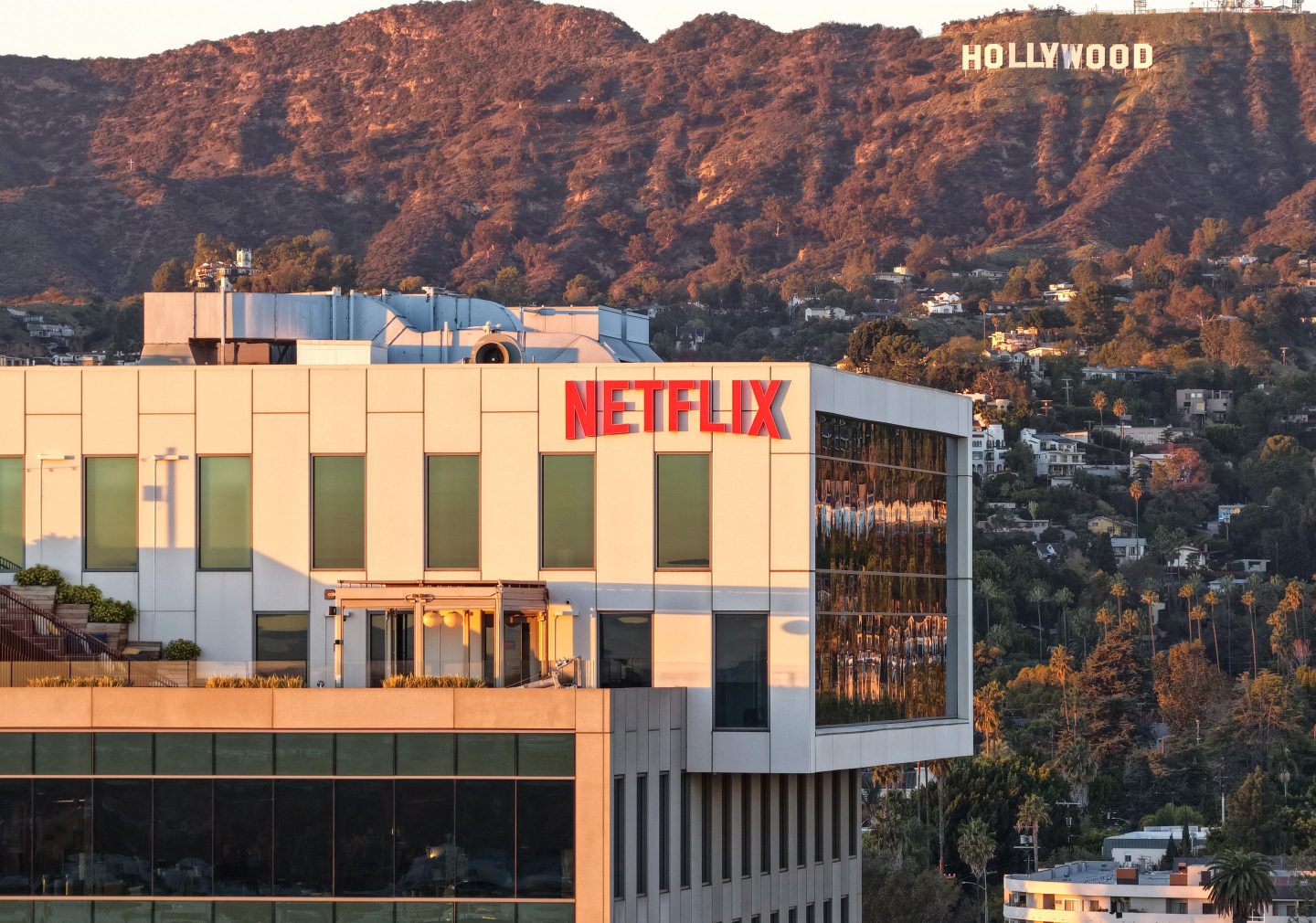
Former Amazon Studios boss warns the Netflix-Warner Bros. deal will make Hollywood ‘a system that circles a single sun’
By Jason MaDecember 6, 2025
16 hours ago
Jay Clayton
LawCrime
25-year DEA veteran charged with helping Mexican drug cartel launder millions of dollars, secure guns and bombs
By Dave Collins, Michael R. Sisak and The Associated PressDecember 6, 2025
17 hours ago
Elon Musk
LawSocial Media
Elon Musk’s X fined $140 million by EU for breaching digital regulations
By Kelvin Chan and The Associated PressDecember 6, 2025
17 hours ago

Most Popular

placeholder alt text
AI
Nvidia CEO says data centers take about 3 years to construct in the U.S., while in China 'they can build a hospital in a weekend'
By Nino PaoliDecember 6, 2025
16 hours ago
placeholder alt text
Big Tech
Mark Zuckerberg rebranded Facebook for the metaverse. Four years and $70 billion in losses later, he’s moving on
By Eva RoytburgDecember 5, 2025
2 days ago
placeholder alt text
Real Estate
The 'Great Housing Reset' is coming: Income growth will outpace home-price growth in 2026, Redfin forecasts
By Nino PaoliDecember 6, 2025
21 hours ago
placeholder alt text
Economy
The most likely solution to the U.S. debt crisis is severe austerity triggered by a fiscal calamity, former White House economic adviser says
By Jason MaDecember 6, 2025
11 hours ago
placeholder alt text
Success
Nvidia CEO Jensen Huang admits he works 7 days a week, including holidays, in a constant 'state of anxiety' out of fear of going bankrupt
By Jessica CoacciDecember 4, 2025
3 days ago
placeholder alt text
Asia
Despite their ‘no limits’ friendship, Russia is paying a nearly 90% markup on sanctioned goods from China—compared with 9% from other countries
By Jason MaNovember 29, 2025
7 days ago
Rankings
  • 100 Best Companies
  • Fortune 500
  • Global 500
  • Fortune 500 Europe
  • Most Powerful Women
  • Future 50
  • World’s Most Admired Companies
  • See All Rankings
Sections
  • Finance
  • Leadership
  • Success
  • Tech
  • Asia
  • Europe
  • Environment
  • Fortune Crypto
  • Health
  • Retail
  • Lifestyle
  • Politics
  • Newsletters
  • Magazine
  • Features
  • Commentary
  • Mpw
  • CEO Initiative
  • Conferences
  • Personal Finance
  • Education
Customer Support
  • Frequently Asked Questions
  • Customer Service Portal
  • Privacy Policy
  • Terms Of Use
  • Single Issues For Purchase
  • International Print
Commercial Services
  • Advertising
  • Fortune Brand Studio
  • Fortune Analytics
  • Fortune Conferences
  • Business Development
About Us
  • About Us
  • Editorial Calendar
  • Press Center
  • Work At Fortune
  • Diversity And Inclusion
  • Terms And Conditions
  • Site Map

© 2025 Fortune Media IP Limited. All Rights Reserved. Use of this site constitutes acceptance of our Terms of Use and Privacy Policy | CA Notice at Collection and Privacy Notice | Do Not Sell/Share My Personal Information
FORTUNE is a trademark of Fortune Media IP Limited, registered in the U.S. and other countries. FORTUNE may receive compensation for some links to products and services on this website. Offers may be subject to change without notice.