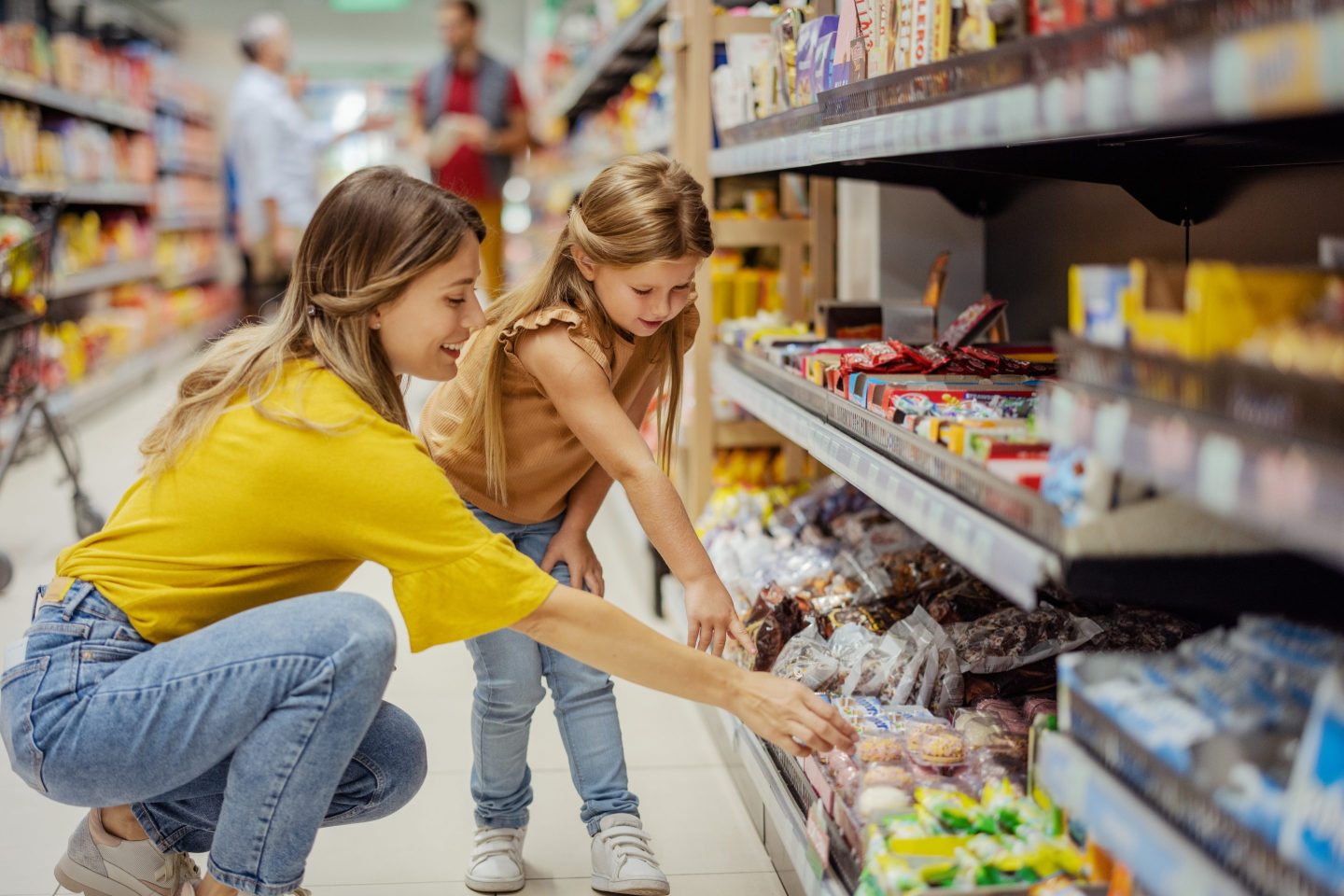
While the French are known for their culinary expertise, more people are consuming sugary foods and drinks, and the government is worried that the nation is transforming itself from cheese connoisseurs into snackers of cheesy bites, moving from a country of artisanal draft ale lovers into consumers of sweet bottled beer.
The best example of this trend towards processed food is that of McDonald’s. In 1979, the fast food giant opened its first restaurant in Strasbourg and then strategically spread to all the big cities and, later, to all shopping centers, railways, and motorway service stations to reach as many consumers as possible. France is now the most significant market after the U.S., with 1,707 branches nationwide.
Le Monde cites the pressures of the past few years as another growth factor; the French are desperate to eat more for pleasure, to stem the anxiety felt over the past few years from COVID-19, the Ukraine war, political instability, and food inflation. The nation wants to snack its way to feeling better, and manufacturers are producing more and more fast food snacks that are increasingly calorific.
Last year, the big winners, according to NielsenIQ, were Heineken’s Desperados Tropical beer (rum and passion fruit flavor), Kinder chocolate ice cream, and Kinder Tronky wafers.
Likewise, in the past year, Krispy Kreme has launched 20 outlets across Paris and made $15 million, marketing donuts as the new croissants, tying in with major cultural touchpoints, selling Barbie, Harry Potter, and Halloween versions.
In the fight against obesity and the need to raise revenue for a seriously impoverished economy, one policy idea is to tax these sugary, highly processed products.
Nutritional taxes are gaining favor
The WHO currently recommends that countries use nutritional taxing to combat the increase in chronic diseases like diabetes and obesity, and many institutions like the World Bank are also arguing the same.
The Institut Montaigne, a liberal think tank, plus the CEOs of Coopérative U, BEL (Babybel, Laughing Cow), and Sodexo, recently advocated to raise VAT to 20% for very sweet products, compared to the current 5.5% or 10%.
Or, to help one in five obese adults in France, they suggested that the government could levy a tax on products that don’t meet sugar levels as agreed upon by government ministries. They’re thinking specifically of sweets, chocolate, biscuits, breakfast cereals, spreads, and industrial pastries.
The Institut suggests that the money raised by these measures, equalling €1.2 billion and €560 million a year, could finance a food voucher worth €30 a month for the 4 million poorest French people.
These arguments now have more traction in France, particularly for soft drinks. In 2012, the government introduced a tax on sugary drinks, and then again in 2018 arguing they’re too easy to drink and possibly addictive.
Every year, French people consume more than 21 liters of sugary drinks, and this tax raised about €443M in 2023. Now that the French Senate has voted to make fizzy and sweet drinks much more expensive, this sum could easily double in 2025.
A tax of 4 to 35 cents per liter bottle
The new soda tax will work on a sliding scale based on the amount of added sugar a drink contains.
Below 5g of added sugar per 100g, manufacturers will have to pay four cents on a liter bottle (up from the current 3.79 cents). This would be the case for Lipton’s Peach Ice Tea, say, which has 3g of added sugar per 100g and costs around €1.20 per bottle.
The second tranche is more considerable. Suppose a drink contains between 5 to 8g of added sugar per 100g; then the tax triples to 21 cents, from the current charge of 7.3 cents per liter. This is the case for Schweppes tonic (5,8g of added sugar per 100g), and Oasis, which has 6.6g per 100g. Both, owned by Coca-Cola, will now have to pay a tax of 21 cents on each liter bottle, which sell for $1.20 and €1.40, respectively.
For the third and largest tranche, the tax rises to a whopping 35 cents for any soft drinks where the added sugar is more than 8g per 100g (up from 17.7 cents). This higher tax level applies to a liter of regular Coca-Cola, which contains 10.6g of added sugar and costs about €1.30 per liter in supermarkets, as well as kids’ favorite, Capri Sun (8g of added sugar).
Its difficult to say if large corporations will choose to charge consumers more for soft drinks or try to reduce their sugar content.
Less traction on food products
Forty countries have introduced nutritional taxes, mostly on sugary drinks, because it’s a more straightforward win. The public generally believes it’s more reasonable to tax sugary beverages because they hold little nutritional value and can easily be replaced by cheaper, more nutritious, unsweetened alternatives. The same argument can only sometimes be as easily made for heavily processed food products.
Several MPs in France are calling for a new tax on food products whose nutritional value compromises children’s health by having sugar levels much higher than the recommended limits. However, the Ministry of Health has been squaring up against the Ministry of Agriculture and Food; the latter worried that a new sugar tax would negatively impact businesses that must remain economically competitive and preserve jobs.
To begin with, there may be a softer solution. The government could work with manufacturers on sugar targets, changing ingredients, and using healthier recipes, which could eventually trigger taxation measures, but only if these targets weren’t met.