One of the best ways to keep your gut healthy is through probiotics—beneficial bacteria that support your immune system, digestive function, and overall energy level. This is especially important for anyone with a busy professional life. With gut health impacting your mental state and productivity, prioritizing your digestive health may be just the thing you need to feel better and perform better in the office.
While you can get probiotics through eating foods like sauerkraut, kefir, or naturally fermented pickles, you can also take a daily probiotic supplement. To choose the best probiotic supplements of 2026, we worked with a registered dietician to test and evaluate over 140 different products. We then narrowed the list down to 10 that we think will best help you keep a healthy gut and improve productivity and well-being at work.
Why Trust Fortune
Our team of expert testers has tried hundreds of the most popular supplements on the market today, using our comprehensive supplement testing methodology to find the best products for all folks.
Best Probiotics of 2026
- Best Probiotic Overall: Seed Daily Synbiotic
- Best Value Probiotic: Swolverine Probiotix
- Best Probiotic for Women: Perelel Daily Probiotic
- Best Probiotic Formula: Ritual Synbiotic+
- Best Probiotic for Gut Health: Transparent Labs Gut Health
- Best Probiotic for IBS: VSL#3 Probiotics
- Best Budget Probiotic: Nutricost Probiotic
- Best Probiotic for Men: Biotics8
- Best Probiotic for Weight Loss: Bioma
- Best Probiotic with Prebiotics: Luma Nutrition Probiotic
- Best Probiotic for Bloating: AG1 Next Gen
- Best Probiotic for Vaginal Health: Wisp Equalizing Probiotics
Best Probiotics Comparison Table
Best Probiotic Overall: Seed Daily Synbiotic
Seed Daily Synbiotic
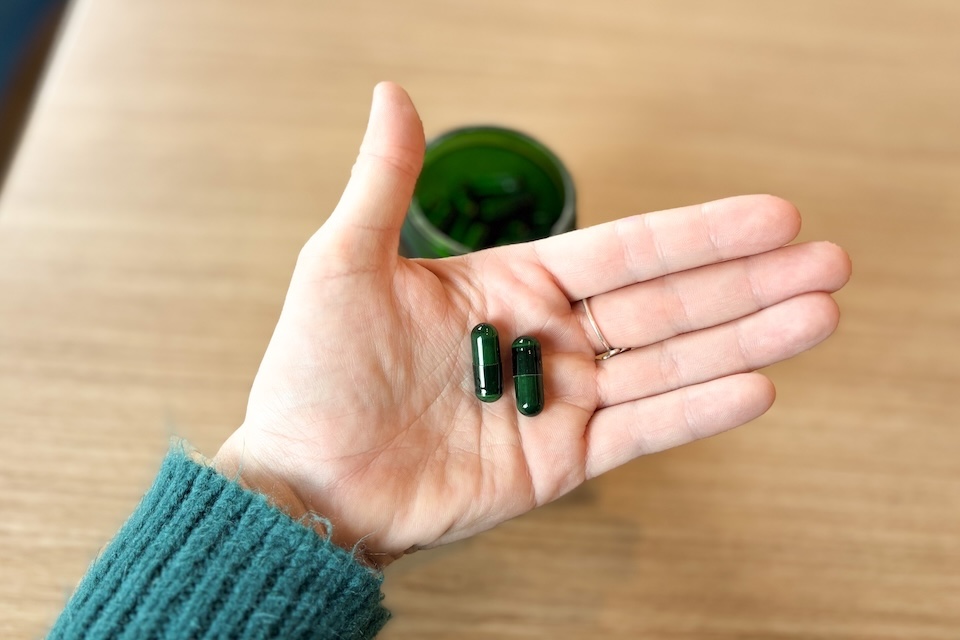
It's a science‑driven prebiotic/probiotic combo made with a multi‑strain formula
Anyone looking for broad microbiome, gut barrier, and whole‑body support in capsule form
- 24 distinct probiotic strains with 53.6 billion AFU per serving
- Dual‑layer capsule engineered to improve survival through stomach acid
- Backed by multiple double‑blind, placebo‑controlled clinical trials on the finished product
- Requires two capsules per day, which some may find less convenient than a single pill
- More expensive than other options on our list
- Slight earthy taste to the capsule
Our Thoughts on Seed Daily Synbiotic
Seed Daily Synbiotic won the title of our best overall probiotic because of how it was formulated. While the “good” bacteria in most probiotics are measured in CFUs, Seed uses AFUs. Here’s what our registered dietician Pete has to say about AFUs:
“CFU and AFU are similar, but not exactly the same. CFU stands for ‘colony-forming units’ and measures how many living microbes are able to grow and form colonies on a lab plate. AFU stands for ‘active fluorescent units’ and measures the number of metabolically active bacteria. This means that AFU measures organisms that are alive and functional, but may not form actual colonies in one’s gut.”
By measuring in AFUs, Seed is able to provide a more accurate organism count in their probiotic: 53.6 billion, to be exact.
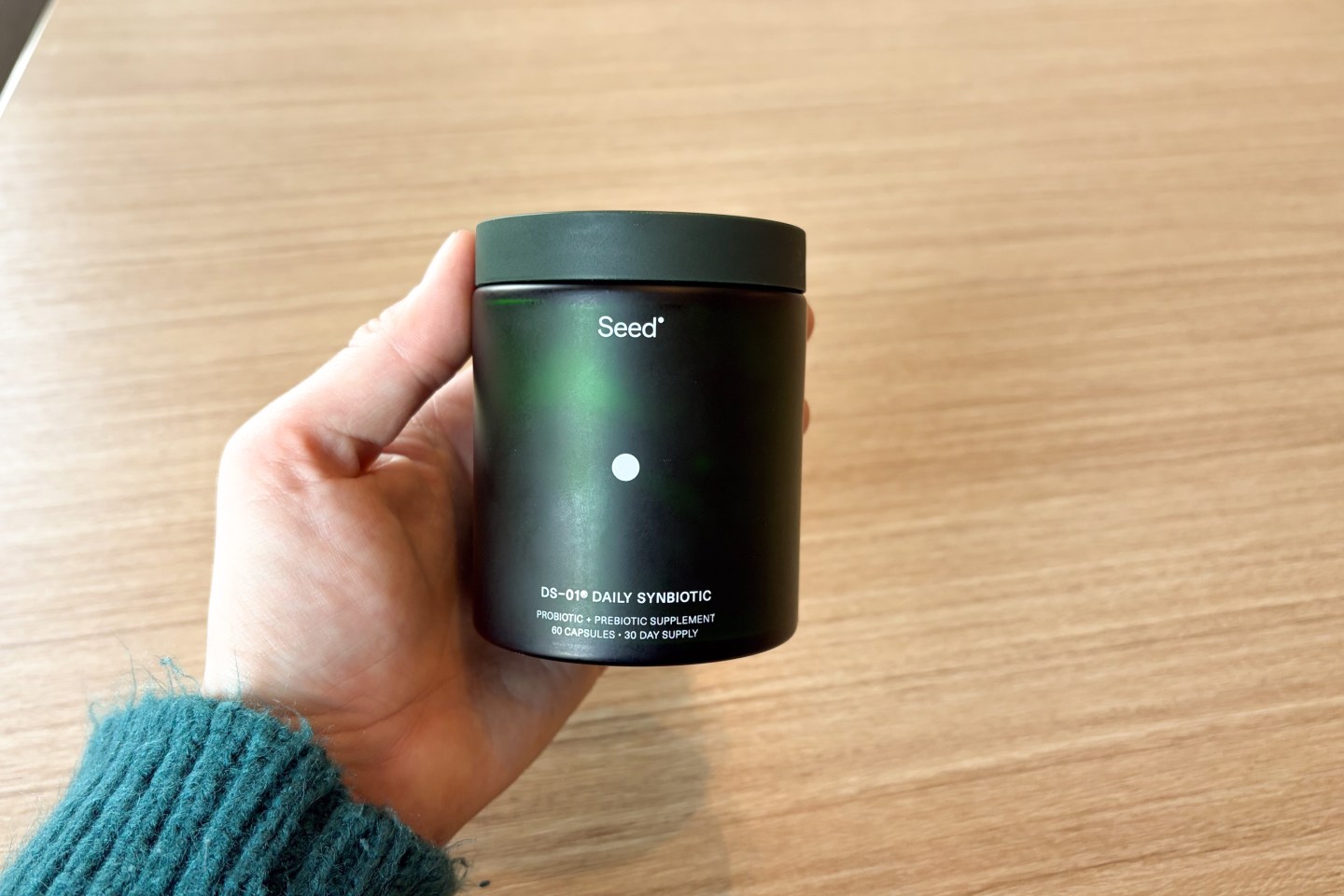
Pete personally tested this probiotic himself, rating it a 5 out of 5 for his first impression, calling out the durable yet stylish green jar and the fact that you can just buy refill packs whenever you run out, as opposed to a whole new container. This saves you a little money if you end up sticking with the Seed Daily Synbiotic in the long term. Also included is a thin glass vial so you can easily store your probiotics while traveling. Note that the daily serving size is two capsules instead of one.
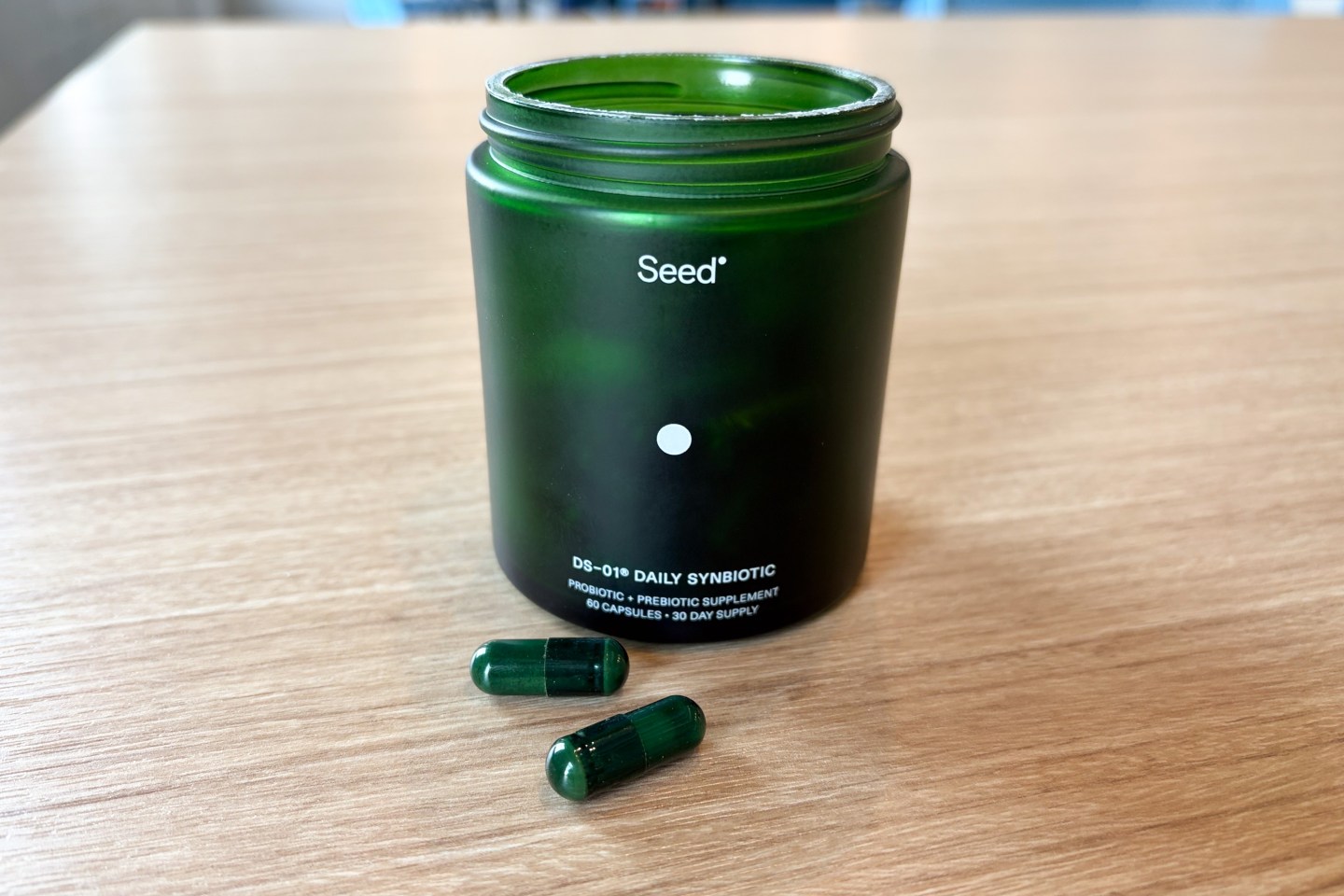
But it’s not just the jar that has a notable design—the capsules themselves are engineered to facilitate healthy absorption.
“There’s an outer layer of chlorophyllin and an inner layer of hypromellose,” Pete says. “This allows the capsule to stay intact through your stomach acid.” As for taste, Pete described the capsules as “slightly earthy,” and gave Seed a 3 out of 5 in this category. That said, they’re still easy to swallow, and Pete didn’t experience any side effects or digestive issues.
While it’s impossible to confirm the exact effect any probiotic is having on your gut without months of extensive monitoring, Pete pointed out that, unlike some other supplements on the market, Seed Daily Synbiotic is backed by extensive research.
“There are four double-blind placebo controlled clinical trials performed on this product,” he says. “This allows Seed to make actual efficacy claims, and provides some peace of mind to the consumer. The studies support that the Daily Synbiotic delivers measurable benefits beyond digestive support. You might see stronger gut barrier integrity, improved immune signaling, improved skin appearance, and improved cholesterol balance.”
Best Value Probiotic: Swolverine Probiotix
Swolverine Probiotix
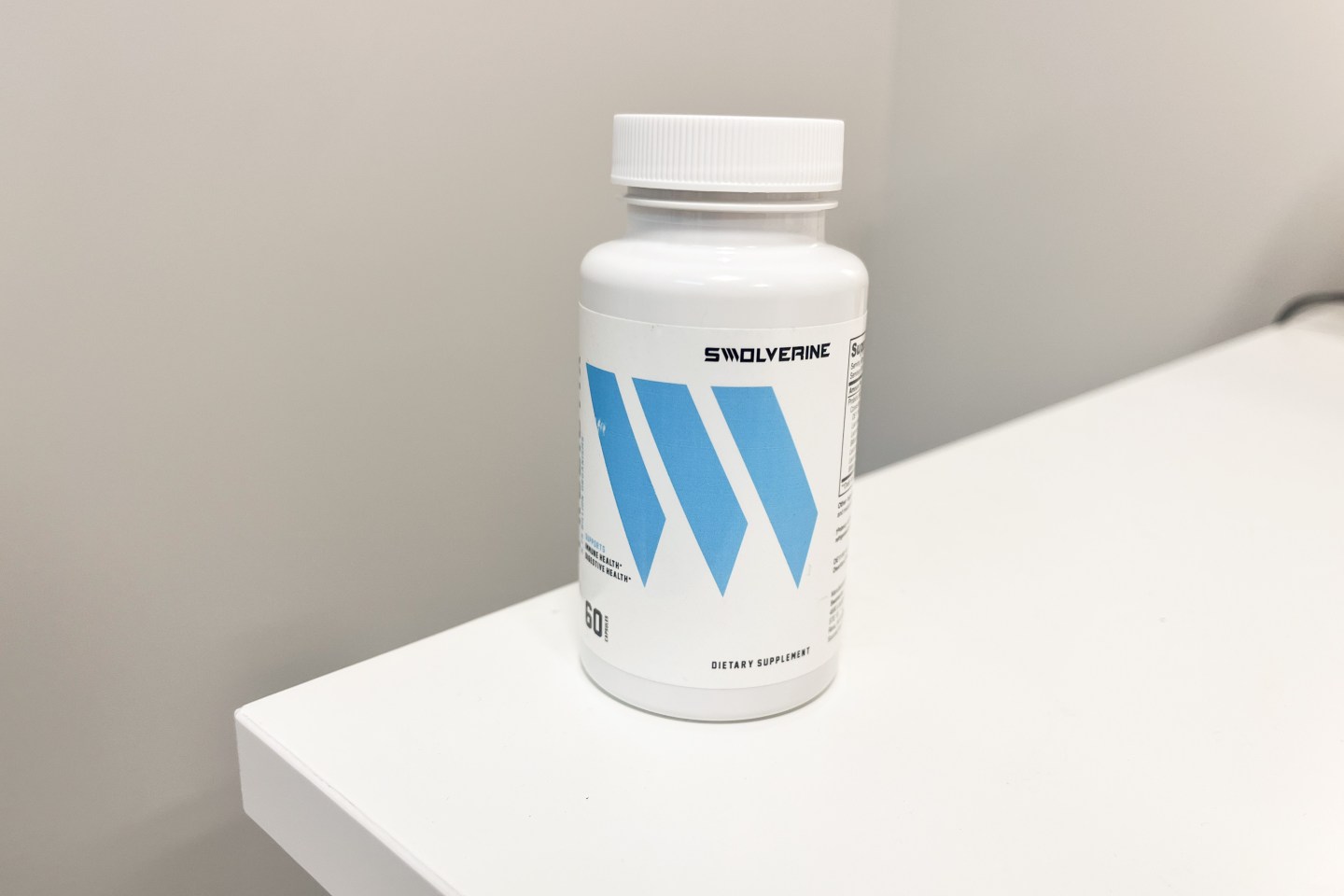
We like everything about this high-quality but inexpensive supplement, though anyone needing a high CFU count will want to keep looking
Active folks looking for a one-capsule path to good gut health
- Non-GMO
- Vegan
- $0.58 per serving
- Some products contain a higher CFU amount
- “Earthy” taste
- Exact amount of each strain not disclosed
Our Thoughts on Swolverine Probiotix
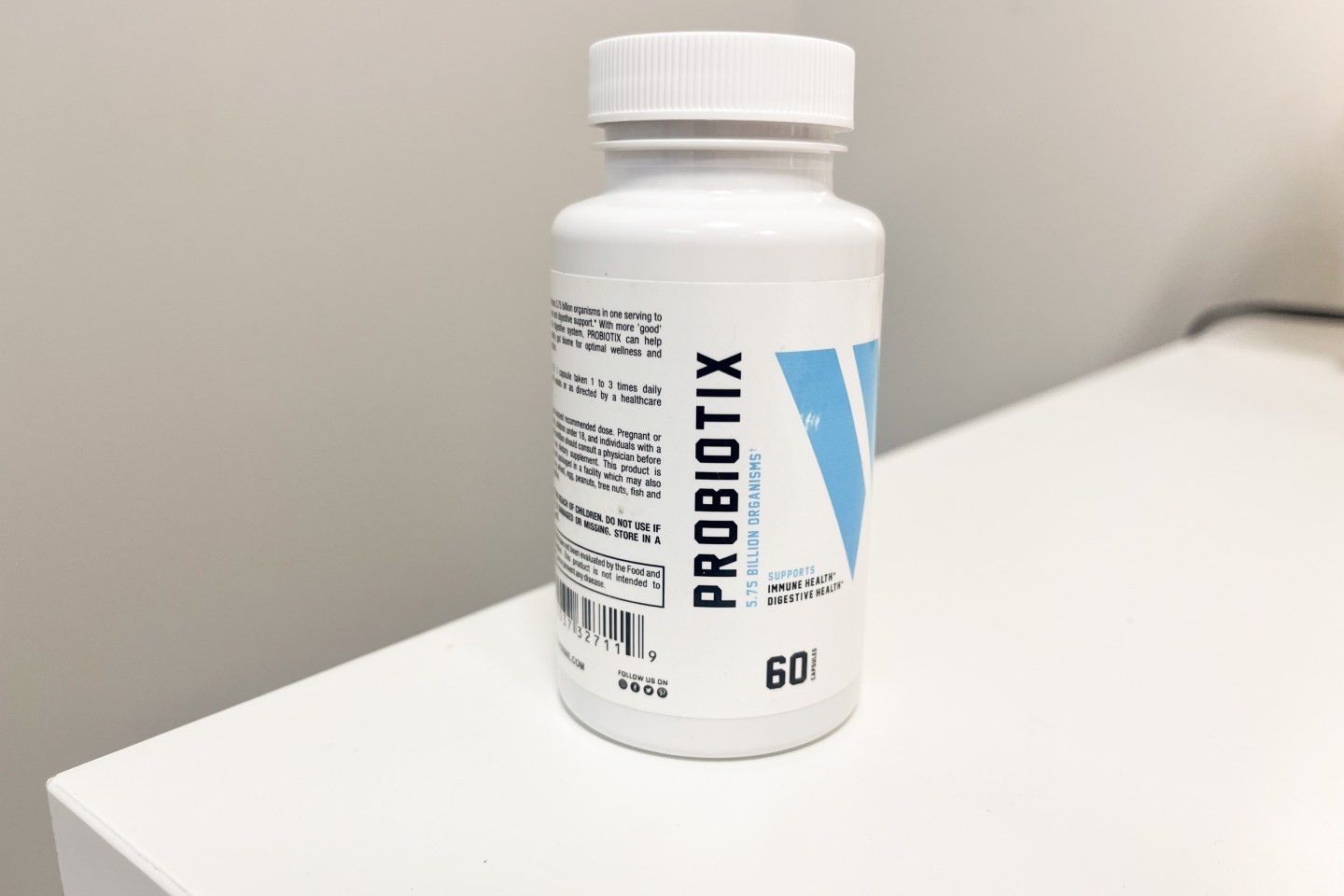
We chose Swolverine Probiotix as our top value probiotic because it packs a mix of seven different probiotic organisms for gut health into one inexpensive daily capsule. Each Probiotix serving offers a blend of 5.75 billion CFUs, which is in line with most wellness supplements, at a price just over 50 cents. After taking the product, both our testers and online reviews pointed to a high ratio of effectiveness to price.
Our tester Kate had a great first impression of Swolverine Probiotix and liked the “super-classic and simple, but rugged” branding on the bottle. She also appreciated the clear and easy instructions, which state that you take one to three capsules daily, preferably with food. Kate chose to take one a day and rated both the ease of these instructions and swallowability at a 5 out of 5. “You only need to take one pill per serving so it was very easy to swallow with a sip of water,” she said.
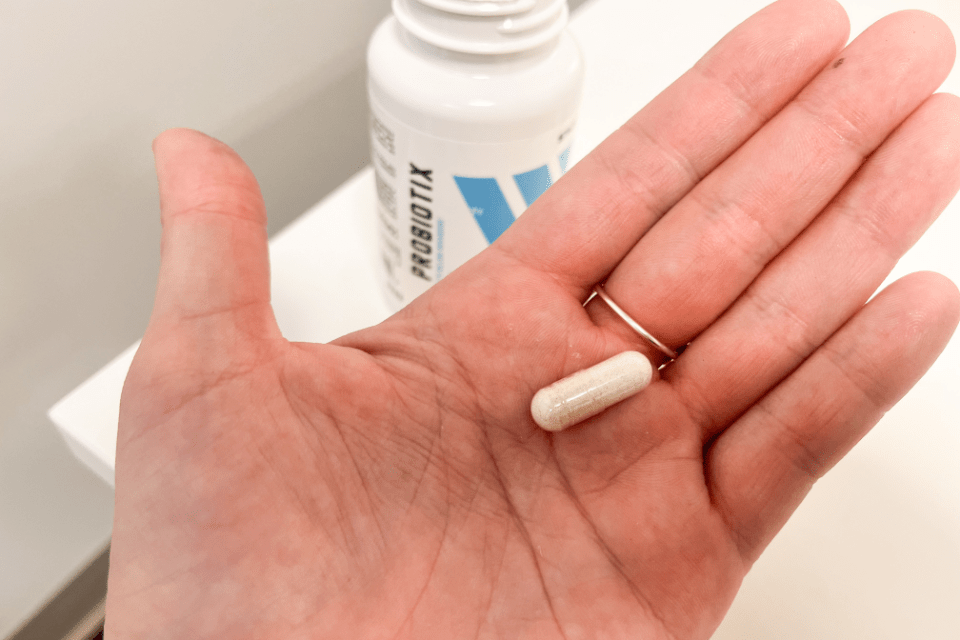
Kate also gave the supplement a 5 for taste, reporting that “it has a slightly earthy taste” that doesn’t linger. “I didn’t notice any taste left in my mouth or any on my breath either, which was a huge plus,” she said. “As long as you don’t mind the initial taste, it won’t be an issue.”
Kate reported zero side effects, which seems to be the consensus among online reviewers as well. Ultimately, she gave the product high scores across the board, including a 5 for price. While it has only a moderate CFU count, the numbers are within a typical range for probiotic supplements designed for general health and not a specific condition. It’s also a convenient choice.
“This product would be a great, cost-effective choice for someone looking to boost digestive and immune health,” Kate said. “It is only one pill, and each bottle has 60 servings for only $34.99. The bottle is small enough that it could fit in a purse or backpack.”
Best Probiotic for Women: Perelel Daily Probiotic
Perelel Daily Probiotic
We like that this probiotic supports both digestive and vaginal health
Women looking for a safe supplement to support digestion, immunity, and overall gut health at any stage in life
- Lactobacillus and Bifidobacterium are pregnancy-safe probiotic strains
- Non-GMO, gluten-free
- Made in the USA in cGMP certified facilities
- The taste is earthy
- Not the cheapest option
Our Thoughts on Perelel Daily Probiotic
We chose Perelel Daily Probiotic as our best probiotic for women because it contains probiotic strains that can benefit the gut health of all women—and are particularly noted to be safe for those who are pregnant and breastfeeding.
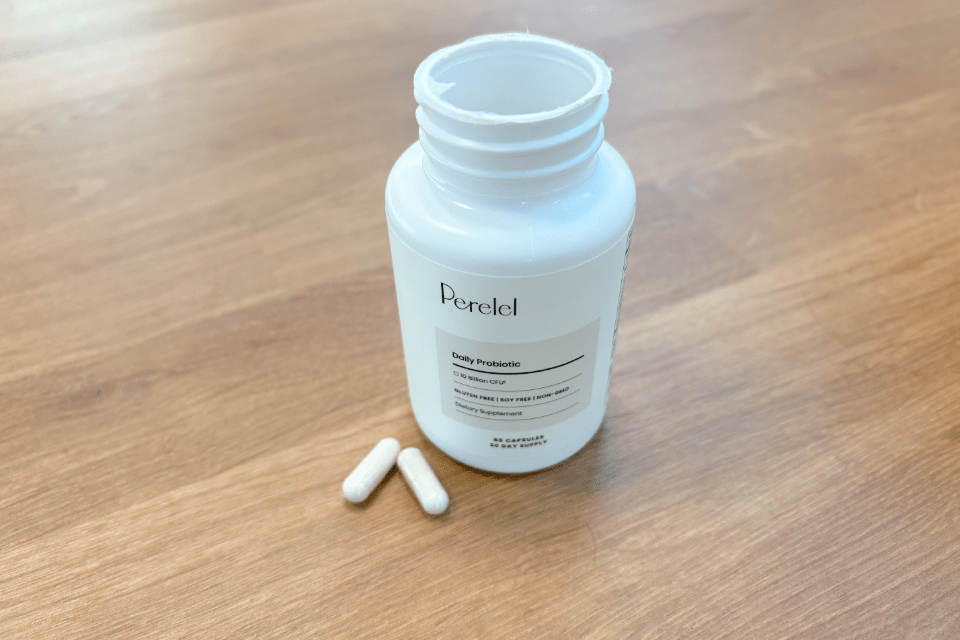
But those aren’t the only benefits. Women tend to experience constipation more than men, likely due to estrogen slowing muscle contractions in the colon. In particular, the probiotic strain Lactobacillus acidophilus LA-14 has been shown to support vaginal health, too. When that strain is combined along with Bifidobacterium lactis UABla-12, the two together have helped to reduce abdominal pain and symptoms in folks with irritable bowel syndrome (IBS).
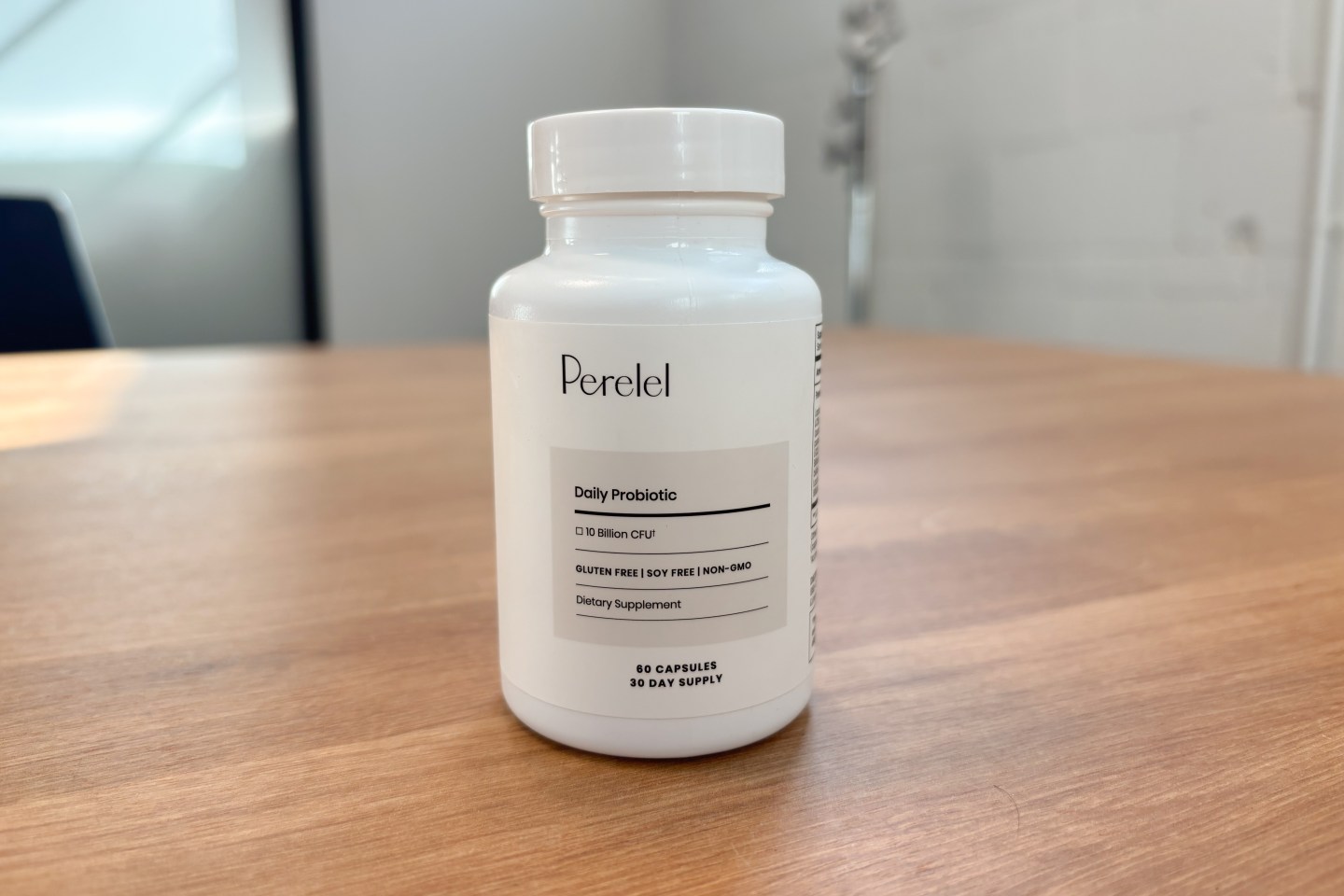
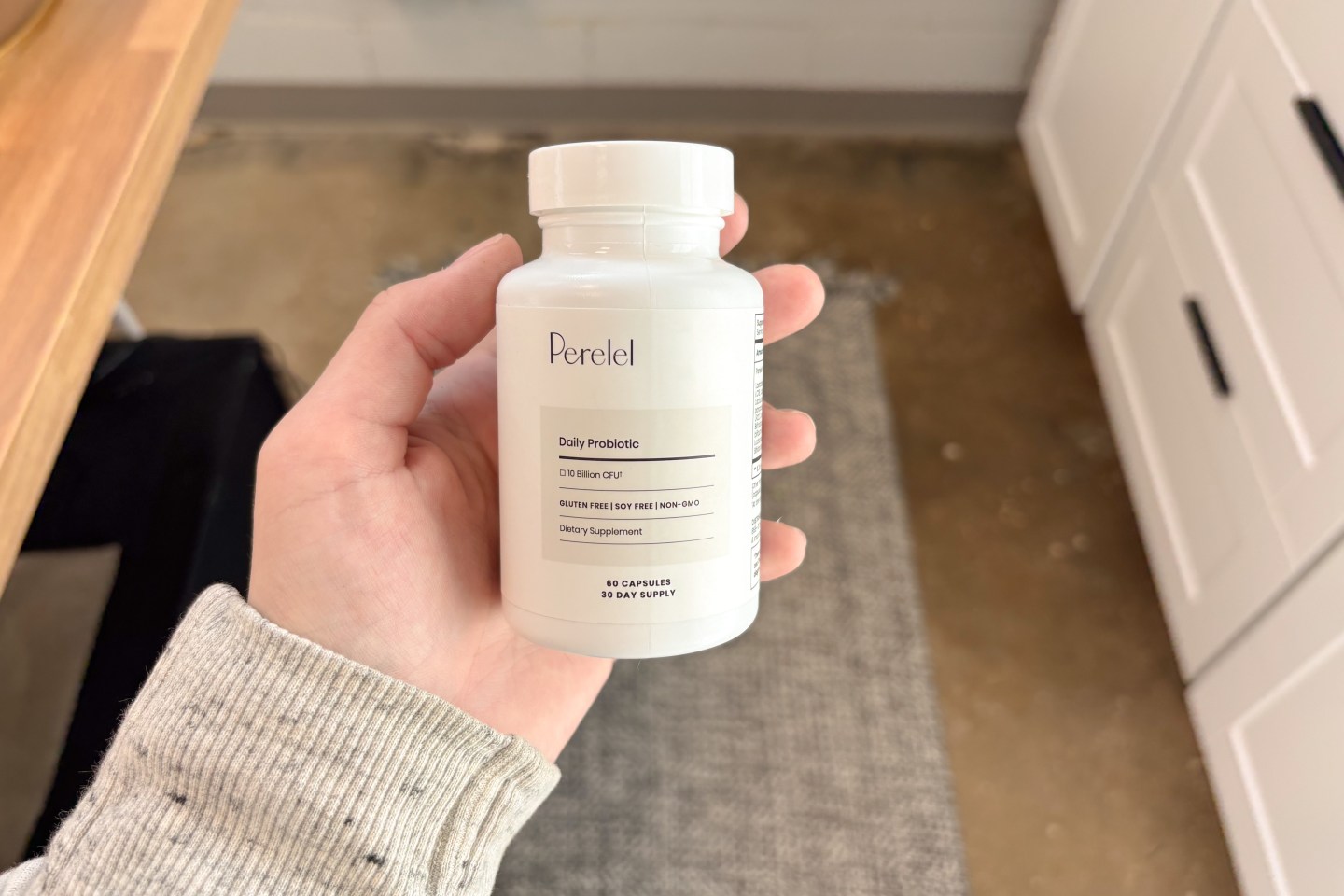
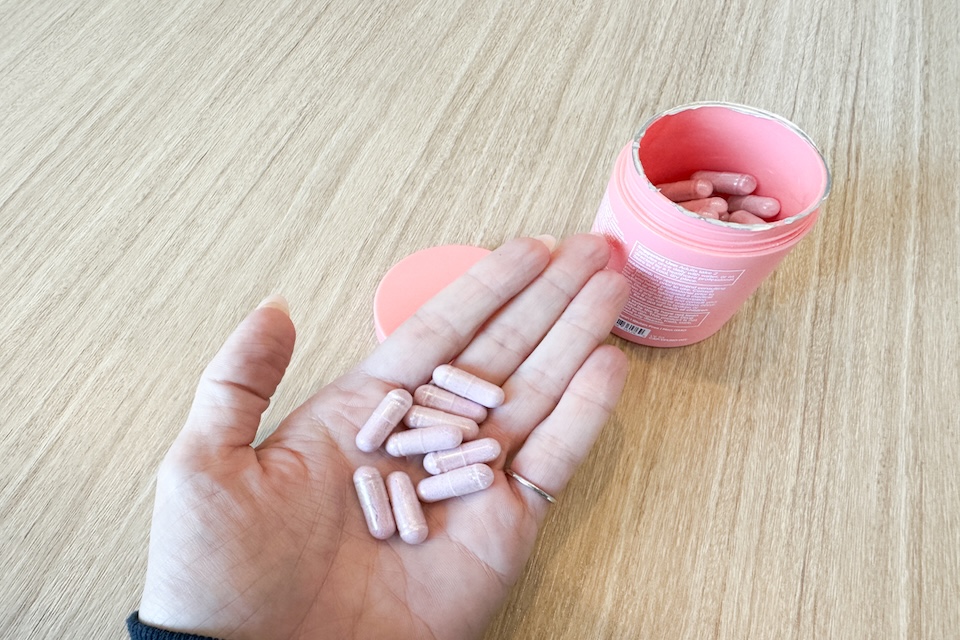
Our tester Kate tried this probiotic and was immediately drawn in by Perelel’s packaging. She liked the pastel coloring and the “easy-to-read, but classy font.” “It’s a smaller bottle so it’s something you could keep in a purse or backpack easily, which was appealing to me!” she noted.

After taking the probiotic, Kate said she didn’t experience any side effects, digestive or otherwise. But her biggest qualm was with the taste, and she gave the probiotic a 3 out of 5 in this category. “They have the classic pungent-earth smell—I think due to the vitamins that are safe for pregnancy and breastfeeding,” she said. “It definitely tastes like how it smells.”
But beyond that, Kate had an overall positive view of Perelel’s probiotic. “It has vaginal microbiome support as well as gut health support all wrapped up into one supplement,” she said. “For only $1.05 per serving, it’s also less expensive than some of the other options out there. This product is also soy free, gluten free and non-GMO as advertised.”
Best Probiotic Formula: Ritual Synbiotic+
Ritual Synbiotic+
The mint flavor makes this probiotic pleasant to take
Anyone who wants to simplify their gut health regimen into one capsule
- Shelf-stable, no refrigeration needed
- Vegan
- Free of allergens such as soy, nuts, and gluten
- More expensive than other options on our list
- No flavor options (only available as mint)
- More complex than just a simple probiotic, which may cause stomach upset
Our Thoughts on Ritual Synbiotic+
Ritual’s Synbiotic+ is our pick for the best probiotic formula because of its inclusion of two of the most clinically researched strains: Lactobacillus rhamnosus and Bifidobacterium animalis ssp. lactis, as well as its pre- and post-biotic support. It’s a great 3-in-1 supplement with a hint of mint, making it pleasant to ingest.
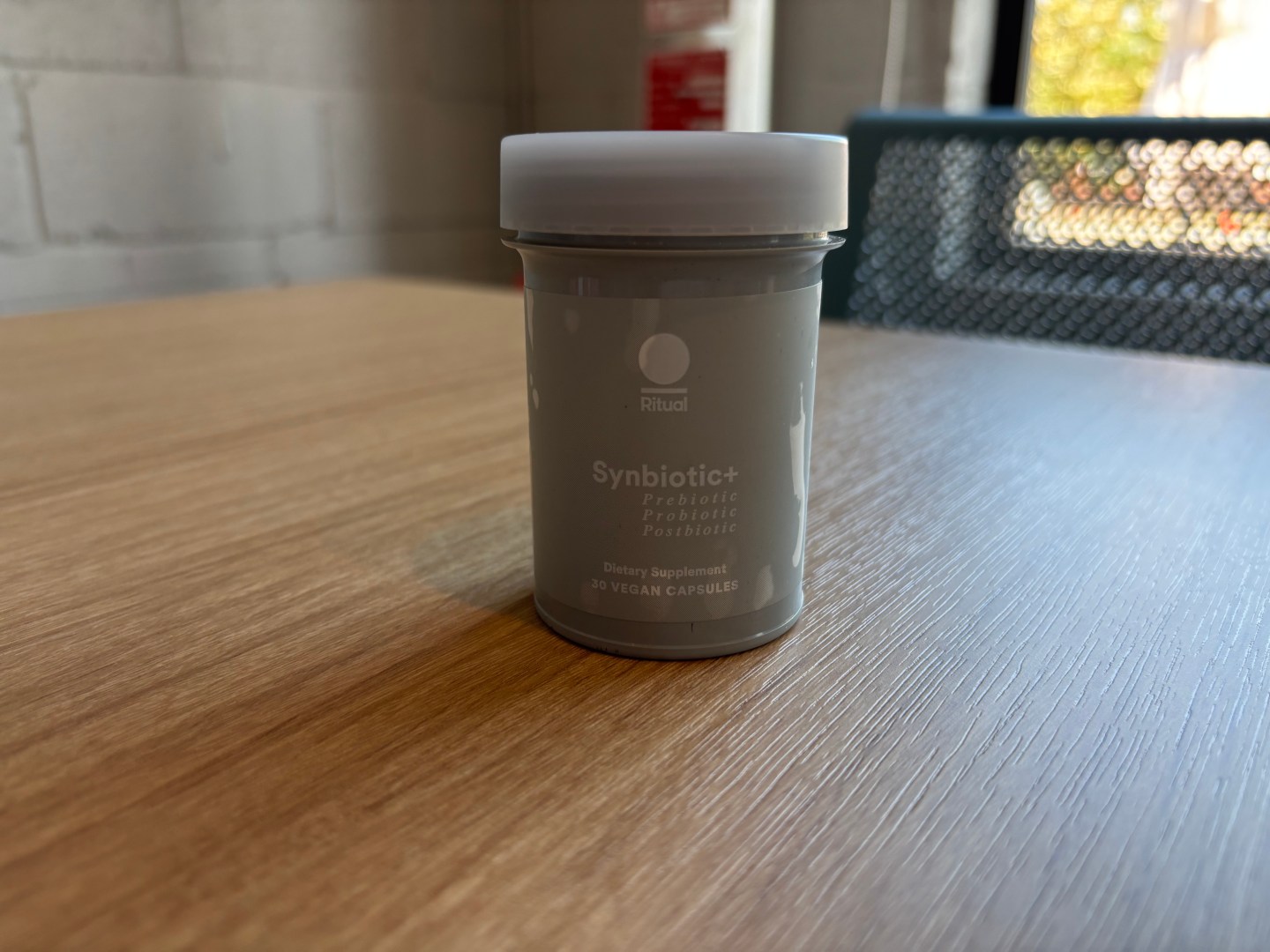
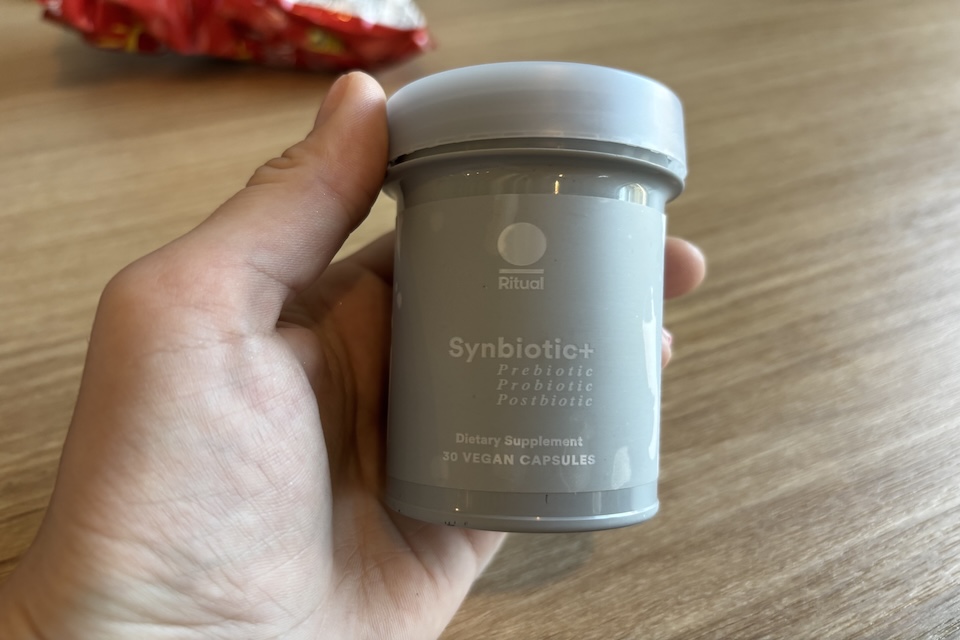
Kate tested this probiotic, rating it a 5 out of 5 for her first impression. “I love Ritual’s packaging: it’s a matte, gray bottle with clean and classy font,” she wrote. “The font is in white on a light gray background, so it could be hard for some people to read.”
Our tester noted that the supplement facts and instructions are clearly labeled and easy to understand. “The bottle is easy to open, and the pills are easy to get out of the bottle. Someone with dexterity issues shouldn’t have too much of a problem opening it,” she said.
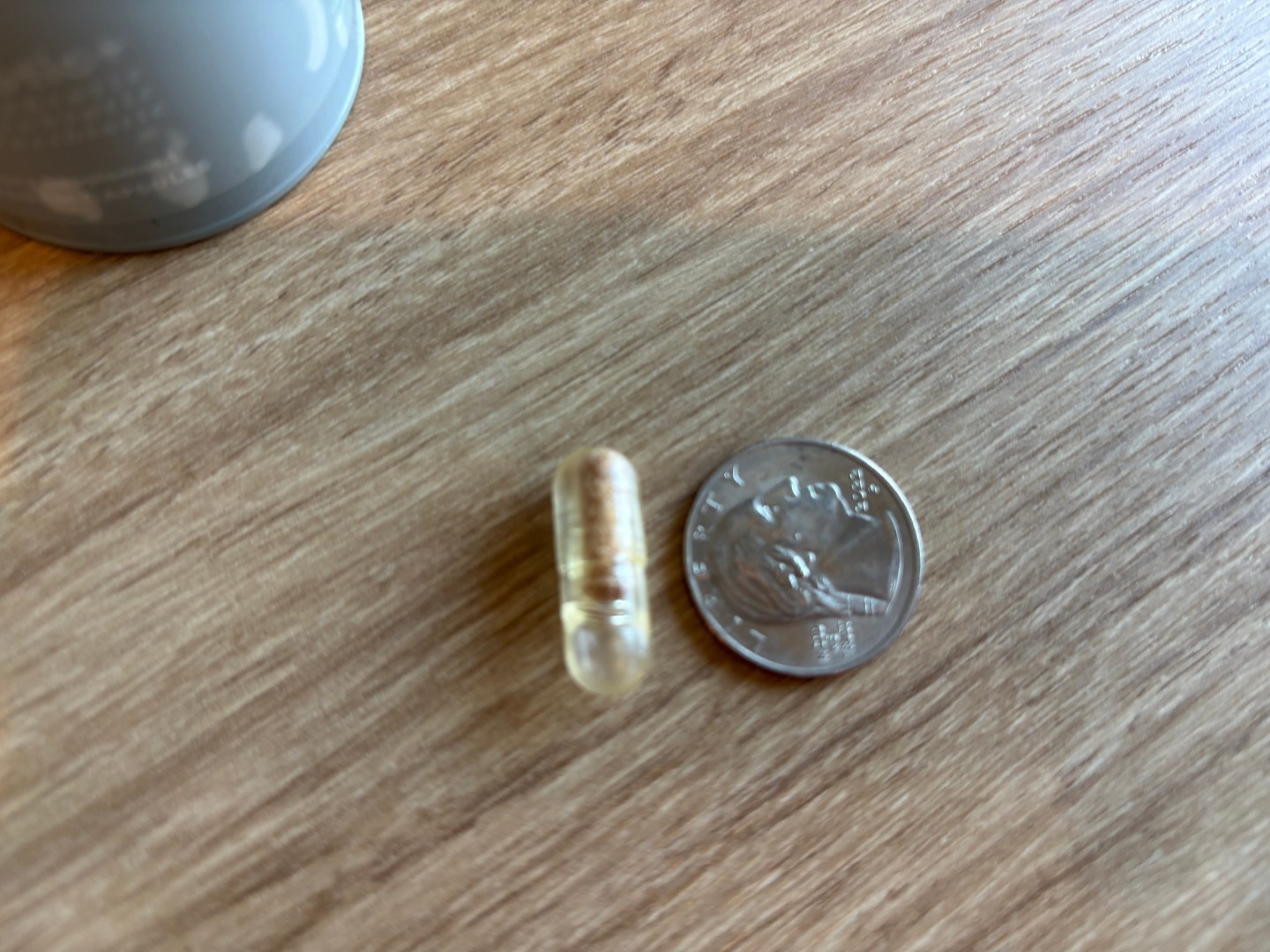
Of the pill itself, Kate says, “It’s a typical double encapsulated pill that’s enterically coated. The coating helps protect the second capsule when traveling through the stomach, so that the second capsule can break down in your body.” She rated the ease of taking the capsule as a 3 out of 5.
“The second, inner capsule almost looks like gold flakes that is broken down powder,” Kate explained. “You need one pill per serving.” We like that a single pill gets the job done, rather than having to swallow multiple pills to get the probiotic effects.
Kate rated the taste and flavor of this supplement as a 3, saying: “It tastes minty. There is also an overwhelming mint smell when you open the bottle, and there’s a mint aftertaste when you take it, as well.” She noted that the mint flavor is pleasant to her, but if you are considering a probiotic and would prefer to avoid any flavors, we recommend Transparent Labs Gut Health.

Our tester rated the side effects of Ritual’s Synbiotic+ as a 3 out of 5, including the aftertaste as a notable side effect from taking this pill. She experienced no discomfort after taking it, but she also noted: “Looking at the reviews, it seems like some people had temporary side effects. After consistent use, it goes away.” So, we recommend being cautious during the first month of adding this supplement to your routine. If you have any concerns, though, it’s always best to consult a medical professional.
Best Probiotic for Gut Health: Transparent Labs Gut Health
Transparent Labs Gut Health
With a high CFU count, this potent probiotic offers great constipation relief
Folks looking for a probiotic to take along on the go, no refrigeration needed
- Gluten-free and non-GMO
- Informed Choice certified
- High-strength dose (100 billion CFU/serving) with 10 strains
- Subscribe and save is only a 10% discount
- Each serving is two capsules
- Not available in stores, only online
Our Thoughts on Transparent Labs Gut Health
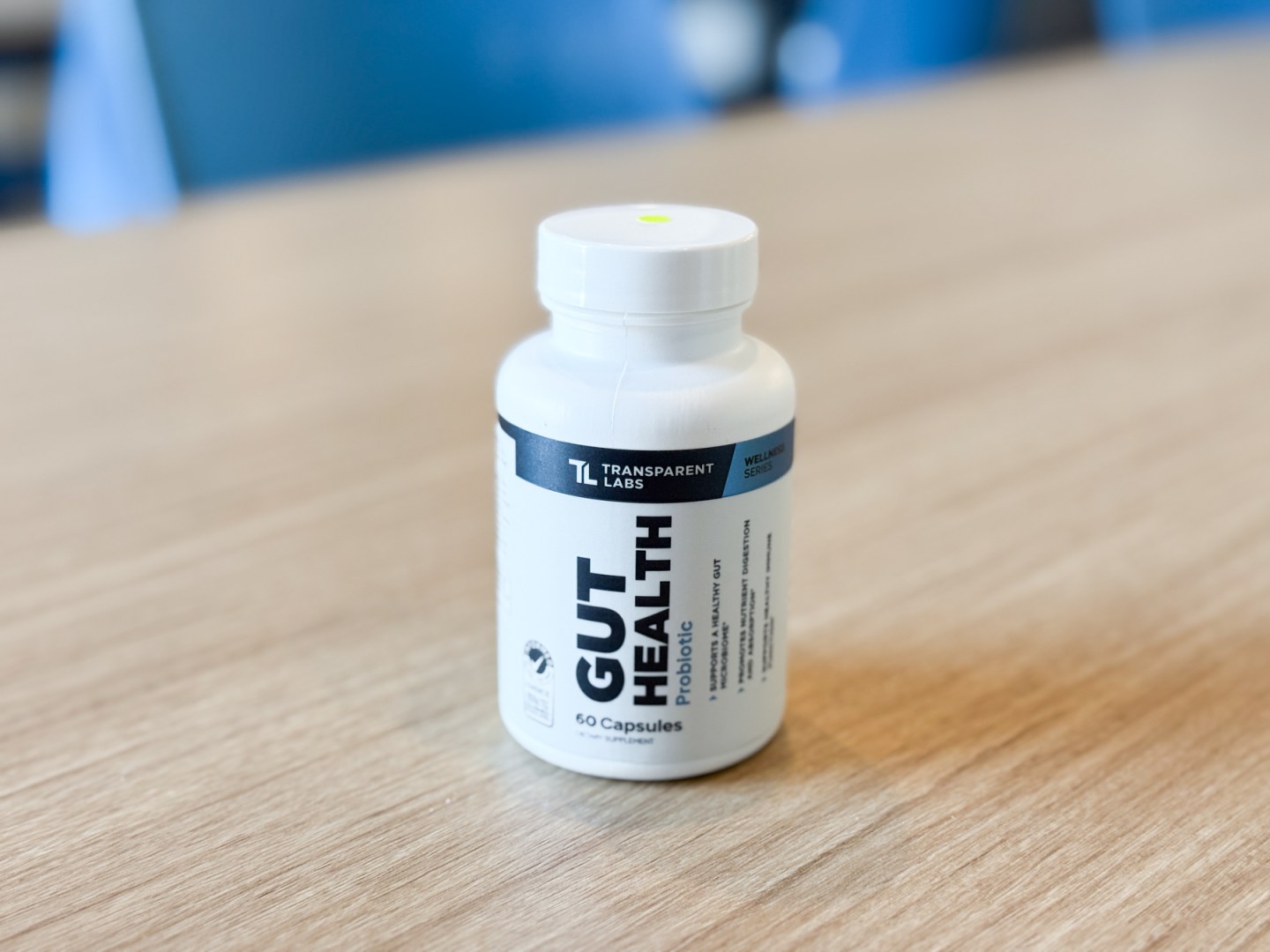
Transparent Labs Gut Health is our choice as the best probiotic for supporting gut health and relieving constipation because it provides a multi-strain, high-CFU probiotic blend that targets regularity and bowel movement comfort. Studies have shown that certain strains of Bifidobacterium (like B. lactis) and Lactobacillus (such as L. casei Shirota) may help improve constipation symptoms by increasing defecation frequency and softening stool. Multi-strain, high-potency products were found to be as helpful as single-strain supplements.
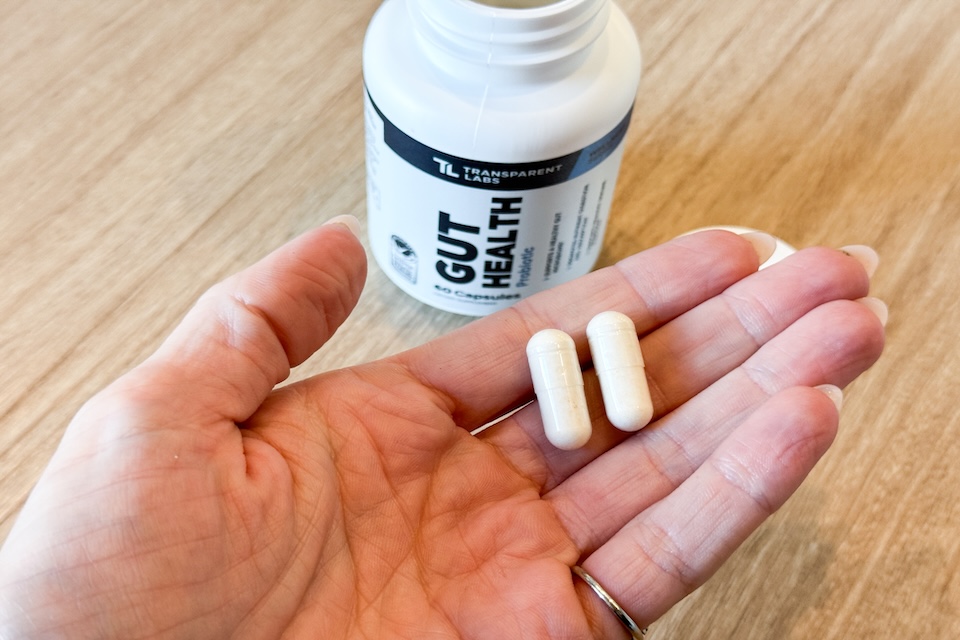
Pete, our resident dietitian, tested this probiotic. He rated it a 5 out of 5 for first impressions: “It’s a small white plastic container that’s travel-friendly. The bottle is easy to open and close, and has a white metallic label with blue lettering.”
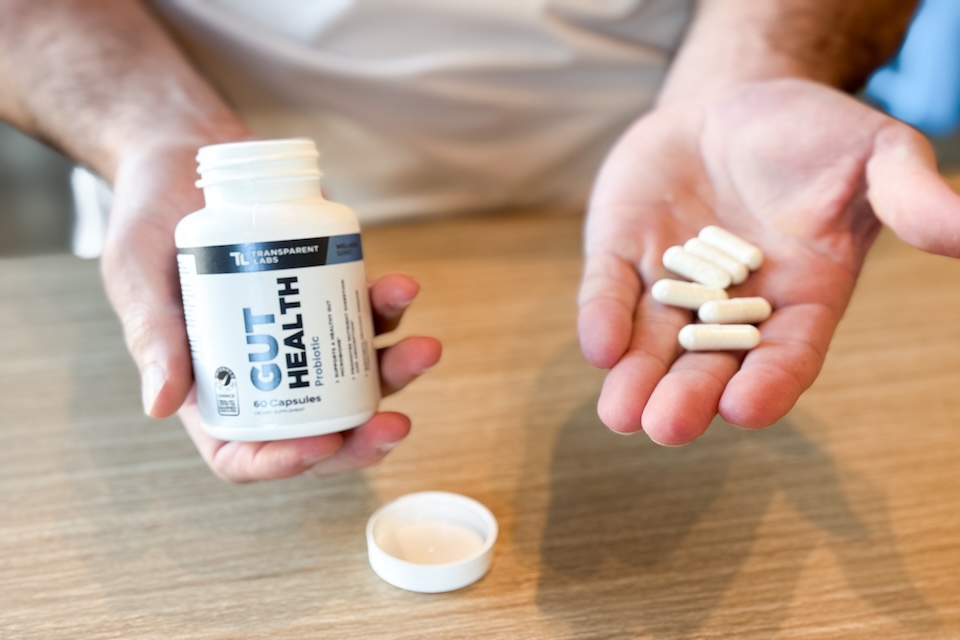
He rated the directions a 5, finding them clear and easy to follow. “Take two capsules daily with a full glass of water, preferably on an empty stomach, or as directed by a qualified healthcare professional.”
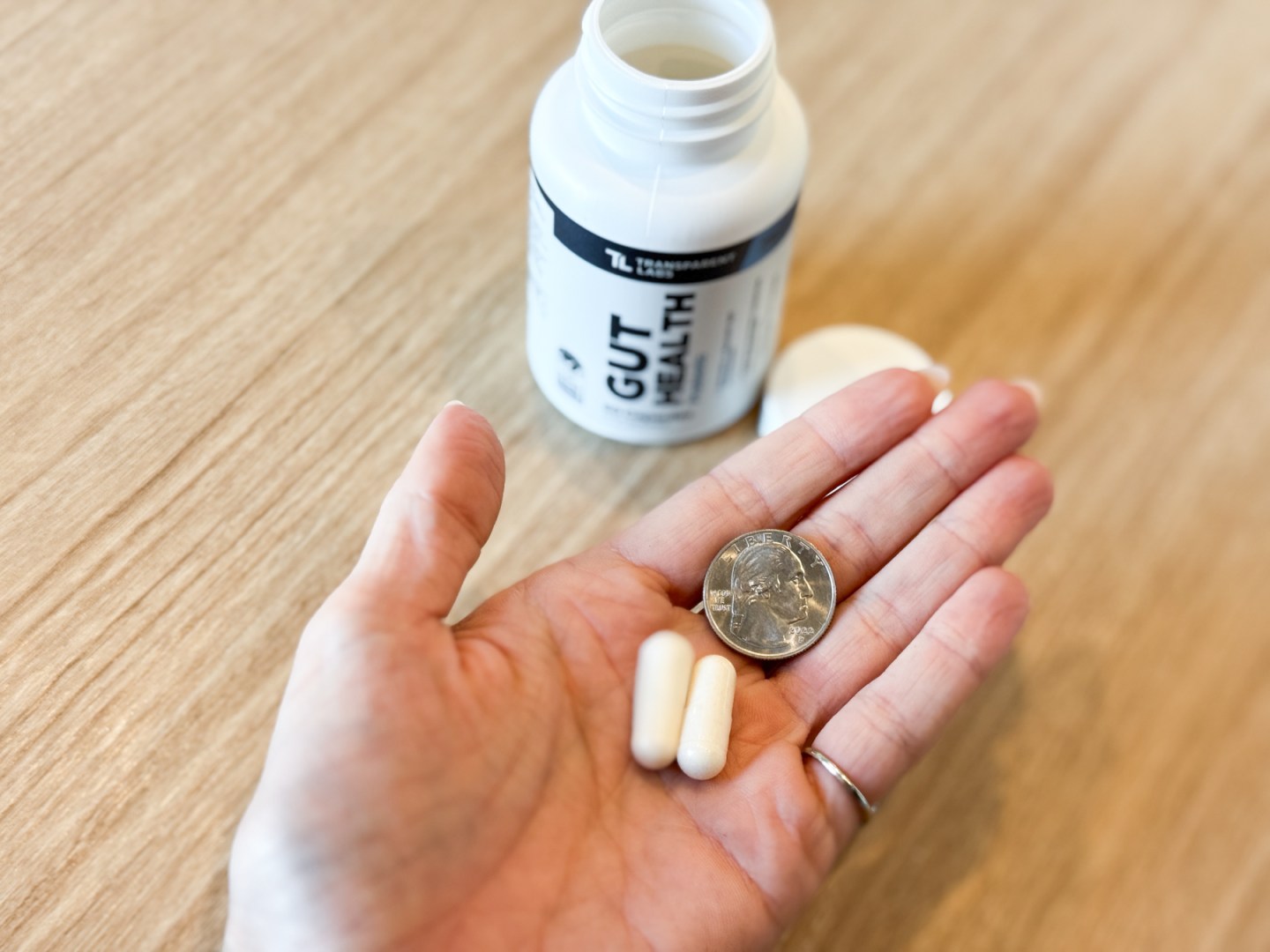
When taking the capsules, Pete didn’t notice any taste. “They’re clear capsules with white powder, about the length of a quarter and half a centimeter in width,” he wrote. However, he did rate the capsules a 3 out of 5 for swallowability, as they can be a little large for some folks.
Pete didn’t experience any side effects after taking Transparent Labs Gut Health probiotic, giving the supplement a 5 out of 5 in this category. Overall, he noted that this product contains a probiotic blend of 10 strains of probiotic bacteria. “The combined dose is 100 billion CFU, which is considered a strong probiotic supplement,” he said. “Multi-strain probiotics are generally better than single strain options, as they can have a more robust effect on the gut microbiome.”
Best Probiotic for IBS: VSL#3 Probiotics
VSL#3 Probiotics

This probiotic is classified as a "medical food" with higher potency and CFU count, all backed by plenty of scientific research
Anyone struggling with IBS who has a regular physician
- 112.5 billion CFUs per serving
- Travel-sized bottle
- Backed by Randomized Control Trials
- More expensive than other probiotics
- Physician approval recommended
- Probiotic strains only listed online
Our Thoughts on VSL#3 Probiotics
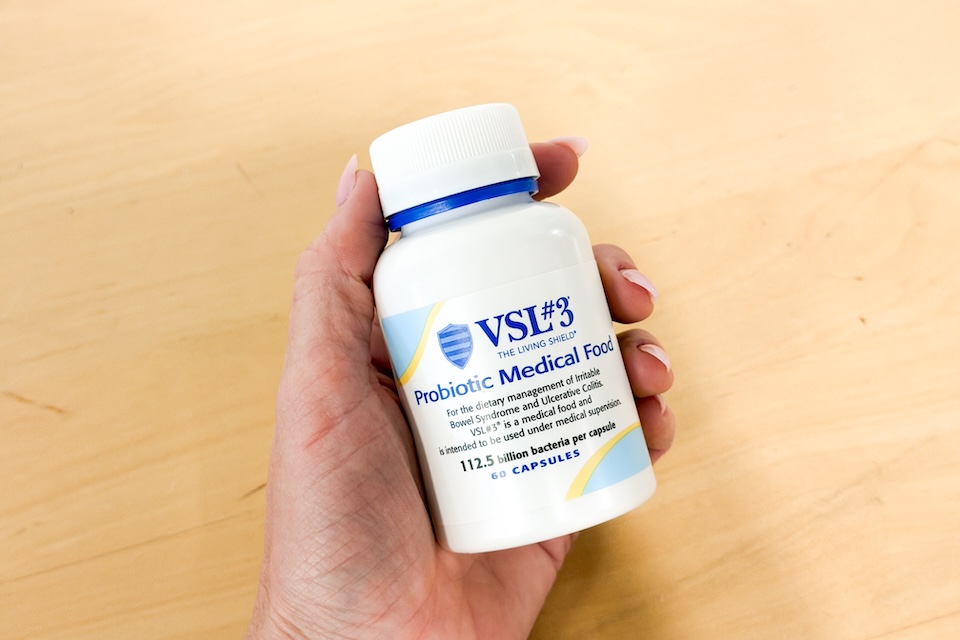
VSL#3 Probiotics are designed specifically to combat irritable bowel syndrome (IBS) and ulcerative colitis. As such, they have a higher potency than some of the other products on this list and should be refrigerated at 36 to 46 degrees Fahrenheit. “Each capsule contains 112.5 billion CFUs of probiotics, Pete says. “For context, most mainstream probiotics contain between 1 and 60 billion CFUs, so this is a more potent formula than what you’d typically grab off the shelf or buy online.”
Pete also noted that, as a formula, VSL#3 is technically classified as a “medical food,” and while that can be helpful in reducing IBS, it should also be taken under a healthcare provider’s supervision.
If your physician does think VSL#3 is the right fit, there are a lot of positives. Pete noted that the instructions are easy to read, and that the bottle is small enough to travel with. He ultimately gave the product a 4 out of 5 on first impression, mainly due to the inconvenience of refrigeration and that the specific probiotic strains are found online, rather than the bottle’s label. These include Streptococcus thermophilus, Bifidobacterium breve, Bifidobacterium lactis, and more.
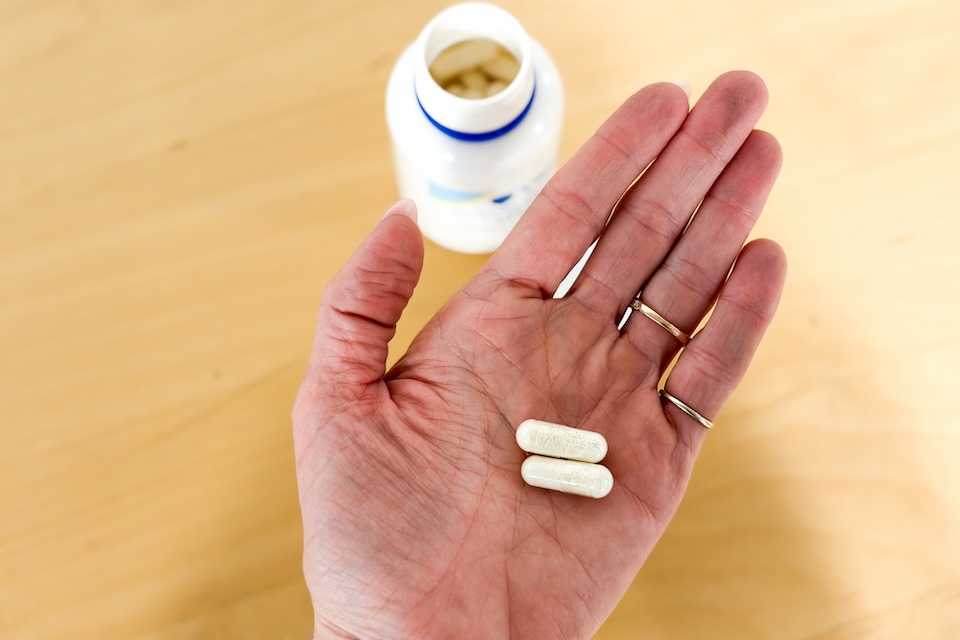
Another thing that makes VSL#3 Probiotics unique is its dosage. With physician approval, you can take two capsules as needed, up to four times a day, depending on how much your IBS flares up. Pete measured the capsules at about 1 inch in length and 1 centimeter in diameter.
Pete also called out this is a clinically supported supplement backed by plenty of scientific research. “The clinical evidence is genuinely strong compared to the vast majority of probiotic products,” he says. “The multi-strain approach at ultra-high potency is backed by real Randomized Control Trials in the specific conditions it targets.”
Best Budget Probiotic: Nutricost Probiotic Complex Capsules
Nutricost Probiotic Complex Capsules
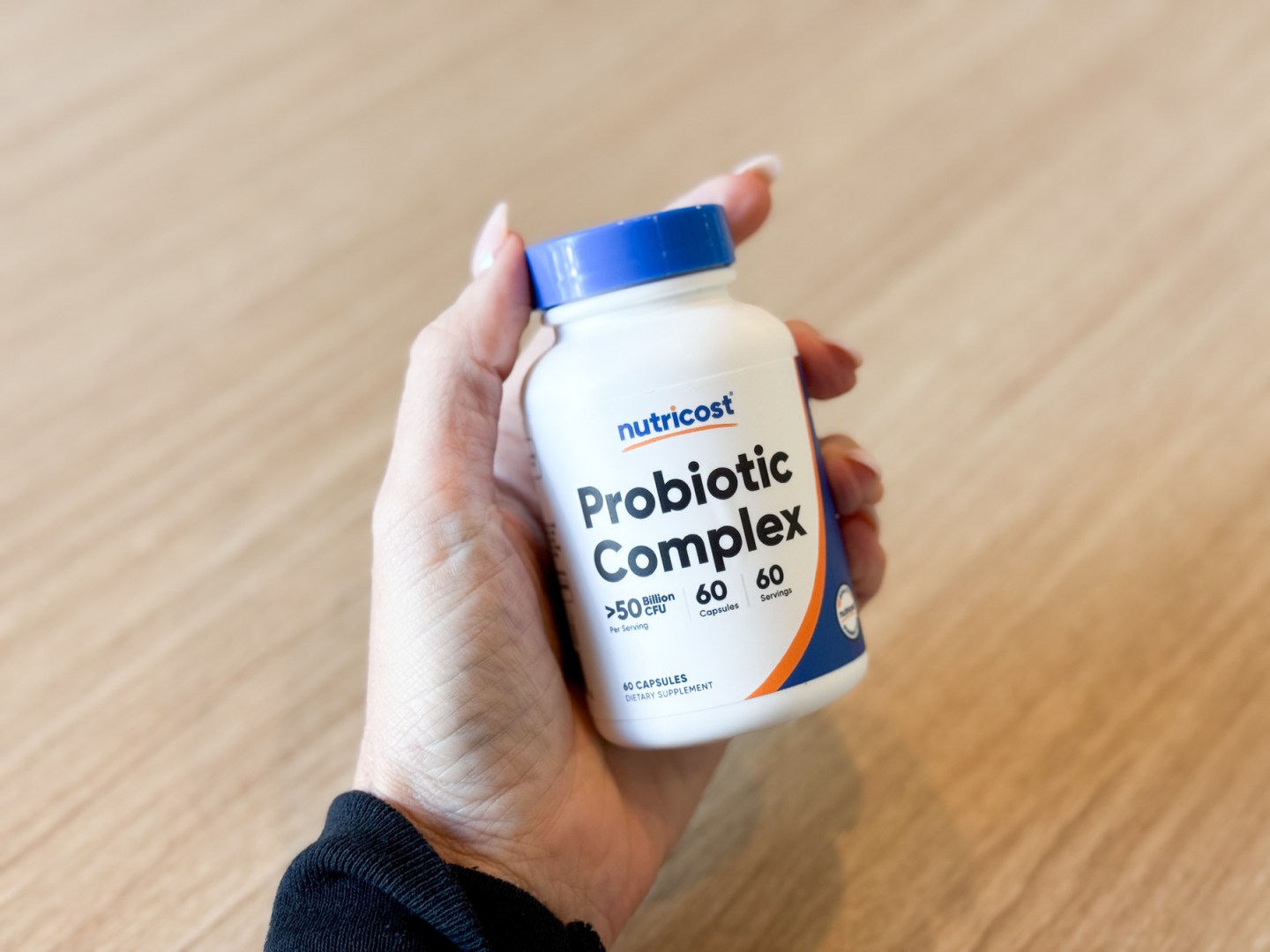
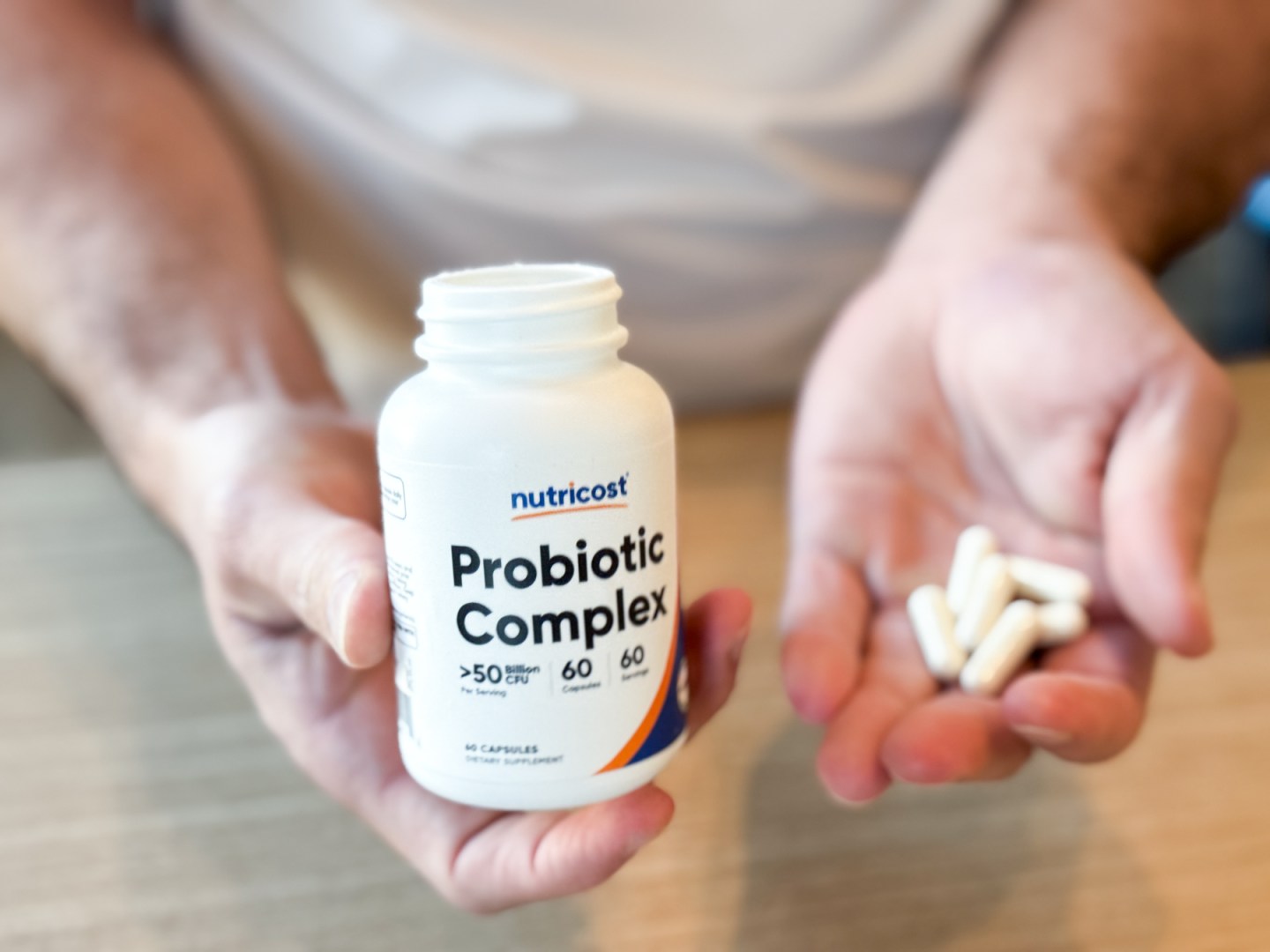
We like that the serving size is only one capsule per day and each bottle lasts two months
Folks new to probiotics looking for a cheap option
- Subscribe and save discount is 20%
- Non-GMO
- Made in a GMP compliant facility
- No added ingredients for other health benefits
- One billion CFU option may not be effective
- Refrigeration required after opening
Our Thoughts on Nutricost Probiotic Complex Capsules
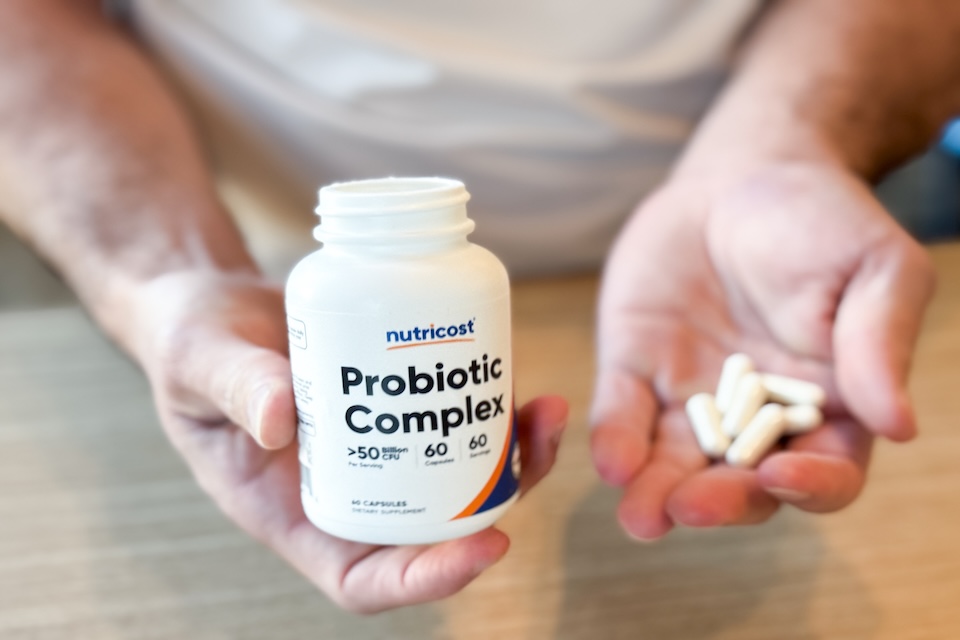
We chose Nutricost’s Probiotic Complex Capsules as our pick for the best budget probiotic; they cost less than 50 cents per serving and each bottle includes 60 days’ worth of servings. These probiotics have a fantastic value and include ten different strains of gut-supporting bacteria.
Pete tested Nutricost’s probiotics, rating them a 5 out of 5 for first impression. “The bottle is easy to open and close, and the label is easy to read. It’s a white plastic container with a simple white, blue, and orange label. It would be very travel friendly,” he said. Pete also rated the instructions as a 5, as they’re straightforward and quite easy to follow—take one capsule a day with eight to 12 ounces of water.
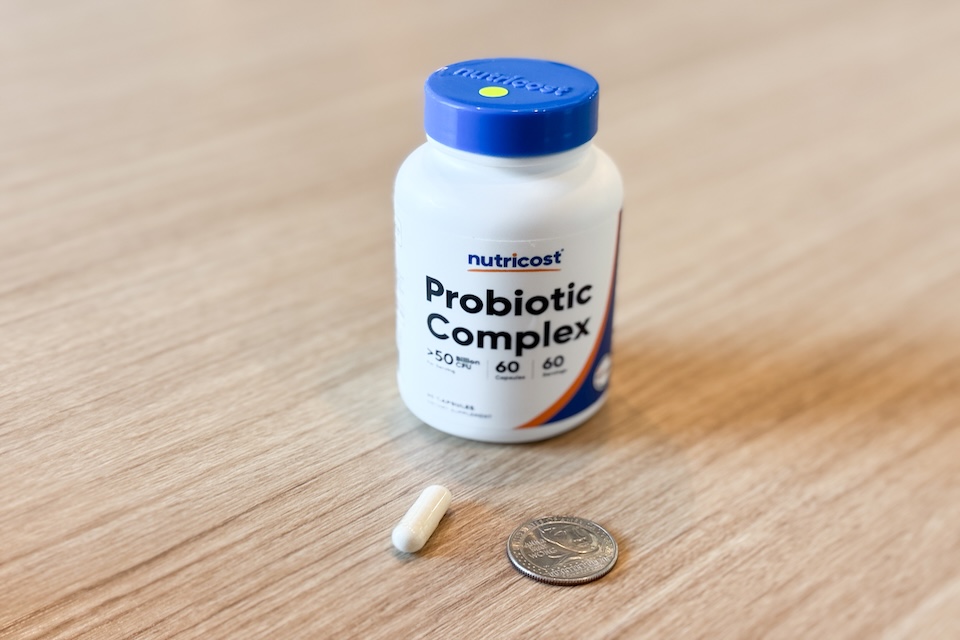
Of the capsules, Pete said, “They’re normal in size, about the length of a quarter and half a centimeter wide.” He rated them a 3 out of 5, noting that they’re easy to swallow. There was no taste to the capsules, he said. He didn’t notice any side effects or digestive issues after testing out Nutricost’s Probiotic Complex, rating it a 5 out of 5 in this category.
If you’re planning to purchase this probiotic, Pete recommends choosing one of the higher potency CFU options available. “Probiotic bacteria that are associated with a healthy gut flora have a combined dosage of greater than 50 billion CFUs,” he said. “This is generally a good sign for probiotics, though high CFU numbers don’t always correlate with the quality of the products. If you’re taking a probiotic to help with gut health, it’s generally recommended to have at least 10 billion CFUs.”
Best Probiotic for Men: Biotics8
Biotics8
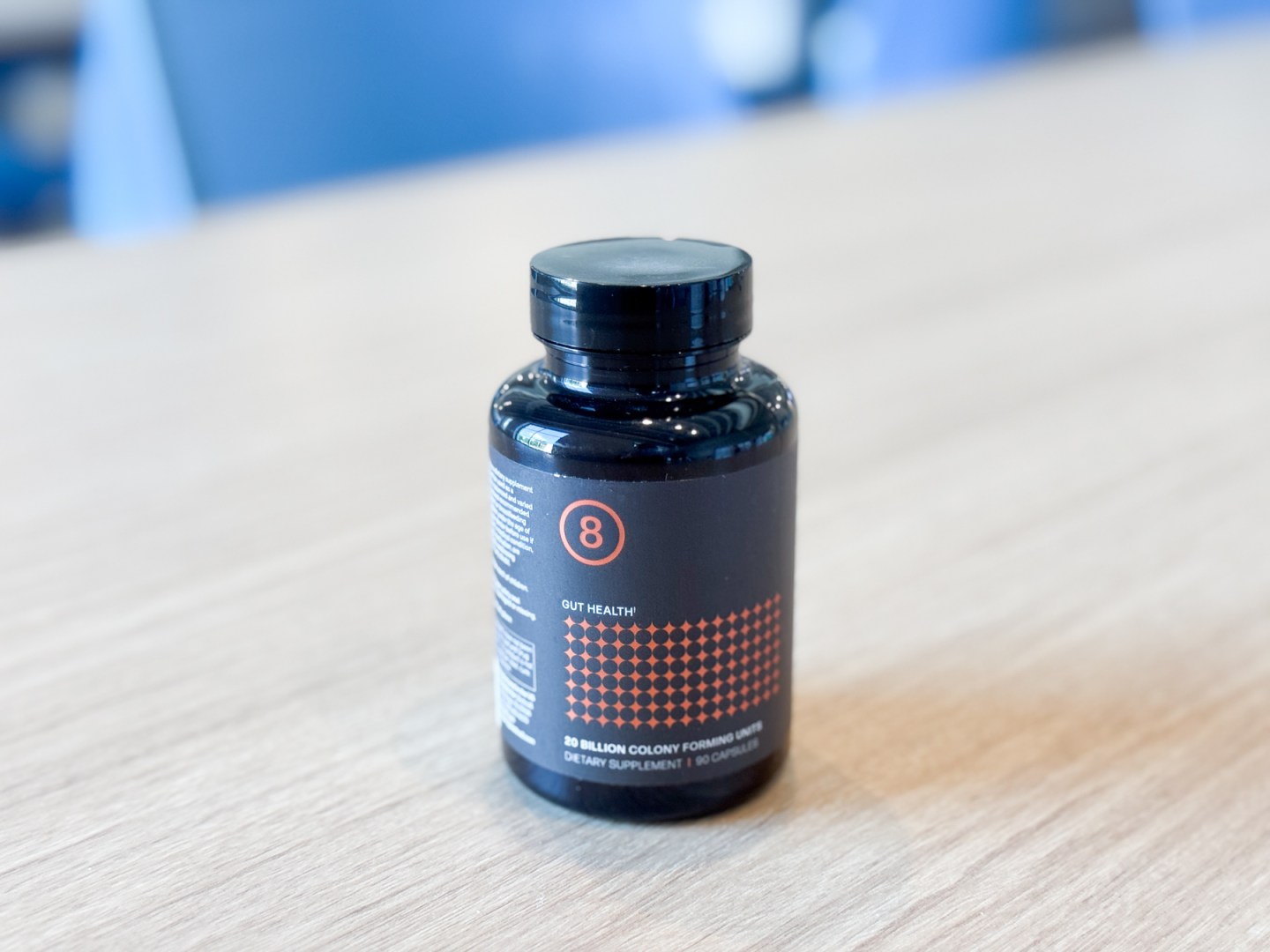
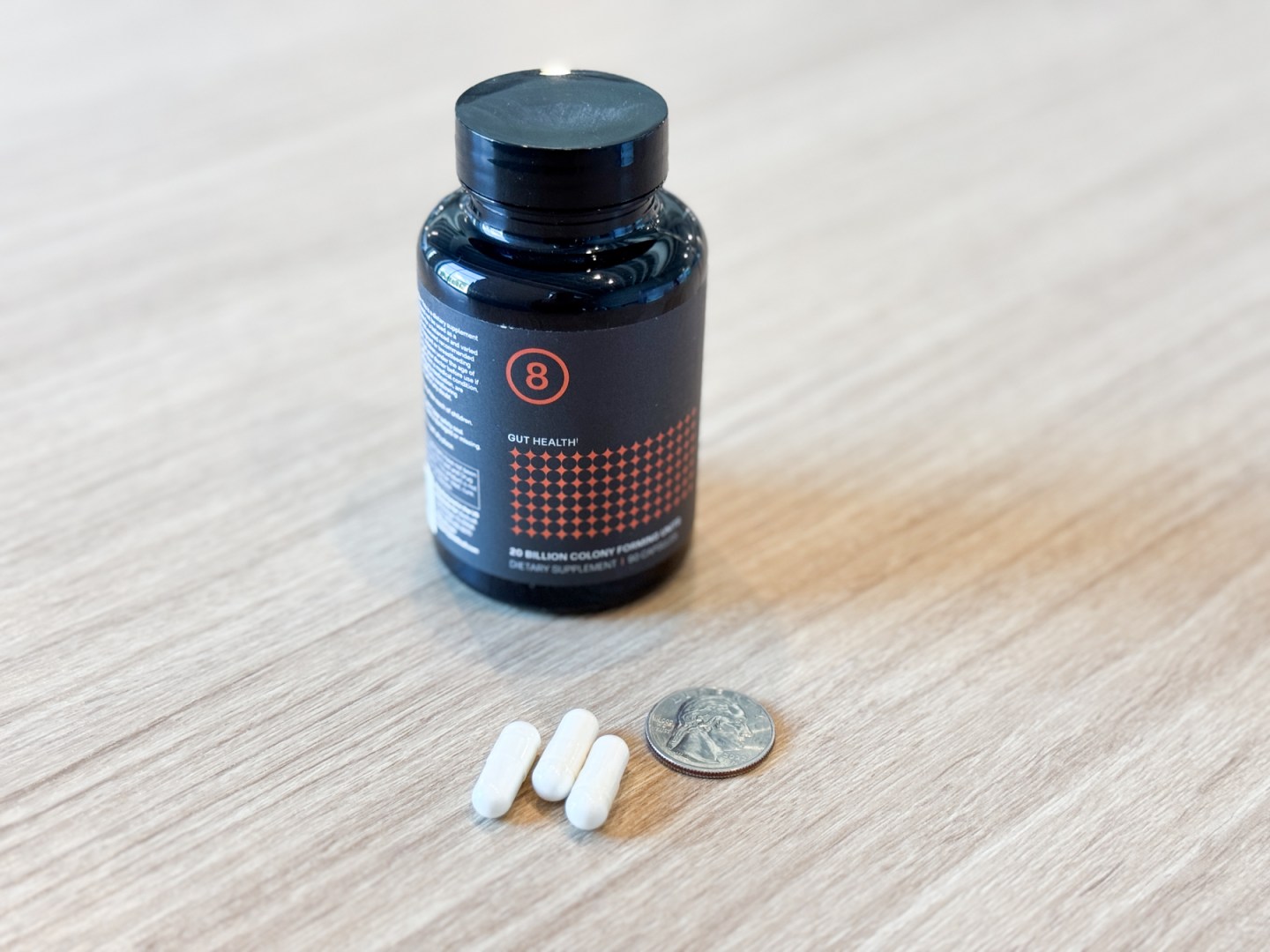
We like that the directions have you slowly ramp up your probiotic intake, reducing the possibility of side effects
Men seeking digestive health support as well as improved metabolism
- 60-day money back guarantee
- High CFU count
- Includes Vitamin D
- More expensive than other options on our list
- Only sold online, not in stores
- Large capsules
Our Thoughts on Biotics8
Biotics 8 is formulated specifically for men, containing multiple strains of probiotics, prebiotic fibers, Vitamin D, and digestive enzymes. We like the inclusion of both Lactobacillus plantarum and Lactobacillus acidophilus, which help to optimize your gut microbiome, reduce inflammation, and enhance metabolism. The inclusion of Vitamin D may also help to support men’s testosterone production.
Pete tested Biotics 8, rating it a 5 out of 5 for first impressions. The product comes in a black plastic container with a matte black label and has orange and white lettering. “It’s easy to read, easy to open and close, and is travel friendly,” Pete said.
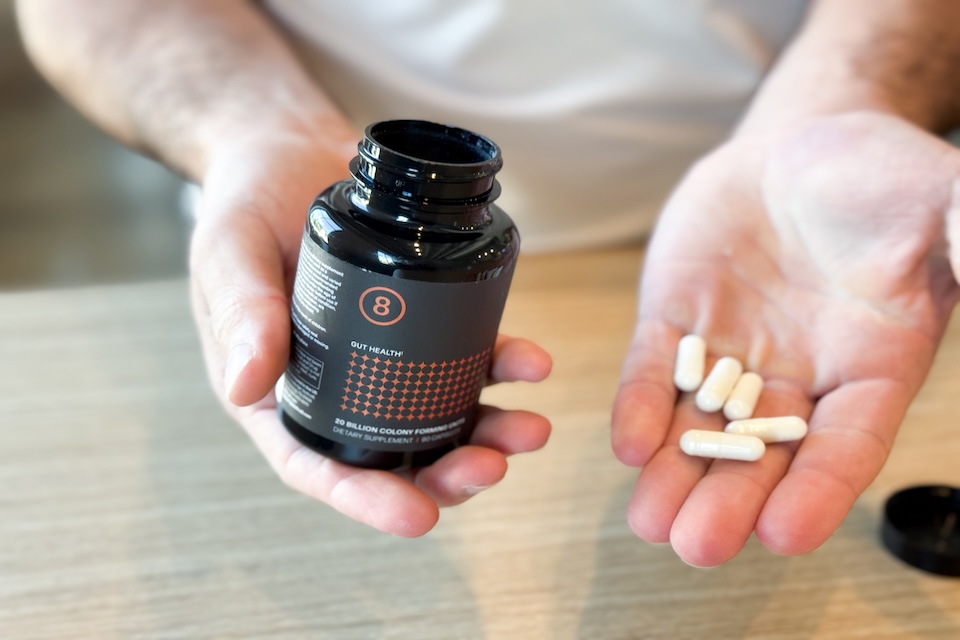
He found Biotics8 instructions relatively easy to follow, rating them a 3 out of 5 in this category. “For adults, it says to take one capsule per day for the first four days. Then for days five to nine, take two capsules per day. Then, after this you take three capsules per day going forward. The gradual introduction allows time for your gut to adjust,” Pete said. We like this initial ramping up phase, finding it helpful to avoid potential side effects.
Pete didn’t experience any side effects or digestive issues when taking Biotics8, rating it a 5 out of 5 in this category. Of the experience, he noted that the capsules are “small and clear, with white powder. The capsules are relatively small and easy to swallow. There was no taste or aftertaste to them,” he said.
Best Probiotic for Weight Loss: Bioma
Bioma
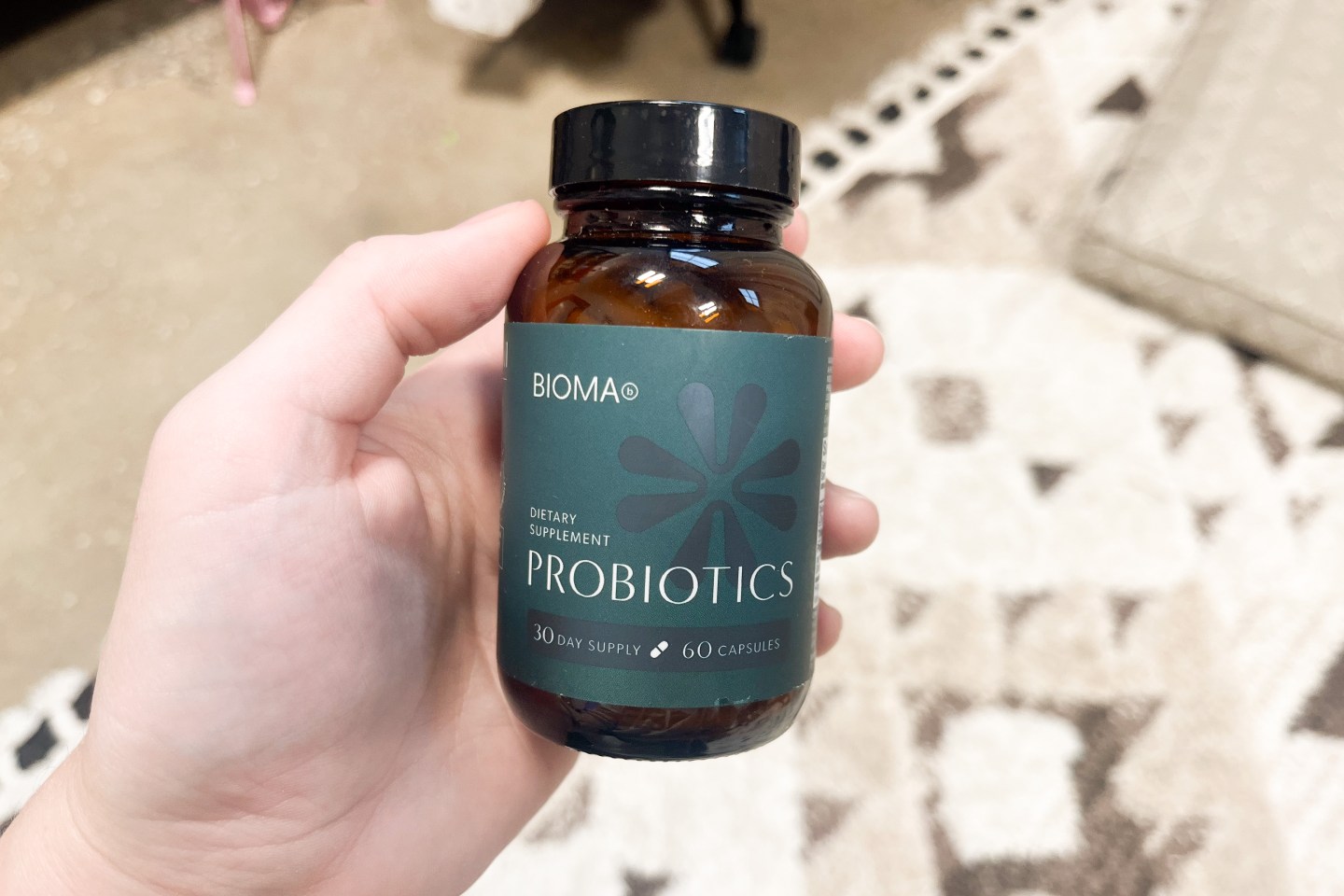
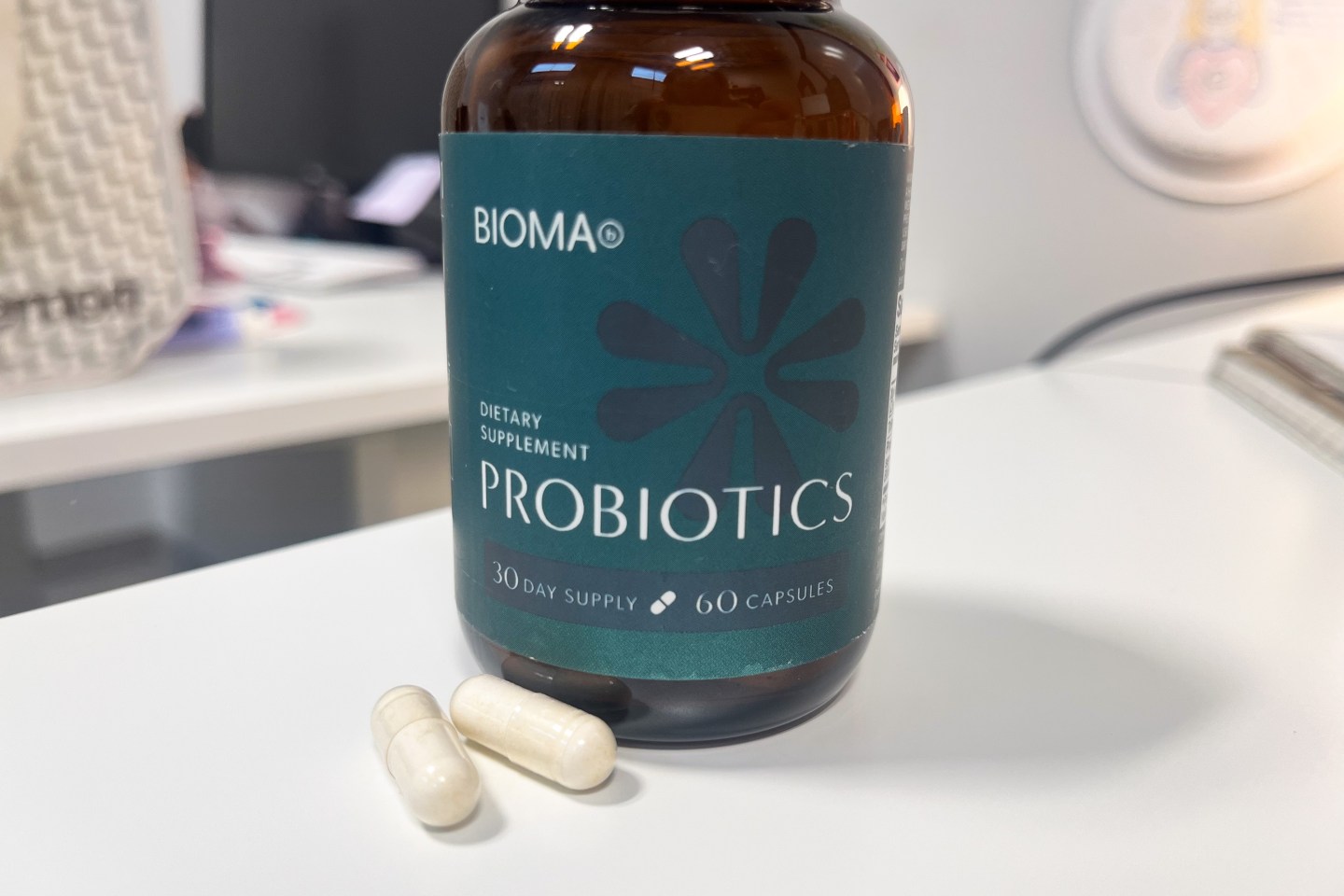
We like the targeted formula that includes Akkermansia muciniphila, which is clinically researched to have a link to metabolism benefits
Anyone concerned about maintaining gut health on their weight loss journey
- Includes very targeted probiotic strains
- Vegan, gluten-free, non-GMO
- Delayed-release capsule
- Undisclosed CFU amount
- Pricey
Our Thoughts on Bioma Probiotics
Plenty of probiotic formulas boast a high CFU count and a wide variety of bacteria strains. Bioma stands out for its targeted ingredient list, which contains a three-strain combination of akkermansia muciniphila, bifidobacterium infantis, and bifidobacterium lactis—clinically researched strains that have been linked to metabolic and intestinal health benefits.
Our tester Kate tried this supplement and gave the product a pair of 5s for first impression and ease of instructions. “I like the design and branding of Bioma’s bottles,” she said. “There were clear instructions on the back with small icons to show what this product is there to support.”
The dose is listed as two daily capsules, and Kate described the pills as “regular-sized” and “squishy,” not hard. She appreciated that the supplement is extended release, which makes the nutrients easier to absorb, and noted that they didn’t taste like anything. “It was easy to swallow both, but someone who does not like to take pills may not like the sensation of having both go down at once,” she said.
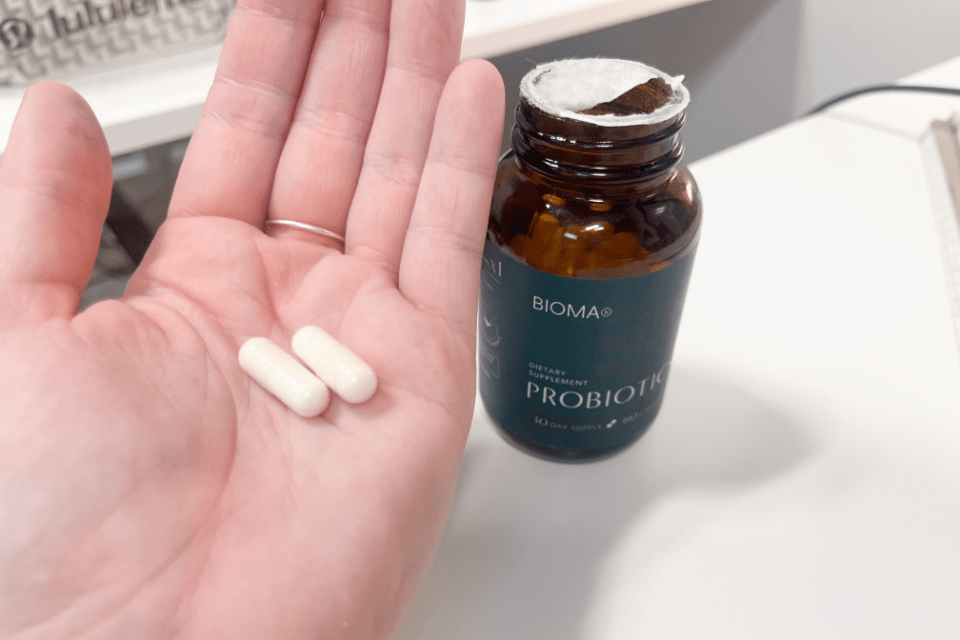
Kate said she had no side effects after taking Bioma, digestive or otherwise, and gave the probiotics a 5 for this category. This seemed generally in line with online reviews. “Some people online have noticed slight digestive comfort when first introducing this supplement to their body, but nothing that was super noticeable or long lasting,” she said.
Overall, her only qualm about recommending Bioma is that it’s pricey. (Also note that Bioma doesn’t disclose its CFU amounts.) However, Kate noted that it might be worth it if you’re looking to gain the potential metabolic benefits of akkermansia muciniphila. “This product would be a good choice for someone who doesn’t mind spending a little bit more than for a typical supplement to get some great benefits,” she said. “It says this not only supports gut health, but also bacteria balance and weight loss. That’s a good addition to your daily lineup if you are also on a weight loss journey.”
Best Probiotic With Prebiotics: Luma Nutrition
Luma Nutrition
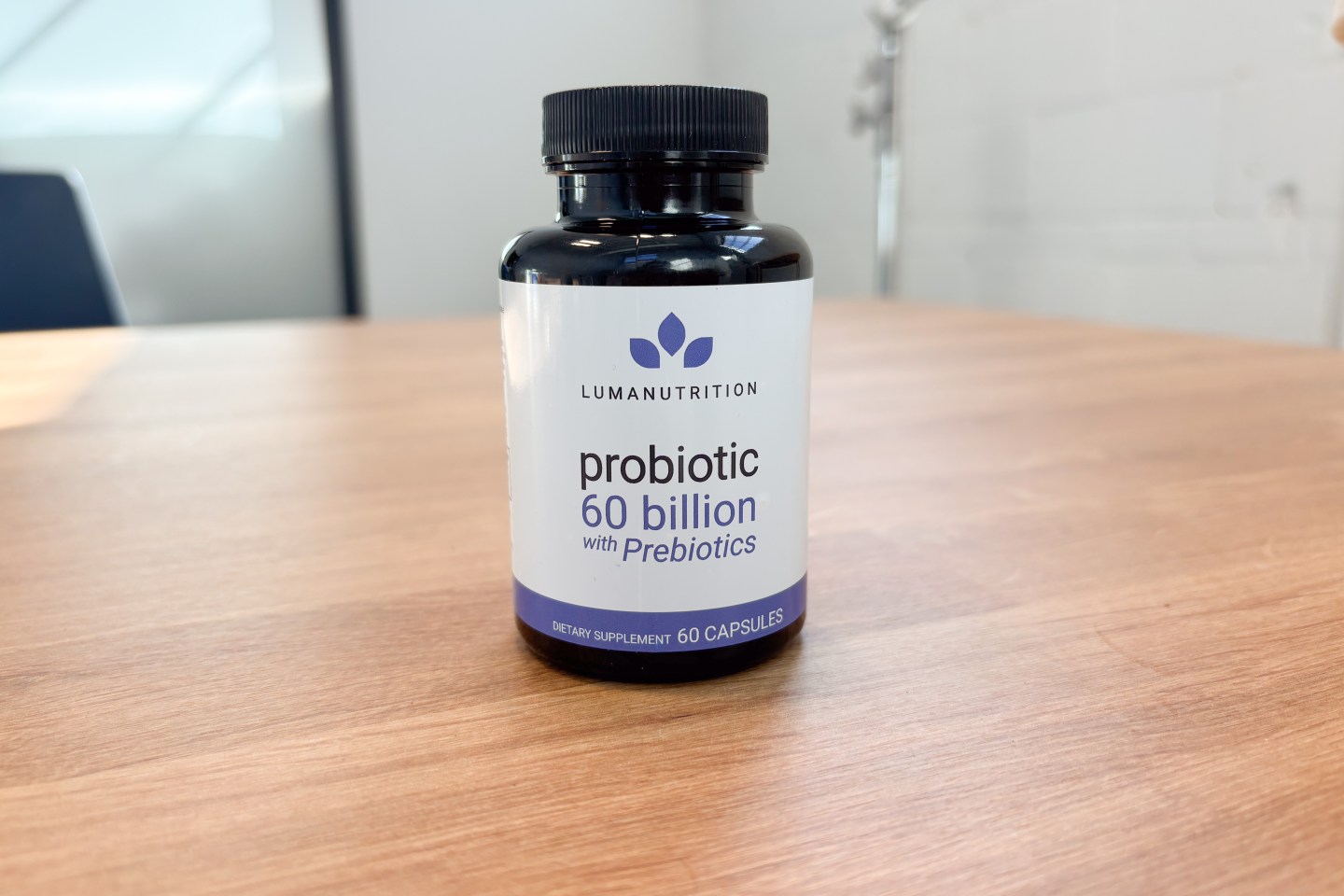
It has a high CFU count and four research-backed probiotic strains, plus prebiotic fiber
Anyone concerned about their gut flora, digestive health, and nutrient absorption
- Made in the USA, in GMP-certified facilities
- Third-party tested
- Vegan, non-GMO, gluten-free
- Doesn’t list amount of prebiotics or type
- Pricier than some options
Our Thoughts on Luma Nutrition
We chose Luma Nutrition as our top choice of probiotics with prebiotics because it packs a powerful dose of the two into a synbiotic formula for ultimate gut health.
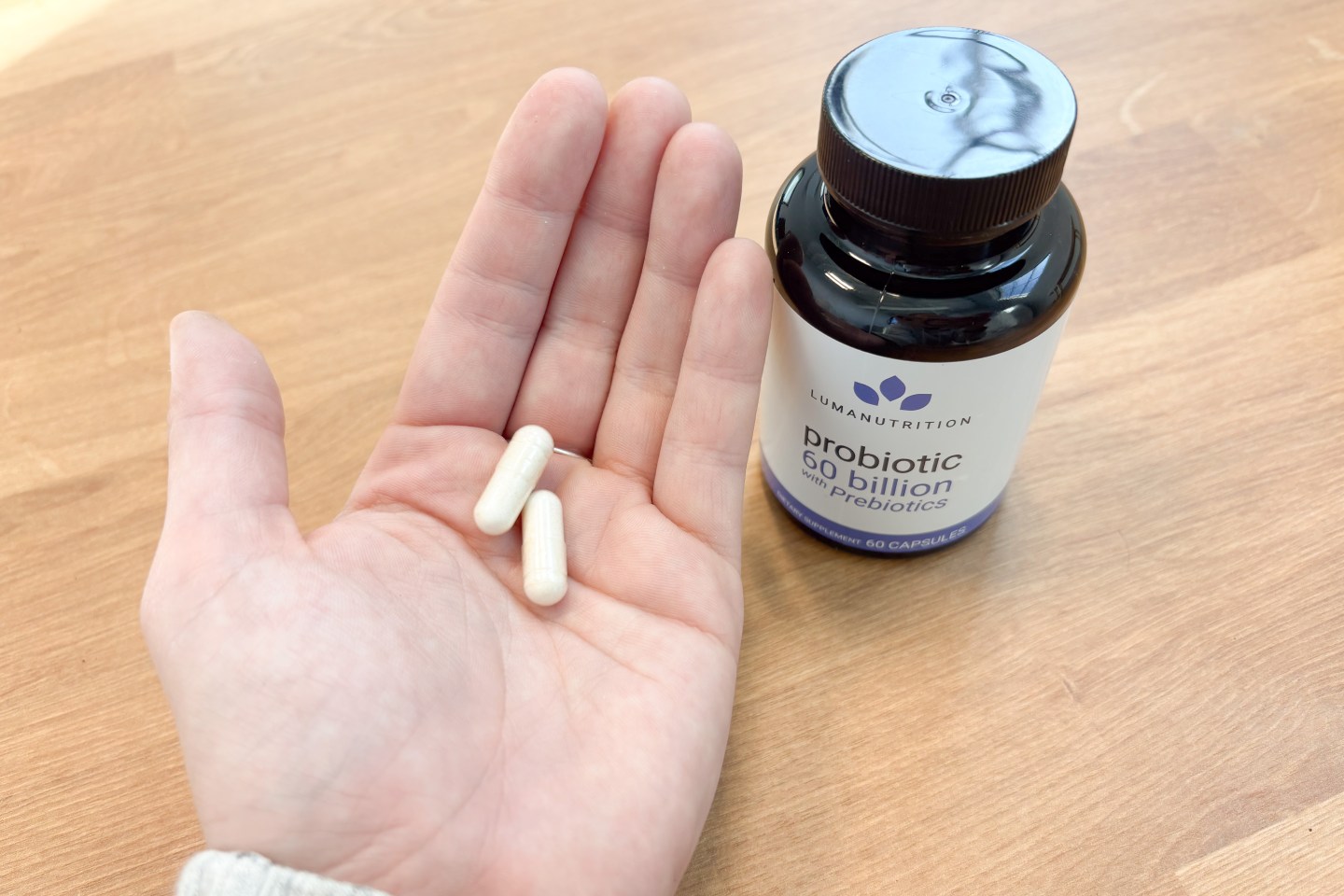
Prebiotics are a type of indigestible fiber that helps lay the groundwork for healthy gut flora to thrive. Probiotics are live organisms, like yeast and bacteria, that then feed on the prebiotics and produce more healthy microbes. In every two-capsule dose of Luma, the two work together to create and maintain a healthy digestive system. The brand also makes a version with a slightly tweaked formula for women who are looking to optimize vaginal flora, as well.
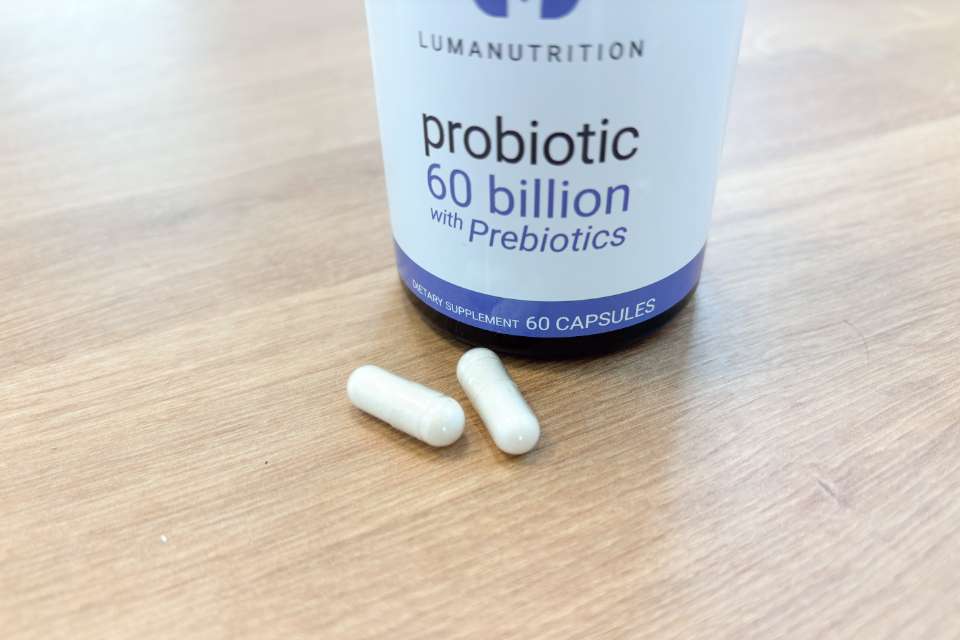
Our tester Pete tried the standard version of this probiotic and found the container to be convenient and portable. He found them equally easy to consume, and gave Luma a 5 in both categories. “The capsules are slightly smaller than average, a little less than an inch in length and about 1/2 cm in diameter,” he said. He gave them just a 3 for flavor, which isn’t uncommon for probiotics. “The capsules have a slight earthy taste to them,” he said. “That said, they are small in size and you can swallow them quickly.”
Pete didn’t experience any negative side effects or digestive reactions to the capsules and ultimately came away with a positive view of the formula. “At 60 billion CFUs, this would be considered a strong probiotic supplement,” he said. “It contains four well-studied strains of probiotic bacteria, which have been shown to support digestive health. It’s also manufactured in a GMP-certified facility and independently third party tested.”
Best Probiotic for Bloating: AG1 Next Gen
AG1 Next Gen
Our tester loved the taste and texture of this greens powder
Folks looking for full vitamin and mineral greens supplement that also has probiotics and enzymes to prevent bloating
- NSF Certified for Sport
- Broad range of ingredients and potential benefits
- Gluten-free, non-GMO, vegan
- Not clear how many CFUs of each strain are in the blend
- Pricey
- Contains proprietary blends
Our Thoughts on AG1 Next Gen
AG1’s new Next Gen formula takes the brand’s original recipe of 75 vitamins, minerals, and more, and adds five researched-backed probiotics to the mix, including forms of Lactobacillus and Bifidobacterium. Together these nutrients have been “shown to enrich key probiotic species in the gut” and increase healthy bacteria by over 10 times, according to three randomized trials touted by the brand. Thanks to the added enzymes in AG1, we also didn’t notice any bloating with these digestive benefits.
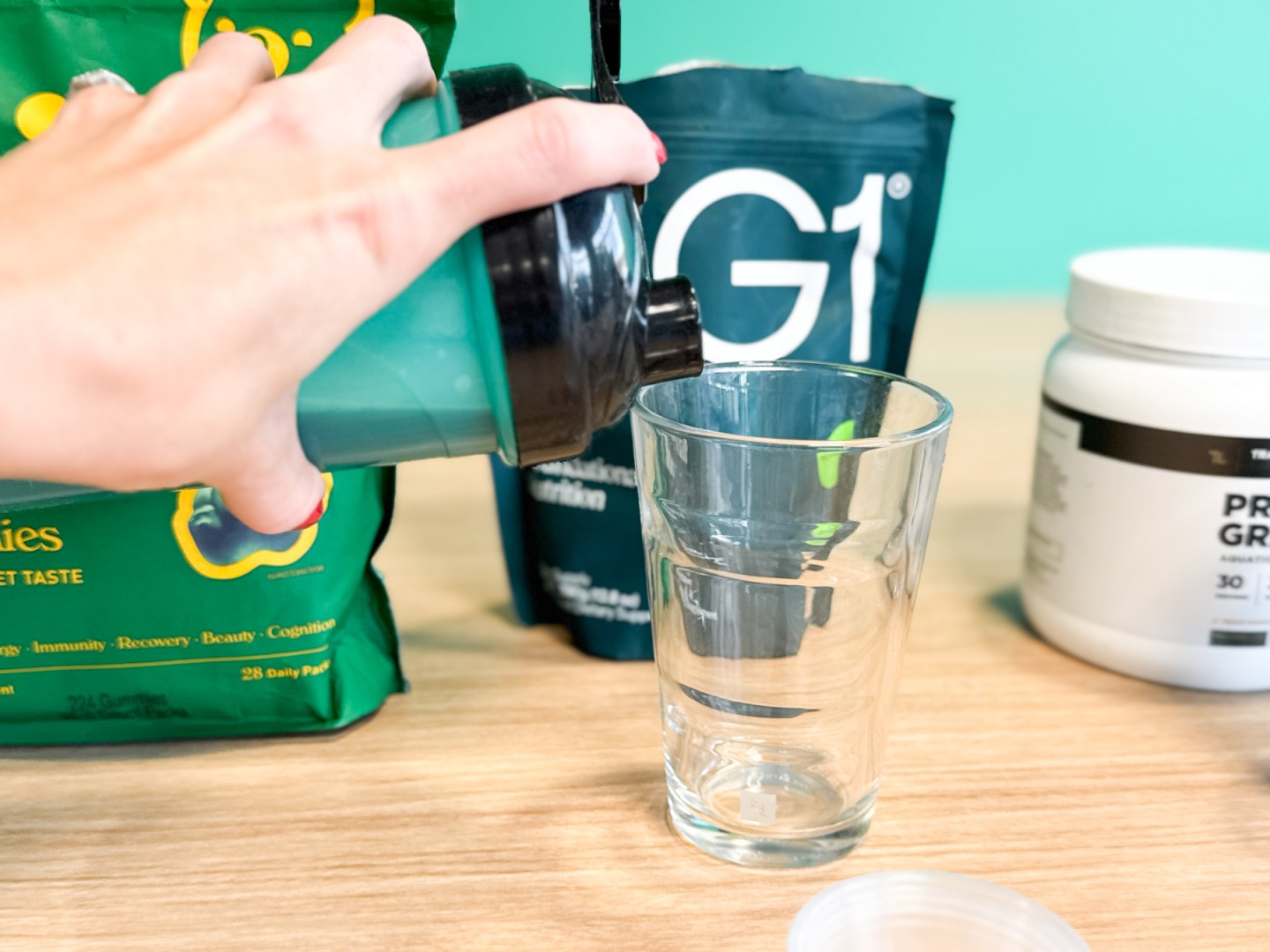
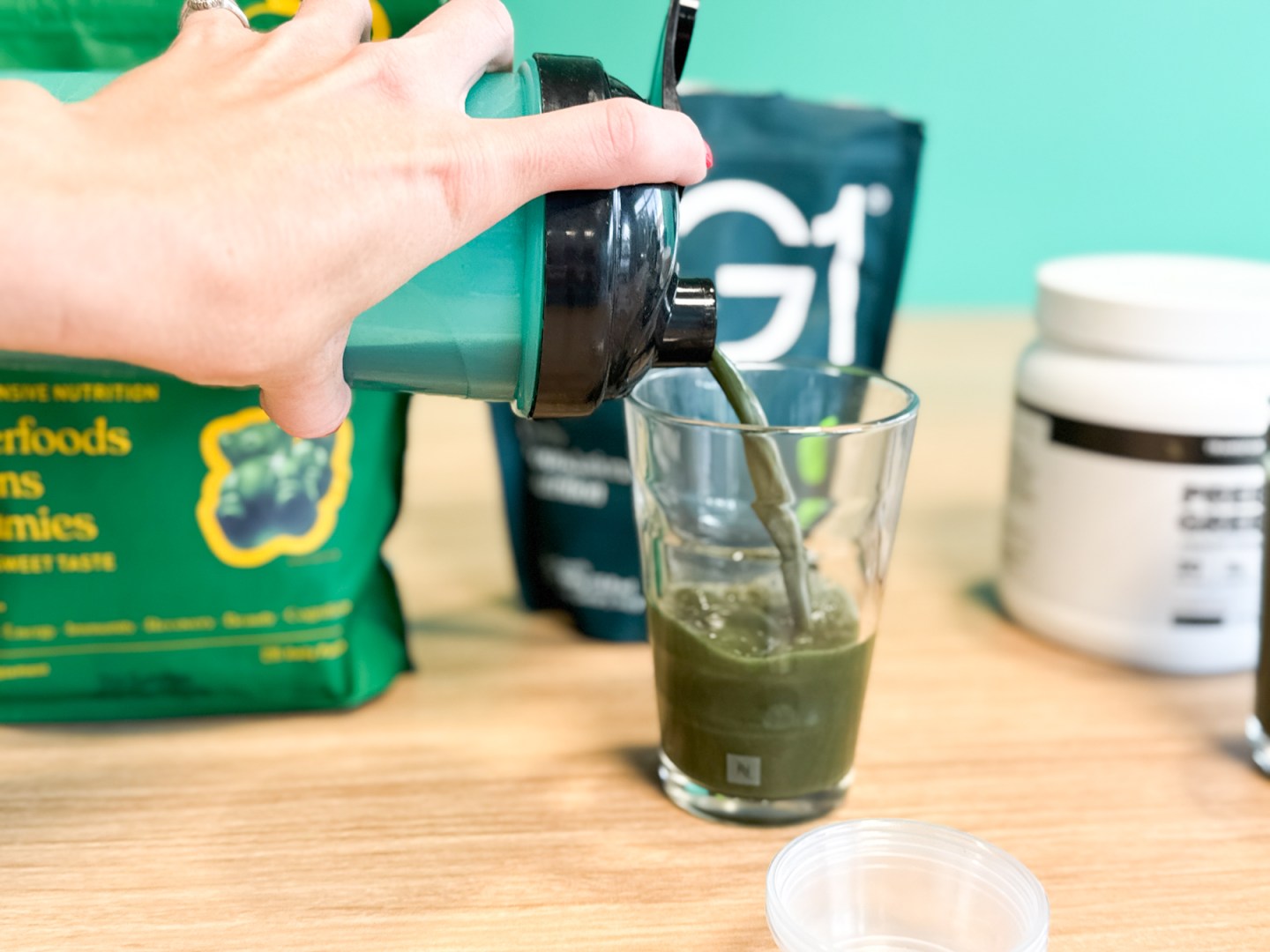
Our tester Kayla had a great first impression of the product and liked the transparent labeling on the packaging. “The ingredient profile is impressive with a focus on covering a broad range of vitamins, minerals, probiotics, and adaptogens in one formula,” she said. Once she mixed a scoop into a glass of water, Kayla had similar positive feedback on the taste and mixability and gave both a 5 out of 5.
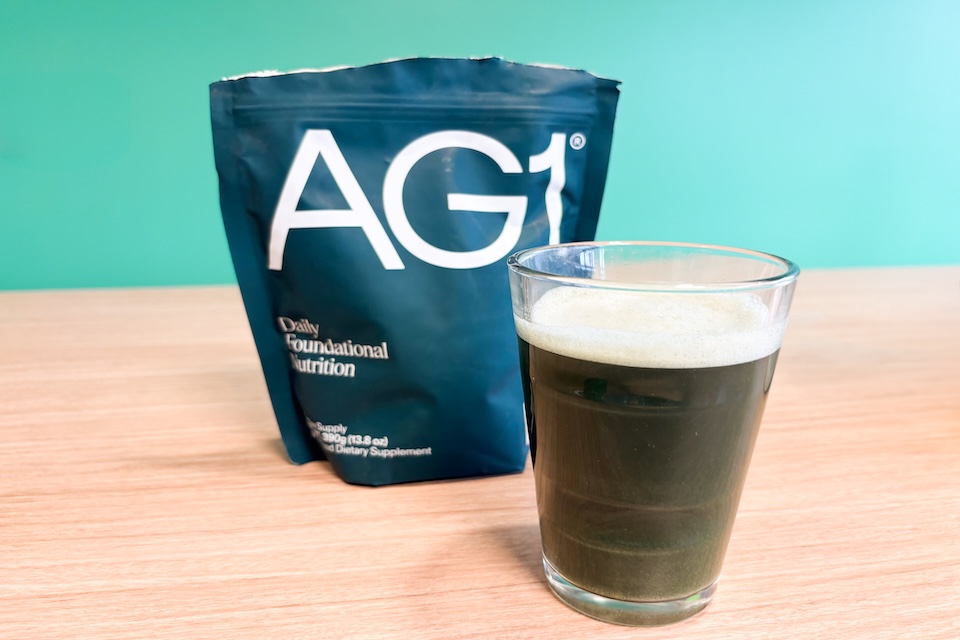
“The taste of AG1 is mild and earthy, with subtle hints of sweetness of vanilla that help soften the greens flavor,” she said. “It’s not overly sweet and I can taste the stevia slightly but it’s not overwhelming. I honestly love the taste of the new formula and think it has improved overall. There’s no strong bitterness and the drink feels really well balanced. The mouthfeel is smooth and light, with a thin frothy layer on top from shaking. It’s not gritty or chalky. The texture is closer to a light juice than a thick smoothie, making it easy to drink quickly.”
Kayla encountered zero side effects after consuming the drink, though she noted that someone sensitive to stevia might have a different experience. “Overall I felt pretty light overall, my stomach didn’t feel full or bloated,” she said. In that regard she felt that the Next Gen version was an improvement over the regular AG1. “The new formula keeps the great taste and convenience I love, but now packs in clinically studied probiotics, more bioavailable vitamins, and extra minerals to close nutrient gaps,” she said.
Best Probiotic for Vaginal Health: Wisp Equalizing Probiotics
Wisp Equalizing Probiotics
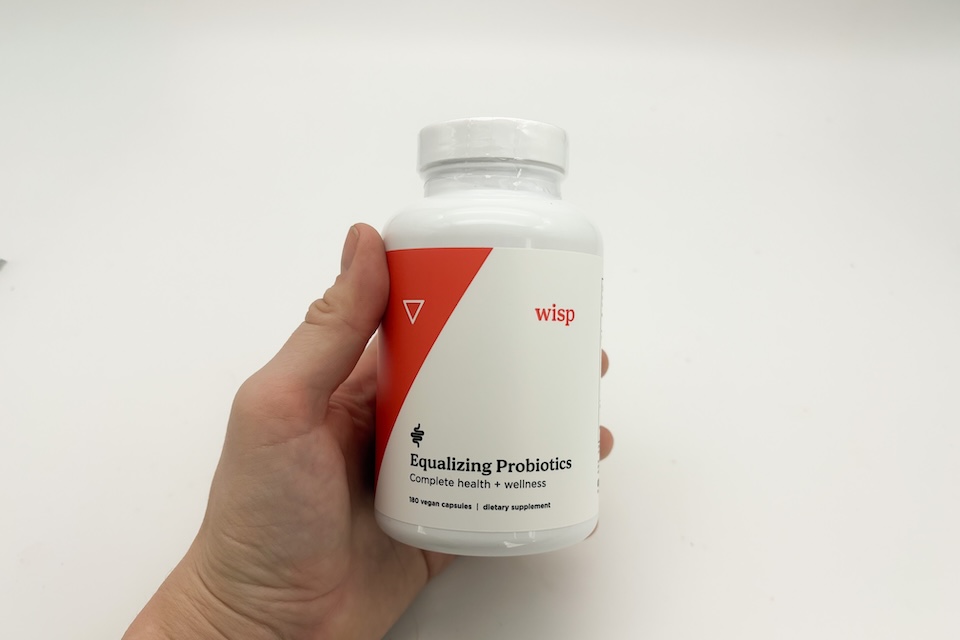
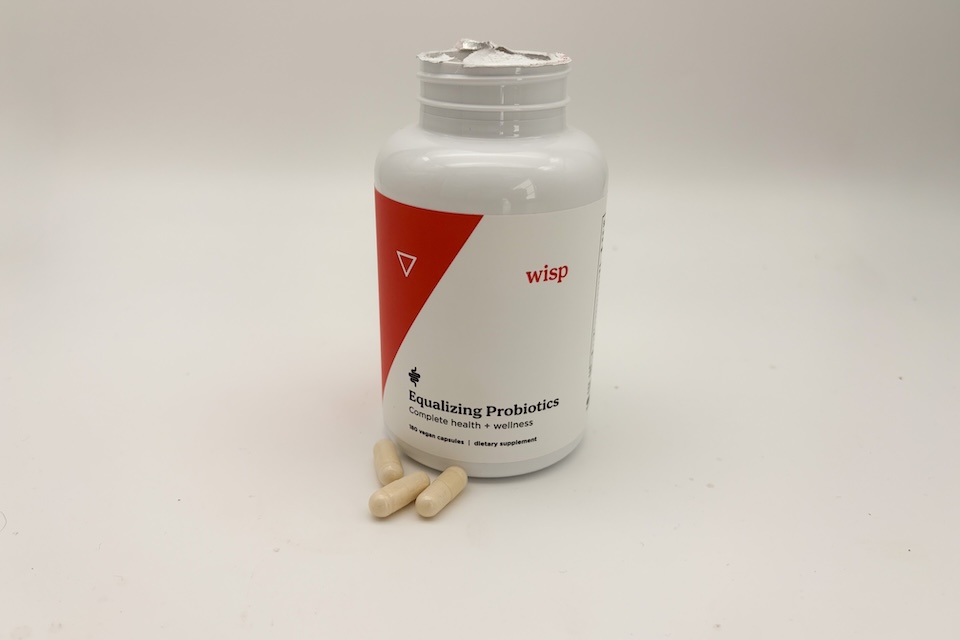
These capsules contain three different probiotic strains that are beneficial to vaginal health
Women looking for a probiotic that can help restore healthy vaginal flora, maintain ideal vaginal pH, and combat odor-causing bacteria.
- Easy-to-follow instructions
- Nine probiotic strains in total
- Only $0.45 per serving
- No taste
- Not third-party tested
Our Thoughts on Wisp Equalizing Probiotics
Wisp Equalizing Probiotics is our top pick for vaginal health due to three of its probiotic strains: Lactobacillus acidophilus, Lactobacillus rhamnosus, and Lactobacillus reuteri,. These strains, taken alone or combined, may help restore healthy vaginal flora, maintain ideal vaginal pH, and combat odor-causing bacteria.
Our tester rated Wisp Equalizing Probiotics a 5 out of 5 for first impression, praising the packaging’s minimalist aesthetic and noting that the instructions are easy to read. They said the bottle was also very easy to open and shut, while still feeling secure.
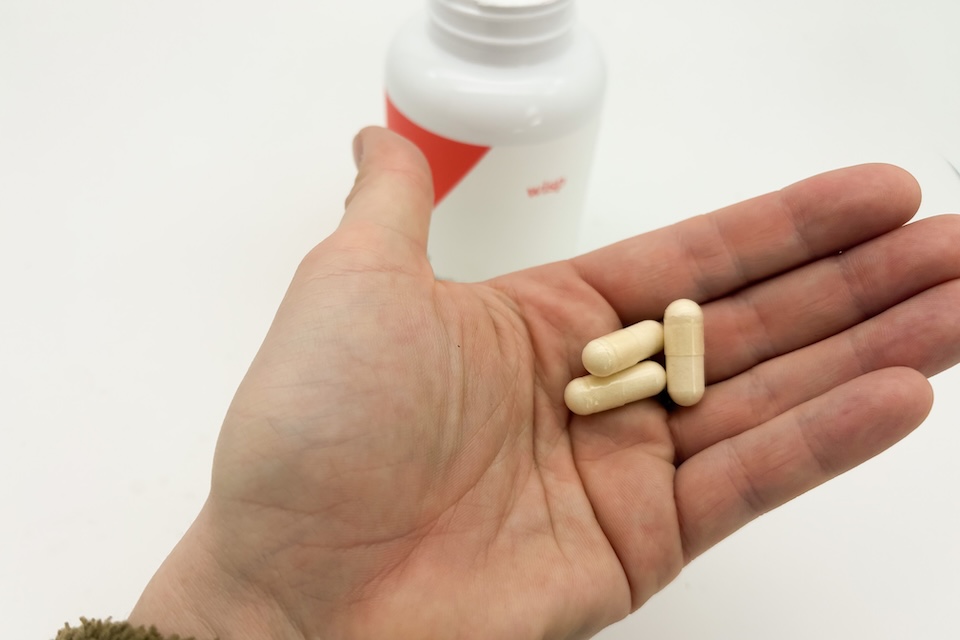
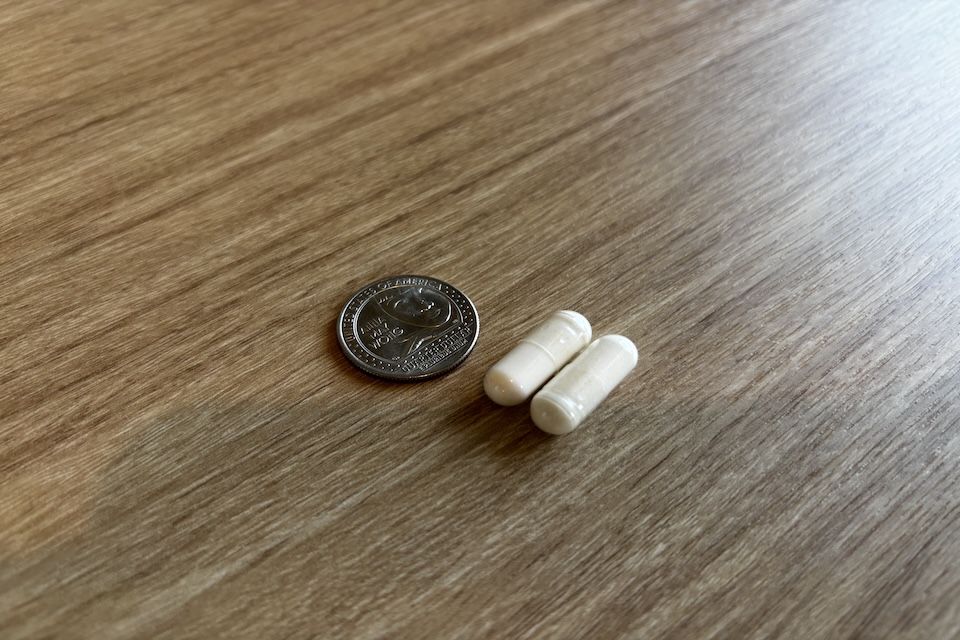
For swallowability, our tester gave this supplement a 3, saying, “The capsules are clear, and the powder is off-white in color. They’re also fairly small in size (about 3/4 of an inch in length and 1/2 a centimeter in diameter), and don’t really have any taste.” This is all pretty standard for most probiotics. The serving size is two capsules a day.
As for side effects, our tester rated Wisp Equalizing Probiotics a 5, as they experienced no side effects from taking these capsules. They also found the price point to be solid, as this is one of the most affordable options on our list at just $0.45 a serving. Our only real complaint is that these probiotics haven’t yet been third-party tested, although they are non-GMO and doctor-formulated.
What Is a Probiotic?
Probiotics are “good” bacteria and yeasts that, when eaten in the right amounts, help keep your gut healthy. They’re found naturally in certain fermented foods—like yogurt, kimchi, and sauerkraut—or can be taken as supplements.
These beneficial microbes help restore balance in your digestive system, crowding out harmful bacteria, while helping support normal body functions. By keeping your gut in check, probiotics may ease digestive discomfort, help your immune system, and support your overall well-being, especially when things like stress, poor diet, or antibiotics disrupt your gut’s natural balance.
Probiotics vs. Prebiotics
How We Tested and Selected the Best Probiotics
We tested and evaluated greens powders and scored them on a scale of 1-5 for factors such as first impressions, swallowability, formula, third-party testing, and price per serving. Our testers evaluate the products based on their own individual experiences and preferences. We then review their testing feedback and data to share our findings and recommendations with you.
Formula
We work with a registered dietitian (RD) during testing to find the most effective and safely formulated probiotic supplements. We look for probiotics that clearly list the specific strain of bacteria on their labeling, since different strains provide different benefits. We also check that the probiotics have at 10 billion colony-forming units (CFUs) per serving. This is the dosage needed for effectiveness but we still recommend working with your doctor or a registered dietitian to find the best formula for your body.

Swallowability
When testing and selecting probiotics, we also check the ease of swallowing the supplements. Many adults have difficulty swallowing pills, which may lead to skipping doses or quitting your daily supplement routine. A probiotic that’s easier to swallow can mean better consistency, ensuring that you get the full gut-health benefits from the product.
Third-Party Testing
Third-party testing ensures independent verification of safety, purity, as well as nutrition label accuracy. This helps to reduce the risk of mislabeling or underdosing. Third-party testing also checks for harmful substances such as heavy metals, pesticides, and more for safety.
The FDA (U.S. Food and Drug Administration) does not regulate supplements, so it’s vital to have independent testing done to ensure safety, accuracy, and quality.
Value
When considering value, we place a premium on brands that source their ingredients in America and have certifications, such as Informed Choice.
- Best Probiotic Overall: Seed Daily Synbiotic
- Best Value Probiotic: Swolverine Probiotix
- Best Probiotic for Women: Perelel Daily Probiotic
- Best Probiotic Formula: Ritual Synbiotic+
- Best Probiotic for Gut Health: Transparent Labs Gut Health
- Best Probiotic for IBS: VSL #3 Probiotics
- Best Budget Probiotic: Nutricost Probiotic
- Best Probiotic for Men: Biotics8
- Best Probiotic for Weight Loss: Bioma
- Best Probiotic with Prebiotics: Luma Nutrition Probiotic
- Best Probiotic for Bloating: AG1 Next Gen
- Best Probiotic for Vaginal Health: Wisp Equalizing Probiotics
How to Find the Best Probiotics for You
Everyone has different reasons for taking a probiotic, depending on your goals, dietary needs, allergies, and any health conditions you manage.
Here’s what to consider when selecting the best probiotic supplement for you.
Your Body’s Needs
Not all probiotics work the same way; their effects are strain-specific. Your body type, immune system, digestive environment, genetics, and sex can all help determine your response to a particular probiotic strain. To optimize your benefits, choose a probiotic based on the health condition you are managing, along with any dietary needs or goals.
That said, if you’re experiencing symptoms that affect your day-to-day tasks, we recommend speaking with a healthcare professional before trying any new supplements.
Common Symptoms
- Abdominal pain and bloating: Lactobacillus plantarum 299v, Bacillus coagulans LBSC
- Diarrhea: Saccharomyces boulardii, Bifidobacterium animalis subsp. lactis BB-12
- Constipation: Lactobacillus acidophilus, Bifidobacterium bifidum
Formula
We recommend talking with your doctor about the best probiotic for your body. Since probiotics can vary by strains included, your doctor or gastroenterologist can help with suggestions on the best kind for your dietary needs, health goals, and conditions you are managing.
Cost
Supplements can be expensive, so it’s important to think about your budget when considering adding a new supplement to your daily routine. Some probiotics require you to take multiple capsules per day, which means you may need to buy the probiotics more frequently than once every few months.
Third-Party Testing
Third-party testing independently verifies the safety, purity, and label accuracy of probiotics since the FDA doesn’t regulate supplements. This process helps protect you from mislabeling, contamination, and banned substances, building trust and ensuring you can use products with confidence. Independent testing is essential for confirming product quality and safeguarding your health.
Benefits of Probiotics
Taking probiotics can help keep your digestive system balanced, boost immunity, and may even have effects that reach beyond your gut. Here are some of the benefits:
- Improved gut health: Probiotics can help balance your gut microbiome, supporting regular digestion and easing issues such as bloating, constipation, and diarrhea.
- Lower risk of GI diseases: Regular use of probiotics may lower the risk or severity of gastrointestinal problems, such as IBS
- Immune support: Some probiotic strains can help strengthen the immune system by supporting a healthy gut barrier
- Cardiovascular and metabolic health: Some probiotics have been linked to lower cholesterol levels and better regulation of blood sugar, though they don’t create a direct cause and effect
When to Take Probiotics
There’s no best time of day to take probiotics—what matters most is taking them regularly at a time you’ll remember. With probiotics, consistency is key, as it can take several weeks or months before beneficial effects set in.
We suggest checking the label of the supplement you choose to see if there are directions for when the probiotic is best taken. If not, we recommend taking your probiotic along with your breakfast each day.
What to Avoid
When selecting a probiotic, there are some aspects to avoid:
- Artificial sweeteners, fillers, or other additives, as these can cause stomach upset or possible allergies
- Products that don’t clearly list the specific strains or count
- Products that don’t include directions on storage—refrigeration is often needed
- Products that don’t guarantee live bacteria by the expiration date
Frequently asked questions
What is the most effective probiotic on the market?
Our team selected Ritual’s Synbiotic+ as our pick for the best overall probiotic because of its inclusion of two of the most clinically validated strains: Lactobacillus rhamnosus and Bifidobacterium animalis ssp. lactis, as well as its pre- and post-biotic support. It’s a great 3-in-1 supplement with a hint of mint, making it pleasant to ingest.
What are signs you need a probiotic?
Signs that you might benefit from using a probiotic include:
- Frequent digestive issues such as bloating, diarrhea, or constipation
- If you’ve recently taken antibiotics or are experiencing diarrhea because of taking antibiotics
- If you’ve had repeated infections or feel your immunity could be stronger
If you’re experiencing these symptoms or thinking about starting a probiotic regimen, we recommend speaking with your doctor.
Is there a downside to taking probiotics?
While most people tolerate probiotics well, some potential downsides may include bloating, gas, or stomach discomfort within the first few weeks of starting a probiotic.
Is it better to take probiotics in the morning or night?
There isn’t a best time to take probiotics, necessarily. Experts have said that it’s best to take probiotics consistently, every day, rather than at a certain time.