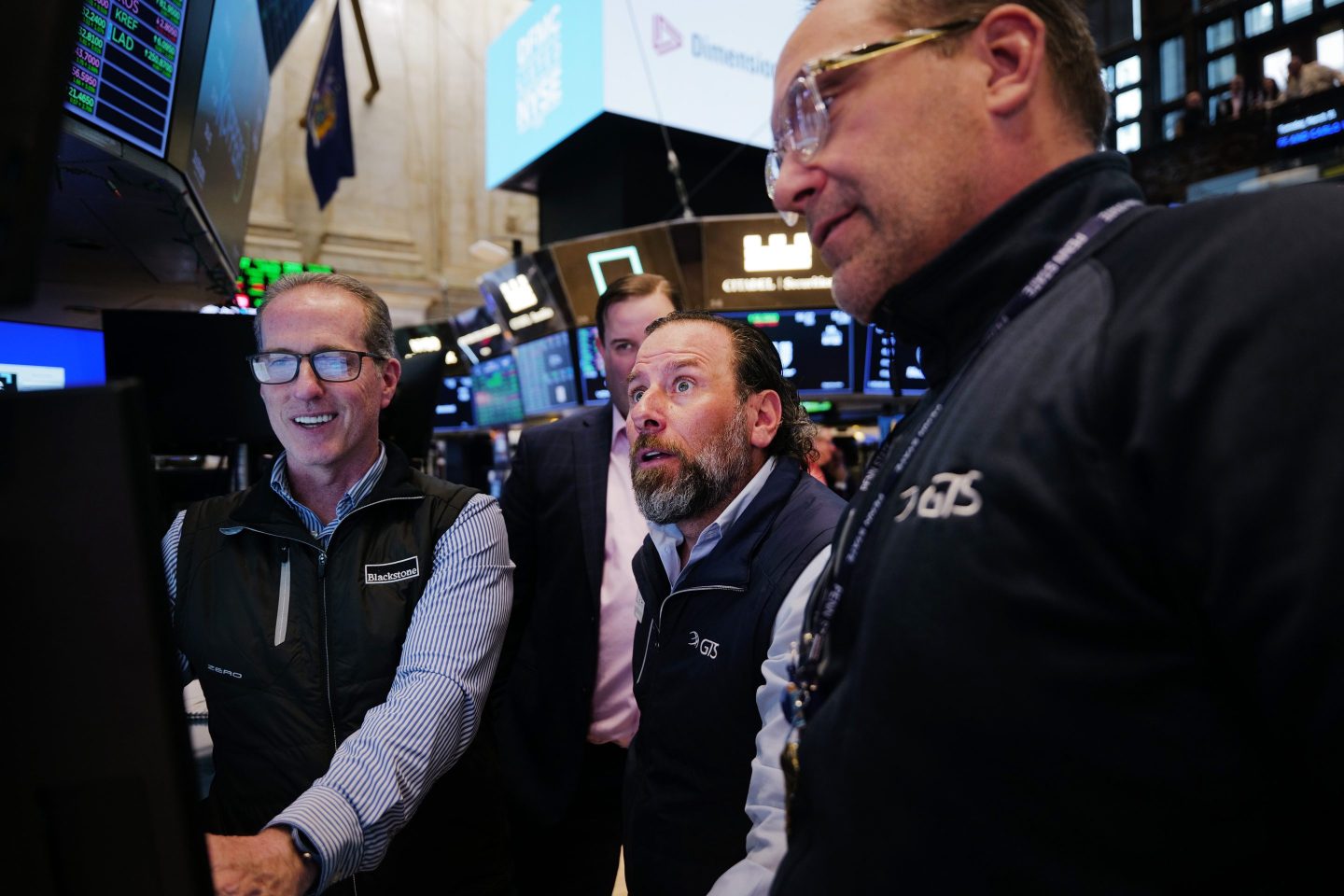
As the bell rang out over the New York Stock Exchange on Tuesday afternoon, it was an unusually beautiful day: 71 degrees, sun shining on the faces of people swarming through the city. After the brutal cold of winter, it felt like something of a miracle.
The markets had spent the day chasing one of their own.
Iran’s official news agency reported an unconfirmed phone call between President Masoud Pezeshkian and the European Council president, where Pezeshkian said Iran had the “necessary will” to end the war; provided that “essential conditions are met, especially the guarantees required to prevent repetition of the aggression.” The S&P went vertical immediately afterward. It didn’t matter that Pezeshkian had said nearly the same thing on X earlier this month, or that it wasn’t even clear how big a development this was.
The Nasdaq still snapped back 795 points, recovering nearly half of its total drawdown over the course of the U.S.-Israeli-Iran war in a single day. The S&P soared 2.89%, representing $1.7 trillion alone, recovering about 30% of its total drawdown since the war began. The Dow also soared 1,125 points. All three indexes had their biggest single-day gains since May.
The incredible thing about the rally today wasn’t the scale of it, but the fragility of what it was built on.
It started Monday night, when the Wall Street Journal reported that Trump had told aides he was willing to end the military campaign against Iran even if the Strait of Hormuz remained closed for the most part. Futures immediately rallied up about 1.5%. But the same report noted that military options were still being considered, and if the U.S. drew out it would leave other nations to deal with the complex process of reopening the strait, one of the world’s most critical oil choke points through which 20% of global oil flows.
Trump made his preference clear the next morning with a post calling on allies to gather up their “delayed courage” and deal with the strait themselves.
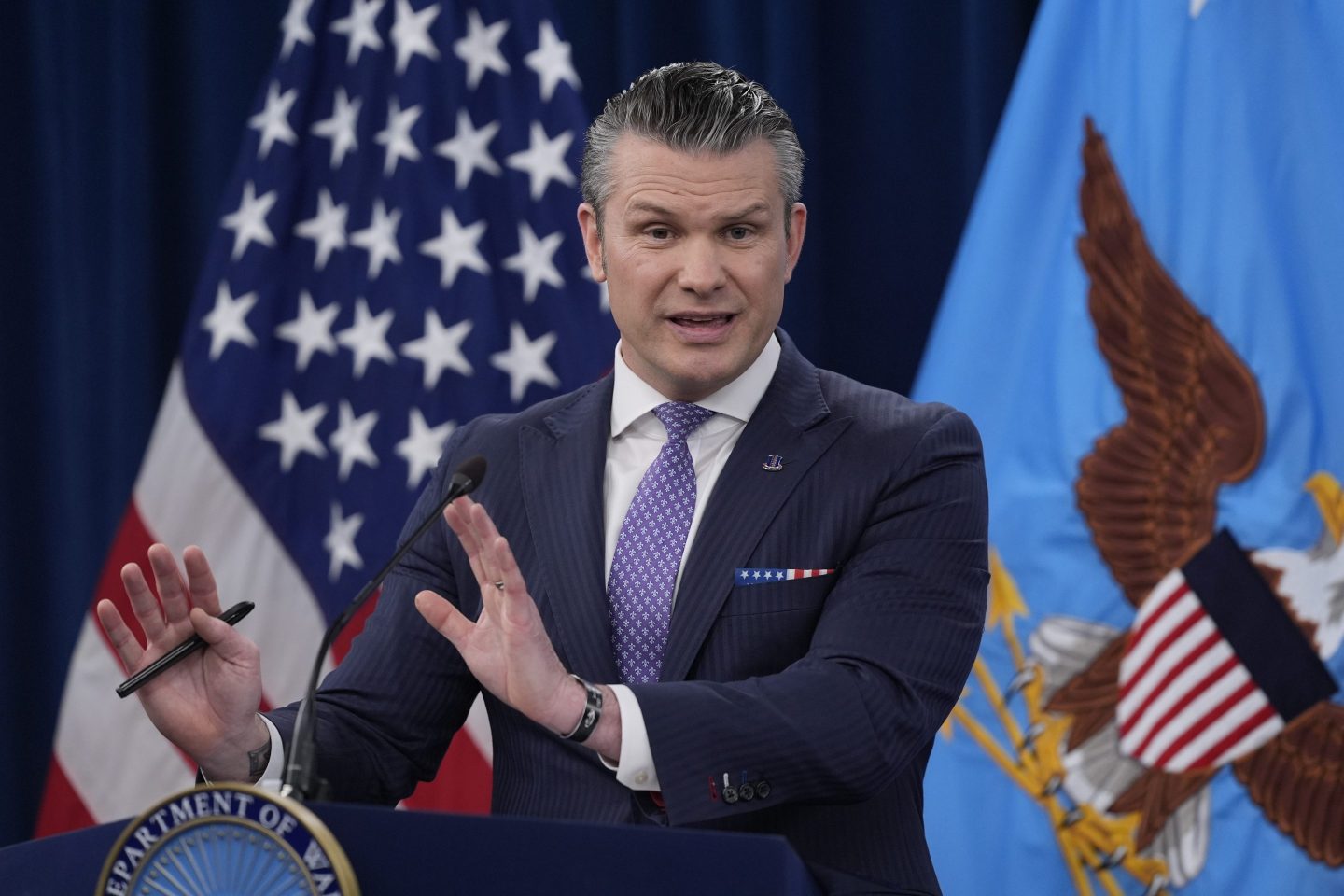
“Iran has been, essentially, decimated. The hard part is done,” Trump wrote. “Go get your own oil!” Soon after, Defense Secretary Pete Hegseth and Joint Chiefs Chairman Gen. Dan Caine held a before-the-bell press conference, where they didn’t commit to either leaving the strait or defending it, or any sort of timeline on the war. But they said it was going well, and when the stock market opened, most of the major indexes were rallying above 1%.
Then the confusion began. On Monday, White House press secretary Karoline Leavitt told reporters that talks with Iran were “continuing and going well,” adding that “what is said publicly is, of course, much different than what’s being communicated to us privately.” Then, Iran’s foreign ministry spokesperson said the opposite, that there had been in fact, no direct negotiations with the United States in 31 days of war, only “messages” passed through intermediaries like Pakistan. But that wasn’t enough to dampen the high before Tuesday’s main event.
The oil market looked at the same information and reached a more sober conclusion. Brent crude settled upward nearly 5% at $118.35 a barrel, its highest close since June 2022, after Bloomberg reported that Iran had struck a Kuwaiti oil tanker in Dubai waters. Oil said war, and stocks said peace, and both closed higher.