Enterprise transformations are one of the biggest line items in corporate budgets—and one of the easiest ways to light money on fire.
Global digital transformation spending is expected to hit roughly $3.4 trillion in 2026, yet research from McKinsey suggests about 70% of major change programs run late, blow past budget, or fail to meet their objectives, with ERP projects faring even worse. Rajiv Gupta, a three‑time founder (whose previous startups were acquired by Oracle, Cisco, and McAfee), is betting his fourth company can turn that failure rate into its addressable market.
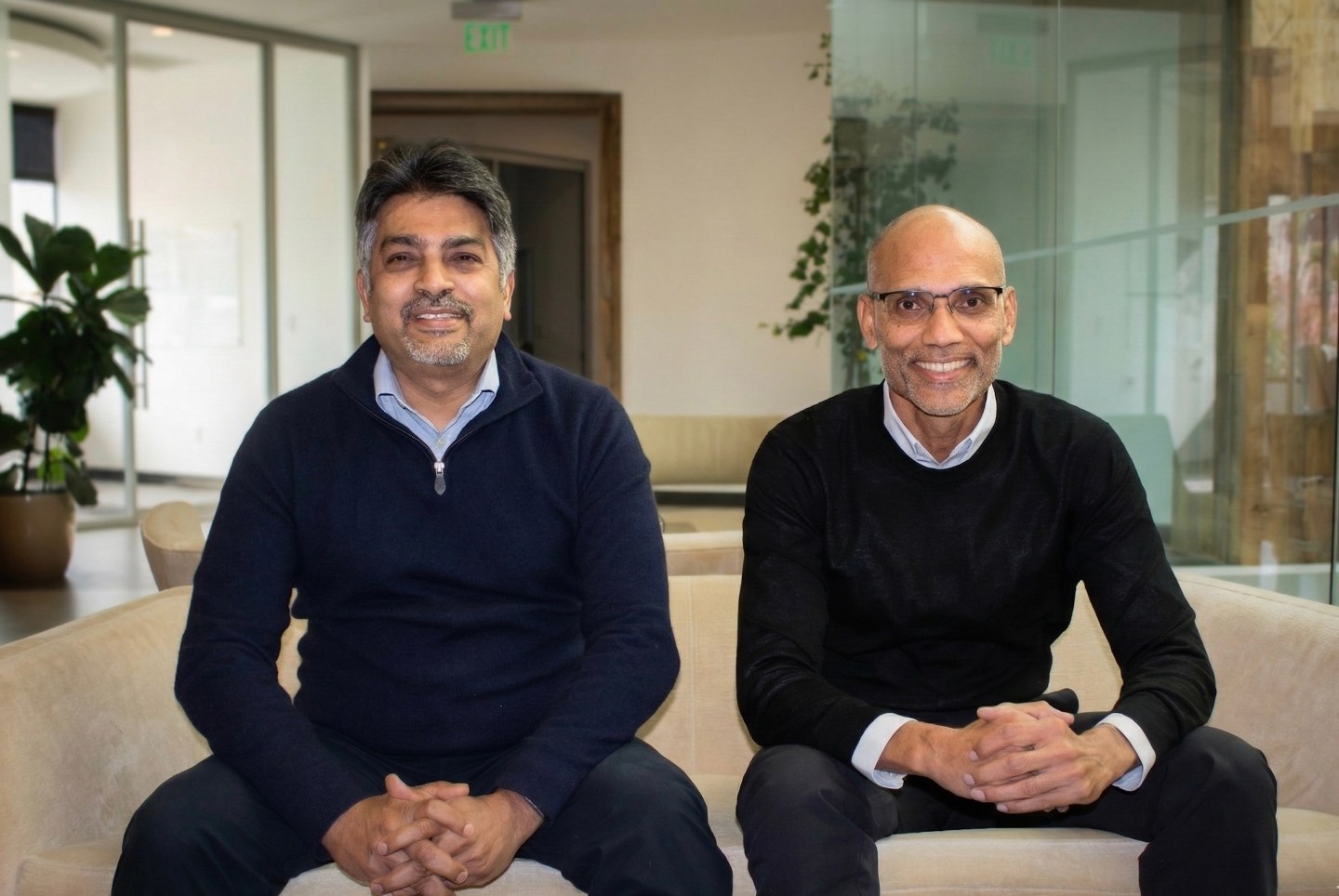
Axiamatic, Gupta’s new startup with co-founder Kaushik Narayan, is emerging from stealth, Fortune has learned exclusively, with $54 million from Greylock Partners and Bessemer Venture Partners to sell what it calls an “agentic control plane” for enterprise transformations. He says the platform is already in use inside large enterprises including the Heico Company (a global business conglomerate) and Marmon (a subsidiary of Berkshire Hathaway), as well as major systems integrators, to manage large‑scale initiatives.
“These programs have exceeded the human capacity for cognition and coordination. There’s a sea of workshops, tickets, and documents,” Gupta told Fortune. “It’s humanly impossible to keep track of that. Misalignments and drift build up, and you only catch them very late, if at all—which is what causes the delays and cost overruns.”
Axiamatic’s core product is essentially a live control room. Instead of relying on scattered spreadsheets, slide decks, emails, and meeting notes, it automatically pulls in data from more than 250 systems—along with project trackers, meeting recordings, and Slack or Teams conversations—and stitches everything together into a single, constantly updated view. In practice, that “digital twin” shows what leaders originally agreed to do, what teams are actually working on, and how employees on the ground are reacting to the change.
The program runs specialized AI agents that act as persona‑specific “superhuman assistants” for CIOs, project management leads, change managers, subject‑matter experts, and systems integrator consultants. “We sit alongside the people running the transformation,” Gupta said. “There’s no incumbent product we’re displacing. The incumbent is the customer’s willingness to tolerate delays and cost overruns.”
Gupta says the company can stand up a first version of that digital twin on a customer’s own data in under two weeks, which has helped move some prospects from first meeting to paid six‑figure contracts in a single quarter.
Heico offers an early glimpse of the model. The diversified manufacturer and services group first rolled out Axiamatic on a single ERP program and then expanded from one to 20 programs within 12 months. Aside from Heico, Gupta says that in one 18‑month enterprise resource planning (ERP) effort, it helped a customer avoid a 50% cost overrun and a 40% schedule slip.
Gupta’s bet is that the timing is finally right. He argues that bigger context windows, cheaper inference, and better orchestration for autonomous agents mean “what we are doing today would not have been possible two years ago.” The goal is not to replace project managers and consultants but to make them “50–60% more effective” by catching the “red seeds in the watermelon”—the buried decisions and soft resistance that doom programs while status reports are still green.
For investors at Greylock, Gupta’s playbook is familiar. After a Ph.D. from Caltech and a stint at HP Labs, Gupta founded Confluent Software (acquired by Oracle), Securent (acquired by Cisco), and Skyhigh Networks, which helped define the cloud access security broker category before its sale to McAfee in 2017. Greylock has backed him twice already. Most of the new capital, Gupta told Fortune, will go into sales, marketing, and partnerships with systems integrators and major vendors, after quiet years proving the product with early customers. “If a Fortune 500 company spends $100 million on a transformation and 70% of that is wasted, that’s $70 million gone—and they’ve also set themselves back versus competitors,” he said. “We’re going after that waste.”