
Good morning!
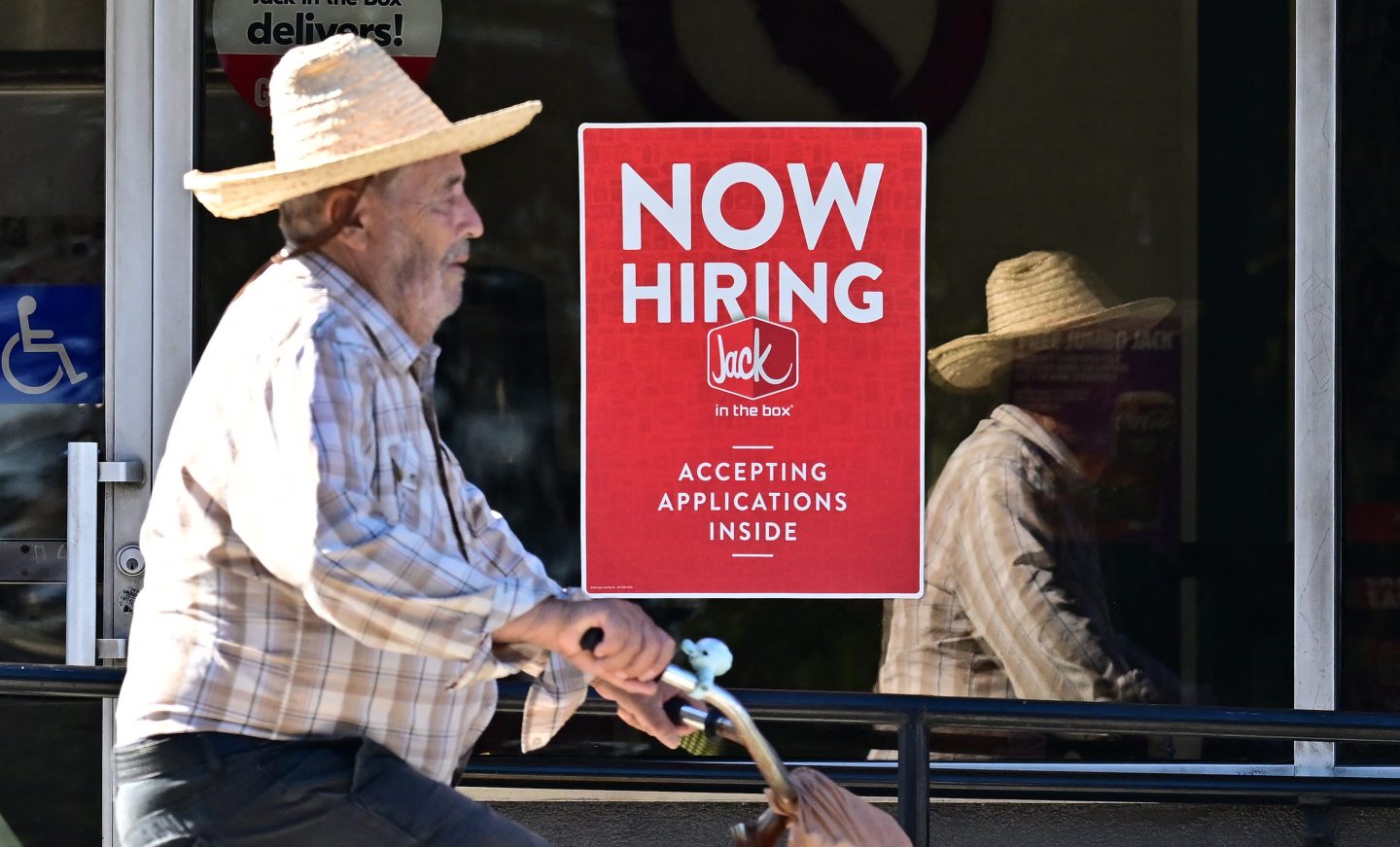
It’s one of the biggest buzzwords in HR right now: Skills-based hiring. For years, HR leaders championed the idea of evaluating candidates based on skills rather than degrees listed on résumés.
But despite widespread claims of adoption, many organizations aren’t equipped to follow through, creating what a new study calls an illusion of progress.
Some 53% of employers say their organizations lack standardized hiring practices, according to the University of Phoenix report based on a survey of 2,000 U.S. hiring stakeholders and job seekers. That means no consistent criteria, evaluation frameworks, or interviewer training to support a meaningful shift toward skills-based hiring, the report found.
One huge barrier: interviewer preparedness. Hiring decisions are often made by non-HR employees, yet nearly one in five receive no interview training, according to the study.
“It’s a pretty high risk thing to not train someone to do an interview because a lot of things can go wrong,” says Cheryl Naumann, CHRO at the University of Phoenix, noting that untrained interviewers can easily ask problematic questions that undermine the process.
Without structured evaluation frameworks or proper training, interviews can quickly drift toward subjective—and potentially biased—judgements. Interviewers may favor candidates who share their alma mater or communication style, mistaking familiarity for fit, Naumann says.
To make skills-based hiring work, organizations first need clear definitions of what they are hiring for. Naumann recommends starting with the roles a company fills most frequently, and identifying the skills and proficiency levels required. Crowdsourcing input from across the organization, including employees currently in those roles, can help create more accurate benchmarks.
Then, decide how to quantifiably measure these skills. Many companies still rely on candidates’ self-assessments, Naumann says. Instead, organizations should determine whether interviewers need standardized questions or whether candidates should complete skills tests—while ensuring compliance with state laws governing pre-employment assessments.
“A lot of interviewers are being asked to interview because they are good at their jobs, not because they’re good interviewers,” Naumann adds. “But those [steps and training] are the subtle pieces that we do need to build competence in order to see the results we want.”
Kristin Stoller
Editorial Director, Fortune Live Media
kristin.stoller@fortune.com
Around the Table
A round-up of the most important HR headlines.
Nestlé restructured its bonus plan, increasing payouts for top performers and cutting bonuses for low performers. Bloomberg
Landing a remote role is four times harder for job seekers than in-office or hybrid one. Wall Street Journal
McKinsey and Bain have moved up summer intern recruiting to compete with top investment banks. Bloomberg
Watercooler
Everything you need to know from Fortune.
Benefit blues. About 95% of workers say bereavement benefits are valuable, but fewer employers plan to expand that support this year. —Sydney Lake
Future roles. Morgan Stanley is predicting future jobs that don’t exist yet. Here are eight of them. —Nick Lichtenberg
Salary slashing. Workers are willing to take a 25% pay cut to work remotely and here’s why. —Sydney Lake