
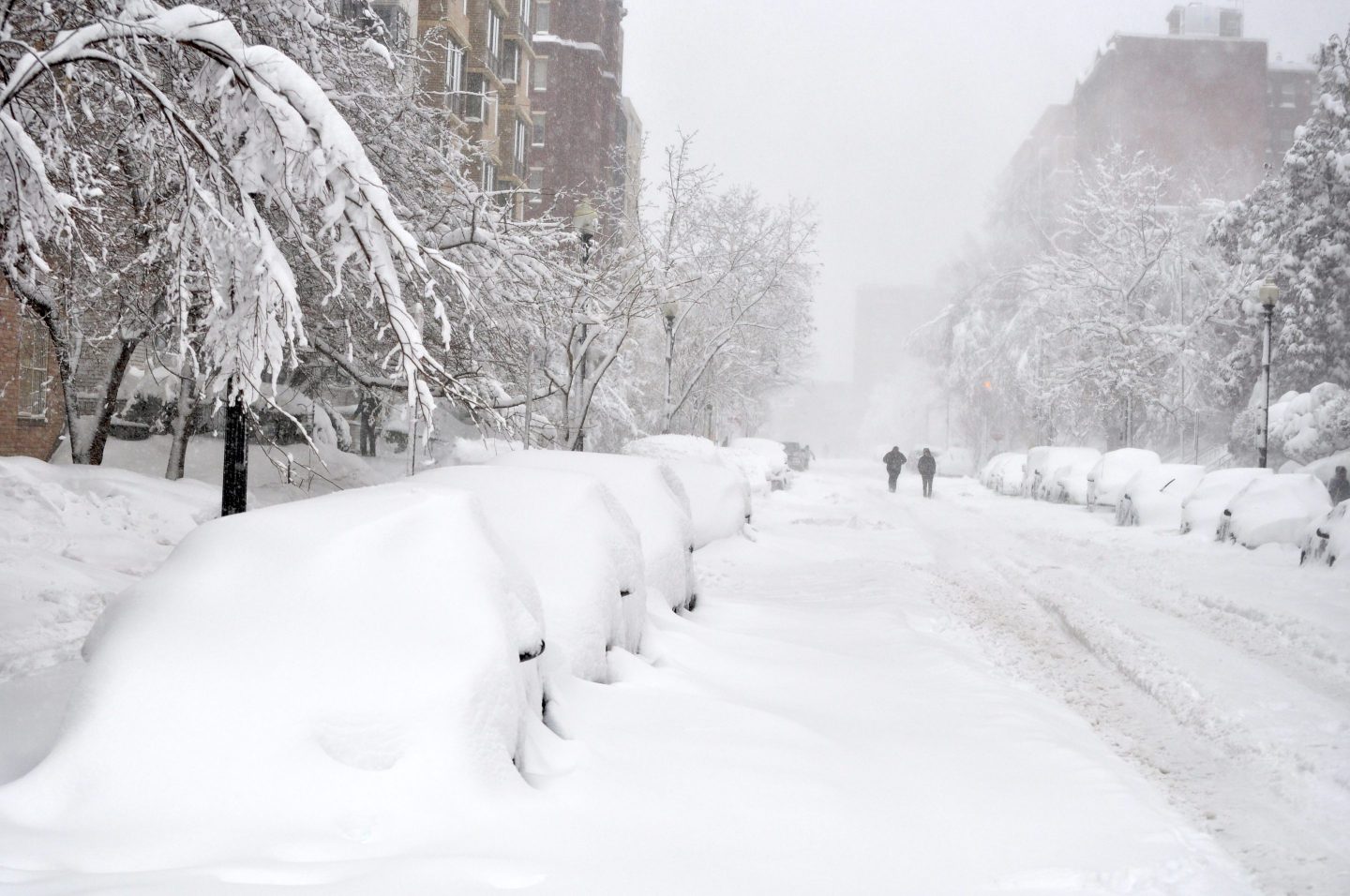
A sprawling winter storm is expected to snarl travel and disrupt daily life for hundreds of millions of Americans all the way from the Midwest through the northern East Coast. Heavy snow, sleet, and freezing rain could potentially hit 34 states and some 230 million people, according to the Weather Channel as of Friday afternoon.
This much snow could even make it challenging for the most well-prepared Northerners and Midwesterners who are used to wintry weather, as travel will prove difficult. Major power companies have also issued warnings that power could be impacted by what’s been dubbed Winter Storm Fern, forcing people to stock up on shelf-safe foods and other essentials.
“Snow amounts could reach a foot or more in the I-95 major cities from D.C. to Boston,” weather service forecasters on the East Coast said, according to The Associated Press.
Where the storm is expected to hit
Heavy snow, sleet, and freezing rain are expected to begin Friday, intensifying over the weekend as the storm pushes from New Mexico and Texas toward the Midwest, Mid-Atlantic and Northeast. So far, at least 170 million Americans are under an ice and snow advisory.
This means travel could become very difficult or impossible in some regions, with whiteout conditions, blowing, and drifting snow as well as wind gusts up to 35 mph in some areas. Cold weather advisories and extreme cold warnings are also in place in some states as arctic air settles in, driving wind chills to dangerously low levels and complicating any cleanup or emergency response. Transportation departments from Ohio to New England are already urging drivers to limit travel during the peak of the storm and to give plow crews room to work.
“Even with more than 1,500 plows expected to be on the roads, ODOT cautions that driving conditions won’t be anywhere near perfect during this weekend’s snowstorm,” according to local Cleveland, Ohio-based news station WKYC.
What typically stays open in inclement weather?
Despite the ominous forecast, many essential businesses could keep their doors open as conditions allow.
Grocery chains and big-box retailers often stay open as long as staff can safely reach stores, especially ahead of major storms, when shoppers rush to stock up on food, water, batteries, and household supplies. Neighborhood bars, restaurants, and hotel eateries also tend to remain open during snowstorms, in some cases reporting some of their busiest nights as locals walk in from nearby homes and hotels.
In Wilmington, Del., where it hasn’t even been 24 hours since the storm began, locals have already started crowding Kelly’s Logan House in the city’s Trolley Square neighborhood for drinks.
“This is kind of a tradition. We do a little snow get-together,” former meterologist Mark Manning, a Wilmington resident, told The News Journal. “We’ve come here a couple of times over the last couple of years for snow days. It’s called cabin fever.”
Hospitals, pharmacies, and many convenience stores also generally remain operational, though hours can be shortened or staffing limited if transit systems scale back service. Local officials say one informal rule of thumb is to watch public transit: When trains and buses shut down completely, more retailers and offices follow. Residents are being urged to check business websites and social media for last-minute changes and to have enough food and medications on hand in case conditions worsen.
Will delivery services still work?
Food delivery apps and courier services typically continue operating in winter weather, but availability often shrinks as roads ice over and drivers opt out for safety. So it’s not totally a safe bet to only bank on having your food and necessities delivered. In past storms, some restaurants have reported switching to takeout only, pausing third-party deliveries or restricting service to nearby neighborhoods that riders can reach on foot.
Emergency managers warn anyone relying on grocery or meal delivery during this storm should have a backup plan, as services can be suspended with little notice if conditions deteriorate. The National Weather Service recommends people prepare for up to a week with essential supplies, including nonperishable food, water, medications, and an emergency kit in case travel and deliveries are disrupted longer than expected.
For this story, Fortune journalists used generative AI as a research tool. An editor verified the accuracy of the information before publishing.