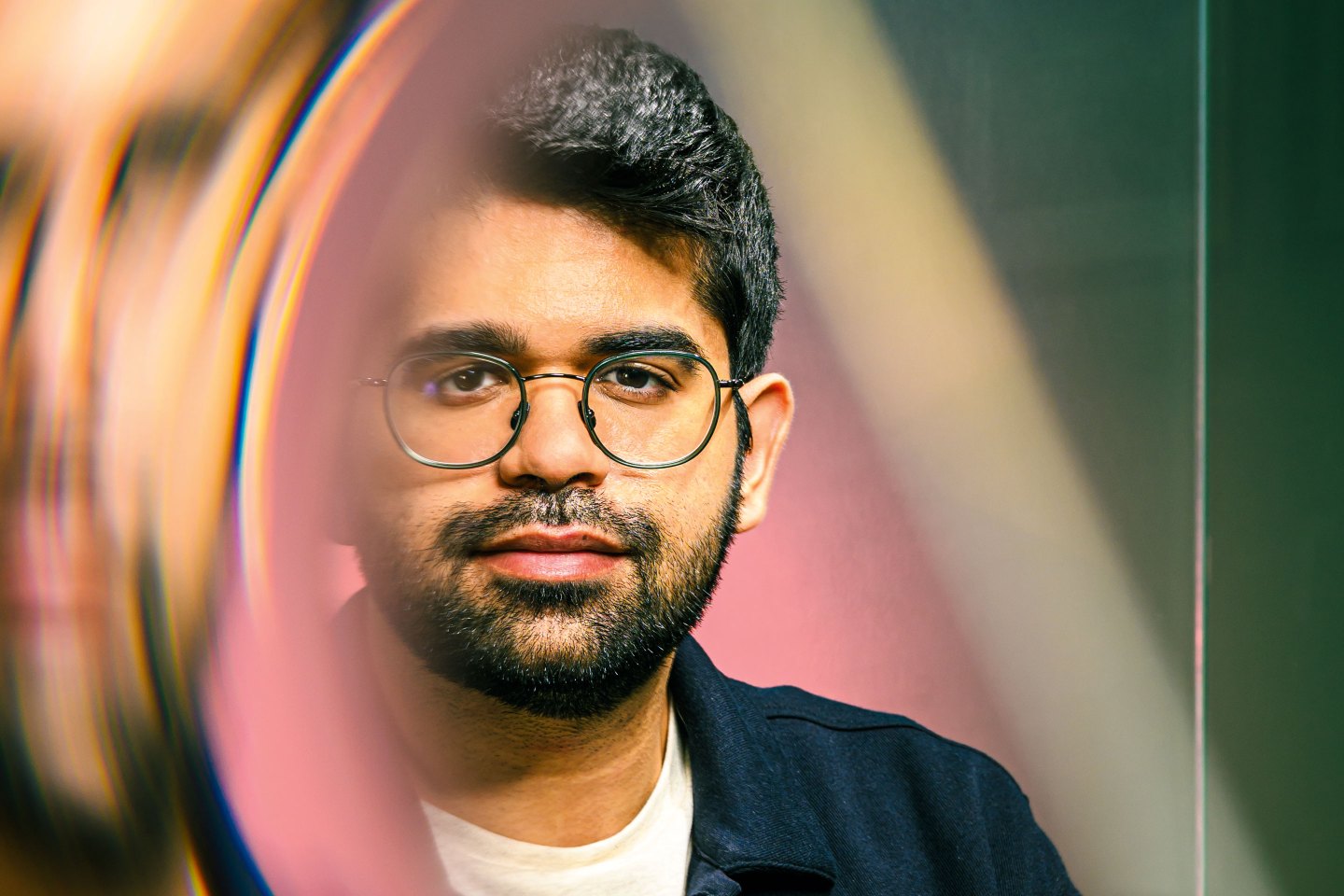
Good morning. This will be my last edition of this newsletter for a bit. I’m going back on paternity leave.
The great Alexei Oreskovic and team will keep the Fortune Tech machine humming until I return in late March. I’m so grateful to them.
See you on the other side. Have a wonderful weekend. —Andrew Nusca
P.S. We’re off on Monday for Martin Luther King Jr. Day in the U.S. We’ll be back on Tuesday.
Want to send thoughts or suggestions to Fortune Tech? Drop a line here.
U.S. and Taiwan reach a chippy new trade agreement
Two of chipmaking’s biggest players have come to an agreement.
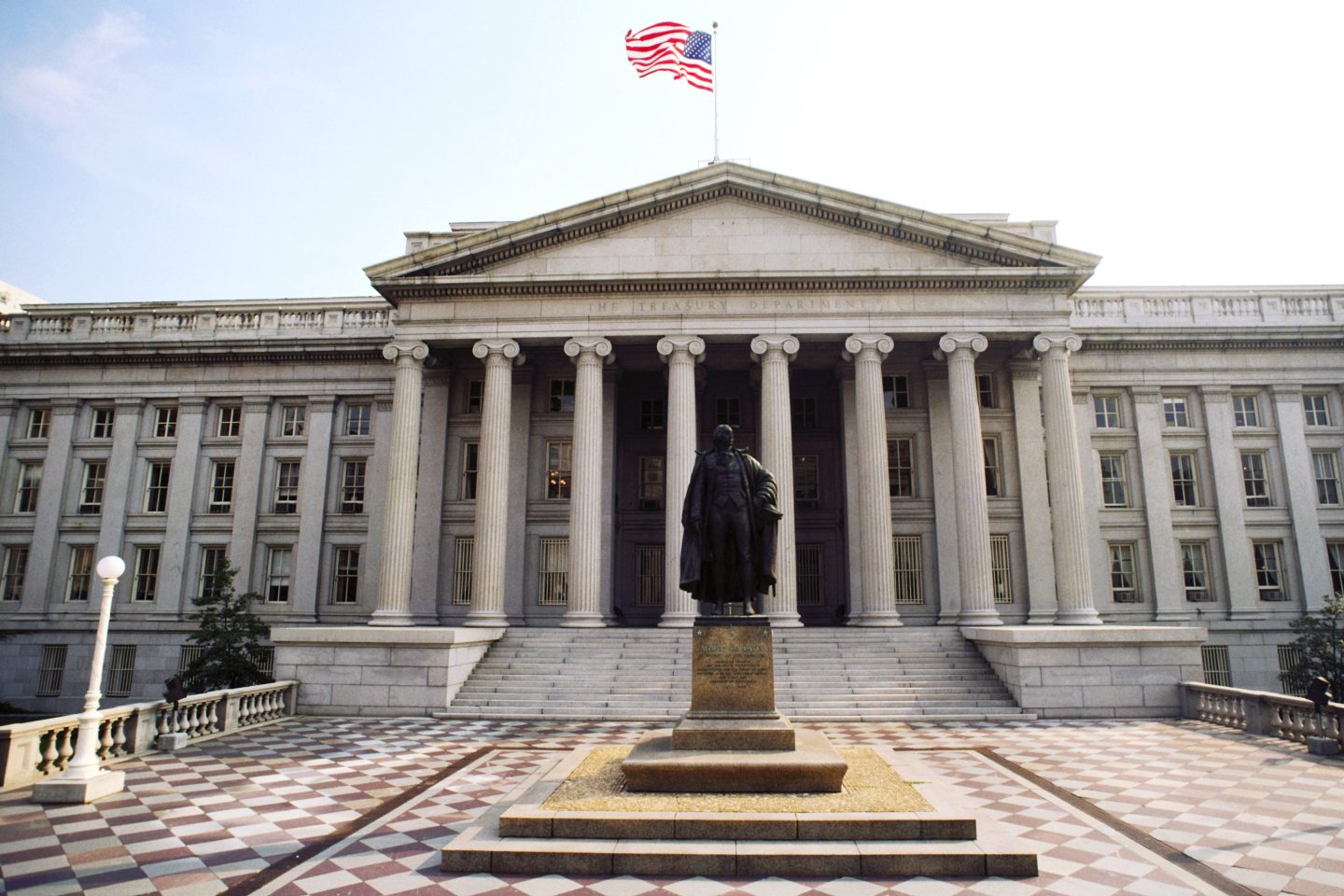
The U.S. Department of Commerce said Thursday that the United States and Taiwan will work together to build more semiconductor factories in the U.S.
Taiwanese tech companies pledge to invest at least $250 billion in U.S. production capacity, backed by credit from the government in Taipei.
Meanwhile the U.S. will limit so-called reciprocal tariffs on Taiwan to 15%, down from 20%, as well as reduce such tariffs to zero for generic pharmaceuticals and their ingredients, aircraft components, and some natural resources.
In the mix is chipmaking giant TSMC, which already has facilities in Arizona. The company is expected to double down in the area.
CNBC notes that companies like TSMC—that is, Taiwanese firms building U.S. chip fabs—will be able “to import up to 2.5 times the amount of capacity they are building while the factories are under construction, without paying tariffs under the framework.” That figure will become 1.5X once the factories are completed.
And Taiwan-based chip companies that don’t build in the U.S.? Quite likely on the receiving end of a 100% tariff, according to Commerce Sec. Howard Lutnick.
“That’s what they get if they don’t build in America,” he told CNBC. —AN
Former OpenAI policy chief creates nonprofit institute
Miles Brundage, a well-known former policy researcher at OpenAI, is launching an institute dedicated to a simple idea: AI companies shouldn’t be allowed to grade their own homework.
On Thursday, Brundage formally announced the AI Verification and Evaluation Research Institute (AVERI), a new nonprofit aimed at pushing the idea that frontier AI models should be subject to external auditing.
The launch coincides with the publication of a research paper coauthored by Brundage that lays out a detailed framework for how independent audits of the companies building the world’s most powerful AI systems could work.
Brundage spent seven years at OpenAI. He left the company in October 2024.
“Companies are figuring out the norms of this kind of thing on their own,” Brundage told Fortune. “There’s no one forcing them to work with third-party experts to make sure that things are safe and secure. They kind of write their own rules.”
That creates risks. In other industries, auditing is used to provide the public assurance that products are safe and have been tested in a rigorous way, Brundage said. So that a vacuum cleaner, for example, “isn’t going to catch on fire.” —Jeremy Kahn
Check your agentic AI before you wreck your agentic AI
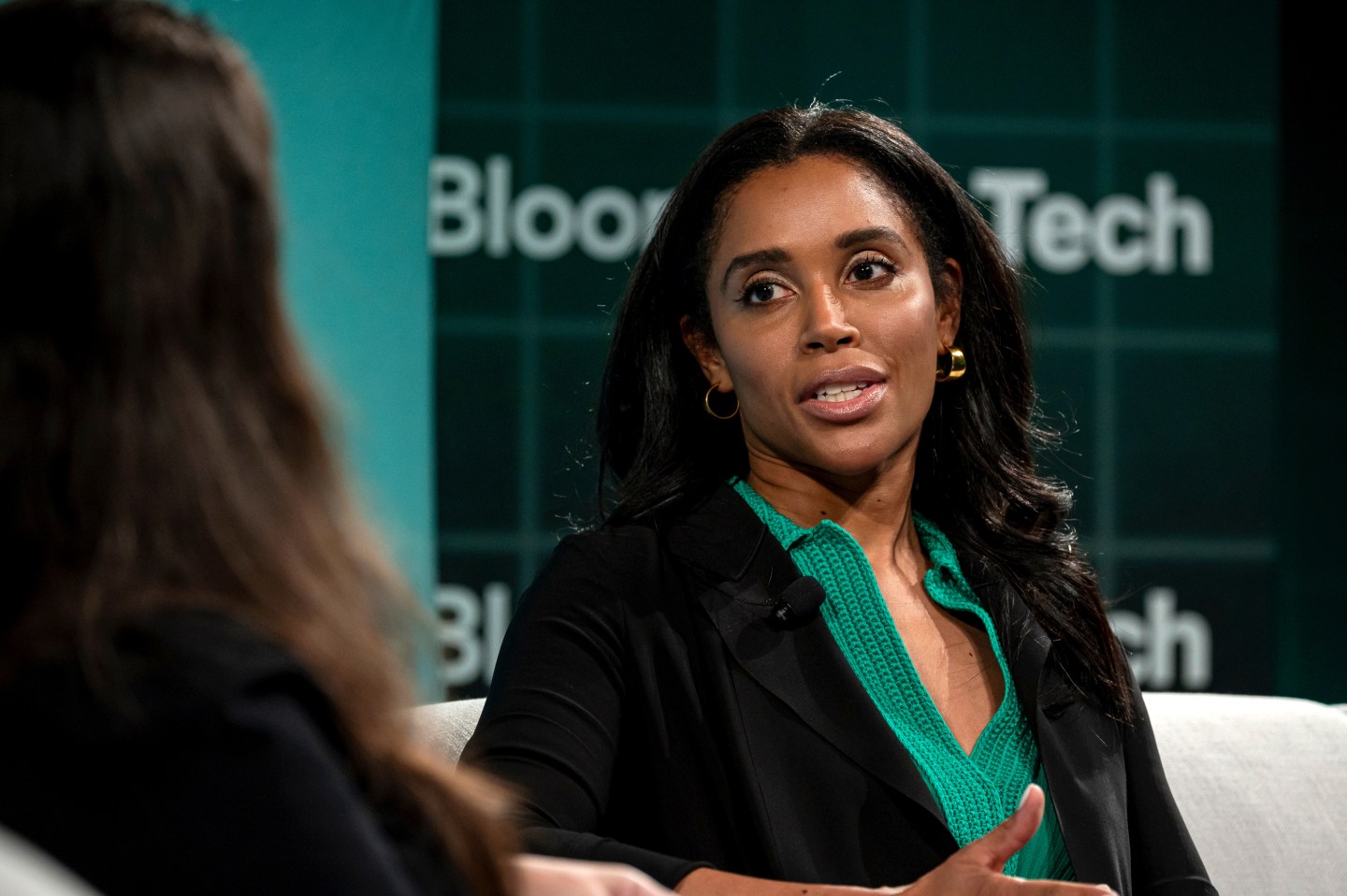
At the annual Fortune Brainstorm Tech dinner in Las Vegas earlier this month, a panel of senior technology executives deliberated the nuances of agentic AI-driven change management—and in particular, where humans must remain "in the loop" as agentic AI sweeps across the corporate world.
It’s tempting to take the “things we've always done and see how we can do it a little bit differently and a little bit better," said Deloitte CTO Bill Briggs. "What we've found with AI is, that's a trap." It’s better to define the outcome and work backwards, he added.
You've also got to design the system for failure, said Hari Bala, CTO of Health Information Systems at Solventum. "How do you make sure you have kill switches?” he asked. “How do you make sure you have audit-ability?"
And you certainly don't want to make an even bigger mess than the one you're trying to clean up. “If you let [the technology] get out of control, you're literally just putting more of a mess in place that you're going to have to go back and clean up later,” said Salesforce SVP Lauri Palmieri.
Disney chief information and data officer Susan Doniz concurred. "An AI-first mindset is firstly about simplification,” she told Fortune’s Allie Garfinkle. “If you're just automating what you have, you might just be industrializing waste across what you're trying to do." —AN
More tech
—TSMC posts a 35% profit increase. A record Q4 for the world’s largest contract chipmaker.
—More Thinking Machines staffers are expected to jump to OpenAI.
—Amazon objects to Saks bankruptcy. It invested $475 million in the retailer’s acquisition of Neiman Marcus, “now presumptively worthless.”
—Big Tech pays up for Wikipedia API: Amazon, Meta, Microsoft, Mistral, and Perplexity.
—Tiger Global's $1.6 billion Flipkart stake sale to Walmart in 2018 is subject to taxes, India's Supreme Court rules.
—Spotify Premium subscriptions in the U.S. go up by $1 next month.
—ASML: Now worth $500 billion. The Dutch chipmaking equipment company rides an AI wave.
—Global VC funding for fintech startups: Up 27% year over year to $52 billion, but a third of 2021’s peak.