The Trump administration wants each American’s plate loaded with protein at every meal, and food chains are eating it up.
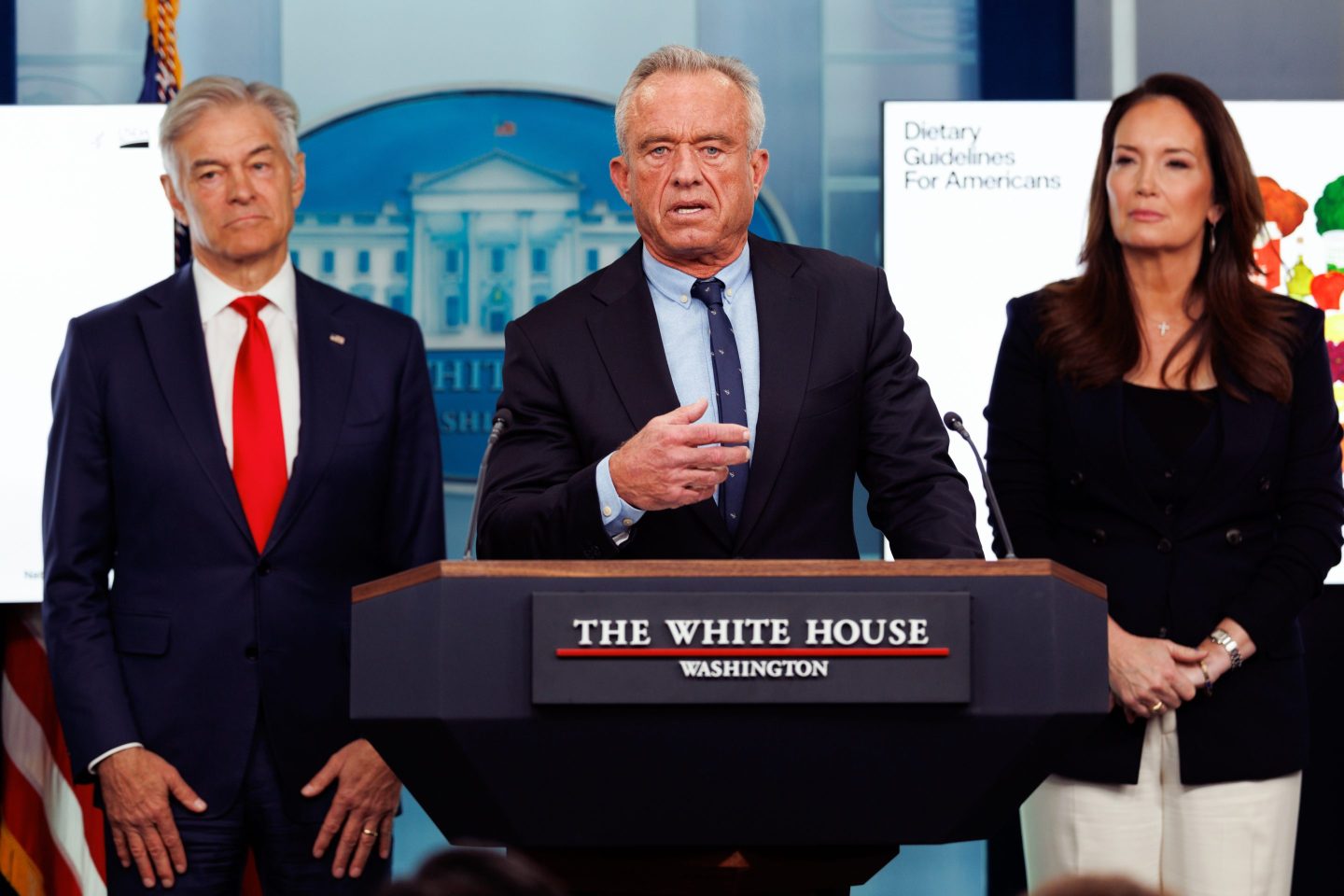
New nutrition guidelines released on Wednesday urge American households to prioritize protein, dairy, and healthy fats. The recommendations fall in line with parts of the last administration’s guidance, released in 2020, which urged Americans to forego added sugars and heavily processed food.
But some items represent a departure from that guidance, including a new push for more red meat consumption. The changes encapsulate Health and Human Services Secretary Robert F. Kennedy Jr.’s commitment to upping Americans’ protein intake. The new guidelines recommend a daily dose between 1.2 and 1.6 grams of protein per kilogram of body weight. That translates to an average 126 grams of protein for men and 109 for women. The previous guidelines recommended between 13 and 56 grams of protein per day, depending on age and gender.
The guidelines could feed into the booming interest in protein consumption in the U.S. Despite eating more protein than many other countries—especially meat—most Americans say they want to increase the amount of protein in their diets. Major food chains are heeding the call.
On Monday, two days before the guidelines were released, Starbucks announced its slate of new wintertime fare. Options include “Protein Popcorn” and two new caramel protein beverages, with a choice of latte or matcha offering between 27 and 31 grams of protein per drink. In December, Chipotle rolled out its own high-protein menu, featuring a chicken cup with 32 grams of protein, an effort to meet “consumer demand for a quick protein-packed snack.” Also on Wednesday, Dunkin’ Donuts announced it would add “protein milk” to all its menu items, complete with a video announcement featuring rapper Megan Thee Stallion imbibing.
Some analysts have attributed the protein craze, in part, to the so-called “Ozempic effect.” The increased usage of GLP-1 drugs has had a marked effect on food sales, reducing demand for processed or sugary items while raising interest in high-protein fare.
Since taking office, RFK Jr. has vocally backed high-protein foods as an essential part of dietary health.
“There’s a tremendous amount of emerging science that talks about the need for more protein in our diet and more fats in our diet,” he said in July.
But there might be such a thing as too much protein. The World Health Organization recommends 0.8 grams of protein per kilogram of body weight a day, or 0.36 grams per pound. In 2020, American adults consumed, on average, 81 grams of protein a day, according to the USDA, around 20% higher than the WHO recommendation for most individuals. Medical experts and dietitians have linked higher-than-required protein intake to increased rates of heart disease and metabolic issues affecting the liver and kidneys, since many high-protein foods can contain elevated amounts of unhealthy saturated fats.
And even high-protein products can come in highly processed and potentially harmful forms. Many of the most popular protein shakes and drinks, which nearly half of Americans consume regularly, contain more lead in a single serving than what experts say is safe to consume in a day, according to a 2025 investigation by Consumer Reports. Tunde Akinleye, a chemist who reviewed protein products for the investigation, said many have “high levels of heavy metals and none are necessary to hit your protein goals.”
Despite high consumption, 70% of Americans say they want even more protein in their diets, according to a July survey by the International Food Information Council, up from 59% in 2022. For food brands tracking consumer demand, cashing in on more protein products might be an opportunity too appetizing to pass up.