Good morning. I’ve got another rippin’ Fortune feature for you to read, this time about OpenAI’s declared “Code Red” to fend off competition from Google.
Colleagues Jeremy Kahn, Alexei Oreskovic and Lee Clifford dive into the “rough vibes” as the AI company bolsters ChatGPT to defend its early lead against Gemini.
“If Google overtakes OpenAI in raw performance, it’s basically going to kill OpenAI’s API business,” one source tells them. “There’s a chance Google is going to give out Gemini for free entirely, too. And that could kill the consumer subscription business for OpenAI as well.”
Read it right here. Today’s tech news below. —Andrew Nusca
Want to send thoughts or suggestions to Fortune Tech? Drop a line here.
Databricks is raising $4 billion at a $134 billion valuation
Some things are so certain that they’re practically laws of the modern world.
Taylor Swift will sell out stadiums. California real estate will appreciate. Elon Musk will take something personally on social media.
And in tech, Databricks will become more valuable.
Well, it happened again. The AI data analytics company led by CEO Ali Ghodsi said Tuesday that it was raising more than $4 billion at a $134 billion valuation.
That’s about what Adobe is worth in the public markets.
The new figure is quite a jump from August, when Databricks raised funds at an approximately $100 billion valuation. For those keeping score at home, the company started the year valued at $62 billion.
Another sign of an AI bubble? Perhaps, though Databricks has real revenue to back up its rapid rise. In October, the company crossed $4.8 billion in annual revenue run rate.
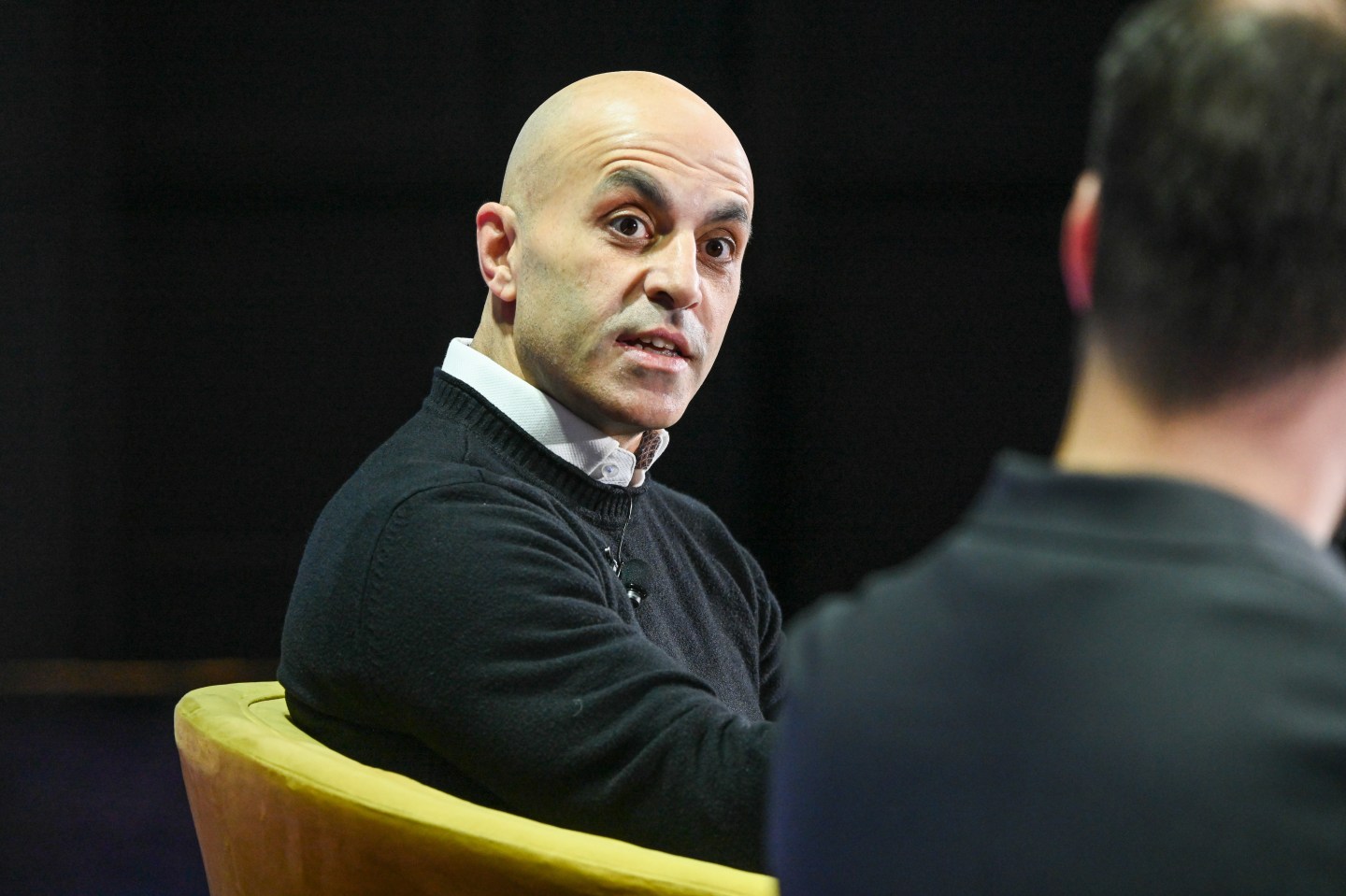
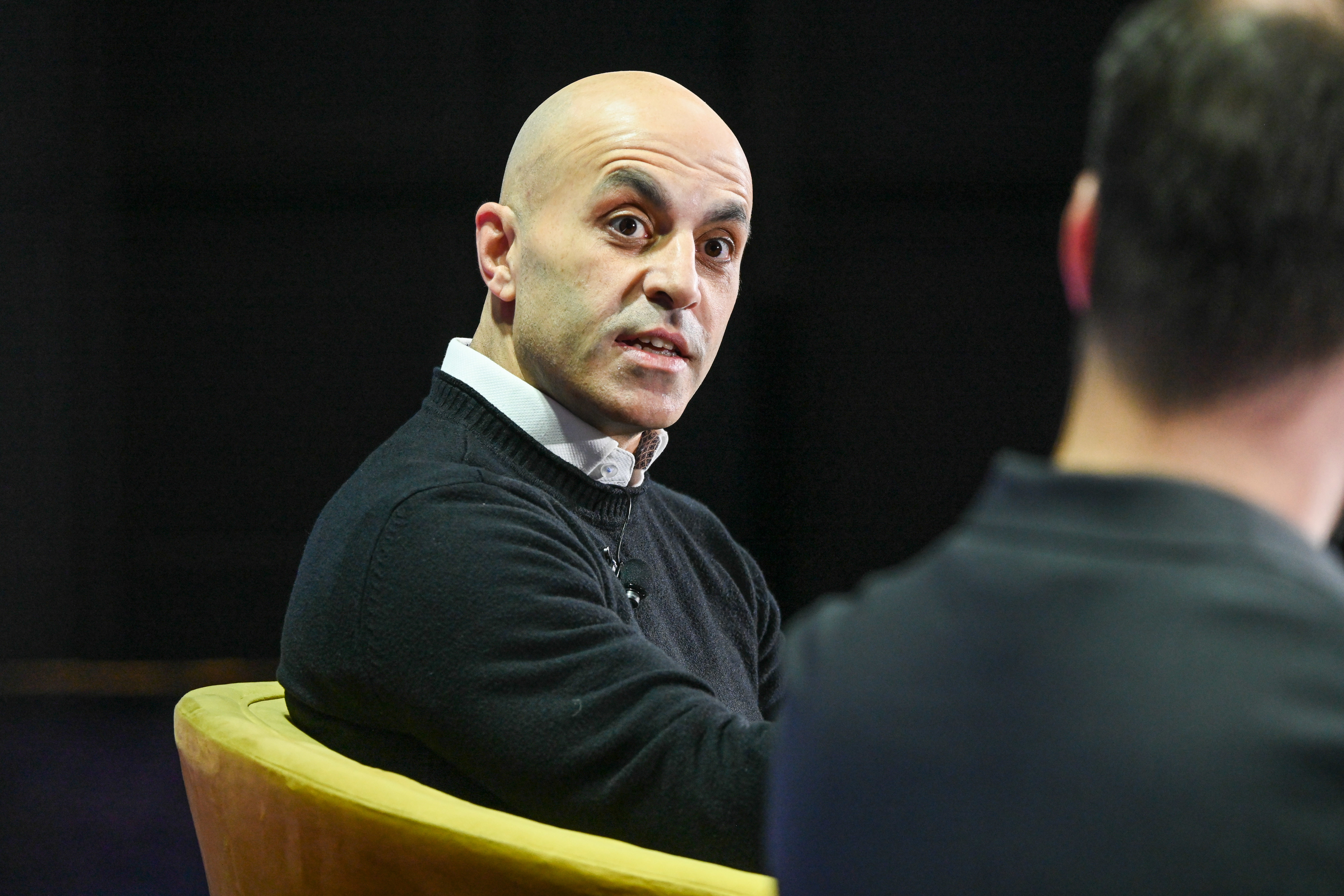
Will Databricks IPO in 2026? I asked Ali that very question at Fortune Brainstorm AI last week. “Maybe,” he said. He didn’t seem terribly bothered about it. —AN
OpenAI updates ChatGPT for faster image generation
Everyone’s favorite chatbot is getting an upgrade.
OpenAI on Tuesday updated ChatGPT to make it easier for users to create and edit images.
It’s also faster—four times faster, the company says—than OpenAI’s previous image generation model.
You won’t find the words “Google” or “Gemini” or even “Nano Banana” in the blog post announcing the upgrade, but the rival’s fingerprints are all over OpenAI’s announcement.
Still, the update is welcome.
There’s a new “Create image” section in ChatGPT expressly for the medium, rather than forcing you to chat your way to a desired result. Users can make multiple edits to uploaded images, e.g. “turn this into the style of Matisse” or “add a soft light” or even “caption this photo.”
In a test with a photograph of Joseph Gordon-Levitt at our recent Fortune Brainstorm AI gathering, it managed to make all of these edits (even if its take on Matisse was not terribly convincing to a museum curator)—but refused to identify the actor-activist by name, even though it correctly identified him in an earlier exchange.
“The model shows clear improvements across a range of cases, though results remain imperfect,” its maker writes. “While this release represents meaningful progress, there is still significant room for improvement in future iterations.” —AN
Mozilla appoints Anthony Enzor-DeMeo as its CEO
Can Firefox bounce back?
That’s the question dogging Mozilla’s new chief executive, Anthony Enzor-DeMeo, whose appointment was announced Tuesday.
He replaces interim CEO Laura Chambers, who will rejoin the board of the for-profit “Corporation” arm of the nonprofit “Foundation.”
The company’s web browser has seen better days in terms of market share—its 32% peak came in November 2009—but at a moment when AI chatbots promise to disrupt that world order, Enzor-DeMeo sees opportunity.
“I think what’s actually needed now is a technology company that people can trust,” he tells The Verge. “What I’ve seen with AI is an erosion of trust.”
As such, Mozilla will “focus on becoming the trusted software company,” he wrote in the blog post announcing his appointment—one that makes privacy et al policies “clear and understandable” to users, uses “transparent monetization” to keep the ship afloat, and grows Firefox from a browser to the anchor product in a “broader ecosystem of trusted software.”
Mozilla’s new chief has his work cut out for him. Firefox has just 2% to 3% of a market dominated by Google Chrome, Microsoft Edge, and Apple Safari, and its footing is weaker on mobile devices. —AN
More tech
—OpenAI hires former U.K. chancellor. George Osborne will lead OpenAI for Countries, aka Stargate international.
—U.S. threatens Accenture, DHL, Mistral, SAP, Siemens, Spotify. Economic penalties if the EU doesn’t roll back regulatory pressure on U.S. tech giants.
—Global memory shortage slows smartphone sales. A predicted 2.1% reduction in 2026 as costs rise.
—Instagram debuts first TV app. Reels come to the small (but not smallest) screen.
—Netflix and iHeartMedia do a deal. Exclusive publication of more than a dozen vodcasts including The Breakfast Club and My Favorite Murder.
—X updates terms to claim rights to “Twitter.” We’re still calling them tweets, too.
—Adobe adds a video editor to its Firefly collection of genAI tools.